

NEW YORK — Achieving a truly historic aesthetic in a modern interior has long been an exercise in compromise. While vintage enthusiasts can readily scour flea markets for mid-century modern credenzas or lay down reclaimed hardwood flooring, certain architectural elements remain stubbornly tied to the era of a building’s construction. Chief among these dead giveaways are modern windows: typically efficient, poorly sealed, and devastatingly contemporary, lacking the historic pedigree of 19th-century townhomes or Tudor-revival estates.
For renters and urban dwellers trapped behind flat glass looking out onto brick alleyways, the traditional remedies have been heavy, light-blocking drapes or expensive, permanent custom glass replacements—an impossibility for leaseholders.
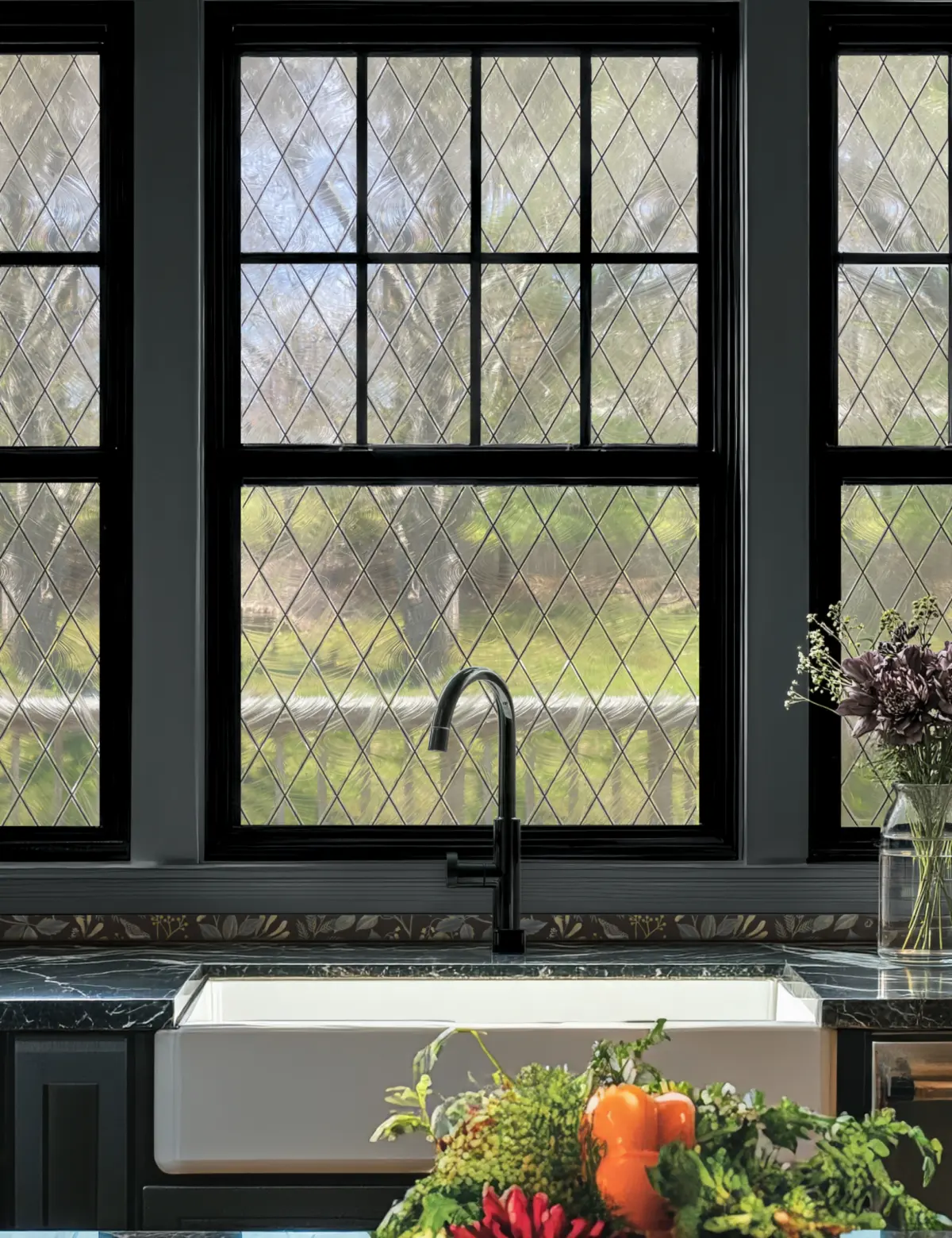
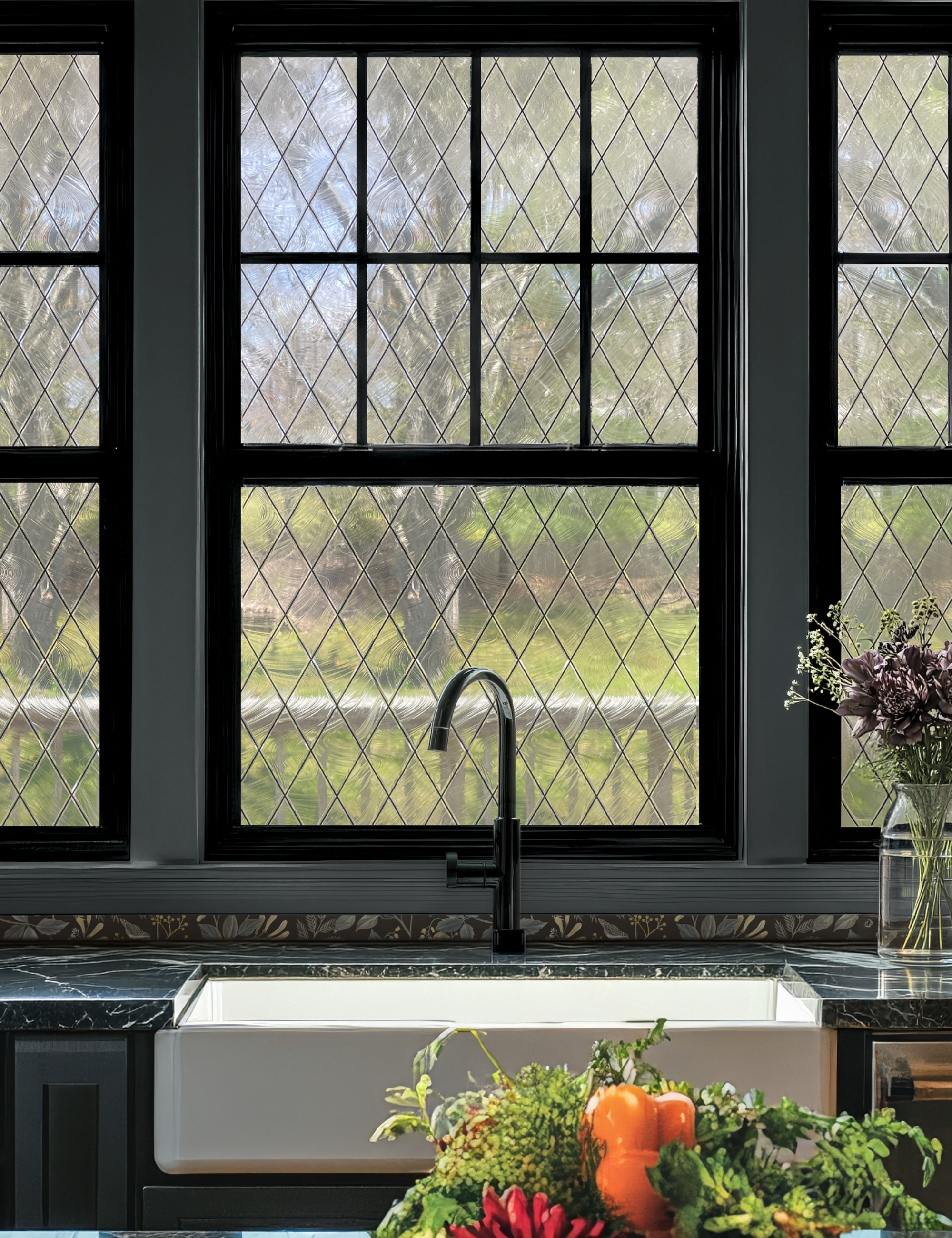
Enter a new, highly accessible design solution that bridges the gap between historical charm and modern temporary living. Coming from the powerhouse DIY duo Chris and Julia Marcum of the celebrated lifestyle brand Chris Loves Julia, a newly launched collaboration with WallPops introduces a $25 renter-friendly window film. The product—highlighted by the diamond-grid Cora window film—promises to instantly imbue plain glass surfaces with the rich, storied texture of a Tudor or Gothic Revival estate, all without requiring a single drop of permanent adhesive or a call to a contractor.
Main Facts: The Anatomy of a $25 Architectural Hack
The core of the excitement centers on the newly released Chris Loves Julia x WallPops collection, a curated line of peel-and-stick architectural accents designed to mimic high-end historical finishes at a fraction of the cost and labor.
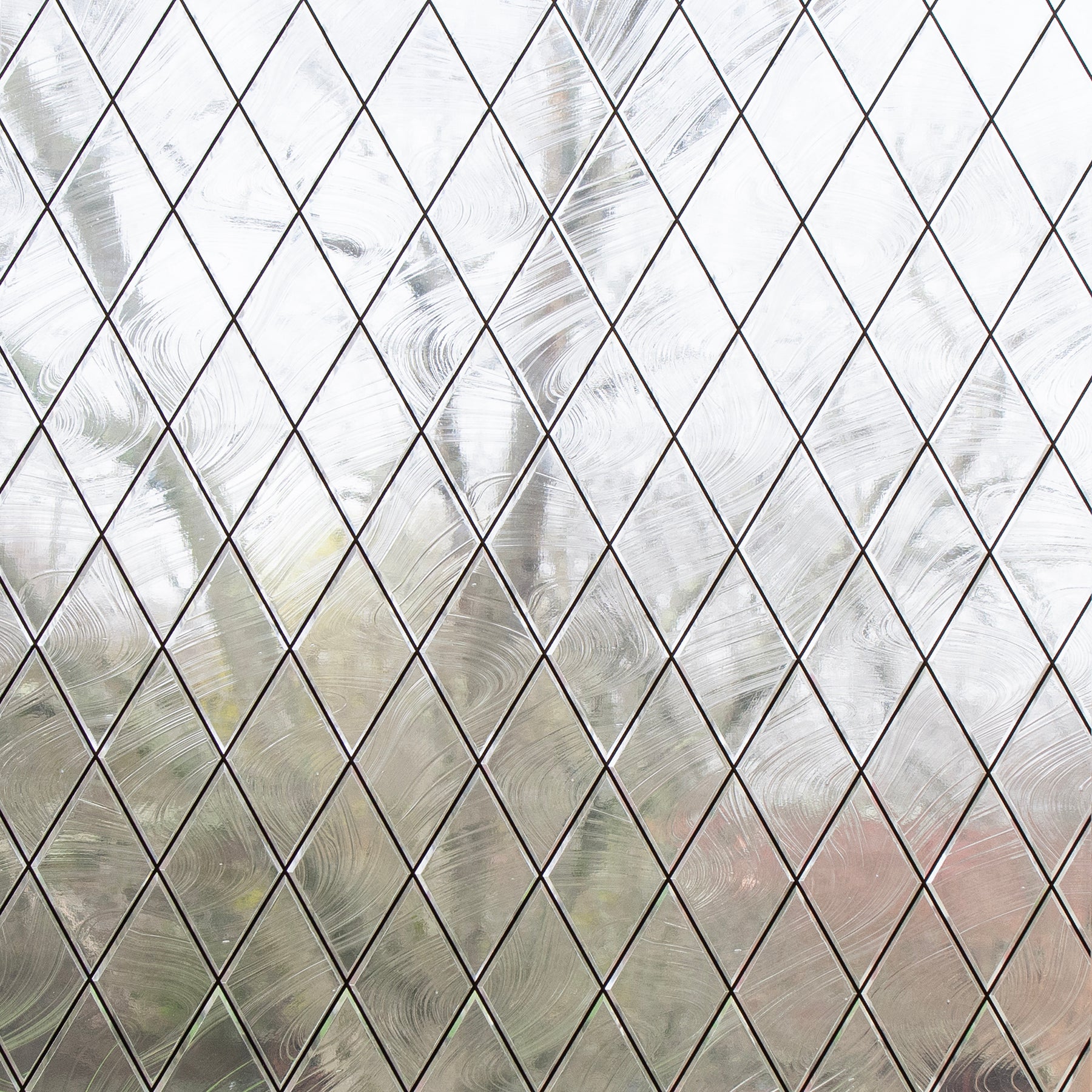
- The Flagship Product: The Cora Window Film measures 24 inches by 74 inches (providing approximately 12.33 square feet of coverage per roll) and retails for around $25.
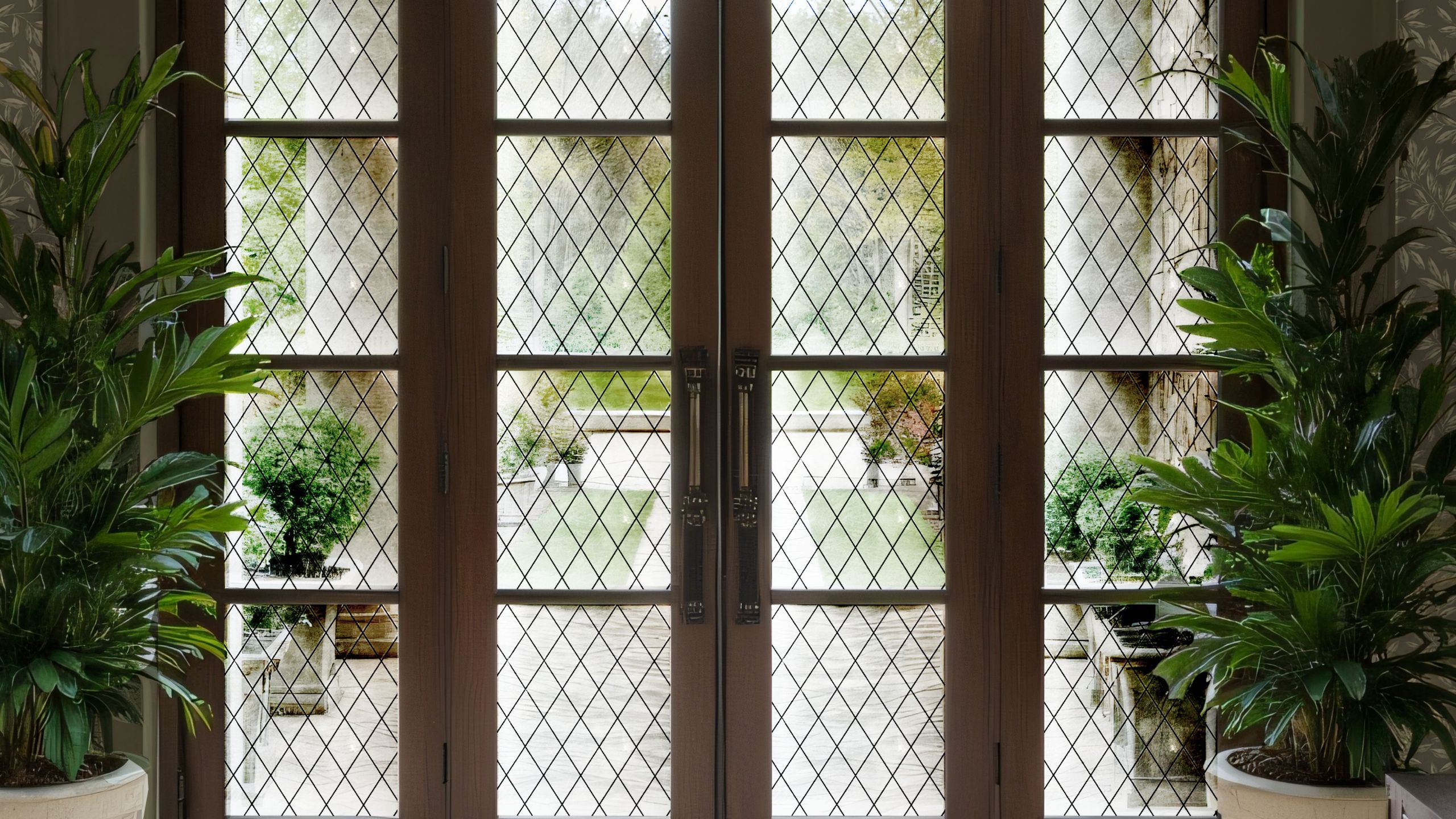
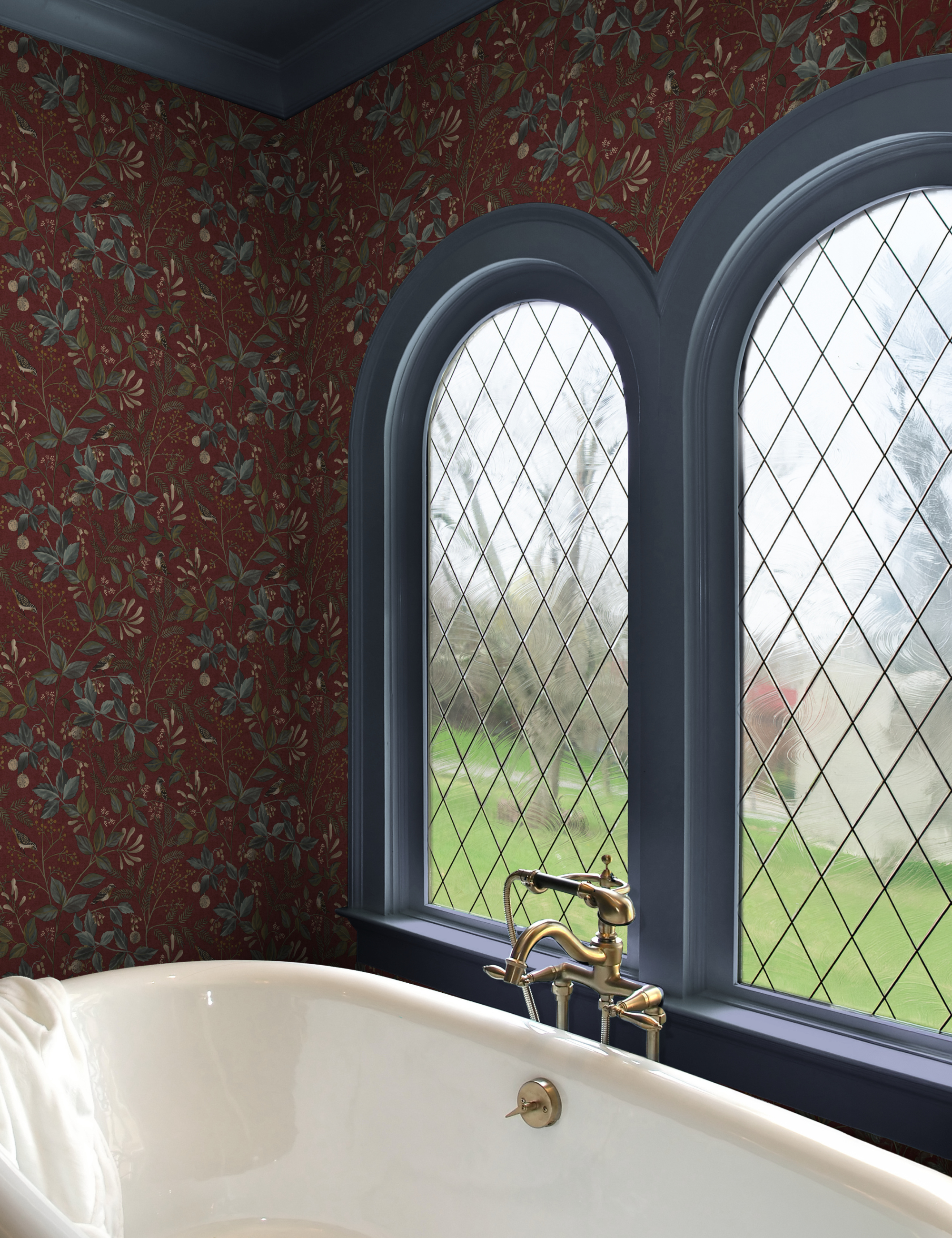
- The Design Aesthetic: Featuring a subtle diamond grid and a gently frosted finish, the film replicates leaded glass or antique diamond-pane windows found in historical European architecture.
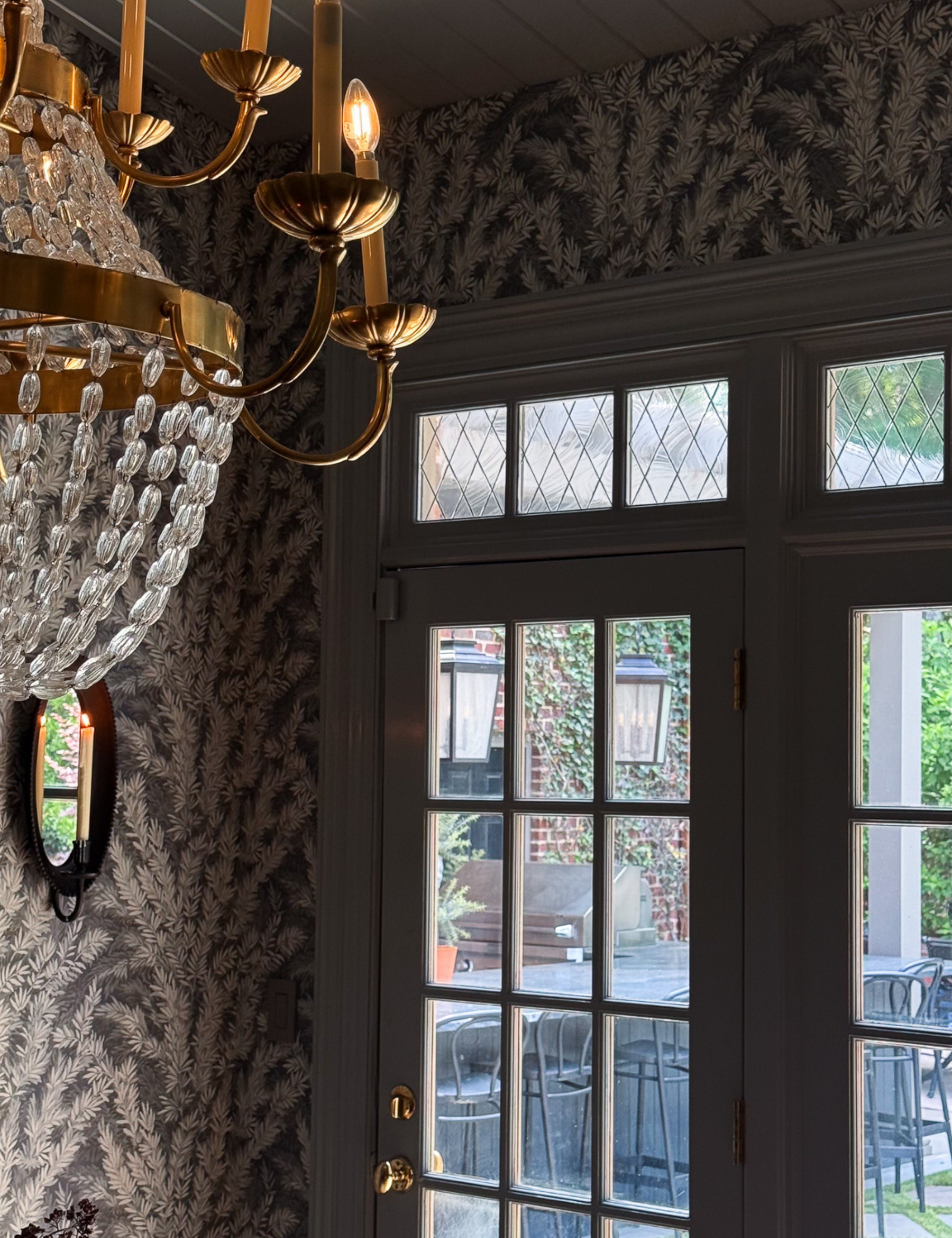
- Versatility: Beyond standard windows, the repositionable film can be applied to closet doors, kitchen cabinetry glass inserts, and French doors.
- Ease of Application: Designed for amateur DIYers, the material is applied to cleaned, flat glass, smoothed out to eliminate air bubbles, and trimmed with a utility knife. It can be easily peeled off, repositioned during installation, or removed entirely without leaving residue.
- Extended Collection: The collaboration also includes alternative window films (such as the reeded-texture Lewis film) and a range of high-impact peel-and-stick floor tiles (Cricket and Bonneville) tailored for high-traffic zones like bathrooms, entryways, and laundry rooms.
Chronology: The Rise of "Undetectable" Renter Upgrades
The trajectory of home improvement over the past decade has shifted dramatically. Once defined by gut renovations and permanent structural overhauls popularized by early-2000s television, the modern DIY landscape is governed by the constraints—and creativity—of renters and budget-conscious homeowners.
Phase 1: The Peel-and-Stick Revolution (2015–2020)
Initially, temporary decor was synonymous with low-quality contact paper and easily-torn wall decals. Renters looking to personalize cookie-cutter apartments relied on temporary wallpaper that often proved difficult to align and even harder to remove without damaging drywall.
Phase 2: The Quest for "Wealth Codes" and Authentic Patina (2021–2023)
As interior design trends shifted away from stark minimalism toward maximalism, dark academia, and vintage-infused spaces (such as "grandmillennial" and "historic preservation core"), the demand for architectural authenticity skyrocketed. Consumers no longer wanted their spaces to look merely "decorated"; they wanted them to look born in another century. This era saw a boom in faux molding, limewash paints, and antique hardware sourcing.
Phase 3: The Democratization of Heritage Architecture (Present)
The current wave, spearheaded by tastemakers like Chris and Julia Marcum, focuses on "undetectable" upgrades. The goal is no longer just making a rental look colorful, but tricking the eye into believing the structure possesses genuine architectural heritage. By introducing materials that mimic leaded glass, reeded textures, and classic mosaic floor tiles in peel-and-stick formats, brands like WallPops have made historic design tropes universally accessible.
Supporting Data: The Economics and Practicality of Temporary Decor
The appeal of products like the Cora Window Film is backed by shifting consumer demographics and economic realities in major metropolitan real estate markets.
- The Rental Market Surge: According to recent housing data, over 35% of U.S. households—encompassing more than 44 million homes—are occupied by renters. In dense urban centers like New York City, Chicago, and San Francisco, that number climbs significantly higher, with populations exceeding 60% renters in some boroughs.
- Cost vs. Impact Ratio: Traditional custom leaded or diamond-pane glass installation can easily cost upwards of $100 to $300 per square foot when factoring in custom glass fabrication and professional glazing. At roughly $2 per square foot, the WallPops window film reduces the cost barrier by over 95%.
- Privacy and Light Transmission: Unlike heavy drapes or opaque privacy stickers that plunge a room into darkness, lightly frosted architectural films retain an estimated 80% to 90% of natural light while completely obscuring undesirable views—such as a brick wall inches away from a pre-war apartment window.
Official Perspectives: The Philosophy Behind the Collaboration
While major corporate home goods brands frequently churn out seasonal accessories, collaborations driven by digital-native DIY creators carry a different weight. Chris and Julia Marcum, whose digital footprint spans millions of followers and numerous high-profile home renovations, approach product design from the perspective of chronic problem-solvers.
"The best home upgrades are the ones that look like they’ve been there all along," notes the design duo in their developmental notes for the collection. "When you’re working with spaces that lack historical architecture, you have to build the story yourself. But you shouldn’t have to break your lease—or your budget—to do it."
Industry analysts point out that creator-led product lines succeed because they address hyper-specific design pain points that traditional manufacturers often overlook. For instance, the choice to feature a classic octagon-and-dot black-and-white floor tile (Cricket) alongside moody oxblood and jade checkerboard patterns (Bonneville) directly targets the aesthetic desires of homeowners looking to upgrade utilitarian spaces like laundry rooms and powder rooms without undertaking messy demolition.
Implications: What This Means for the Future of Interior Design
The popularity of high-end temporary architectural films and tiles signals a permanent evolution in how we view permanence in interior design.
1. The Death of the "Temporary Aesthetic" Compromise
Historically, renters accepted that temporary decor came with a visual penalty—it looked cheap, temporary, or flimsy. The new wave of "wealth code" decorating proves that temporary materials can possess high-end visual weight, blurring the line between permanent historic preservation and flexible interior styling.
2. Sustainable Decorating and Reduced Waste
As consumer awareness regarding home renovation waste grows, products that can be installed without construction debris and removed without leaving hazardous chemical residues offer an eco-conscious alternative. Landlords are also increasingly welcoming of renter-friendly upgrades that protect the underlying structure of the property while improving its visual appeal for future tenants.
3. The Democratization of Luxury Architecture
Features once exclusive to high-net-worth historic homeowners—such as stained or leaded glass entryways, reeded glass room dividers, and traditional mosaic floor tiling—are now democratized. Through clever engineering and thoughtful graphic design, a $25 roll of vinyl film empowers a renter in a newly constructed high-rise to command the moody, sophisticated atmosphere of a centuries-old European manor.
As urban housing density continues to increase and architectural uniformity threatens the character of modern buildings, the appetite for clever, low-commitment illusionary design shows no signs of slowing down. For anyone staring down a dull courtyard view or a sterile modern window frame, the message is clear: history is no longer defined by when your building was constructed, but by the creativity you bring to its glass.
