

As the vibrant foliage of late summer transitions into the crisp, amber hues of autumn, homeowners nationwide prepare for sweater weather, cozy evenings, and the changing landscape. However, the seasonal shift triggers another, far less welcome annual phenomenon: a sudden influx of household pests.
According to entomological research from institutions like the University of California Agricultural and Natural Resources and the University of Florida, shifting climate patterns are altering insect life cycles. Warmer extended summers and unpredictable seasonal shifts are driving some insect populations to produce multiple generations per year, creating an even larger volume of critters eager to breach human living spaces when temperatures finally drop.
For millions of homeowners, the cooler months mean a frantic battle against multi-legged invaders seeking the fundamental requirements of survival: warmth, moisture, food, and secure shelter.
Main Facts: The Autumn Migration Indoors
When outdoor foliage withers and dies, insects lose their primary food sources and natural micro-habitats. Coupled with dropping outdoor temperatures, this creates a strong evolutionary incentive for bugs to relocate. While many species simply seek a dormant place to wait out the winter—a process known as overwintering—others actively forage for moisture and pantry items.
Entomologists categorize these fall invaders into two primary groups: accidental invaders that stumble indoors looking for shelter, and opportunistic scavengers searching for sustenance. Understanding which species are most likely to appear in your living spaces is the first step toward effective pest management.
Chronology: Seasonal Shifts and Pest Behavior
1. Late Summer: The Preparatory Phase
As day lengths shorten and nighttime temperatures dip in August and September, outdoor pests like stink bugs, boxelder bugs, and western conifer seed bugs begin congregating on the sun-drenched exterior walls of homes. They utilize pheromones to signal aggregation sites, setting the stage for a mass movement indoors.
2. Early Autumn: The Breach
With the first hard frosts of October, insects push through microscopic gaps, window screens, and foundation cracks. Species like cluster flies and lady beetles squeeze into attics and wall voids to begin their winter hibernation. Meanwhile, moisture-dependent pests like silverfish, centipedes, and cockroaches push deeper into basements, crawlspaces, and bathrooms.
3. Winter: Dormancy and Activity
During the peak of winter, certain pests remain largely dormant inside wall voids, while others—such as German cockroaches and pantry-dwelling hairy fungus beetles—thrive in the climate-controlled environment of human homes, capitalizing on indoor food and water sources.
Supporting Data: The 13 Most Common Fall Pests
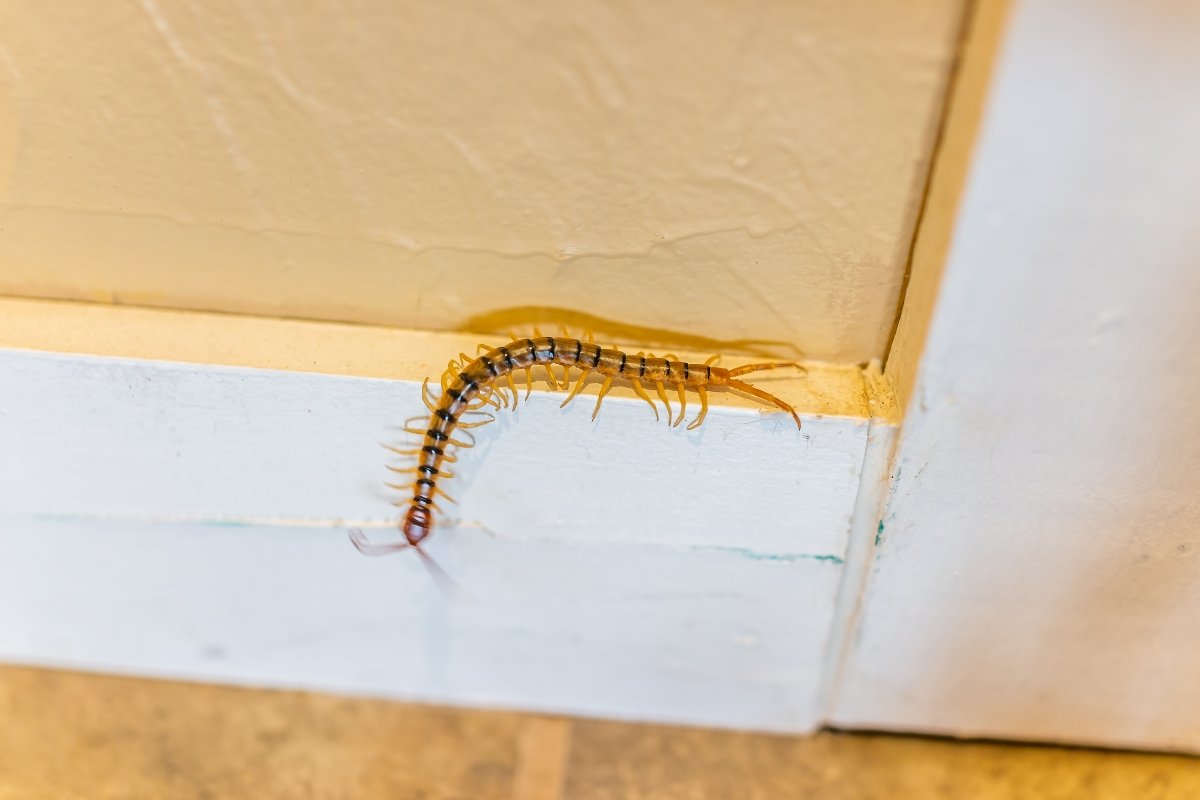
1. Centipedes (Scutigera coleoptrata)
- The Threat: Though frighteningly fast and equipped with numerous legs, house centipedes are actually beneficial predators that hunt other indoor pests. However, seeing them scuttling across a basement or bathroom floor is rarely comforting.
- The Solution: Seal foundation gaps and eliminate indoor humidity using dehumidifiers.
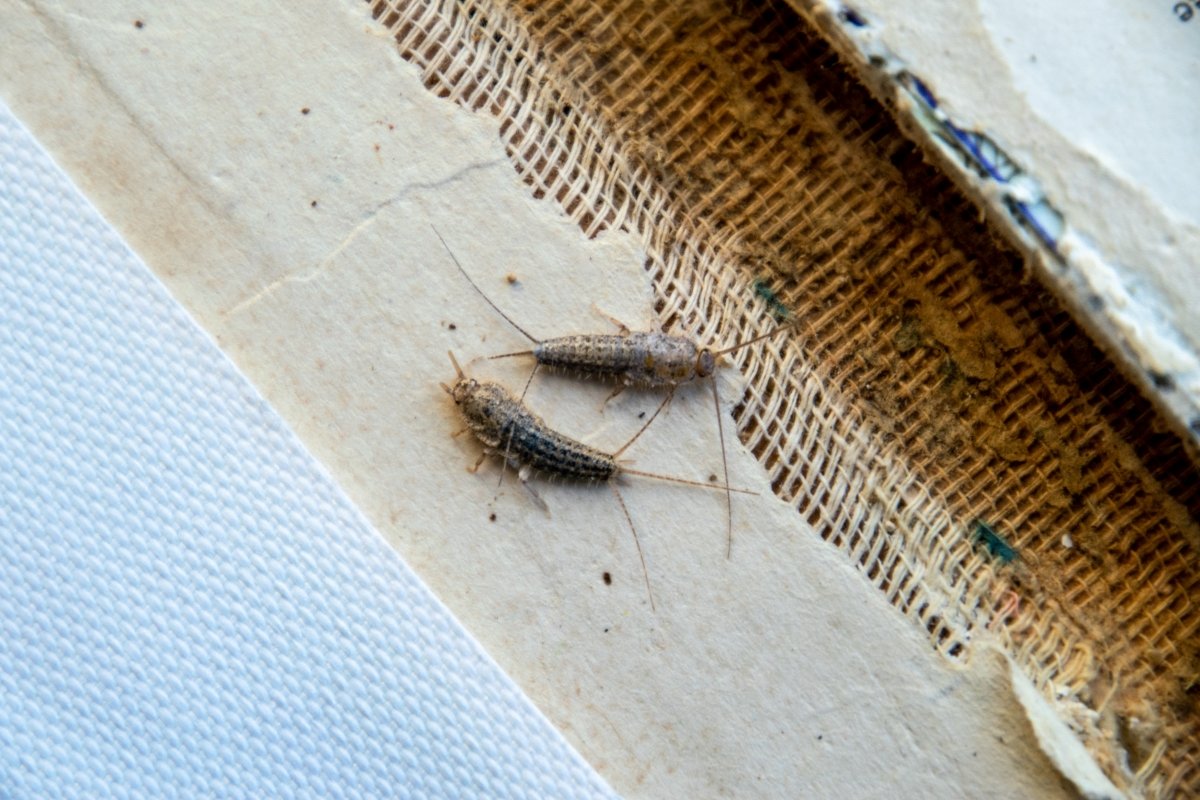
2. Silverfish (Lepisma saccharina)
- The Threat: These wingless, silvery insects feed on starches and simple sugars found in cotton, silk, paper, and bookbindings, often leaving behind ragged holes in stored garments and linens.
- The Solution: Utilize boric acid bait packs, silverfish glue traps, or diatomaceous earth in damp areas like laundry rooms and utility closets.
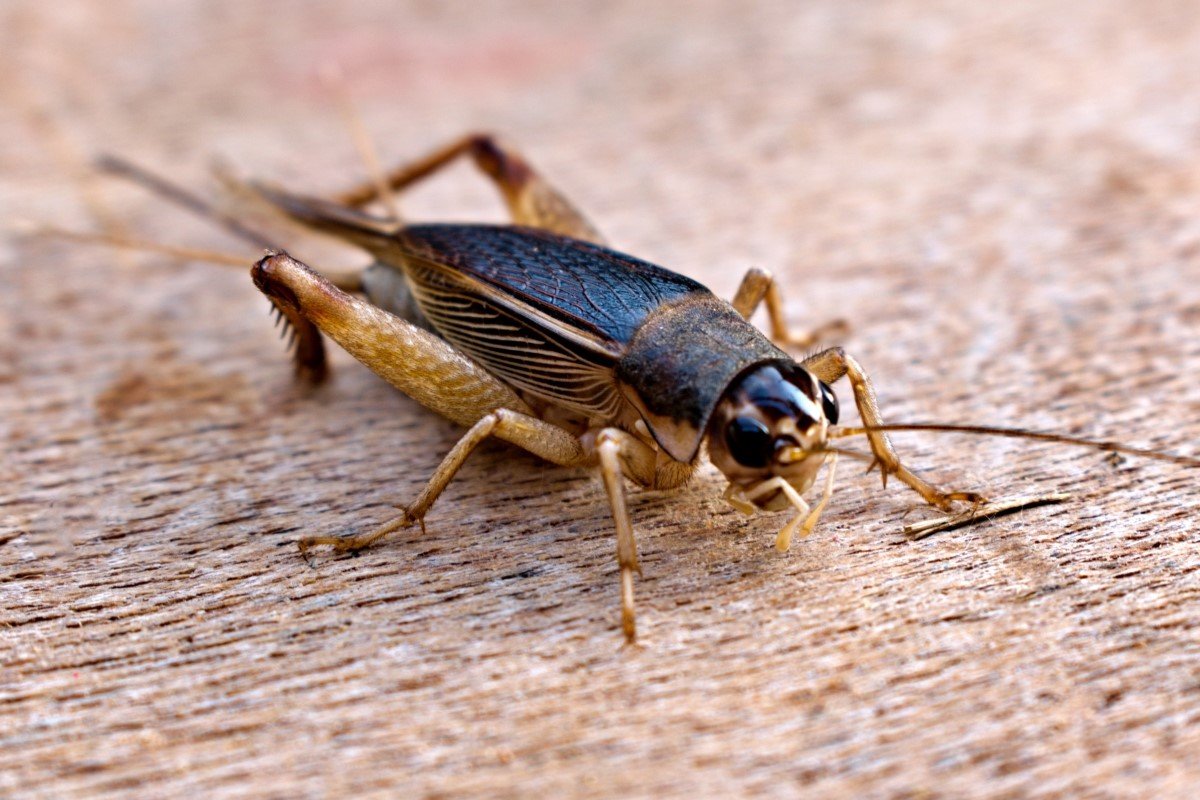
3. Crickets (Acheta domesticus)
- The Threat: Camel crickets and field crickets seek dark, damp spaces like basements. While their evening chirping can ruin a night’s sleep, they also damage fabrics and paper goods.
- The Solution: Seal thresholds beneath exterior and garage doors, and deploy non-toxic sticky traps.
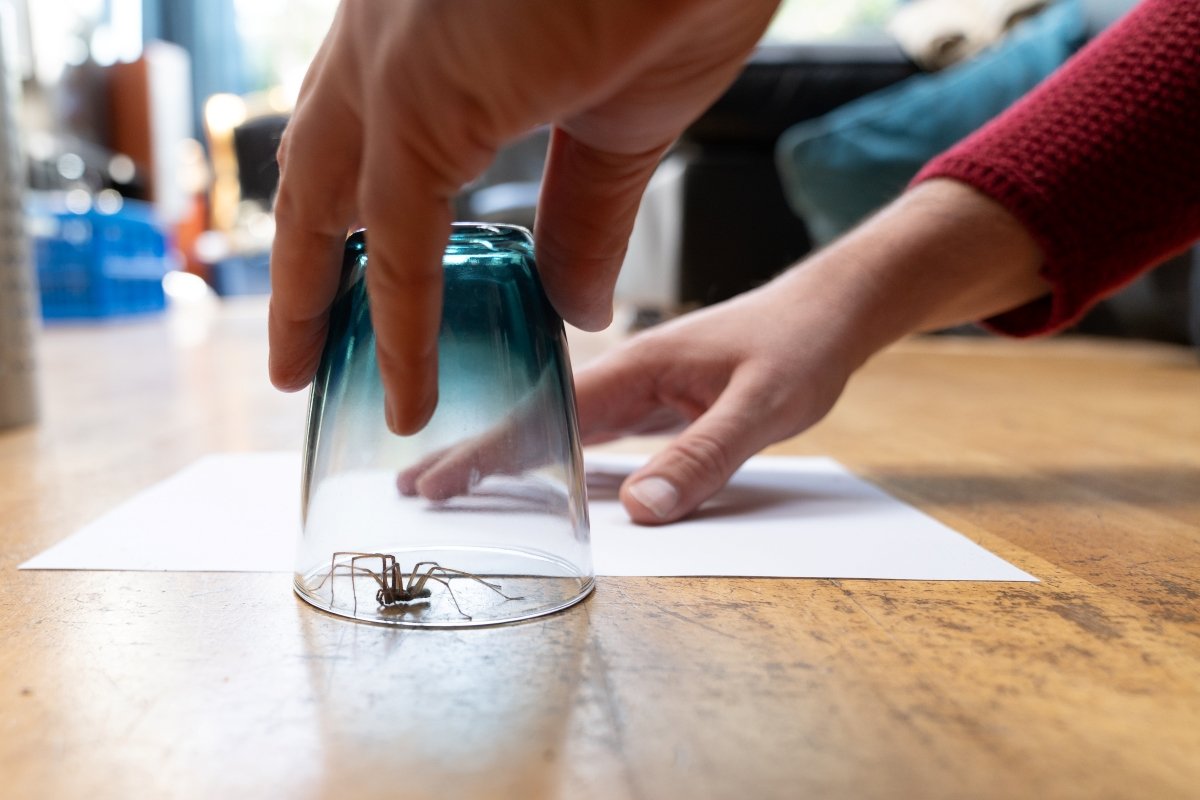
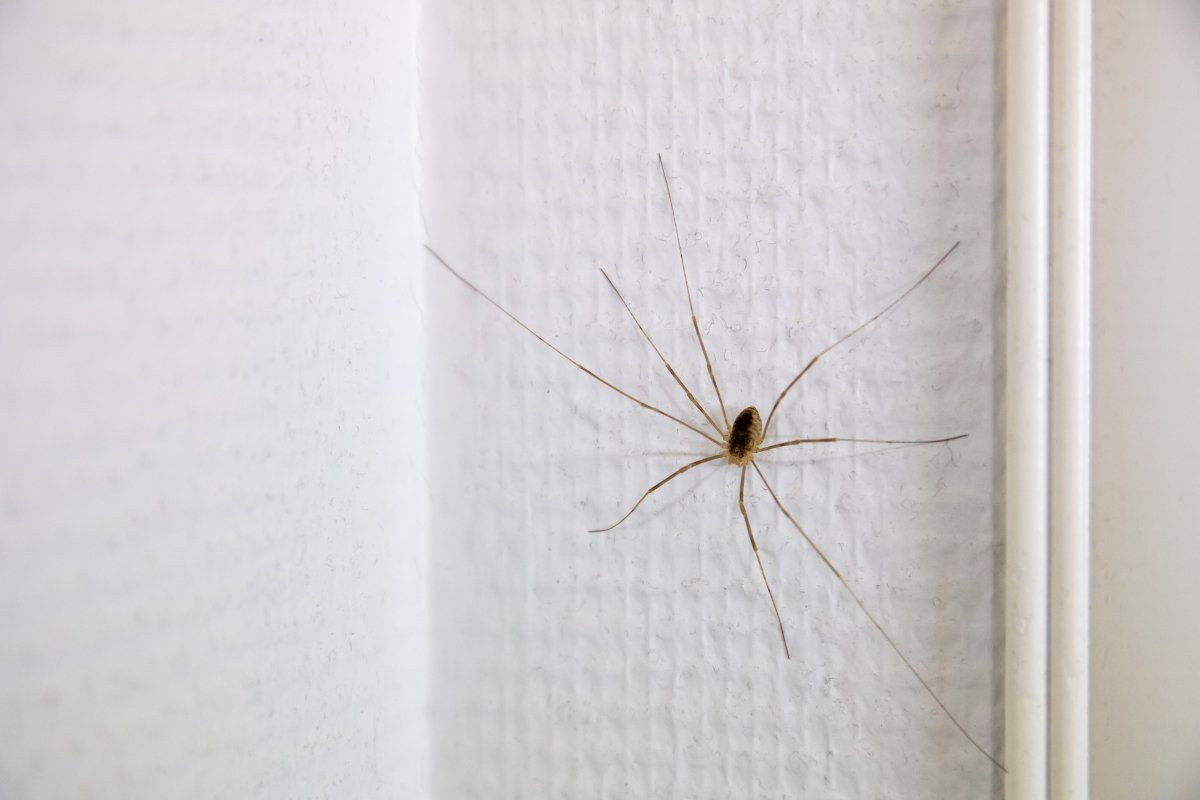
4. Spiders (Achaearanea tepidariorum)
- The Threat: Common house spiders are year-round residents, but autumn marks their mating season, prompting them to wander out of wall voids and across living spaces in search of mates.
- The Solution: Vacuum webs regularly and turn off exterior porch lights at night to avoid attracting the flying insects that spiders feed on.
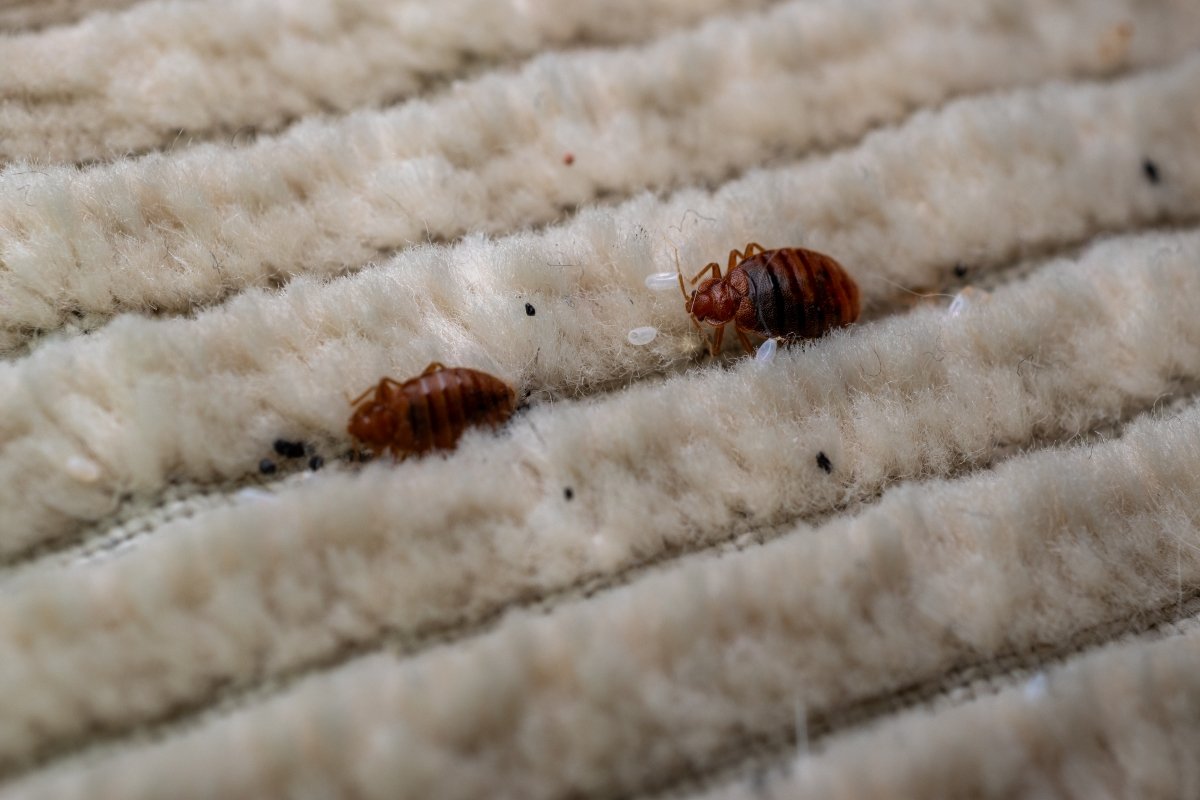
5. Bedbugs (Achaearanea tepidariorum)
- The Threat: Opportunistic bloodsuckers that hitch rides on luggage, second-hand furniture, and clothing. They hide in mattress seams, electrical outlets, and baseboards, delivering itchy, unpleasant bites.
- The Solution: Inspect all second-hand mattresses, wash travel clothing in hot water immediately after returning from trips, and consult professionals at the first sign of an infestation.
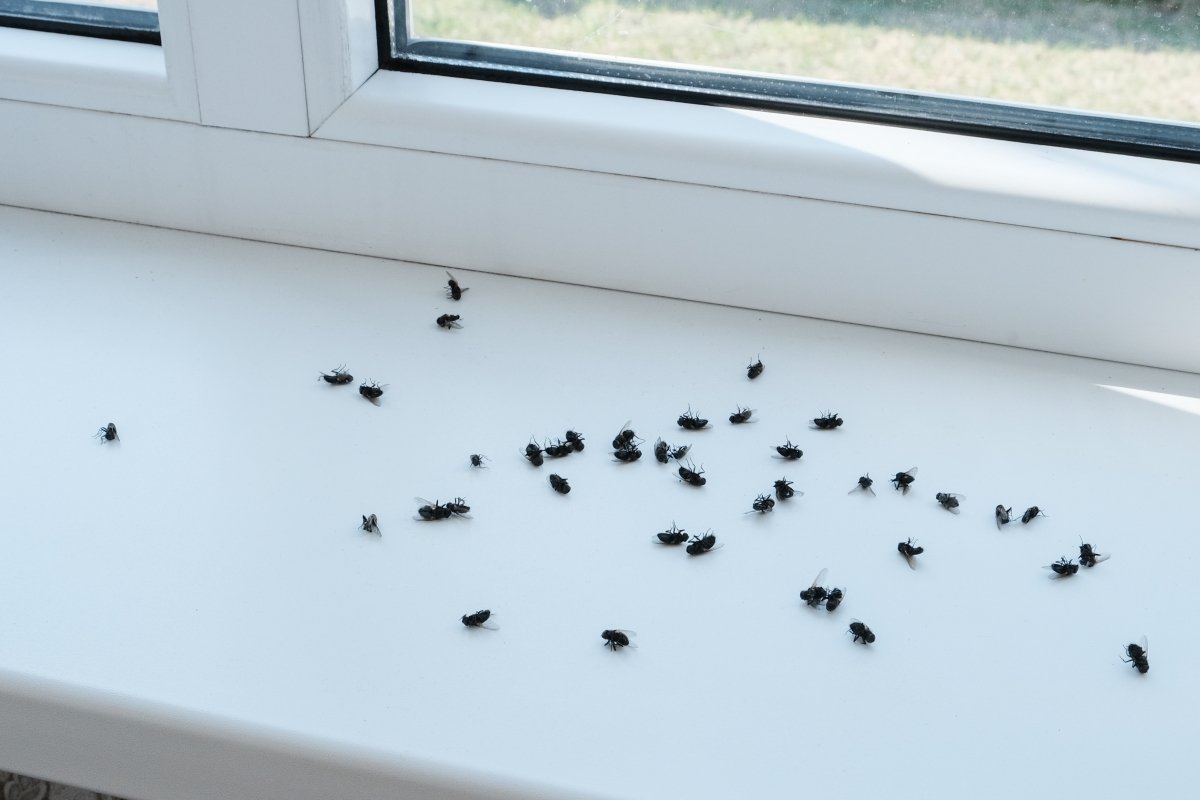
6. Cluster Flies (Pollenia spp.)
- The Threat: Also known as attic flies, these insects hibernate inside wall voids in large numbers during the winter, reemerging sluggishly on warm winter days.
- The Solution: Thoroughly caulk gaps in siding, roof joints, and window frames. Expanding foam insulation can seal off primary entry points.
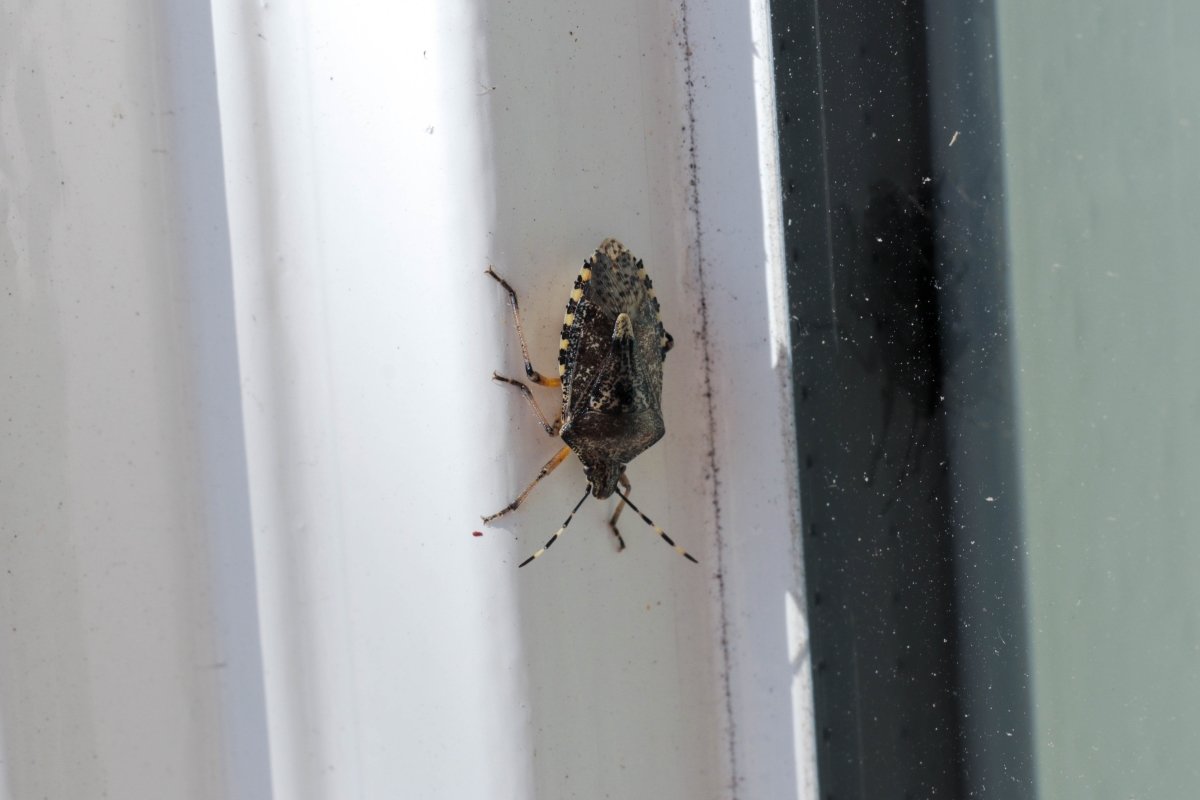
7. Stink Bugs (Halyomorpha halys)
- The Threat: Prevalent across the Mid-Atlantic and Northeast, brown marmorated stink bugs release a pungent, foul-smelling chemical defense when handled or threatened.
- The Solution: Seal home perimeters. Pest control experts recommend wiping window screens with scented dryer sheets, which can deter up to 80 percent of incoming stink bugs.
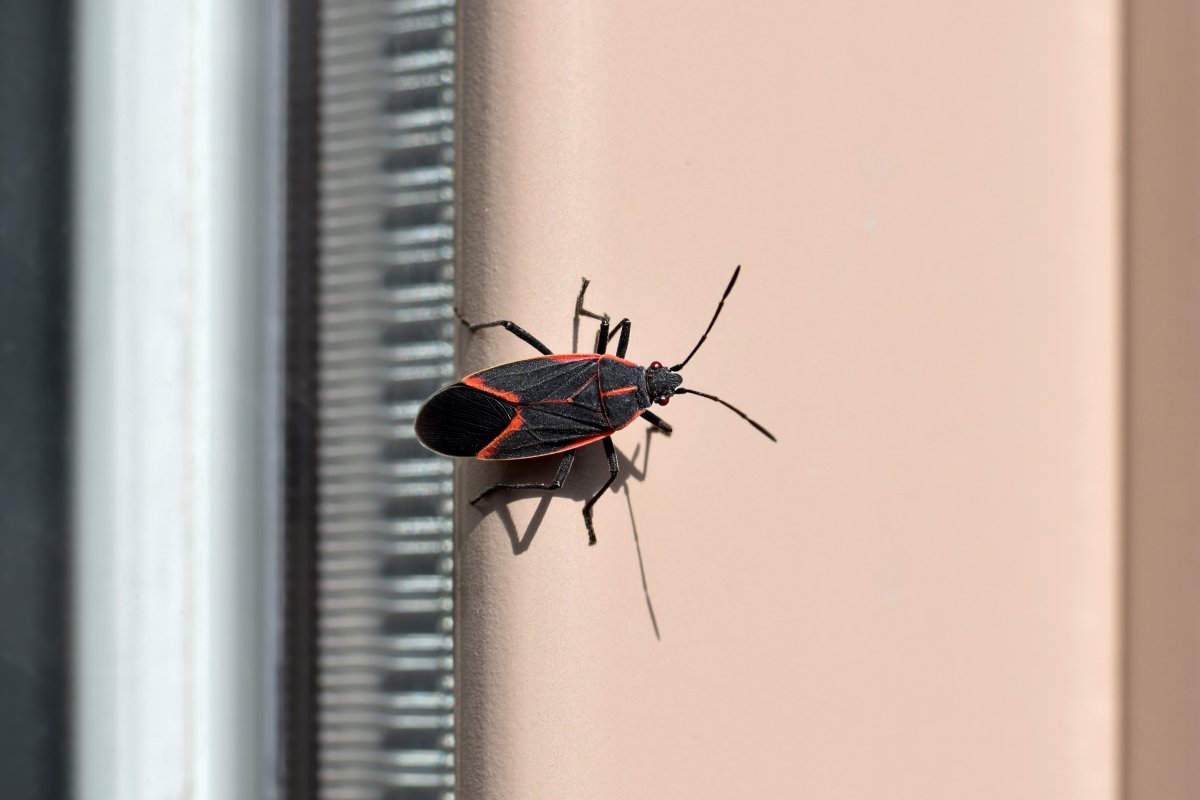
8. Boxelder Bugs (Boisea trivittata)
- The Threat: Sporting striking black-and-red markings, these sap-feeding bugs nest in maple, ash, and boxelder trees before seeking winter shelter in warm homes, where they can congregate by the hundreds.
- The Solution: Apply a residual insecticide to the exterior perimeter of the home in early spring and late summer.
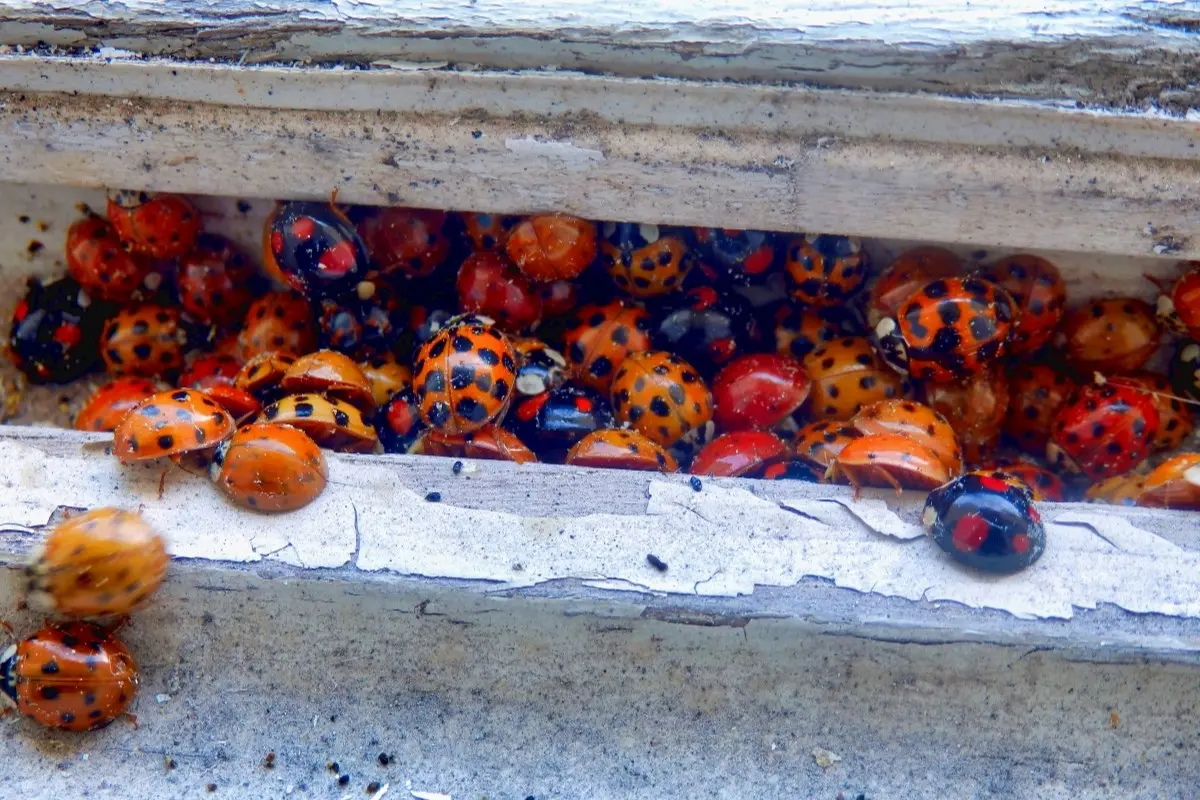
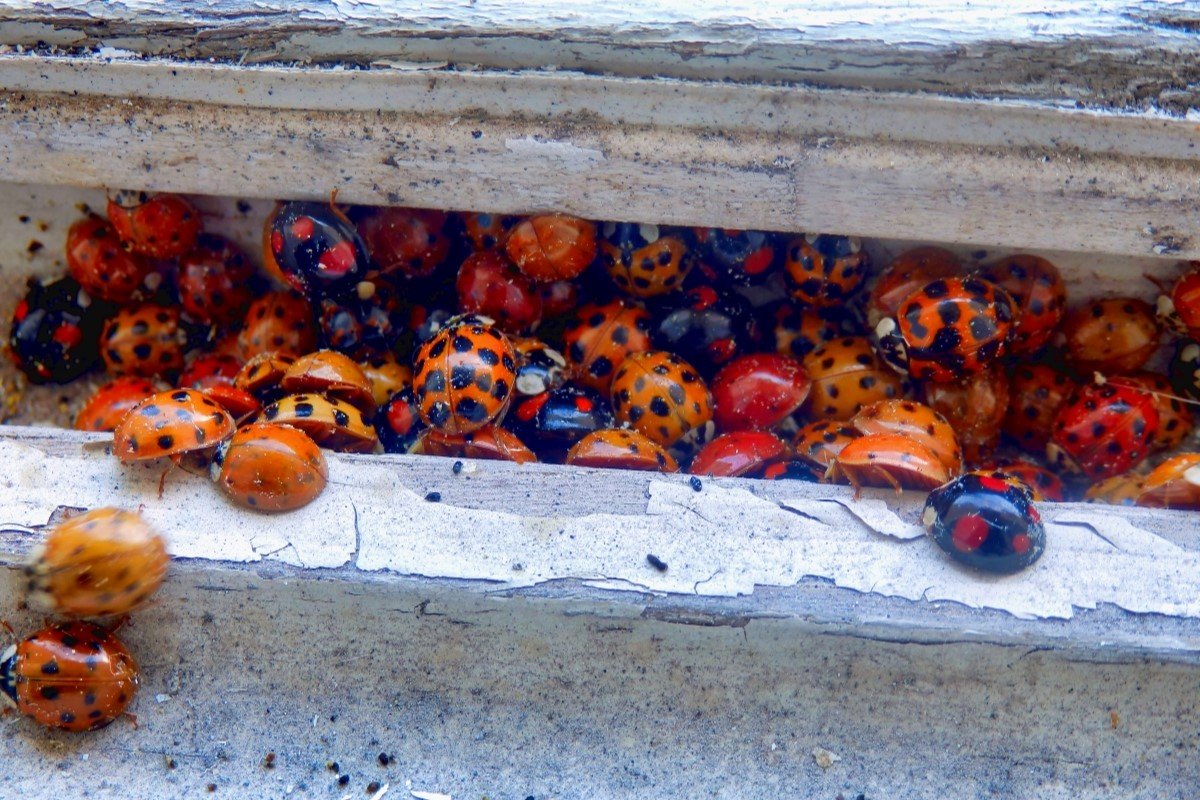
9. Ladybugs (Asian Lady Beetles, Coccinella septempunctata)
- The Threat: Unlike native ladybugs, invasive Asian lady beetles swarm homes in the fall to overwinter, staining walls and releasing a foul odor when crushed.
- The Solution: Use light traps, sweep them up gently for outdoor release, or apply diatomaceous earth around entry points.
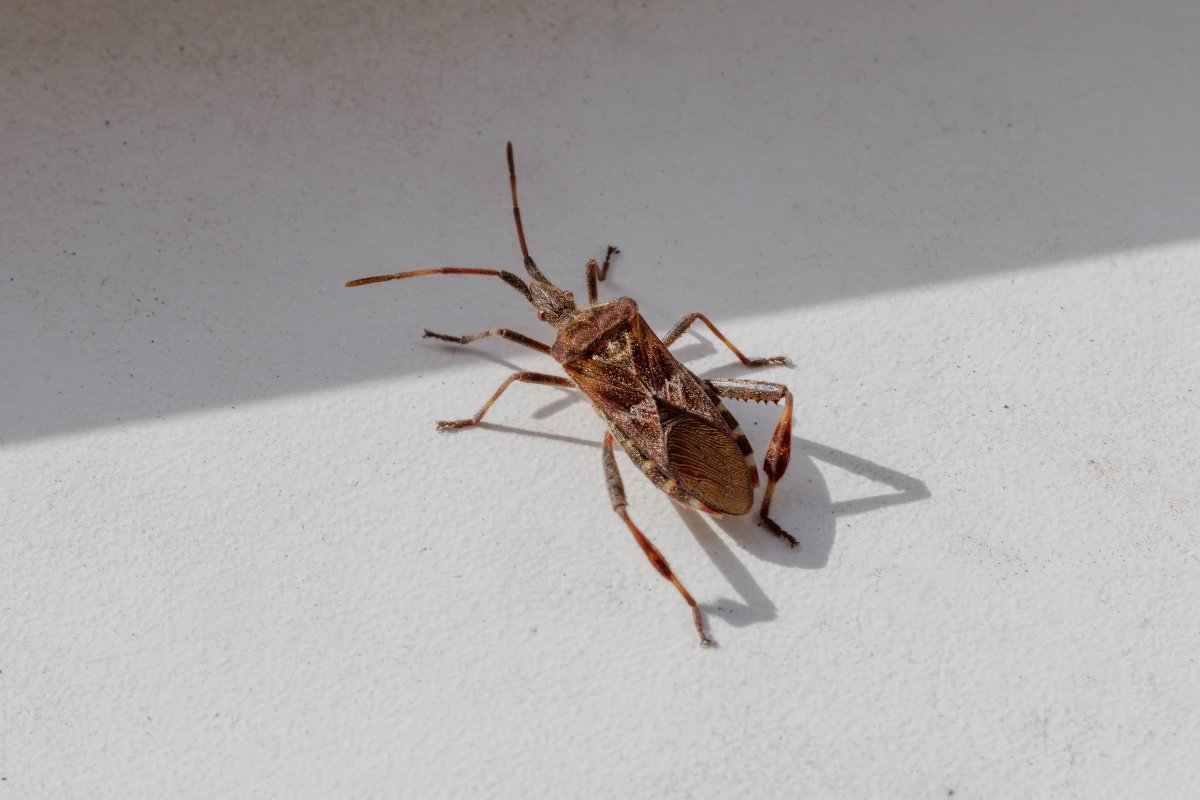
10. Western Conifer Seed Bugs (Leptoglossus occidentalis)
- The Threat: Expanding eastward due to climate change, these large, sap-sucking bugs feed on pine trees and Christmas trees. When they invade homes in swarms, their loud buzzing can cause panic.
- The Solution: Seal gaps around electrical boxes and treat exterior walls with a long-lasting residual insecticide in late summer.
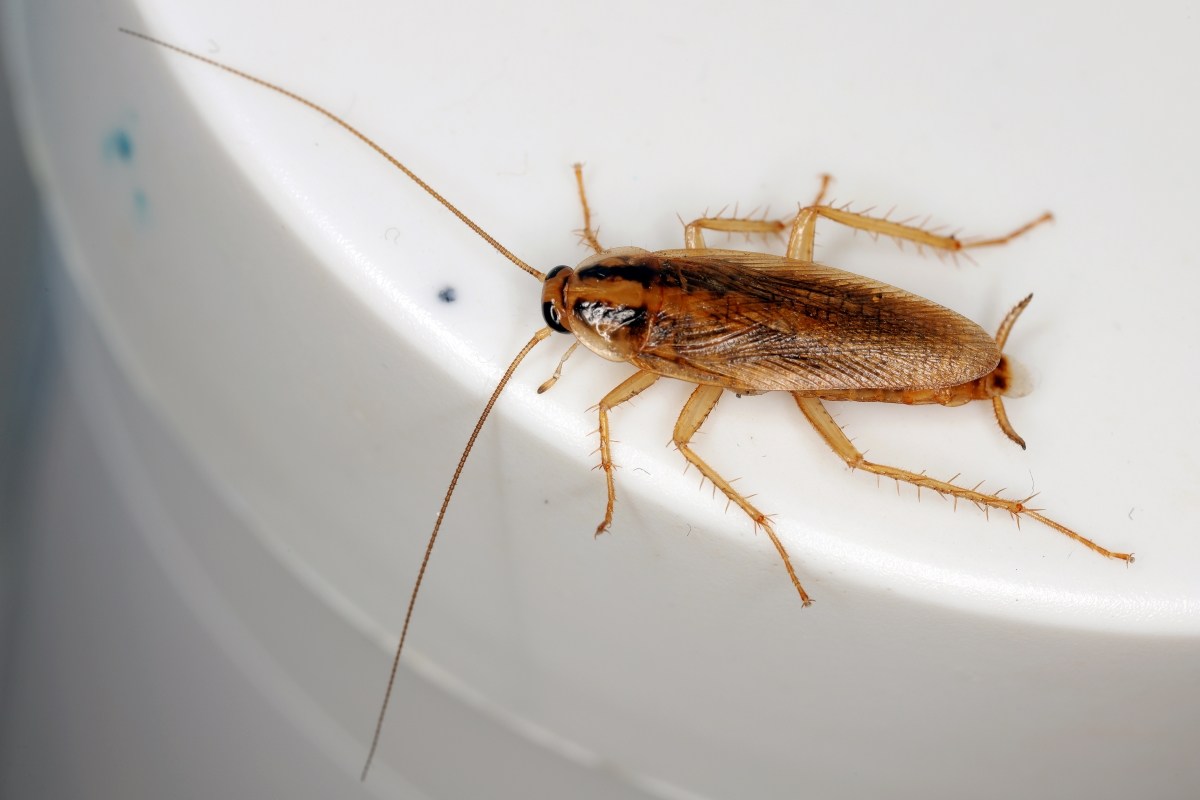
11. German Cockroaches (Blattella germanica)
- The Threat: Prolific breeders that thrive in warm, humid kitchens. Seeing a single German cockroach usually indicates a hidden, rapidly growing population.
- The Solution: Maintain scrupulously clean food prep areas, eliminate standing water, and deploy insecticidal gel baits or boric acid powder.
12. Ants (Formicidae)
- The Threat: Autumn rains saturate underground ant colonies, driving species like carpenter, odorous house, and pavement ants upward and into human dwellings for warmth and dry ground.
- The Solution: Fix plumbing leaks, store food in airtight containers, and place pet-friendly adhesive traps along active ant trails.
13. Hairy Fungus Beetles (Typhaea stercorea)
- The Threat: Attracted to mold and damp, improperly stored grains, cereals, and pet foods, these minor pests can establish populations in pantries.
- The Solution: Discard infested dry goods immediately, store pantry items in sealed glass or plastic containers, and keep storage areas dry.
Official Responses and Expert Insights
Pest management authorities emphasize that chemical intervention should always be a secondary defense behind structural exclusion.
Chelle Hartzer, a board-certified entomologist and pest expert with Orkin, stresses: "Prevention is key. Homeowners must look at their properties as an integrated system—stopping pests at the exterior threshold is infinitely easier than eradicating an established interior infestation."
Building scientists recommend a multi-layered defense strategy, often referred to as the Homeowner Survival Kit approach:
- Weatherstripping and Sealing: Using high-grade expanding polyurethane foam (such as Great Stuff Gaps and Cracks) to seal utility penetrations, sill plates, and foundation cracks.
- Moisture Control: Ensuring crawlspaces are vapor-barrier protected and basements are actively dehumidified.
- Lighting Management: Swapping bright white exterior mercury vapor lamps for yellow "bug lights" that fail to attract flying insects.
Implications: Health, Home Integrity, and Economic Impact
The annual migration of autumn pests is more than just a psychological nuisance; it carries tangible implications for property owners:
- Structural and Material Damage: Pests like silverfish, crickets, and carpet beetles degrade textiles, structural insulation, and stored family heirlooms.
- Health and Allergenic Risks: Cockroaches, rodents, and certain beetle species shed exoskeletons and produce waste that degrades indoor air quality, frequently triggering asthma and allergic reactions in sensitive individuals.
- Economic Costs: Unchecked pest infestations can lead to expensive professional remediation, structural repairs, and the replacement of ruined household goods.
By understanding the seasonal behaviors of these 13 common fall intruders and taking proactive steps to seal, clean, and monitor vulnerable access points, homeowners can successfully safeguard their living spaces through the autumn and winter months.
