

Introduction and Main Facts
For decades, the narrative surrounding the Baby Boomer generation has been one of unprecedented prosperity. Having ridden decades of historic bull markets in equities and an astronomical surge in residential real estate valuations, Americans born between 1946 and 1964 have amassed an astonishing fortune. Today, Baby Boomers control an estimated $90 trillion in collective wealth, standing as the wealthiest generation in American history.
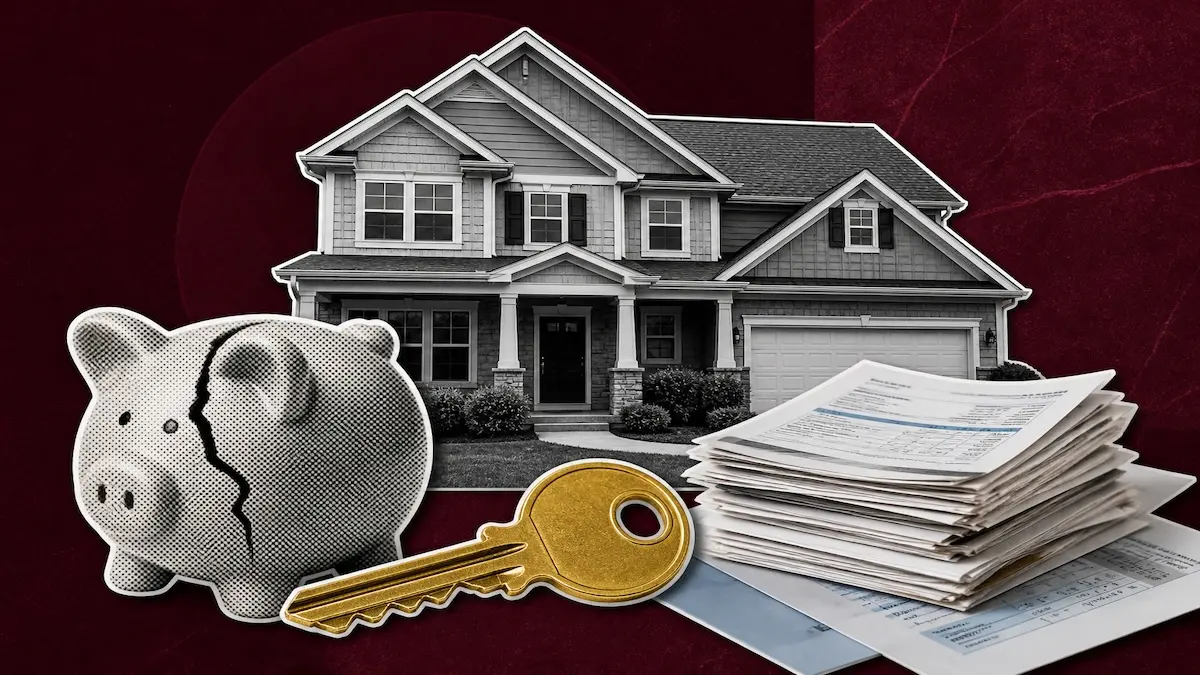
Yet, beneath this staggering macroeconomic milestone lies a harsh, contradictory microeconomic reality for millions of everyday retirees. High net worth is increasingly failing to translate into sustainable monthly cash flow. As millions of aging Americans step away from full-time employment, they are discovering that their wealth is overwhelmingly locked up in illiquid assets—predominantly primary residences—while their day-to-day purchasing power is systematically eroded by stubborn inflation, escalating healthcare expenses, rising property taxes, and a mountain of lingering consumer debt.
According to a recent report by Fortune, the average Baby Boomer enters their golden years carrying $92,619 in debt. Furthermore, Federal Reserve data indicates that more than half of all U.S. households headed by someone aged 75 or older carried debt into 2022, challenging the long-held cultural assumption that retirement should be a debt-free phase of life.
This financial squeeze has forced financial planners, bankruptcy attorneys, and housing market analysts to confront a critical vulnerability in the modern American retirement model: the dangerous disconnect between net worth and liquid cash. As fixed retirement incomes—largely derived from Social Security and dwindling pension programs—clash with the realities of 21st-century living costs, older adults are increasingly forced to explore complex financial instruments, such as reverse mortgages, just to bridge the gap between their assets and their grocery bills.
Chronology: How the Boomer Financial Squeeze Developed
To understand how a generation sitting on $90 trillion can simultaneously struggle to pay monthly bills, it is necessary to examine the historical and economic timeline that shaped the Baby Boomer financial journey.
1960s–1980s: The Foundation of Asset Accumulation
During their formative working years, Baby Boomers benefited from a rapidly expanding post-World War II economy. The transition from traditional defined-benefit pensions to defined-contribution plans (like the 401(k), introduced in the early 1980s) shifted the burden of retirement savings onto the individual. Concurrently, suburbanization and the post-war housing boom laid the groundwork for generational real estate wealth. Boomers bought homes when price-to-income ratios were vastly more favorable than they are today.
1990s–2000s: The Consumer Credit Expansion and Market Shocks
As Boomers entered their peak earning and spending years, the American financial landscape underwent a dramatic deregulation and expansion of consumer credit. Credit cards, home equity lines of credit (HELOCs), and easy auto financing became ubiquitous. This era also introduced severe economic volatility, including the Dot-Com bust of 2000 and the devastating 2008 Global Financial Crisis. While these market crashes temporarily halted wealth accumulation, those who held onto their real estate and stock portfolios were rewarded by the subsequent historic bull runs.
2010s–2020s: The Post-Crash Real Estate Boom and Retirement Cliff
In the decade following the Great Recession, historically low interest rates fueled an unprecedented housing boom. Home values skyrocketed across the United States, transforming modest suburban homes into million-dollar assets. However, this same real estate appreciation drove up property taxes and insurance costs. By the early 2020s, the leading edge of the Boomer generation reached retirement age. Suddenly, the accumulation of decades of lifestyle inflation, mortgage refinancings, and medical expenses collided with the cessation of regular bi-weekly paychecks.
2024–Present: The Cash Flow Crisis
Entering the mid-2020s, post-pandemic inflation pushed the cost of essential goods, utilities, and services to new highs. Fixed-income retirees found their purchasing power drastically reduced. High-interest-rate environments—implemented by the Federal Reserve to combat inflation—made existing variable-rate debt and credit card balances exponentially more expensive to service, setting the stage for the current retirement cash flow crisis.
Supporting Data and Financial Metrics
The disconnect between Boomer wealth and cash flow is underscored by hard economic data from financial institutions, credit agencies, and government reports.
- The $90 Trillion Wealth Peak: According to Federal Reserve distribution of household wealth data, Baby Boomers hold the lion’s share of American wealth, largely concentrated in real estate and corporate equities. However, this wealth is profoundly skewed. The top 10% of Boomers hold the vast majority of this $90 trillion, while the median Boomer household holds significantly less liquid capital.
- $92,619 in Average Debt: Data highlighted by Fortune reveals that the average Baby Boomer carries nearly $93,000 in consumer and mortgage debt into their retirement years. This includes a mix of credit card debt, medical bills, student loans (often taken out for children or grandchildren), and auto loans.
- Elderly Household Indebtedness: Federal Reserve Survey of Consumer Finances data shows that over 50% of households headed by individuals aged 75 and older maintained some form of debt, a dramatic increase compared to previous generations at the same stage of life.
- The High Cost of Fixed Living: According to Bureau of Labor Statistics data, healthcare costs for retirees have outpaced general inflation for decades. Out-of-pocket spending on Medicare premiums, supplemental insurance, prescription drugs, and long-term care frequently consumes a massive percentage of a fixed monthly income.
Official Responses and Expert Perspectives
Financial professionals, legal experts, and credit counselors are sounding the alarm over the structural flaws exposed by the Boomer debt crisis.
Ashley Morgan, a bankruptcy and debt attorney based in Northern Virginia, captured the core of the issue in her analysis for Fortune:
"Someone’s net worth and cash flow are two very different things."
Morgan’s practice has increasingly seen older adults who appear wealthy on paper—owning a home valued at $800,000 and a modest retirement account—yet find themselves functionally insolvent when facing unexpected medical emergencies or mounting credit card bills because their wealth cannot be easily converted into liquid cash without triggering tax penalties or selling their home.
Michael McAuliffe, president of the nonprofit Family Credit Management, echoed these concerns regarding the dangers of high-interest debt late in life:
"We’re seeing more and more people carrying high-interest debt later in life, which becomes a much bigger problem for them when they retire, and their income is fixed."
McAuliffe points out that when revolving credit card debt is combined with a fixed income, compounding interest rates can quickly outpace an older adult’s ability to make minimum payments, leading to severe financial distress, garnishments, or forced asset liquidation.
Housing market analysts and mortgage specialists are also weighing in on the potential tools available to asset-rich, cash-poor seniors. Industry advocates suggest that traditional financial planning models must evolve to look beyond simple accumulation metrics and focus more heavily on liquidity, debt-reduction strategies, and equity-extraction options.
Implications: The Reverse Mortgage Dilemma and Future Outlook
As the financial pressure on retirees intensifies, attention is increasingly turning to alternative financial products designed to unlock trapped home equity. Chief among these is the reverse mortgage—specifically the Home Equity Conversion Mortgage (HECM) insured by the federal government.
How Reverse Mortgages Work
Unlike a traditional forward mortgage, where a homeowner makes monthly payments to a lender, a reverse mortgage allows eligible homeowners aged 62 and older to convert a portion of their home equity into cash. The borrower receives proceeds in a lump sum, fixed monthly payments, or a line of credit, while continuing to live in the home. Crucially, no monthly mortgage payments are required, provided the homeowner maintains the property, keeps up with property taxes and homeowners insurance, and uses the residence as their primary dwelling.
For a retiree drowning in high-interest credit card debt or struggling to cover daily living expenses, a reverse mortgage can provide an immediate financial lifeline, allowing them to eliminate existing mortgage payments and generate fresh cash flow.
The Hidden Risks and Caveats
Despite their utility, financial experts universally caution that reverse mortgages are not a universal panacea. They carry significant complexities and risks:
- Upfront Costs: Origination fees, mortgage insurance premiums, and closing costs associated with reverse mortgages can be substantially higher than those of traditional refinances.
- Interest Accumulation: Because no monthly payments are made, interest accrues on the loan balance over time, causing the total debt to grow and the home’s remaining equity to shrink.
- Inheritance Implications: For many Boomers, passing the family home down to children is a primary legacy goal. A reverse mortgage reduces or eliminates the equity available to heirs, as the loan must be repaid—typically through the sale of the home—when the last surviving borrower passes away or moves out.
- Default Risks: Borrowers can still face foreclosure if they fail to pay property taxes, maintain insurance, or keep the property in good repair.
Broader Societal and Economic Implications
The collision of $90 trillion in Boomer wealth with widespread cash flow poverty carries profound implications for the broader American economy:
- Housing Market Inventory: If more cash-strapped retirees are forced to sell their homes to pay off debt or fund long-term care, it could inject much-needed housing inventory into a historically tight real estate market. Conversely, if reverse mortgages allow them to age in place, market inventory could remain constrained for longer.
- Intergenerational Wealth Transfer: The traditional expectation that Boomers will pass down vast inheritances to Millennials and Gen Z may be disrupted. As retirees consume their home equity and run through savings to cover healthcare and debt, the anticipated "Great Wealth Transfer" may prove smaller or more unevenly distributed than expected.
- Policy and Social Safety Net Reform: The crisis highlights the fragility of relying solely on Social Security and private savings. Policymakers face mounting pressure to address the soaring costs of healthcare, long-term care, and property taxes for seniors to prevent widespread elder financial distress.
Conclusion
The Baby Boomer generation stands at a historic financial crossroads. While the macro headline of $90 trillion in wealth tells a story of generational triumph, the micro reality for millions of retirees is a daily struggle against cash flow deficits, lingering debt, and soaring living costs. Navigating this paradox will require a fundamental shift in how older Americans manage their assets, a greater awareness of financial liabilities in retirement, and careful, informed evaluation of equity-unlocking tools like reverse mortgages to ensure that golden-year prosperity is more than just wealth on paper.
