

When a major weather system materializes on the meteorological horizon, the difference between a minor inconvenience and a catastrophic, financially devastating loss often boils down to a tight, highly disciplined 48-hour window. While municipal emergency services scramble to ready public infrastructure, homeowners are left staring down the barrel of potentially severe wind, relentless rain, and flying debris.
Safeguarding your property is not merely a matter of routine tidying; it is a complex, strategic exercise in structural risk mitigation. To unpack the absolute essentials of what property owners must accomplish in the two days preceding a major storm, we consulted Richard Di Biase, a veteran home restoration expert with Restoration 1 in Orlando, Florida. Drawing from years of frontline experience dealing with the aftermath of natural disasters, Di Biase provides a definitive, journalistic blueprint for protecting your home, securing your family’s safety, and bulletproofing your insurance claim before the skies open up.
Main Facts: The Critical 48-Hour Vulnerability Window
At its core, pre-storm preparation is an exercise in asset preservation and physics. Major storms—ranging from powerful nor’easters to category-level hurricanes—wreak havoc on residential properties through two primary vectors: destructive kinetic wind energy and aggressive water intrusion.
According to Di Biase, the majority of severe structural and interior damage can be traced back to a handful of predictable vulnerabilities that homeowners frequently neglect during clear-weather periods.
- The Element of Time: The 48 hours before landfall or impact represent the definitive threshold where proactive steps can still physically alter how a home handles atmospheric pressure and liquid saturation.
- The Dual Threat: Mitigation strategies must simultaneously account for dynamic wind loads (which compromise roofs, siding, and openings) and hydrostatic water pressure (which floods foundations, basements, and living spaces).
- Financial Protection: Physical mitigation goes hand-in-hand with administrative preparation. Securing digital and physical proof of your home’s pre-storm condition is just as crucial as boarding up a window when it comes to recovering financially after the event.
“I see firsthand how much storm damage can be prevented through basic risk mitigation and routine home maintenance,” Di Biase emphasizes. “The 48 hours before a severe storm is the time to walk the property, identify vulnerabilities, secure loose items, and protect the home before rain, wind, and debris turn a manageable issue into a costly loss.”
Chronology: The Step-by-Step Pre-Storm Action Plan
To ensure nothing is missed when panic and urgency begin to set in, homeowners should follow a structured chronological timeline during the final two days before a forecasted storm strikes.
Phase 1: Exterior Hydrology and Drainage (T-Minus 48 to 36 Hours)
Water is remarkably resourceful, finding its way into the most minute structural cracks. Your first line of defense is ensuring that rainwater is aggressively directed away from your home’s structural footprint.
- Clear the Gutters and Downspouts: Remove all accumulated leaves, twigs, and organic debris from gutters and downspouts. Clogged gutters inevitably overflow, cascading water directly against roof edges, exterior walls, and your home’s foundation.
- Inspect Property Grading: Verify that the soil surrounding your foundation slopes away from the house. Standing water or pooling near door thresholds, garage doors, and window wells creates immediate entry points for severe hydrostatic pressure.
- Test Sump Pumps and Drainage Systems: If your home features a basement or crawlspace, inspect and test your sump pump immediately. Ensure the discharge pipe directs water far away from the foundation. Crucially, install a reliable battery backup system to keep the pump operational during grid-wide power failures.
Phase 2: Structural Integrity and Building Envelope (T-Minus 36 to 24 Hours)
The "building envelope" is the physical separator between the interior conditioned environment of your home and the harsh outdoor elements. Protecting it requires a meticulous physical inspection.

- Inspect the Roof and Siding: Walk the perimeter of your property and scan the roofline for loose, curling, or missing shingles, as well as displaced tiles. Check soffits, fascia, and exterior siding for weak spots.
- Seal Gaps and Cracks: Hairline cracks in stucco, deteriorated exterior caulking, and aging window sealants may seem entirely harmless during dry weather. However, wind-driven rain acts like a high-pressure hose, forcing water through these microscopic openings straight into your wall cavities, silently cultivating mold and rotting framing.
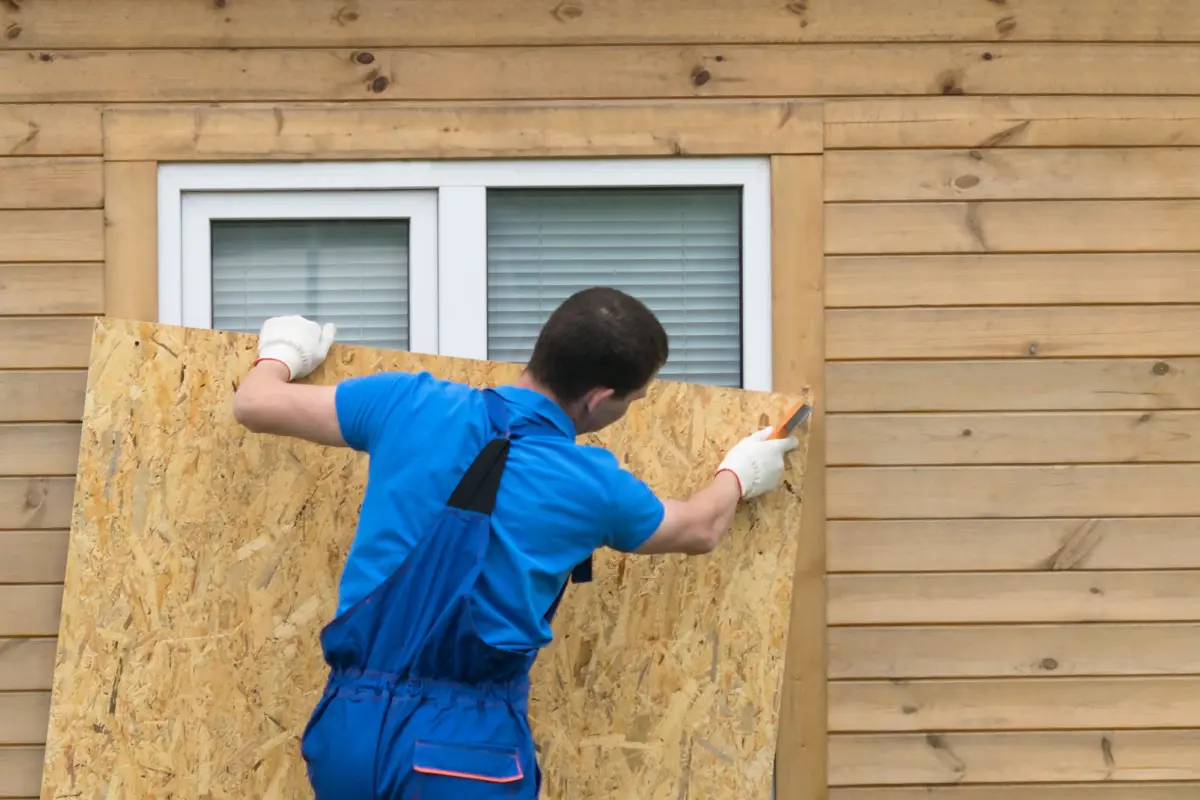
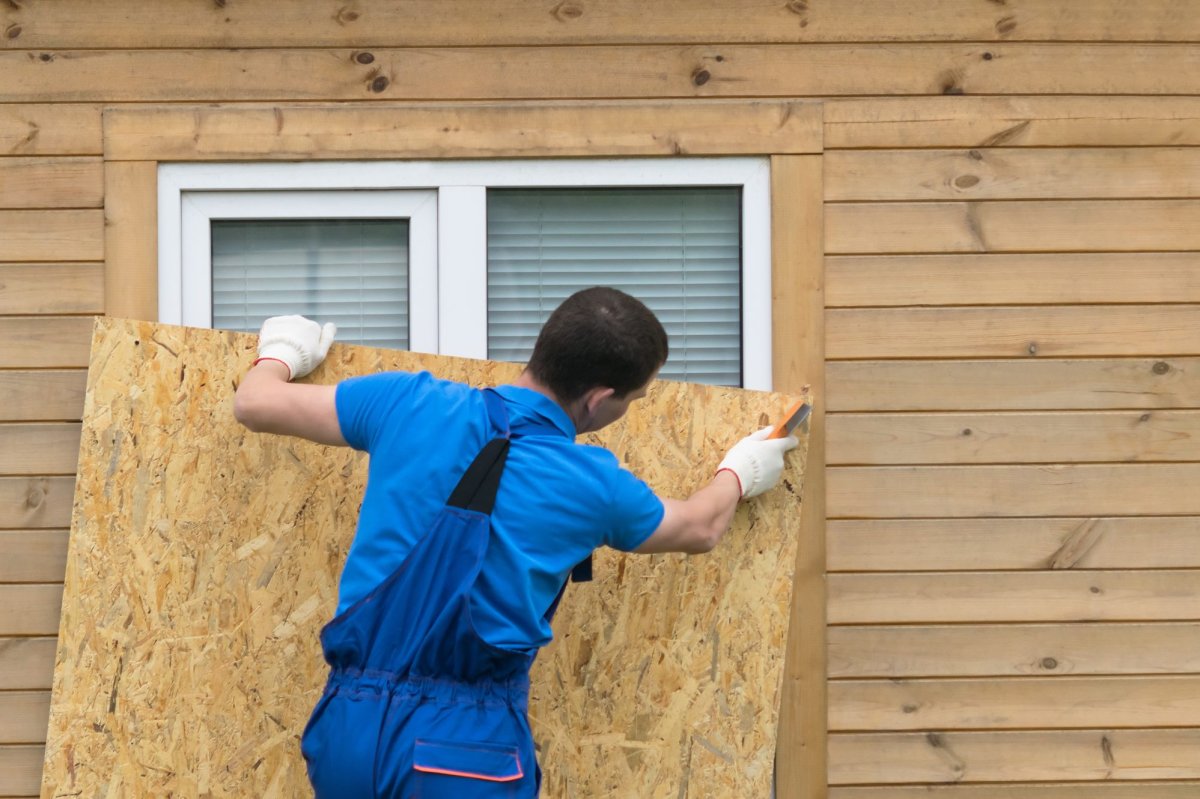
- Shield Windows and Doors: Assess vulnerable glass portals. Install engineered storm shutters or prepare marine-grade plywood to board up windows, sliding glass doors, and garage entry points before weather conditions deteriorate to unsafe levels.
Phase 3: Securing the Perimeter and Interior (T-Minus 24 to 12 Hours)
Once the structural shell is addressed, you must neutralize potential projectile threats and secure your personal interior belongings.
- Eliminate Windborne Debris: Anything left unsecured in your yard transforms instantly into a high-velocity missile. Bring patio furniture, grills, umbrellas, potted plants, yard tools, pool accessories, and children’s toys indoors or lock them down securely.
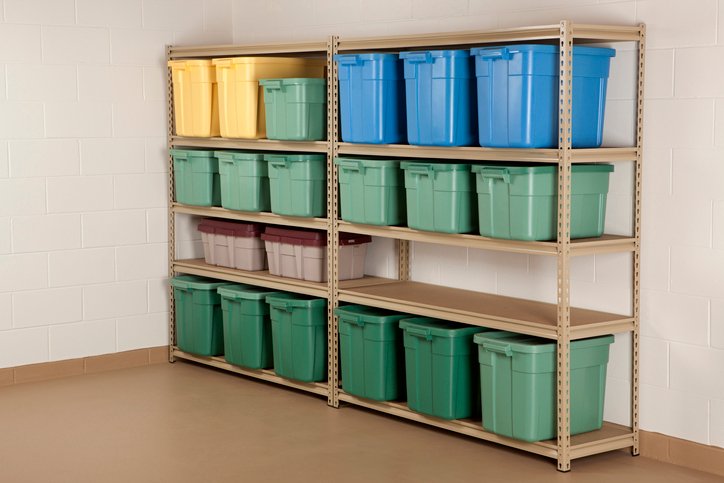
- Elevate Valuables: Move important documents, family heirlooms, sentimental keepsakes, and high-end electronics off the floor. This is especially vital in basements, ground-level garages, and first-floor rooms prone to low-level flooding. Store these items on high shelves or seal them securely in waterproof plastic bins.
- Gather Emergency Supplies: Finalize your grid-down inventory, including portable generators, extra fuel stored in approved containers, potable water reserves, non-perishable food items, flashlights, and first-aid kits.
Supporting Data: The Hidden Costs of Deferred Maintenance
Insurance data and restoration industry analytics consistently reveal that the vast majority of storm-related insurance claims originate from preventable secondary damage rather than the primary weather event itself.
- Water Damage Prevalence: According to property insurance statistics, water damage and freezing-related claims account for nearly 30% of all homeowner insurance claims, making it one of the most frequent perils faced by residential properties.
- The Mold Multiplier: When wind-driven rain breaches an exterior envelope through a minor crack or an unsealed window frame, mold colonies can begin to germinate within 24 to 48 hours in warm, humid environments. Remediation costs for hidden mold can easily escalate into tens of thousands of dollars if moisture extraction and structural drying are delayed.
- Debris Impact Economics: According to severe weather safety studies, unsecured outdoor items account for roughly 40% of window breaches during high-wind events. A single unanchored patio chair can shatter a tempered living room window, allowing high-pressure winds to enter the home, pressurize the interior space, and potentially lift the roof deck entirely off the structure.
Official Responses and Expert Recommendations
Home restoration professionals and disaster response agencies emphasize that preparation is not an isolated event, but an ongoing lifestyle habit for anyone living in regions prone to seasonal severe weather.
Richard Di Biase stresses that homeowners often fall into the trap of financial complacency when purchasing homeowner’s insurance, treating it as a closing requirement rather than a dynamic financial safety net.
“Do not simply buy the cheapest policy needed to close on a property and assume it will be sufficient after a serious loss,” Di Biase cautions. “Work with a reputable insurance provider or agent, review the complete policy annually, and understand all aspects, from the coverage provided to the exclusions, deductibles, caps, and endorsements that may limit a claim.”
Di Biase urges policyholders to explicitly clarify the following components with their insurance agents before a storm warning is issued:
- Roof replacement cost coverage versus actual cash value.
- Specific windstorm and hurricane deductibles (which are often calculated as a percentage of the home’s total insured value rather than a flat fee).
- Water backup and sump failure endorsements.
- Sub-limits for mold remediation and additional living expenses (ALE) if the home becomes temporarily uninhabitable.
Furthermore, documentation is your greatest legal and financial ally. Before the storm hits, thoroughly photograph and record video footage of every single room, your exterior siding, the roofline, outbuildings, fencing, and valuable personal property.
“Keep copies of the declarations page, complete policy, endorsements, home inventory, receipts, and pre-storm photographs in a secure digital location, such as cloud storage,” Di Biase advises. This creates an unassailable baseline for adjusters, accelerating the claims payout process significantly.

Implications: The Long-Term Value of Proactive Defense
The immediate aftermath of a severe weather event is chaotic, stressful, and emotionally draining. Municipal emergency services are typically stretched thin, contractor waitlists stretch for months, and supply chains for building materials experience severe bottlenecks.
By executing a rigorous, disciplined 48-hour pre-storm checklist, homeowners fundamentally alter their post-storm trajectory. Proactive mitigation minimizes structural trauma, prevents chronic mold infestations, preserves irreplaceable family assets, and safeguards your financial standing against predatory out-of-pocket repair costs.
Ultimately, mastering the 48 hours before a storm arrives shifts your household from a position of vulnerable reactivity to one of confident resilience, ensuring that when the winds finally die down, your home remains structurally sound, legally protected, and safe for your family.
