

Main Facts
The landscape of battery-powered outdoor power equipment has reached a pivotal milestone with the introduction of the Ryobi 40V HP 21-Inch Brushless Cordless Cross-Cut Self-Propelled All-Wheel-Drive (AWD) Lawn Mower. Ryobi—a brand synonymous with homeowner-grade cordless tools—has entered the market with a machine that claims to bridge the gap between traditional gas-guzzling walk-behind mowers and eco-friendly battery alternatives.
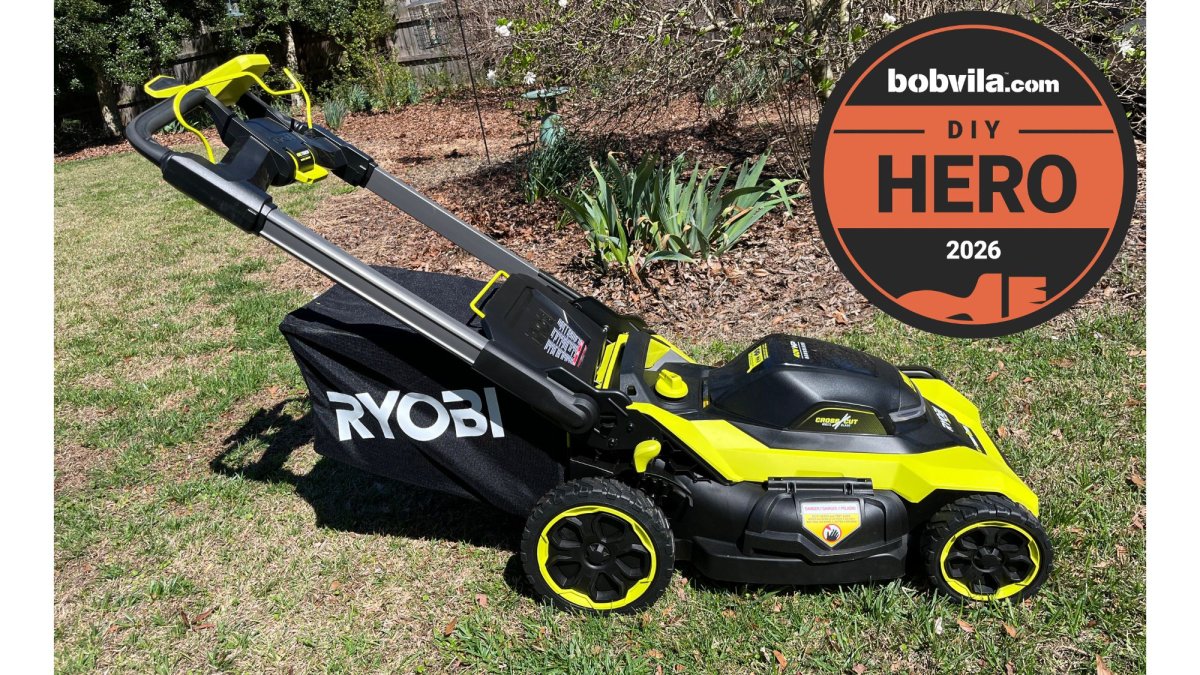
According to manufacturer specifications, this model delivers cutting power equivalent to a heavy-duty 196cc gas-powered lawn mower. More importantly, it stands out as the industry’s sole walk-behind battery-powered mower featuring true, on-demand all-wheel drive.
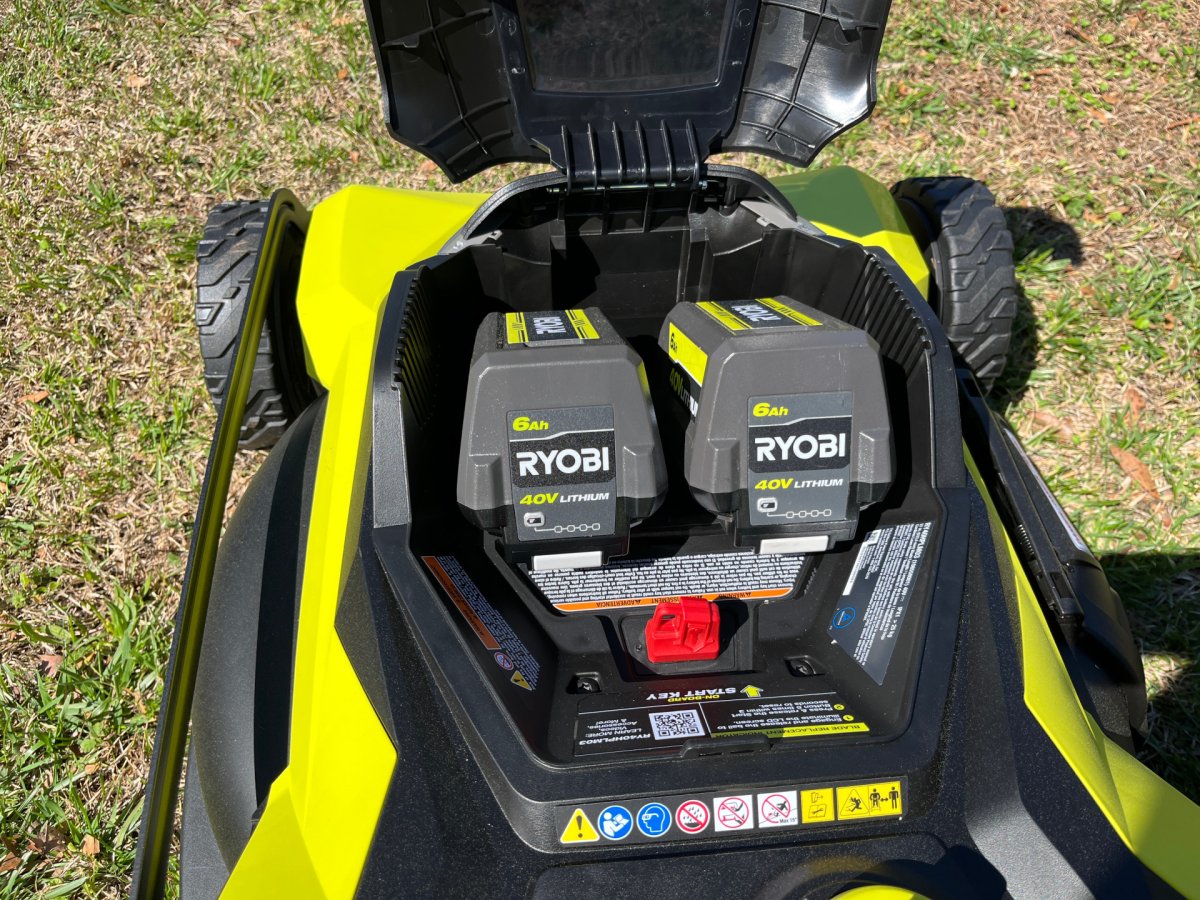
Priced at $859 at major retailers like The Home Depot, the kit comes bundled with two 40-volt 6-amp-hour (Ah) lithium-ion batteries and a rapid dual charger. Designed for residential yards up to 0.75 acres, the mower utilizes a durable 21-inch composite deck housing a multi-blade "Cross Cut" system. After an exhaustive month-long testing phase conducted across diverse terrain, landscaping veteran and product reviewer Mark Wolfe concluded that the mower is a robust mid-tier investment, particularly suited for properties defined by rolling hills, slopes, and uneven turf.
Chronology of the Testing Phase
To evaluate how the Ryobi 40V HP AWD mower handles real-world conditions, reviewers subjected the unit to a rigorous, month-long testing protocol across a challenging half-acre residential property featuring moderate to steep slopes, persistent tree roots, and stubborn garden borders.
Week 1: Unboxing, Assembly, and Baseline Setup
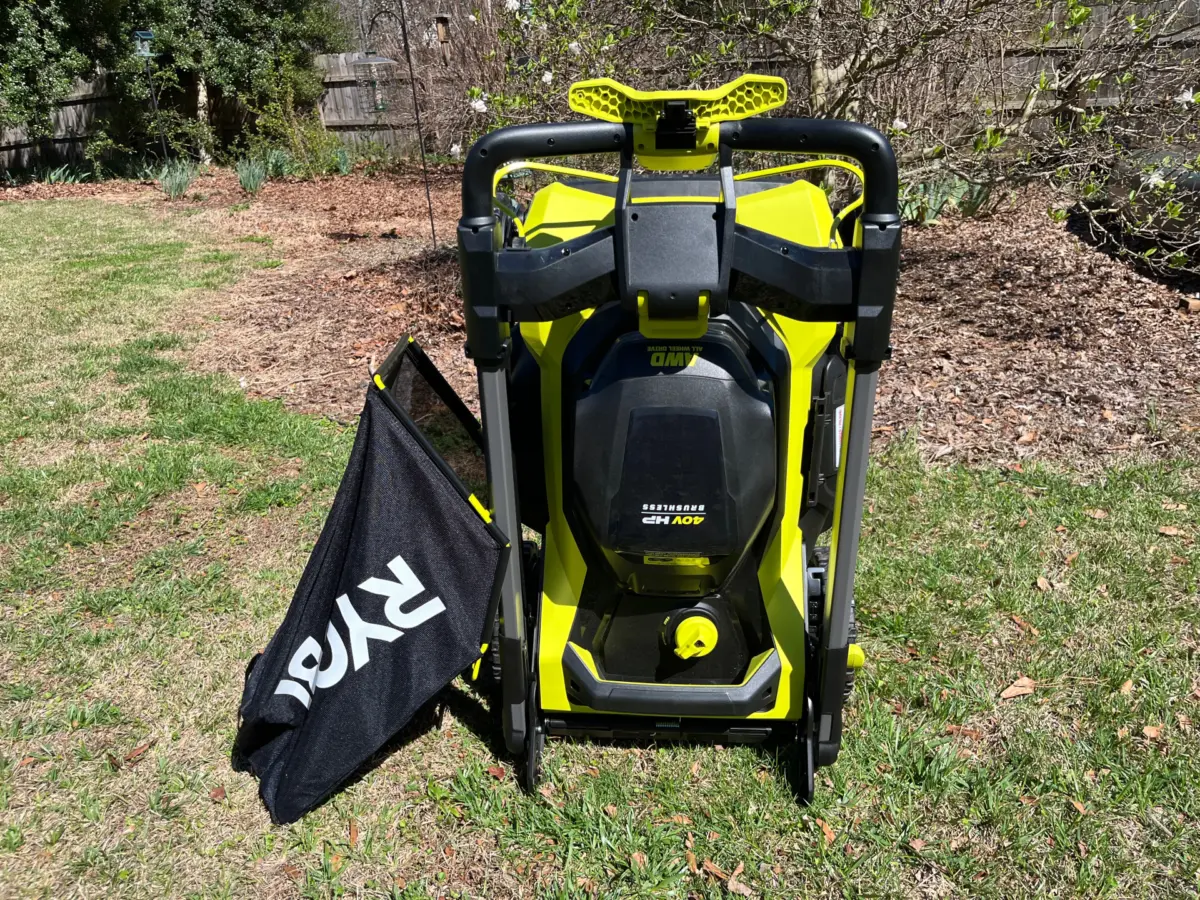
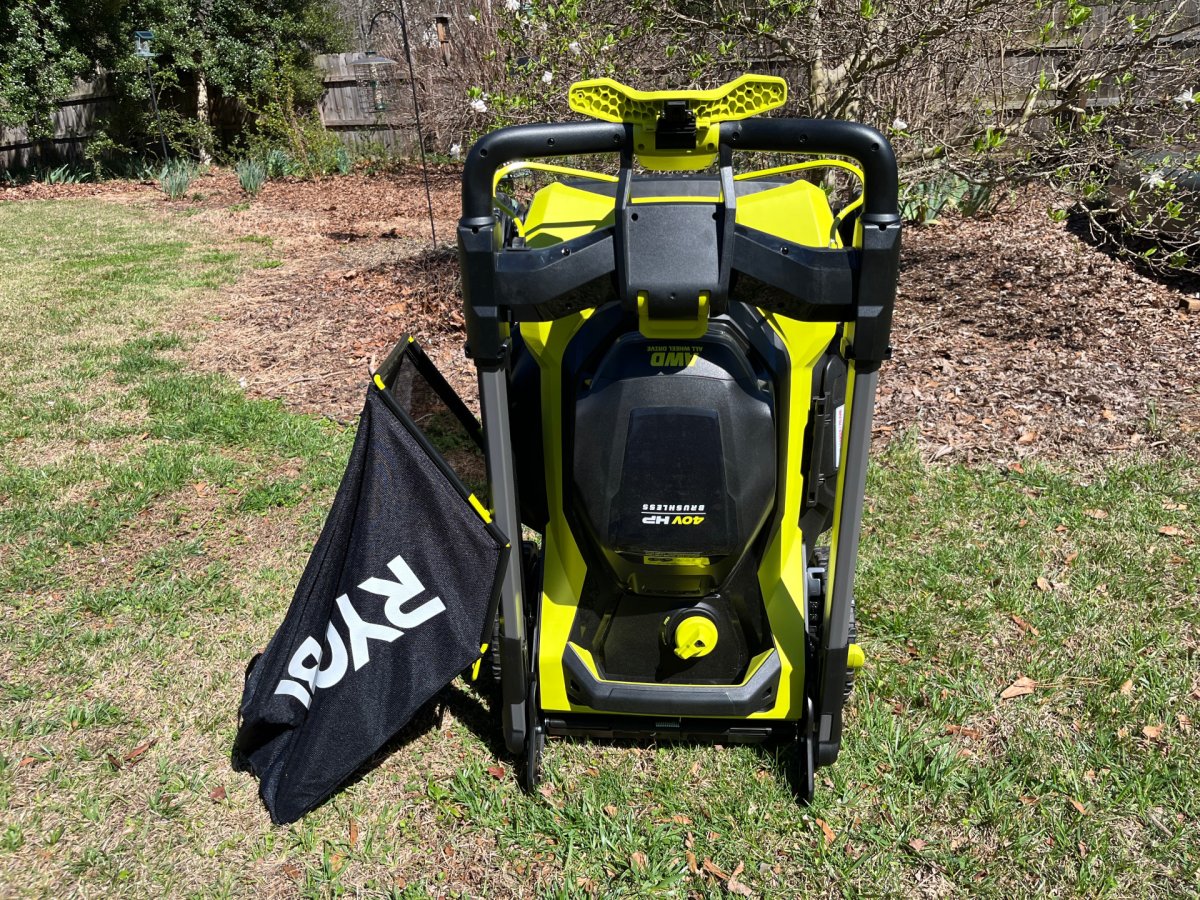
The evaluation began with unboxing the kit, which includes the mower chassis, the foldable handle assembly, the rear bagger, a discharge chute, two 6-Ah batteries, and the rapid charger. Testers noted that assembly was virtually tool-free and intuitive, leveraging quick-release levers for the handle. The initial charge of both 40V batteries took approximately 120 minutes using the rapid charger—aligning with Ryobi’s performance metrics.
Weeks 2 and 3: Routine Maintenance and Adverse Weather Simulations
Over the next fortnight, the mower was tested under varied moisture and length conditions. Testers mowed lawns in early morning dew, during dry afternoon heat, and following a two-week neglect period that left grass significantly overgrown.
- Wet Grass Performance: Operating on the default rear-wheel-drive setting with optional AWD toggled on, the machine maintained traction on slippery morning slopes without slipping or tracking off-course.
- Overgrown Turf: When confronted with grass standing inches above normal maintenance heights, the mower engaged its "Turbo" mode, slicing through thick vegetation without choking or bogging down.
Week 4: Stress Testing and Off-Label Applications
In the final week of testing, the mower was pushed beyond standard turf maintenance. Reviewers used it to clear out a large perennial garden filled with a 50-50 mix of dense, 12-inch-tall brown winter stems and emerging tender broadleaf foliage—a job typically reserved for heavy-duty brush cutters. With the deck raised to its highest setting and the mulch plug engaged, the mower processed the dense biomass cleanly, leaving behind an evenly mulched protective layer of organic debris.
Supporting Data and Technical Specifications
Understanding how the Ryobi 40V HP AWD mower stacks up against traditional gas options and competing battery platforms requires a close look at its engineering specifications and operational metrics:
- Motor Type: Brushless 40-Volt high-performance motor.
- Gas Equivalent: 196cc internal combustion engine power output.
- Deck Size & Material: 21-inch composite deck designed to resist rusting and reduce overall weight.
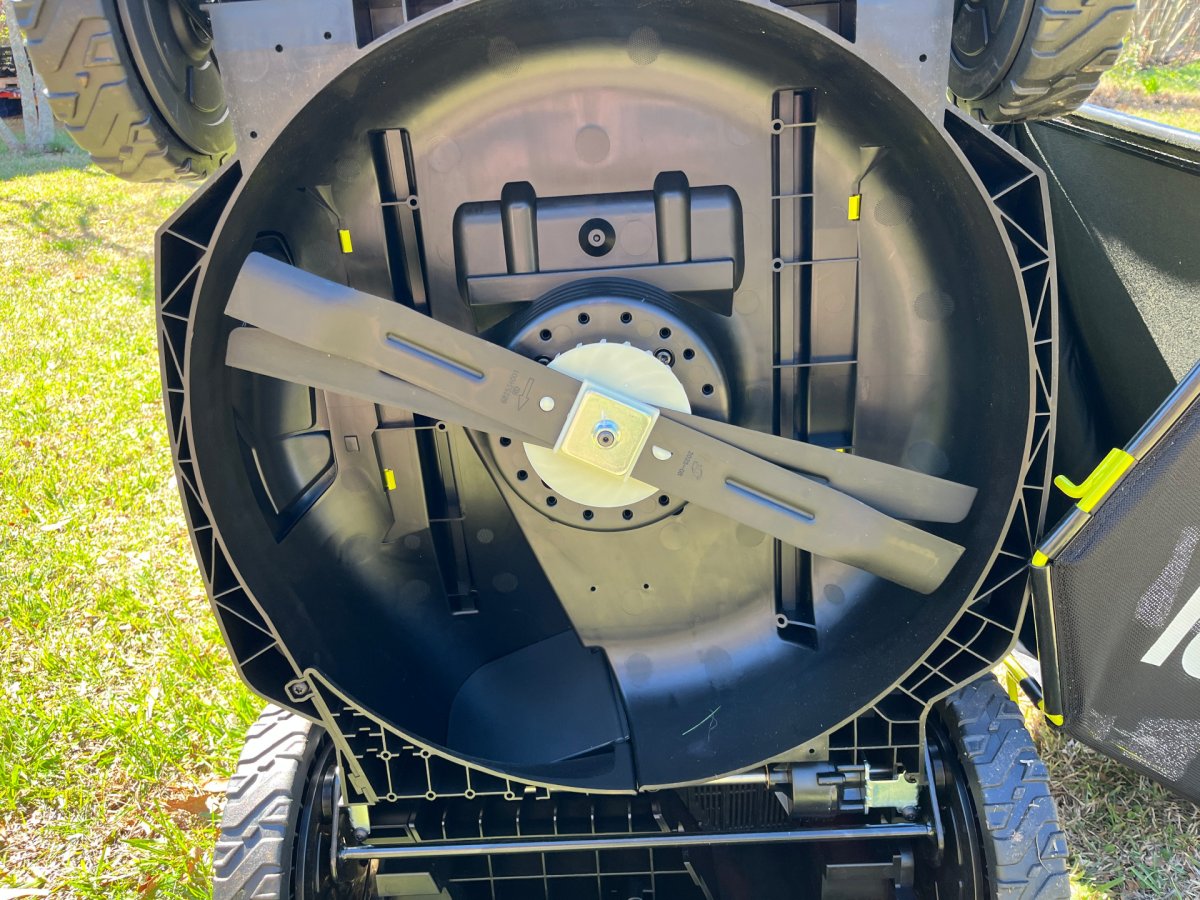
- Cutting System: Multi-blade "Cross Cut" architecture for superior mulching and bagging efficiency.
- Drive System: On-demand All-Wheel Drive (AWD) with a default rear-wheel-drive energy-saving baseline.
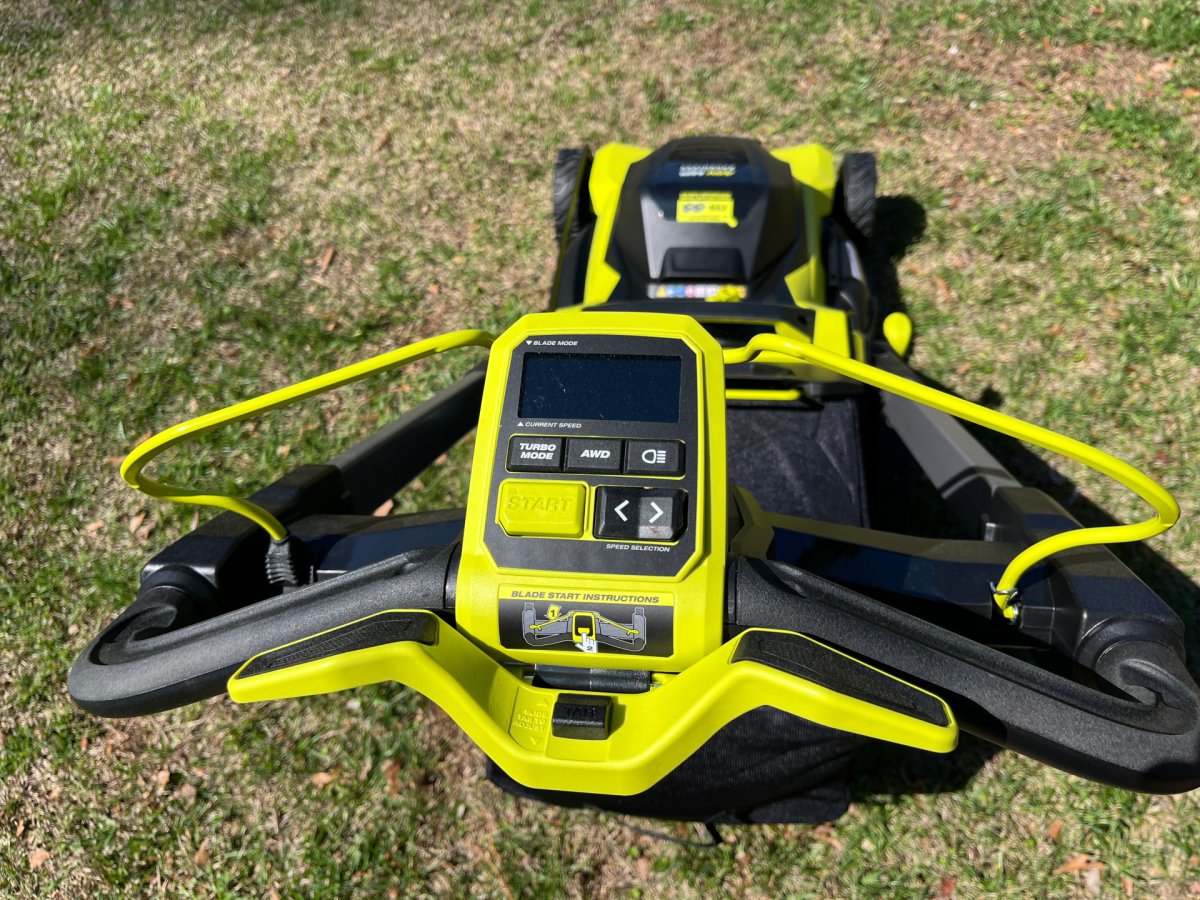
- Speed Control: Adjustable top-end speed capping at 4 miles per hour, paired with pressure-sensitive real-time thumb paddles.
- Power Source: Dual 40V 6-Ah lithium-ion batteries delivering up to 75 minutes of total runtime under optimal conditions.
- Charging Time: Approximately 120 minutes for a full recharge of both batteries via the included rapid charger.
- Retail Price: $859 (bundled with two batteries and a charger).
Performance data gathered during field tests indicated that while routine maintenance mowing easily hits the 75-minute runtime ceiling, engaging Turbo mode continuously while handling overgrown, wet grass accelerates battery depletion.
Official Claims vs. Real-World Findings
Ryobi’s marketing asserts two major selling points for the RY40HPLM03K2 model: gas-equivalent 196cc power and industry-first battery-powered all-wheel-drive mobility. Field testing corroborated these assertions with minor operational caveats.
Power and Cutting Efficacy
Testers confirmed that the brushless motor successfully mimics the torque and blade tip speed of a mid-to-high-tier gas mower. Even when loaded with wet, heavy clippings or hacking through dense perennial growth, the motor’s automatic load-sensing technology adjusted output seamlessly without stalling.
Traction and Maneuverability
The standout engineering achievement is the on-demand AWD system. Traditional self-propelled mowers frequently spin out or lose traction when climbing wet inclines or navigating around hidden tree roots. By flipping a handlebar toggle to engage the front wheels, operators experienced zero hesitation or slippage on steep grades. Furthermore, the pressure-sensitive thumb paddles offered a smooth, progressive acceleration curve, eliminating the sudden, jarring jolts common to older self-propelled designs.
Interface and Controls Critique
Not all features received unreserved praise. The control center situated at the top of the handle houses an informative LCD screen displaying battery status and estimated blade health, alongside buttons for headlights, drive mode, and turbo speed. However, reviewers pointed out a slight ergonomic redundancy: operators must select a maximum speed ceiling using a dial and modulate pressure on the thumb paddles. Industry analysts suggest future iterations would benefit from combining these parameters into a single, streamlined input method.
Implications for the Residential Lawn Care Market
The arrival of the Ryobi 40V HP AWD mower highlights broader shifts within the consumer outdoor power equipment sector. As municipal gas-powered equipment bans expand and battery technology matures, homeowners are demanding alternatives that require zero engine maintenance—no oil changes, spark plugs, or fuel mixing—without sacrificing the muscle needed to manage rugged terrain.
1. Mainstreaming All-Terrain Battery Mowers
Historically, electric mowers were viewed as fragile tools reserved for flat, manicured suburban lawns. By successfully incorporating a reliable, switchable all-wheel-drive system into a 40V platform, Ryobi has demonstrated that battery-powered units can tackle rural, sloped, and uneven landscapes previously dominated by commercial-grade gas equipment.
2. Pricing and Value Proposition
At $859, the Ryobi kit occupies a competitive middle ground. While significantly more expensive than entry-level corded or low-voltage cordless mowers, it undercuts high-end professional ecosystem platforms (such as Ego Power+ or commercial Toro units) while offering comprehensive bundled value—including two high-capacity 6-Ah batteries and a rapid charger. For suburban and semi-rural homeowners looking to convert their entire garage to a single battery ecosystem, this pricing strategy makes the transition financially accessible.
3. Sustainability and User Comfort
Beyond zero direct carbon emissions during operation, the psychological and physical benefits for homeowners are substantial. The absence of loud engine noise and noxious fumes transforms the chore of lawn maintenance. Furthermore, features such as the fold-flat handle for vertical storage, integrated LED headlights for low-light conditions, and a sturdy single-point height-adjustment lever elevate the user experience, signaling that electric tools have fully surpassed gas mowers in terms of ergonomic innovation.
