

Sleek, durable, and timelessly stylish, stainless steel sinks remain the undisputed gold standard for modern home kitchens. Homeowners and interior designers alike revere them for their exceptional heat resistance, hygienic qualities, and versatile aesthetic that seamlessly complements everything from minimalist industrial lofts to cozy farmhouse kitchens.
However, despite their rugged reputation, stainless steel sinks are not completely invincible. While the material is certainly tough, it is not indestructible. Everyday maintenance habits—often well-intentioned and practiced routinely—can inadvertently strip away the metal’s critical protective layer. Over time, this leads to irreversible dullness, unsightly scratches, persistent water spots, and even structural corrosion.
To help homeowners protect their kitchen investments, leading residential cleaning professionals have identified the three most destructive mistakes people make when cleaning stainless steel sinks, along with the proper, industry-approved techniques to keep them looking brand-new for decades.
Main Facts: Unmasking the Vulnerability of "Indestructible" Metal
The enduring appeal of stainless steel lies in its unique chemical composition. It is an alloy primarily composed of steel combined with a minimum of 10.5 percent chromium. When exposed to oxygen, this chromium reacts instantly to form a microscopic, invisible, and self-healing barrier known as the passive chromium oxide layer. This shield is what prevents the underlying iron from oxidizing, rusting, and corroding when exposed to water and air.
Despite this remarkable science, this protective passive layer is remarkably thin—often measuring only a few nanometers thick. When subjected to harsh abrasives, corrosive chemicals, or prolonged moisture, the barrier can be permanently compromised. Once breached, the exposed base metal becomes highly susceptible to pitting, discoloration, and rapid bacterial colonization.
According to industry veterans, the vast majority of sink damage is entirely man-made, resulting from incorrect cleaning techniques rather than manufacturing defects or normal dishwashing usage.
Chronology: The Slow Decline of a Kitchen Workhorse
To understand how a pristine kitchen sink transforms into a dull, scratched, and rust-spotted basin, cleaning specialists outline a typical timeline of degradation:
- Phase 1: The Micro-Scratched Surface (Months 1 to 6). The homeowner begins using scouring pads or powdered cleansers to tackle tough messes. While these tools make the sink look clean initially, they physically shear away the microscopic chromium oxide layer. The metal is now thinner and more vulnerable in those specific spots.
- Phase 2: Chemical Etching and Chemical Degradation (Months 6 to 12). Acidic foods, such as tomato sauce, citrus juices, or coffee grounds, are left sitting in the basin overnight. Because the protective layer has been thinned by past scrubbing, the acid penetrates the metal, leaving permanent dark spots, etching, and localized pitting.
- Phase 3: The Onset of Galvanic Corrosion and Rust (Year 1 and Beyond). Damp cast-iron skillets, steel utensils, or wet metal sponges are left overnight on the stainless steel surface. This triggers a chemical reaction between two dissimilar metals (galvanic corrosion), leading to stubborn orange rust rings, deep-set mineral deposits from hard water, and a chalky white film that resists standard washing.
Supporting Data and Expert Insights: What the Pros Want You to Know
To better understand how these mistakes happen, cleaning authorities have shared real-world observations from hundreds of residential service calls.
1. The Danger of Abrasive Cleaners and Scouring Pads
"Steel wool, scouring pads, and powdered cleansers like Comet or Ajax scratch the protective chromium oxide layer on the surface of the sink," says Dima Orlov of Dima Apartment Cleaning Service Long Island City in New York. Her cleaning crews service hundreds of kitchens across the metropolitan area, and damage to stainless steel sinks is among the most frequent issues they encounter.
"Once that layer is compromised, the metal underneath is exposed and far more vulnerable to rust, pitting, and discoloration," Orlov explains. "Those microscopic scratches also become ideal traps for food particles and bacteria, making the sink progressively harder to keep clean over time."
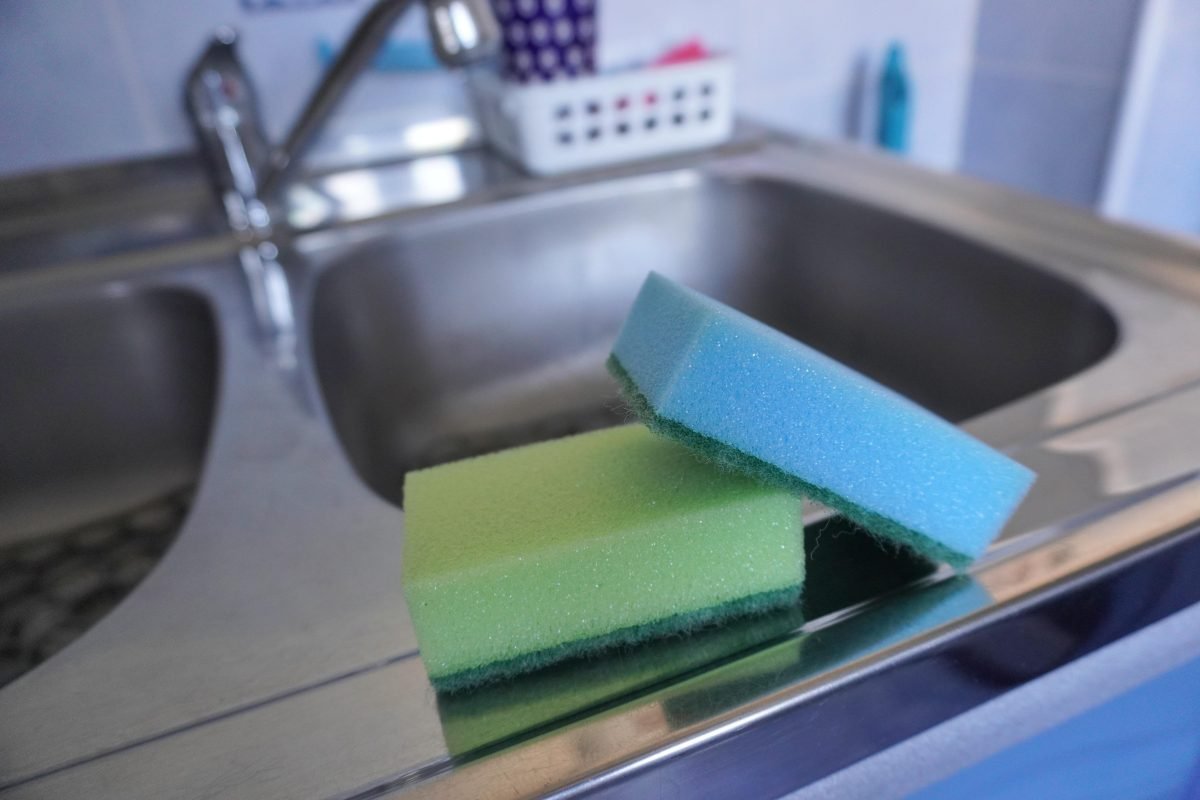
The Professional Alternative: Orlov strongly recommends ditching harsh scrubbers in favor of non-abrasive sponges, microfiber cloths, or soft-bristle brushes. For stubborn, stuck-on food, patience is key. Let warm, soapy water sit in the basin for a few minutes to loosen the debris naturally rather than applying brute force. If an aggressive tool is truly necessary, opt for a gentle nylon-backed sponge—and never, under any circumstances, allow steel wool anywhere near the sink.
2. The Perils of Acidic Residues and Harsh Chemicals
It is not just physical tools that damage stainless steel; chemical exposure can be equally devastating.
"Acidic foods like vinegar, lemon juice, tomato sauce, wine, coffee grounds, and salty leftovers are highly corrosive to stainless steel," warns Orlov. "Leaving them to sit—even overnight—can etch the surface and leave dark spots or pitting that no amount of polishing will remove."
Harsh chemical disinfectants present an even greater threat. "This is due to the fact that chlorine destroys the protective passive layer on all stainless steel products," explains Iryna Balaban, cleaning specialist, CEO, and co-founder of Sunlight Cleaning in New York City. Repeated exposure to bleach, ammonia, and chlorine-based cleaners rapidly degrades the sink’s factory finish.
The Professional Alternative: Balaban advises cleaning sinks using mild dish soap, warm water, or a gentle paste of baking soda and water applied with a soft cloth. Crucially, homeowners must ensure all cleaning residues are thoroughly rinsed away before drying the surface. For acidic or salty messes, immediate rinsing prevents chemical etching.
3. The Menace of Standing Water and Galvanic Corrosion
Water management is another critical factor in preserving stainless steel. Standing water—particularly hard water laden with calcium and magnesium—leaves behind mineral deposits that dry into white spots and eventually form a dull, chalky film.
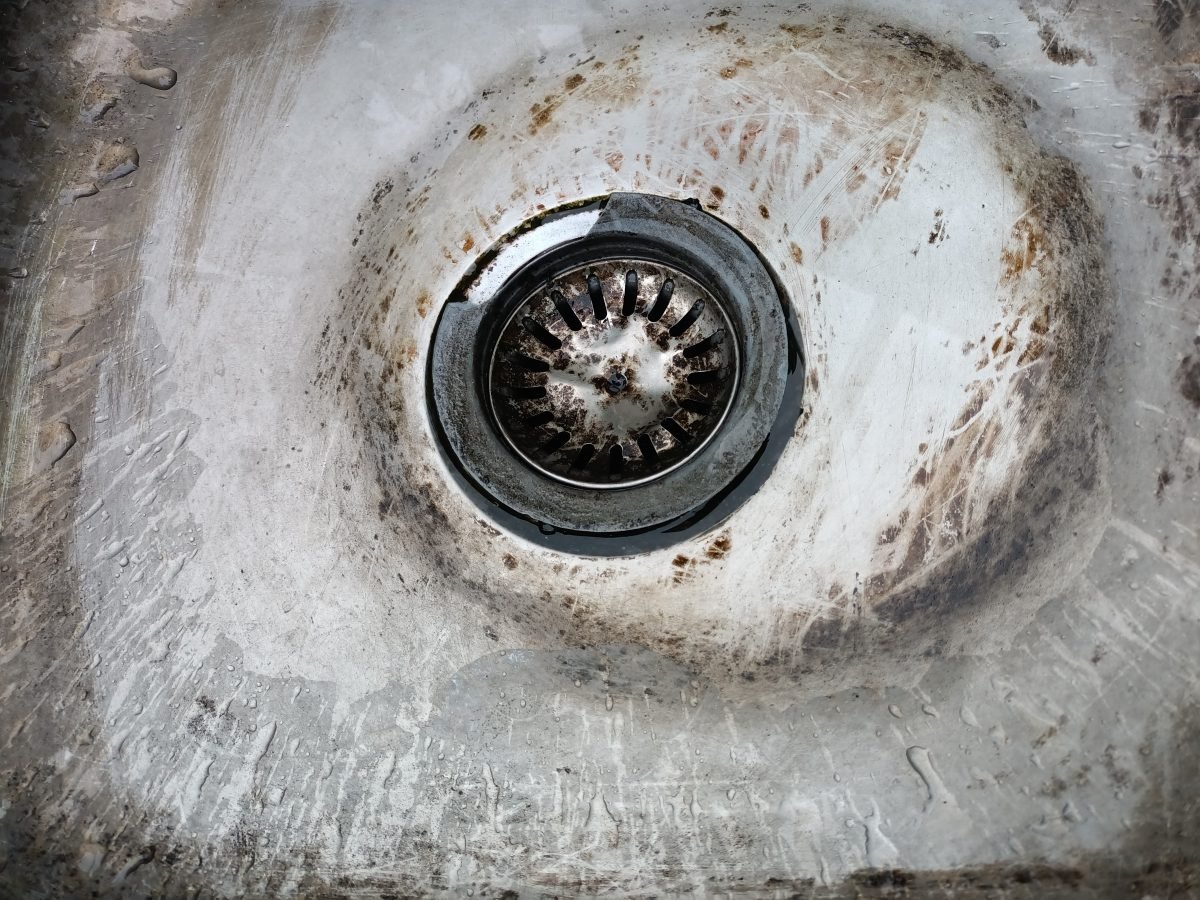
"Left long enough, trapped moisture in the corners and around the drain can lead to rust rings and pitting," Orlov notes.
Balaban highlights an additional hazard: "When you leave damp cast iron or metal utensils in the sink, you run into the problem of hard orange rust residue, along with the potential for galvanic corrosion to develop as the two differing metals come into contact and start to chemically react."
The Professional Alternative: To break this cycle, professionals advise drying all cookware immediately after washing and never leaving wet metal objects sitting on a stainless steel surface overnight. Additionally, homeowners should remove damp sponges, scrubbers, and dish drainers from the basin to allow adequate airflow.
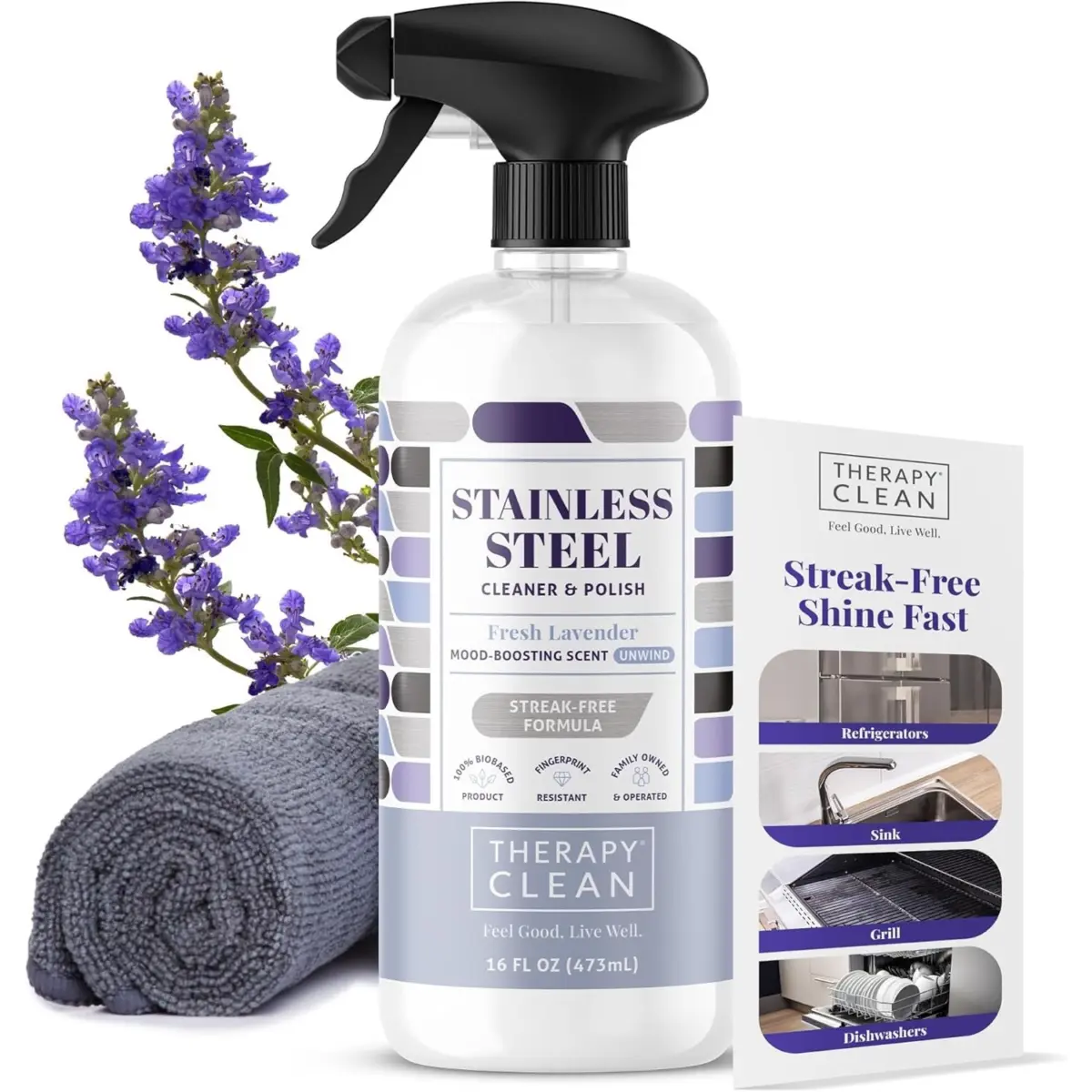
As a maintenance schedule, Orlov suggests a weekly wipe-down with mild dish soap and a monthly application of a dedicated stainless steel polish—such as the top-rated Therapy Stainless Steel Cleaner Kit, which utilizes natural coconut oil to clean, shine, and protect surfaces—to maintain a brilliant luster and restore the protective barrier.
Official Recommendations and Best Practices
To summarize industry standards, cleaning professionals recommend adhering to a specific protocol when maintaining stainless steel:
- Always Clean with the Grain: "Always clean with the grain of the stainless steel, not against it," Orlov advises. "Following the direction of the brushed finish hides light marks and prevents cross-grain scratching that shows up badly under light."
- Dry Thoroughly: Always wipe the basin dry with a microfiber cloth after use to prevent hard water spots and mineral buildup.
- Use the Right Polish: Invest in a dedicated, pH-balanced stainless steel cleaner once a month to replenish surface oils and add an extra layer of defense against moisture and fingerprints.
Implications for Modern Homeowners
The financial and aesthetic implications of improper sink maintenance are substantial. A high-end stainless steel kitchen sink is a significant investment, often costing hundreds—if not thousands—of dollars when factoring in professional undermount installation and plumbing reconfiguration.
When homeowners unknowingly ruin their sinks through aggressive scrubbing or chemical exposure, the damage is often permanent, necessitating expensive professional resurfacing or outright replacement. By shifting away from destructive cleaning habits and adopting gentle, science-backed maintenance routines, homeowners can drastically extend the lifespan of their kitchen fixtures, preserve their home’s resale value, and ensure their kitchen remains both hygienic and visually stunning for years to come.
