

Main Facts: The Pendulum Swings Back to Comfort and Texture
For the better part of a decade, contemporary interior design was defined by a quiet, often austere standoff. In bedrooms and living rooms alike, a minimalist purity reigned supreme. Much like high-fashion devotees committing entirely to the color black, interior enthusiasts made a virtue of restraint. They stripped away layers, edited down their cushions, and embraced what design critics have dubbed the "unipillow"—a lone, utilitarian sleep pillow perched rigidly atop an unadorned mattress.
It was a look that prioritized visual geometry over tactile warmth, leaving many bedrooms feeling more like sterile boutique hotel showrooms than sanctuaries of rest. But as interior designers look ahead to the 2027 home decor forecasts, the verdict is officially in: the pendulum has swung. The era of extreme subtraction is over, and throw pillows are staging a major, layered comeback.
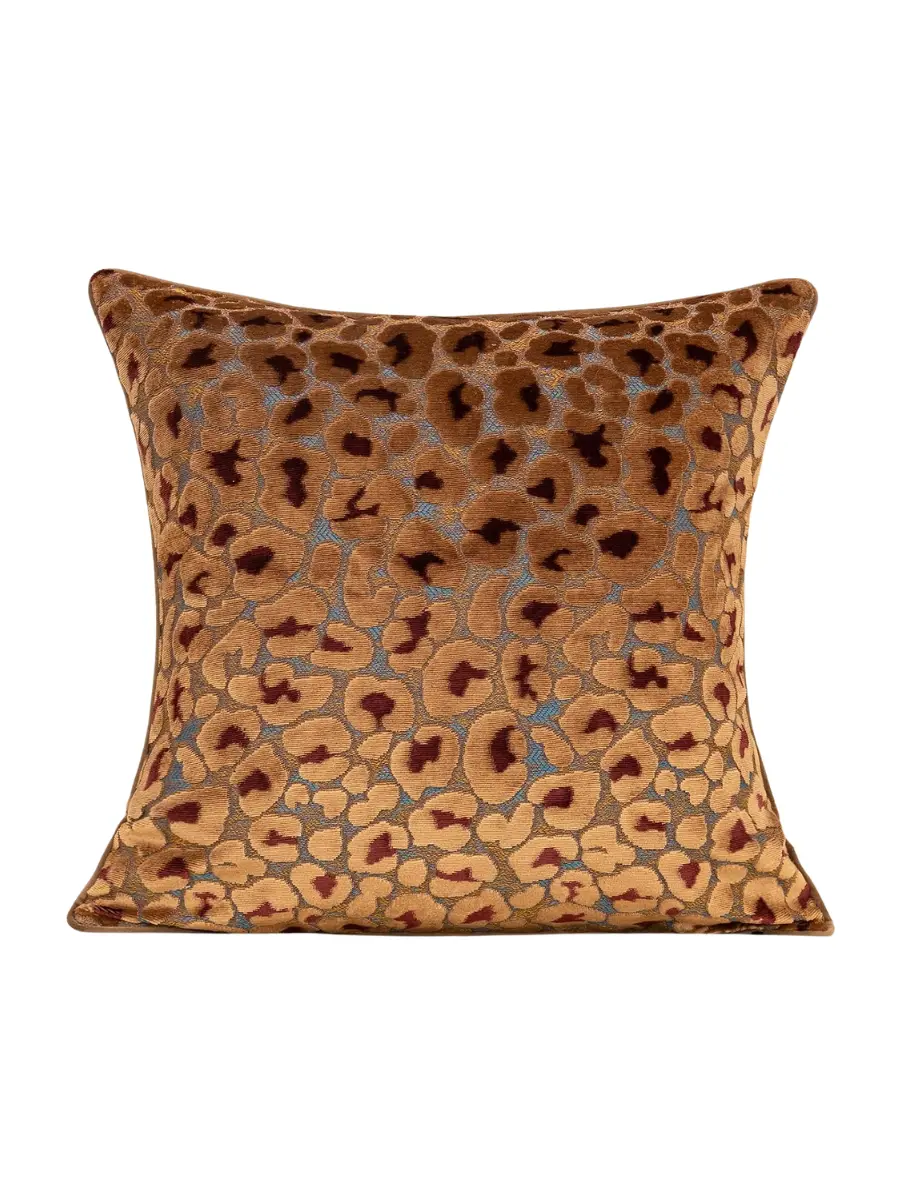
This resurgence is not a return to the chaotic, twelve-deep pillow arrangements of the early 2000s, which often required an engineering degree just to clear the bed at night. Instead, contemporary design is championing a curated, tactile abundance—typically featuring collections of four to six cushions crafted from rich, organic materials like washed linen, supple leather, and heavy velvet. Accented with artisanal embroidery, unexpected geometry, and whimsical motifs (fittingly timed with nods to the Year of the Horse), modern styling invites homeowners to prioritize physical comfort without sacrificing sophistication.
Chronology: From the Maximalist Excess of the 2000s to the 2027 Renaissance
To understand the current pivot toward pillow-stacking, it is helpful to trace the evolution of the modern bedscape over the last twenty-five years:
- The Early 2000s (The Era of Abundance): The turn of the millennium favored heavy ornamentation. Beds were routinely stacked with euro shams, standard pillows, decorative bolsters, and breakfast cushions, often numbering a dozen or more per bed.
- The Mid-2010s (The Rise of Minimalism): As Scandinavian design philosophies and the "less is more" ethos took hold, bedrooms began to shed excess weight. Clutter was out; clean lines and stark white duvets were in.
- The Late 2010s to Early 2020s (The "Unipillow" Standoff): Minimalism curdled into a competitive aesthetic purity. Social media feeds celebrated ultra-spare sleep spaces featuring a single, solitary pillow. Comfort frequently took a back seat to architectural starkness.
- The 2024–2025 Transition (The Search for Softness): Post-pandemic lifestyle shifts prompted homeowners to view their living spaces less as galleries and more as functional havens. A collective fatigue with sterile interiors began to set in, paving the way for a return to texture and color.
- The 2027 Outlook (The Curated Pile): Leading interior forecasting bodies and style editors confirm that layered bedding and expressive decorative pillows are officially back. The focus is no longer on how much you can strip away, but rather on how artfully you can blend textiles, patterns, and shapes to create an inviting, lived-in atmosphere.
Supporting Data: The Shift in Consumer Home Spending
Market trends and consumer behavior reflect a broader cultural rejection of sterile design. According to recent retail analytics in the home furnishings sector:
- Rise in Textile Investments: Sales of textured home textiles—specifically heavy linens, patterned velvets, and artisanal woolens—have seen a steady quarterly increase, indicating that consumers are actively updating their soft furnishings.
- The Digital Shopping Surge: Major retail events, such as Amazon Prime Day and dedicated home sales, report record searches for decorative pillow covers, asymmetrical cushions, and embroidered throws. Shoppers are increasingly looking for affordable ways to inject personality into neutral rooms.
- Evolving Bedroom Priorities: Consumer surveys reveal a significant shift away from "show-home" aesthetics toward wellness-oriented interiors. Over 65% of respondents noted that physical comfort and sensory warmth (such as soft fabrics and tactile cushions) are now their primary considerations when updating a bedroom, outranking pure visual minimalism.
Official Responses and Expert Perspectives
Interior designers and style editors are welcoming the departure from the unipillow era with palpable relief.
"For too long, we penalized ourselves in the name of modernism," notes a leading trend forecaster specializing in residential interiors. "A bedroom is, fundamentally, a place for sleeping and emotional decompression. When you strip a room down to its bare architectural bones in pursuit of a photographic aesthetic, you lose the humanity of the space. The return of the throw pillow is an acknowledgement that homes should be soft, forgiving, and deeply personal."
Style editors point out that the modern approach to pillow-stacking is entirely different from the overwhelming displays of twenty years ago. "It’s not about recreating a hotel bed that takes ten minutes to dismantle every night," explains a prominent decor editor. "It is about curating a thoughtful mix of four to six pieces that introduce tactile diversity—combining smooth leather with washed linen, or adding a touch of whimsy with embroidered motifs and unexpected shapes. We spent years denying ourselves pattern, fringe, and playfulness. It’s time to bring that joy back into our living spaces."
Implications: What the Pillow Revival Means for Modern Living
The resurgence of the throw pillow extends far beyond mere home decor trends; it speaks to a broader cultural shift in how we inhabit our personal spaces.
1. The Death of the "Showroom" Home
For years, digital culture encouraged a homogenized aesthetic where homes looked pristine, untouchable, and ultimately impersonal. By reintroducing layered textiles and eclectic decorative accents, homeowners are reclaiming their spaces as zones of comfort rather than exhibits for social media.
2. Sustainable, Strategic Decorating
Rather than undergoing expensive home renovations, consumers are utilizing soft furnishings as a high-impact, low-waste method to refresh their interiors. Swapping out pillow covers allows individuals to experiment with emerging trends—such as artisanal embroidery, rich jewel tones, and tactile velvets—without committing to permanent structural changes.
3. Prioritizing Sensory Well-Being
Ultimately, the end of the unipillow standoff symbolizes a deeper commitment to domestic well-being. Interiors are increasingly being designed around how they feel rather than solely how they look. By welcoming back warmth, pattern, and texture, the modern bedroom is reclaiming its status as the ultimate personal sanctuary.
