


By Home & Real Estate Investigative Desk
Published: October 2026
Main Facts: The Hidden Language of Your Windows
At first glance, wiping away a mysterious smudge, a patch of morning moisture, or a dusting of wood particles from a windowsill feels like a minor household chore. It provides an immediate sense of accomplishment—a quick victory in the endless battle for domestic cleanliness. However, home improvement and restoration specialists are warning homeowners to pause before reaching for the paper towels and glass cleaner.
That casual wipe could be destroying critical forensic evidence.
According to leading structural contractors and pest control experts, what appears to be simple surface grime is often a distress signal. Unexplained window markings, persistent condensation, fine wood particles, and localized staining frequently point to severe underlying structural failures, water intrusion, or aggressive wood-destroying insect infestations. Rather than instantly cleaning these anomalies away, homeowners are advised to treat them as early-warning diagnostics that require immediate investigation rather than cosmetic cover-ups.
Chronology: From First Symptom to Catastrophic Failure
Understanding how a minor window blemish evolves into a five-figure home repair requires looking at the timeline of structural neglect:
- Phase 1: The Initial Manifestation (Weeks 1 to 4)
A subtle visual cue appears—a faint ring of condensation that doesn’t clear by noon, a tiny pile of material resembling sawdust on a sill, or a slight discoloration in the corner of a drywall frame. To the untrained eye, it is just dust or seasonal humidity. A quick wipe resets the timeline, hiding the symptom while the root cause continues unchecked. - Phase 2: The Acceleration Period (Months 2 to 6)
Behind the drywall, window framing, or sealed glass unit (IGU), the environment worsens. If the issue is moisture, wood-rotting fungi begin to colonize the cellulose in the lumber. If it is pests, carpenter ants or beetles expand their galleries, hollowing out the structural headers that support the window frame. Condensation continuously pools into the wall cavity, degrading insulation and framing materials. - Phase 3: Material Breakdown and Compromise (Months 6 to 12)
The paint or finish on the window sill begins to bubble or peel. The glass unit permanently fogs up as the perimeter seal gives way completely under thermal stress. The wood around the sill feels spongy or hollow when pressed. At this stage, structural integrity is compromised, and simple maintenance is no longer an option. - Phase 4: Structural Failure and Intervention (Year 1 and Beyond)
The window frame shifts, jams, or leaks during heavy rain. Mold spreads into living spaces, potentially impacting indoor air quality and triggering health concerns. Homeowners are suddenly faced with expensive remediation: full window replacements, structural header reconstruction, professional mold mitigation, and extensive pest extermination.
Supporting Data and Expert Insights: What the Pros Want You to Know
To unpack the risks associated with premature cleaning, we consulted industry veterans who deal with window-related structural failures daily.

1. Condensation on Windows: The Humidity Trap
"Condensation on the inside of windows often points to high humidity in the home," notes Constantine Anest, owner of Ethos Roofing and Restoration in Denver, Colorado. While wiping the glass clears the view, it ignores the fluid dynamics at play. "If you don’t wipe it away, water can run down onto the frame and sill, and over time, that moisture can damage the finish and lead to mold," Anest explains.
Anest advises homeowners to monitor indoor atmospheric conditions using a hygrometer—an affordable tool used to track relative humidity levels. Furthermore, persistent condensation on a single window—while others in the same room remain clear—often points to localized failures, such as compromised weatherstripping or substandard initial installation.
2. The Sawdust Illusion: Pests at Work
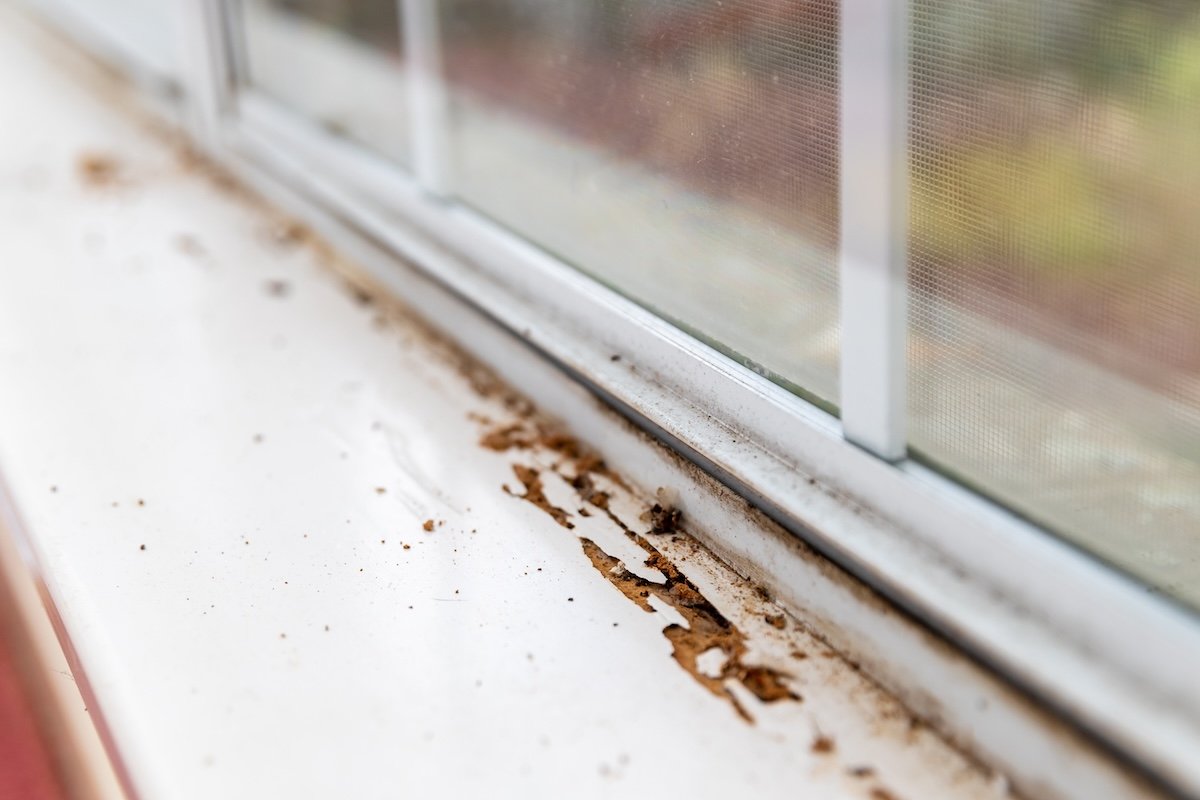
Finding small piles of material that look like sawdust near a window frame can easily be mistaken for tracked-in dirt or drywall dust from a nearby project. However, this is frequently frass or excavation debris left behind by wood-boring insects.
"Check where the particles are coming from and look for holes in the wood or signs of insects," Anest urges. Wood-boring beetles, carpenter ants, and carpenter bees target window frames because moisture frequently compromises the wood around openings, making it softer and easier to bore into. Ignoring the piles and simply vacuuming them up allows colonies to multiply undetected inside load-bearing structures.
3. Fog on the Glass: Seal Failure in Insulated Units
When visibility is obscured by a cloudy haze that defies both interior and exterior glass cleaning, the problem isn’t on the surface—it’s trapped inside.
"If you’ve cleaned the inside and outside of a window and that cloudy patch is still staring back at you, it’s probably between the panes," says Corbett Proctor, owner of Window World Panama City in Florida. This phenomenon occurs when the hermetic seal of an insulated glass unit (IGU) fails, allowing ambient air and moisture to infiltrate the space between the panes. Proctor recommends evaluating the fog at various times throughout the day; if the hazing remains constant, the IGU has lost its thermal efficiency and requires professional replacement.
4. Dark Staining, Mold, and Mildew
Dark patches, mold spores, or mildew rings around window frames are glaring red flags. Anest emphasizes the importance of diagnostic tracing: "See whether condensation is running down the glass onto those areas. If they’re wet after it rains but the glass is dry, water may be getting in where the window meets the wall."
A critical mistake homeowners make is spraying bleach or commercial mold remover on the surface without fixing the exterior leak. If water continues to infiltrate the building envelope behind the wall, the mold will inevitably return within weeks.
5. Insect Evidence: Wings, Droppings, and Egg Sacs
Windows act as natural light traps, making them prime gathering spots—and graveyards—for flying insects and pests attempting to escape or enter a structure.
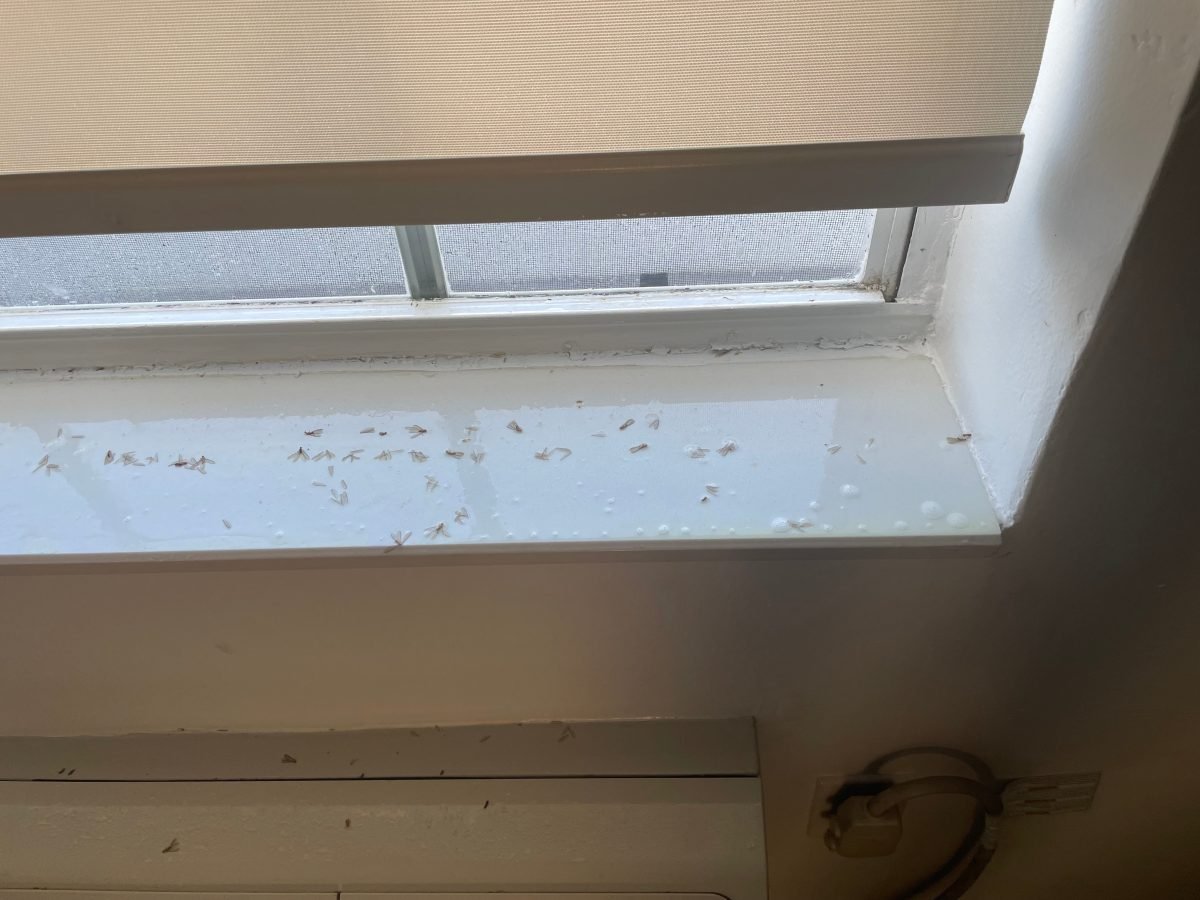
"Many pests leave their ‘marks’ on windows, so checking windows is one of the first things to do when it comes to pest infestation," explains Nicole Carpenter, president of Black Pest Prevention in Charlotte, North Carolina. Finding discarded swarming ant wings, tiny fecal pellets, or clustered web structures on a windowsill should immediately trigger a thorough pest inspection rather than a quick dusting with a feathery duster.
Official Responses and Industry Standards
National building associations and home inspection bodies have increasingly emphasized the importance of building envelope maintenance, specifically regarding fenestration (windows and doors). According to recent guidelines from structural engineering associations, water management around window openings is the single most common point of failure in modern residential construction.
Building code officials note that modern energy-efficient homes are built tight, which successfully reduces utility bills but dramatically increases indoor humidity retention. Without proper mechanical ventilation—such as functioning bathroom and kitchen exhaust fans—modern homes trap moisture that inevitably migrates toward the coldest surfaces in the house: the windows.
Pest control regulatory boards similarly advocate for proactive monitoring. Industry standards dictate that pest exclusion should focus heavily on the perimeter of openings, where gaps in flashing, caulking, and weatherstripping provide easy entry points for subterranean and wood-destroying organisms.
Implications: Financial, Health, and Structural Consequences
The habit of instinctively wiping away window anomalies without investigating their root cause carries significant downstream consequences:
- Escalating Financial Costs: What begins as a free or low-cost fix (investigating a leak or adjusting ventilation) transforms into thousands of dollars in structural remediation when rot, mold, and termite damage are allowed to spread unchecked. Replacing a structural header or dealing with extensive mold abatement is exponentially more expensive than replacing a failed window seal or updating weatherstripping.
- Indoor Air Quality and Health Impacts: Unaddressed mold growth around window frames releases spores into the indoor air supply, potentially exacerbating asthma, allergies, and other respiratory conditions for home occupants.
- Compromised Energy Efficiency: Fogged glass units have lost their inert gas fill (such as argon or krypton) and thermal insulation properties, leading to higher heating and cooling bills. Similarly, deteriorated weatherstripping allows conditioned air to escape, forcing HVAC systems to work harder.
- Loss of Home Value: During a real estate transaction, home inspectors routinely check window frames for signs of moisture staining, rot, and pest activity. Deferred maintenance disguised by routine cleaning is quickly uncovered during home inspections, often resulting in steep buyer concession demands or canceled sales contracts.
Conclusion
Your windows are more than just portals for natural light and views of the neighborhood—they are diagnostic indicators of your home’s overall health. The next time you spot a mysterious smudge of dust, a ring of moisture, or an unexplained pile of fine particles near your window sill, resist the urge to immediately reach for the cleaning rag. Take a closer look, investigate the source, and address the root cause before a minor aesthetic blemish turns into a major structural crisis.
