

Published: October 12, 2026
Author: Valentina Díaz (Adapted by ArchDaily Editorial)
Location: Latin America / Global Architectural Review
Main Facts
In contemporary architectural discourse, color is frequently treated as a superficial afterthought—an arbitrary layer of paint applied to a wall during the final phases of construction to satisfy aesthetic trends or corporate branding guidelines. However, a closer examination of modern and traditional residential spaces across Latin America reveals a vastly different paradigm. Here, color possesses a distinct biography. It is an active agent of material culture, carrying the weight of indigenous traditions, colonial histories, regional climates, and socio-economic shifts.
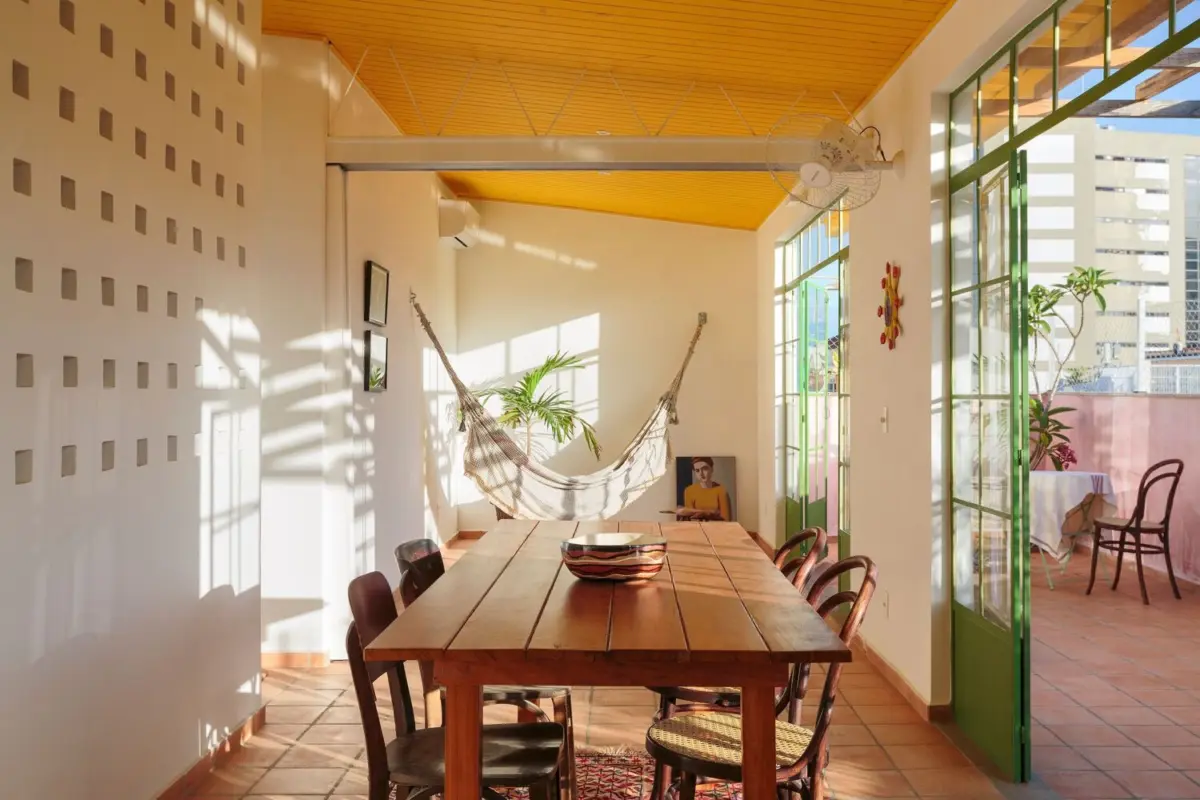
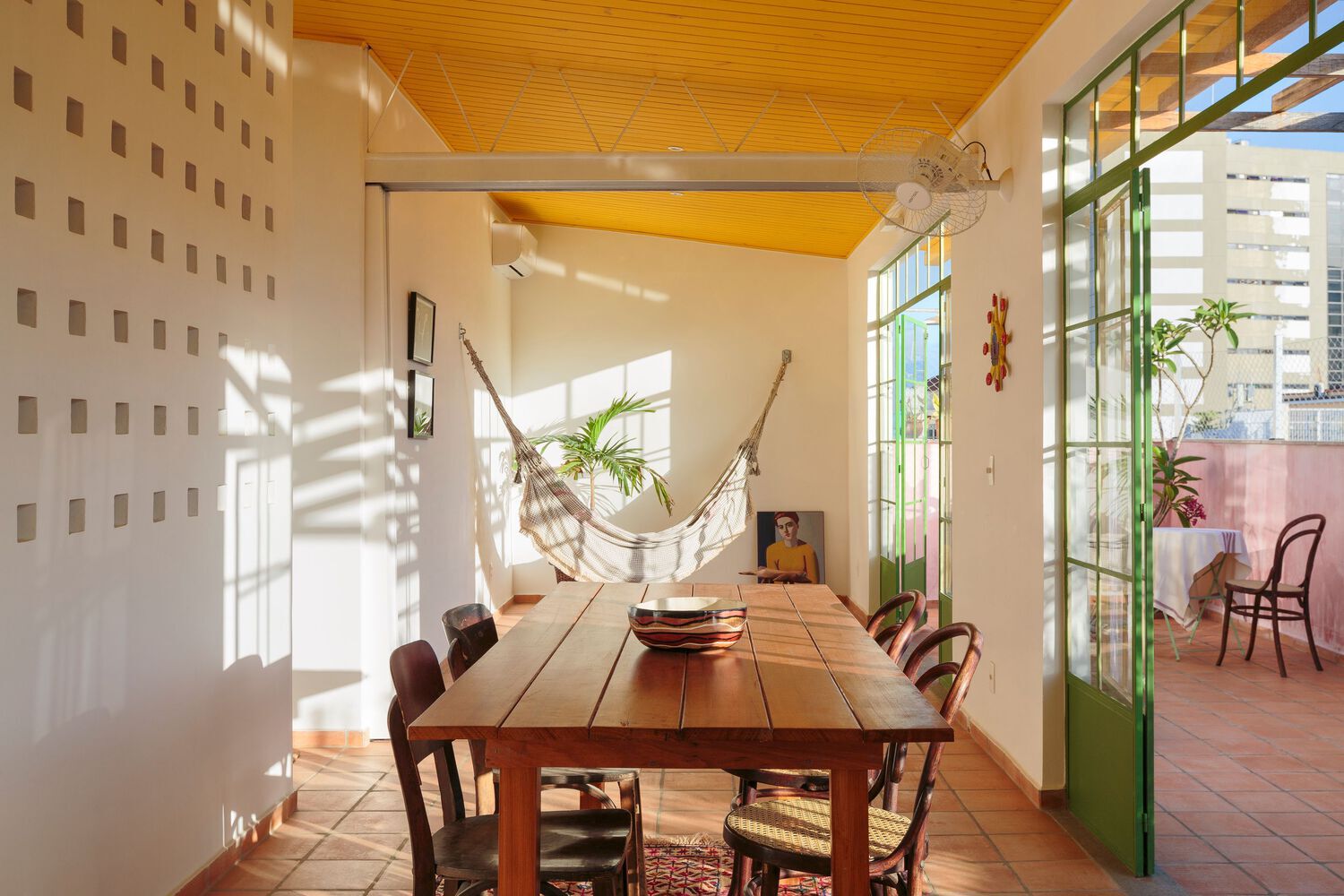
As explored in recent architectural analyses—such as the design frameworks highlighted in projects like the MZNO-designed CL Apartment—colors in Latin American interiors are rarely neutral backdrops. Instead, they operate as living archives. They migrate from local material practices into architectural applications, evolving from utilitarian origins into potent cultural symbols. A specific hue may originate from regional earth pigments, textile dyes, or vernacular lime washes, only to transform over generations as it is absorbed into contemporary urban living.
The interior space serves as the ultimate crucible where these histories converge. Within a room, a color can silently encapsulate the essence of a territory, a specific climate, or a localized history of inhabitation. This presence does not require a deliberate ideological or regionalist intent from the architect; rather, it persists through the deep-seated continuity of materials, building techniques, and everyday ways of living.
Chronology of Color: From Pre-Hispanic Origins to Contemporary Design
To understand the contemporary palette of Latin American interiors, one must trace the evolutionary timeline of how colors have been produced, valued, and re-contextualized across the centuries.
Pre-Hispanic and Indigenous Foundations (Pre-16th Century)
Long before the arrival of European settlers, indigenous populations across Mesoamerica and the Andes developed sophisticated systems of color extraction rooted in their immediate environments.
- The Cochineal Red: Indigenous artisans in Oaxaca mastered the cultivation of the Dactylopius coccus insect living on prickly pear cacti, producing a vibrant, highly coveted crimson dye used in textiles and ceremonial spaces.
- Maya Blue: A revolutionary, chemically stable pigment created by combining an organic dye (indigo) with a unique clay mineral (palygorskite). This striking turquoise-blue possessed extraordinary resistance to aging, weathering, and biological degradation, gracing mural paintings and ritual interiors.
- Earth Pigments: Ochres, carbon blacks, and iron oxides sourced directly from regional soils established a foundational palette that mirrored the natural topography of the land.
Colonial Intersections and Syncretism (16th–19th Century)
The Spanish and Portuguese colonization of Latin America introduced European building traditions, particularly the widespread use of slaked lime and fresco techniques. However, indigenous labor and local environmental constraints quickly adapted these imported methods, giving birth to architectural syncretism.
- The Introduction of Lime Washes: European lime-washing techniques were adopted across hot, humid coastal regions. To improve durability and aesthetic variety, builders began mixing local plant extracts, animal fats, and natural earth pigments into the lime base.
- Baroque and Andean Syncretism: In regions like Cusco, Salvador da Bahia, and Puebla, opulent European gold leaf and intense ultramarines collided with local artisan palettes, creating hyper-saturated, deeply expressive interiors that reflected spiritual and social hierarchies.
Modernist Appropriations and Regionalism (20th Century)
The 20th century marked a profound shift in how color was deployed in Latin American architecture, moving away from colonial mimicry toward national identity construction and avant-garde experimentation.
- The Mexican Modernist Movement: Architects like Luis Barragán and Mathias Goeritz radically redefined the global architectural lexicon. Barragán utilized bold, saturated pinks, ochres, deep blues, and vibrant oranges not merely as decorative finishes, but as emotional and metaphysical tools. Drawing inspiration from Mexican vernacular architecture, convents, and popular culture, Barragán used color to evoke tranquility, mystery, and spatial drama.
- Tropical Modernism in Brazil: Concurrently, figures like Oscar Niemeyer and Roberto Burle Marx integrated vibrant tropical tones and botanical palettes into architectural spaces, emphasizing a fluid transition between interior living areas and lush natural landscapes.
Contemporary Resurgence and Material Authenticity (21st Century)
Today, contemporary Latin American architecture is experiencing a renewed interest in vernacular materials and raw chromatic expressions. Designers are moving away from imported, sterile minimalist palettes in favor of textures and colors that ground the user in a specific geographical context. Projects such as the CL Apartment by MZNO demonstrate how contemporary urban interiors can re-interpret traditional material palettes to foster a sense of place and emotional resonance in dense city environments.
Supporting Data and Material Analysis
The persistence of color in architecture is inextricably linked to material science and regional geography. A comparative analysis of material origins across Latin America highlights how environmental conditions dictate chromatic expression:
| Region / Climate Type | Dominant Pigment / Material Source | Traditional Application | Contemporary Interior Impact |
|---|---|---|---|
| Andean Highlands (Cold, High Altitude) | Cochineal, mineral ochres, natural clay | Exterior and interior lime washes, woven textiles | Deep terracotta, burnt sienna, and rich reds providing psychological warmth against cold alpine climates. |
| Mesoamerican Tropics (Humid, High Solar Radiation) | Indigo, vegetable dyes, lime-based mineral washes | Protective wall coatings, ceremonial murals | Vibrant yellows, turquoise blues, and intense greens reflecting intense sunlight and tropical flora. |
| Southern Cone / Pampas (Temperate, Agricultural) | Unfired earth, raw brick, wood tannins | Structural masonry, exposed timber finishes | Warm neutrals, raw clay tones, and deep wood patinas emphasizing material honesty. |
| Brazilian Coastal Zone (Tropical, Maritime) | Calcareous lime, botanical extracts, local sands | Breathable exterior and interior renders | Pastel facades transitioning to vibrant, expressive interior art walls and organic textures. |
Architectural research indicates that spaces utilizing regionally authentic, matte-finish mineral pigments achieve significantly better psychological comfort ratings among inhabitants compared to glossy, synthetic industrial paints. The microscopic porosity of traditional lime and earth-based finishes allows walls to "breathe," subtly altering the reflectivity and depth of the color throughout the day as natural light shifts.
Official Perspectives and Architectural Discourse
Architects, theorists, and interior designers across Latin America have increasingly articulated the necessity of viewing color as a structural and cultural component of design rather than a superficial veneer.

In recent symposia addressing South American architectural heritage, leading designers have emphasized that color is a primary spatial boundary. Valentina Díaz, writing on the intersection of culture and space, notes:
"A color has a biography. A color can have an origin, but it can also transform. It can move between materials and disciplines, from a local practice into architecture, from something ordinary into something symbolic."
This sentiment is echoed by contemporary practices working within historic urban fabrics. Architects navigating restoration and adaptive reuse projects in cities like Lima, Bogotá, and Mexico City argue that stripping historical interiors down to sterile, uniform white drywall constitutes an act of cultural erasure.
Furthermore, psychological and environmental design experts point out that color in Latin American interiors functions as a thermal and emotional modulator. In regions with extreme climatic variations, the selection of high-albedo lime washes or heat-absorbing earth tones serves a dual purpose: it regulates interior microclimates while reinforcing a continuous narrative of regional identity. Modern interior interventions—such as those seen in MZNO’s residential projects—prove that contemporary luxury does not require international homogenization; rather, it thrives on tactile depth, local material sourcing, and chromatic memory.

Implications for the Future of Global Interior Design
The cultural life of colors in Latin American interiors offers vital lessons for the broader global architectural community, which is increasingly grappling with environmental sustainability, cultural homogenization, and the psychological impacts of built environments.
1. Moving Beyond Global Minimalism
For decades, high-end interior design has been dominated by a homogenized, minimalist aesthetic characterized by monochromatic gray, beige, and stark white surfaces. While versatile, this international style often strips spaces of local character and emotional warmth. The Latin American approach demonstrates that color can be leveraged to restore human scale, emotional resonance, and a profound sense of place to modern dwellings.
2. Ecological Sustainability and Material Honesty
As the architecture industry seeks alternatives to carbon-intensive synthetic paints and petrochemical-based finishes, the traditional methods of producing Latin American pigments—using natural earths, minerals, and organic dyes—offer a sustainable roadmap. Returning to breathable, mineral-based interior finishes not only improves indoor air quality and thermal regulation but also re-establishes a direct supply chain between the local landscape and the built interior.
3. Preserving Cultural Memory Through Space
Interiors are not neutral containers; they are active settings where human memory is forged and sustained. As urbanization accelerates across Latin America and the globe, maintaining a connection to traditional material practices ensures that architectural spaces continue to tell stories. By recognizing that colors carry biographies, architects and designers can create environments that honor past generations while remaining fully adaptive to the needs of contemporary life.
