

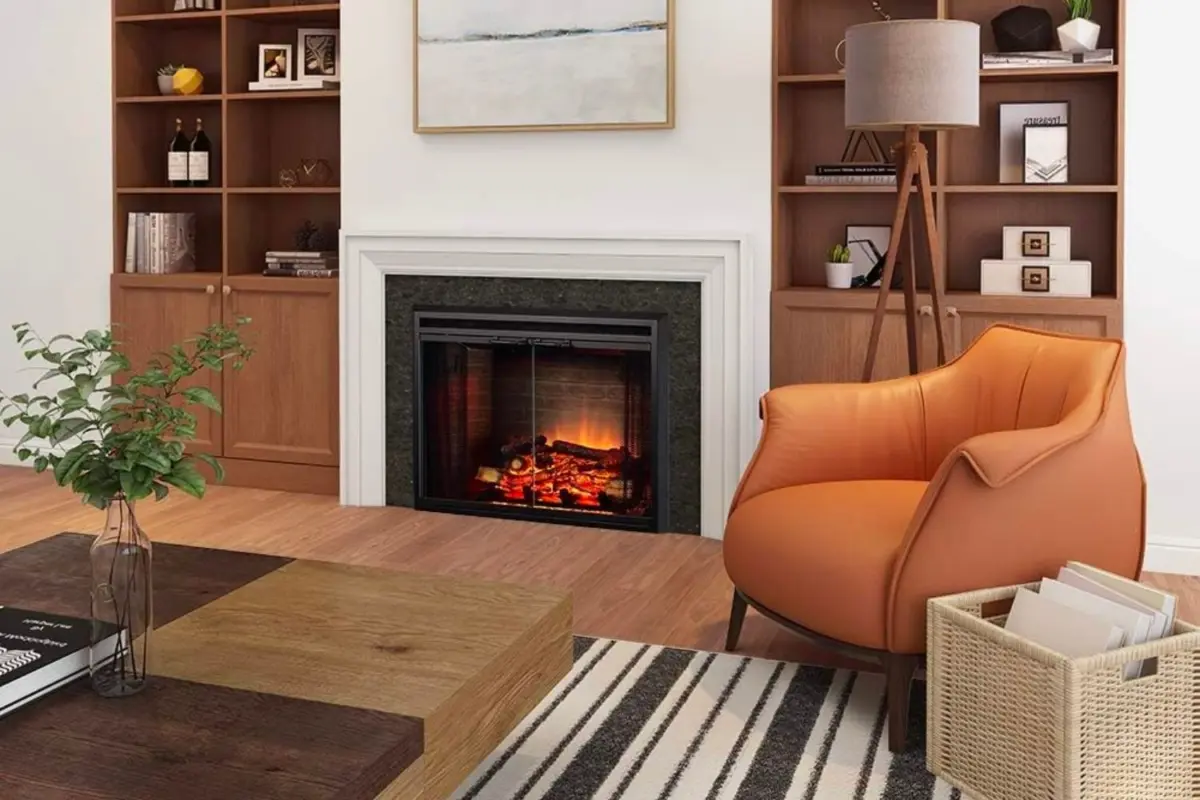
As homeowners continually seek ways to balance aesthetic charm, energy efficiency, and home comfort, the market for auxiliary heating solutions has evolved significantly. Traditional wood-burning and gas fireplaces, while deeply nostalgic and visually appealing, often come with a litany of drawbacks: messy maintenance, complex and expensive installation requirements, indoor air quality concerns, and substantial heat loss through chimneys.
Enter the modern electric fireplace insert—a versatile, user-friendly, and highly efficient alternative that has rapidly transformed the way we think about supplemental home heating. Combining old-fashioned hearth charm with cutting-edge electronics, these units have become staple features in living rooms, bedrooms, and dens across the country. Whether integrated into an existing masonry hearth, framed into a custom stud wall, or slipped into a media console, electric fireplace inserts offer a hassle-free route to radiant warmth and ambient lighting.
The Evolution of the Electric Hearth
To understand the current popularity of electric fireplace inserts, it is helpful to look at how these appliances have developed over time. Early iterations of electric heaters were often purely functional, featuring glaring heating coils and rudimentary, unconvincing visual displays that hardly resembled a real fire.
Chronology of Modern Fireplace Technology
- The Early Generations: Basic space heaters housed in decorative metal boxes. Flame effects were often mechanical, utilizing rotating cylinders and colored filters to cast moving shadows against a frosted screen.
- The LED Revolution: The introduction of high-definition LED lighting fundamentally changed the aesthetic appeal of electric fireplaces. Manufacturers could suddenly offer customizable flame colors, adjustable brightness levels, and ember beds that glowed with realistic warmth—all while consuming a fraction of the electricity.
- The Smart Home Era: Modern electric inserts feature digital touch panels, remote controls, programmable thermostats, whisper-quiet blowers, and smart-home integration compatible with platforms like Amazon Alexa and Google Home. Today’s premium models even incorporate digital audio files to replicate the soothing, crackling sound of burning logs.
Comprehensive Market Breakdown: Top-Performing Inserts
Selecting the right model depends heavily on individual room dimensions, aesthetic preferences, budget constraints, and installation capabilities. Industry testing and consumer reviews highlight several standout models that excel in specific categories:
1. Best Overall: PuraFlame Klaus 33-Inch Electric Fireplace Insert
For homeowners wanting the quintessential look and feel of a traditional wood-burning fireplace without the soot and ash, the PuraFlame Klaus stands out.
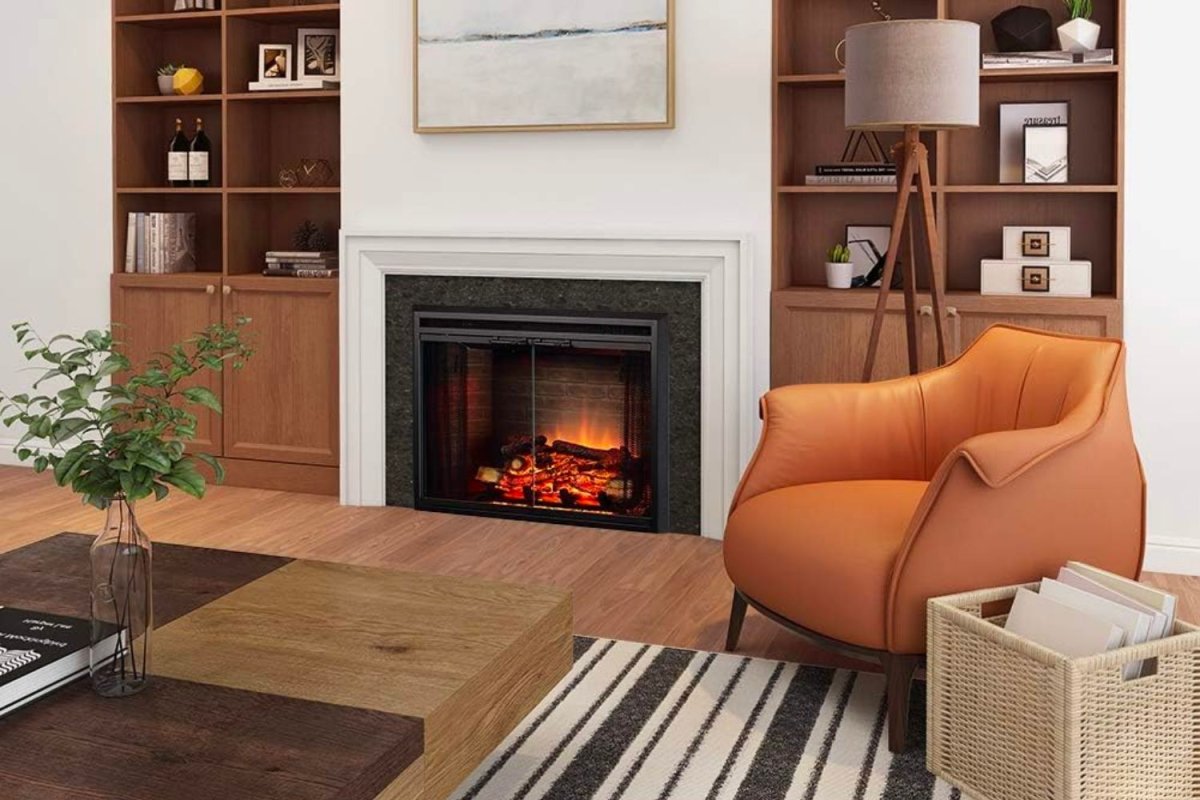
- Design & Features: It features a detailed brickwork backdrop, a high-quality resin log and ember bed, glass doors that remain cool to the touch, and an authentic spark-arrest mesh screen. It even includes an optional crackling log sound effect.
- Performance: Operating at toggleable power settings of 750W and 1,500W, it efficiently provides supplemental warmth for spaces up to 400 square feet. Notably, the flame effects can be operated independently of the heating element, allowing for cozy ambiance during warmer months.
2. Best Value: Costway 28.5-Inch Electric Fireplace Insert
Budget-conscious consumers do not have to sacrifice performance, as demonstrated by the Costway embedded insert.
- Design & Features: Weighing just 27.5 pounds, it is lightweight and easily integrated into entertainment centers, custom cabinets, or wall recesses. It provides dual heat settings (750W and 1,500W) alongside transparent BTU ratings of 2,559 and 5,118.
- Performance: Equipped with a programmable thermostat ranging from 62°F to 82°F, an 8-hour shut-off timer, and three distinct flame effects across five brightness levels, it meets rigorous Electrical Testing Laboratories (ETL) safety standards at an accessible price point.
3. Best Large Scale: Electactic 68-Inch Electric Fireplace
Large living spaces require substantial focal points, and oversized units fill this architectural role effectively.
- Design & Features: Spanning 68 inches wide, this unit projects toughened high-definition glass displaying crystal or flame effects across 12 distinct color options and five brightness-and-speed tiers.
- Performance: Despite its massive visual footprint, it operates at a quiet 40 decibels while outputting up to 5,100 BTUs (1,500W), making it ideal for heating large master suites or expansive open-concept living rooms.
4. Best Smart Fireplace: Touchstone Sideline Elite
For tech-forward households, smart integration elevates the convenience of zone heating.
- Design & Features: Featuring a sleek, contemporary slim-profile frame, the Touchstone Sideline Elite eliminates the need to hunt for a handheld remote by offering native Wi-Fi connectivity.
- Performance: Through a dedicated smartphone app or voice commands via Alexa and Google Home, users can effortlessly manage a programmable thermostat (68°F to 88°F), an 8-hour timer, and a vast array of multi-colored flame and media bed combinations.
Technical Specifications and Heating Capacity
When evaluating electric fireplace inserts, consumers frequently wonder about their heating capabilities. Scientifically, electricity usage in standard residential inserts is capped by the limitations of standard 120-volt household circuits.
Understanding Wattage and BTUs
- Power Draw: Almost all standard electric fireplace inserts operate at a maximum of 1,500 watts. Drawing more power on a standard circuit risks tripping household breakers. Many units offer a half-power setting (750W) to conserve energy when maximum heat is unnecessary.
- Square Footage Coverage: 1,500 watts of electrical output translates to roughly 4,000 to 5,000 British Thermal Units (BTUs). This output is generally considered optimal for providing supplemental, zone-based heating for rooms up to 400 square feet.
- Cost Efficiency: Running a 1,500-watt heater typically consumes electricity at a predictable rate. Independent utility studies show that operating an electric fireplace costs approximately 15 to 18 cents per hour, depending on local utility rates. Running a unit for six hours daily amounts to roughly $30 per month in added electricity costs—often far cheaper than turning on a whole-house central heating system to warm a single room.
Installation Guidelines and Structural Considerations
Unlike traditional masonry fireplaces that demand complex chimney construction, structural foundation support, and strict building inspections, electric fireplace inserts are celebrated for their straightforward installation process. However, proper planning is still essential.
Recessed vs. Wall-Mounted Installations
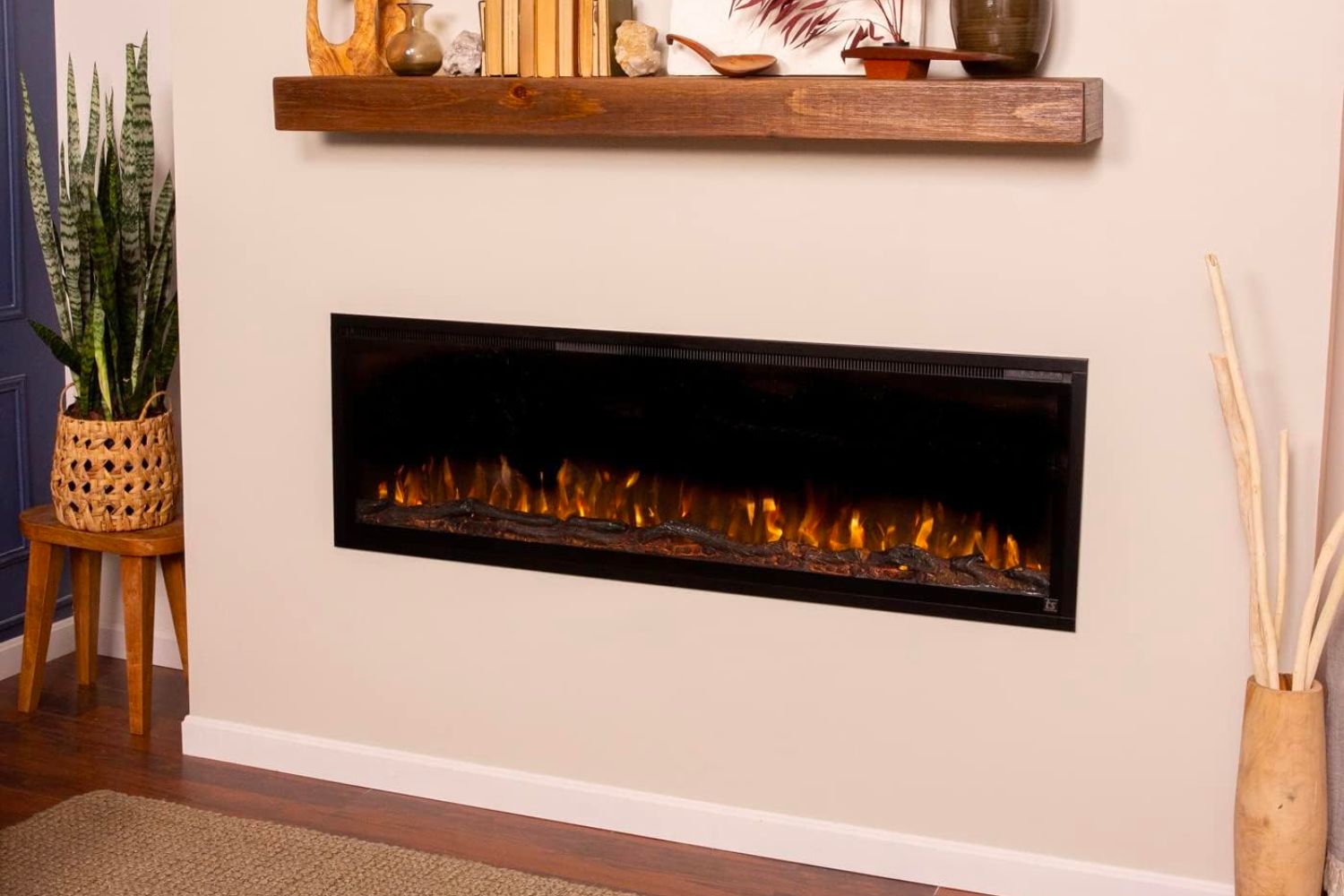
- Fireplace Recesses: Many inserts are designed to slide directly into existing masonry hearth openings once a gas line or wood grate has been safely decommissioned. Alternatively, contractors can frame a custom drywall recess to house the unit flush with the wall.
- Cabinet and Media Consoles: Prefabricated fireplace TV stands and entertainment centers allow the insert to slide directly into a pre-routed compartment, requiring only access to a standard wall outlet.
- Electrical Requirements: While most units simply plug into a standard three-prong wall outlet, some larger or hardwired models may require professional electrician services to ensure the circuit can safely handle continuous high-wattage draws without overloading.
Expert Tip: Always verify the precise rough-opening dimensions provided by the manufacturer before cutting into drywall or building custom cabinetry. Minor discrepancies in depth or width can complicate installation.
Safety Standards and Best Practices
One of the primary selling points of electric fireplace inserts is their superior safety profile compared to combustion-based alternatives. Because they do not burn fossil fuels, they produce zero carbon monoxide, smoke, or toxic ash, making them exceptionally friendly for households with children, pets, or individuals suffering from respiratory allergies or asthma.
Key Safety Features to Look For
- Thermal Overload Protection: High-quality models feature built-in automatic safety cutouts that immediately shut off power if internal components begin to overheat.
- Cool-Touch Glass: Modern engineering ensures that front-facing glass panels and frames remain cool or only mildly warm during operation, preventing accidental burns.
- ETL or UL Certification: Consumers should always purchase units that carry certification marks from recognized testing laboratories, such as ETL or Underwriters Laboratories (UL), ensuring compliance with rigorous electrical safety standards.
Essential Home Safety Rules
- Avoid Extension Cords: Due to the high electrical draw of a 1,500-watt heating element, electric fireplace inserts should always be plugged directly into a wall receptacle. Extension cords and power strips can overheat and present severe fire hazards.
- Maintain Clearances: Keep flammable materials—such as curtains, blankets, pillows, and paper decor—at least three feet away from the front and sides of the heating vent.
The Broader Implications: Energy Efficiency and Modern Interior Design
The widespread adoption of electric fireplace inserts aligns closely with broader trends in residential architecture and energy management. As building codes increasingly emphasize tighter, better-insulated home envelopes designed to reduce carbon footprints, traditional wood-burning fireplaces have fallen out of favor due to their tendency to draw conditioned air out of the home and pollute neighborhood air quality.
Zone Heating and Financial Impact
By utilizing zone heating—warming only the room currently occupied rather than raising the thermostat for the entire house—homeowners can achieve noticeable reductions in seasonal heating bills. Furthermore, the aesthetic flexibility of electric inserts allows urban apartment dwellers and suburban homeowners alike to enjoy the psychological and visual benefits of a hearth fire without requiring a chimney, venting, or extensive architectural remodeling.
As smart-home technology continues to mature, future iterations of electric fireplace inserts will likely offer even deeper integration with automated climate systems, solar energy storage, and AI-driven efficiency protocols. For now, today’s marketplace offers a rich variety of stylish, safe, and cost-effective models that successfully bridge the gap between timeless home comfort and modern technological convenience.
