

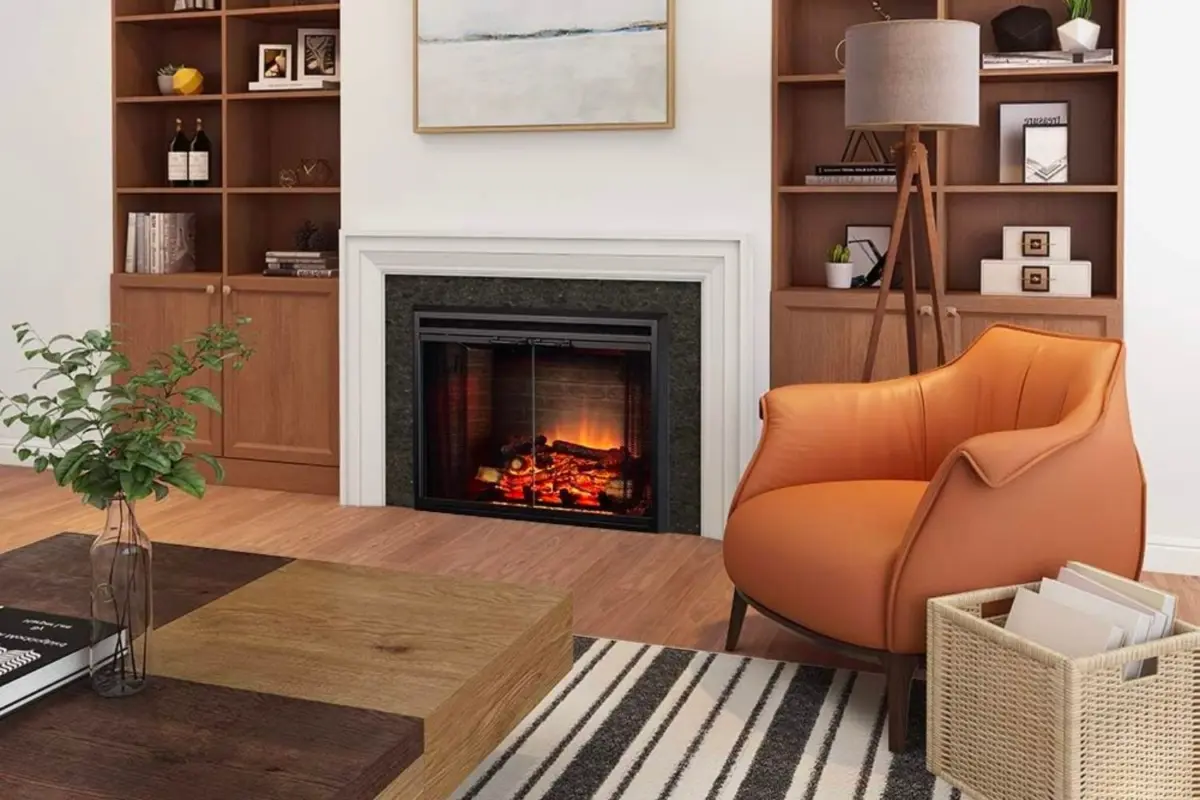
For homeowners seeking the classic charm and inviting warmth of a traditional hearth without the mess, maintenance, and complex ventilation requirements, electric fireplace inserts have rapidly emerged as the ultimate home-heating solution. Combining high-efficiency zone heating with customizable LED flame displays, modern electric inserts offer a versatile way to upgrade any living space. Whether retrofitting an old, drafty masonry fireplace or framing a brand-new focal point into a living room wall, these units deliver style, convenience, and safety in a single package.
The Evolution of Home Hearth Technology
For generations, traditional wood-burning and gas fireplaces served as the architectural anchors of the American home. However, traditional systems come with significant downsides: soaring firewood costs, chimney sweeping requirements, smoke emissions, and substantial heat loss through open flues.
Enter the modern electric fireplace insert. Initially introduced as simple, novelty space heaters with rudimentary lighting effects, today’s market features sophisticated appliances engineered with high-definition digital flame projections, realistic resin log sets, programmable digital thermostats, and even smart-home integration. According to home improvement experts, these appliances bridge the gap between aesthetic appeal and supplemental zone heating, allowing users to warm the exact rooms they occupy while lowering central thermostat settings.
Market Chronology: From Simple Space Heaters to Smart Focal Points
The trajectory of electric fireplace technology mirrors the broader smart-home revolution:
- Early Generations: Early electric heaters prioritized pure function over form. They utilized basic metal heating coils and noisy fans paired with rotating, mirrored cylinders to project crude orange light onto a flat back panel.
- The Aesthetic Leap: Manufacturers soon realized that consumer demand hinged heavily on visual realism. The introduction of LED technology allowed for multi-colored flame displays, adjustable brightness levels, and ember beds embedded with glowing glass crystals or hand-painted resin logs.
- The Smart Integration Era: In recent years, premium manufacturers have incorporated Wi-Fi connectivity, smartphone applications, and compatibility with voice assistants such as Amazon Alexa and Google Home. Today, users can command their fireplace to ignite, adjust its flame speed, or alter its ambient color profile using nothing more than a spoken voice command.
Key Factors in Selecting an Electric Fireplace Insert
Choosing the right electric fireplace insert requires balancing visual preferences with technical specifications. Reviewers and home renovation specialists emphasize several core considerations when evaluating the market:
1. Heating Capacity and Output
Virtually all standard electric fireplace inserts operate on a maximum electrical draw of 1,500 watts, designed to plug safely into a standard 120-volt household outlet without tripping a circuit breaker. This power level generally generates approximately 4,000 to 5,100 BTUs of heat, which is ideal for providing supplemental warmth to rooms up to 400 square feet. Many models offer a lower 750-watt setting to conserve energy during milder weather.
2. Physical Dimensions and Sizing
Unlike freestanding space heaters, fireplace inserts must fit snugly into a designated architectural recess. Widths across the market vary dramatically—ranging from compact 22-inch units designed for smaller bedrooms or media consoles to expansive 100-inch linear displays tailored for grand living rooms. Homeowners must measure both the visible opening and the internal depth of their intended installation space before purchasing.
3. Installation Flexibility
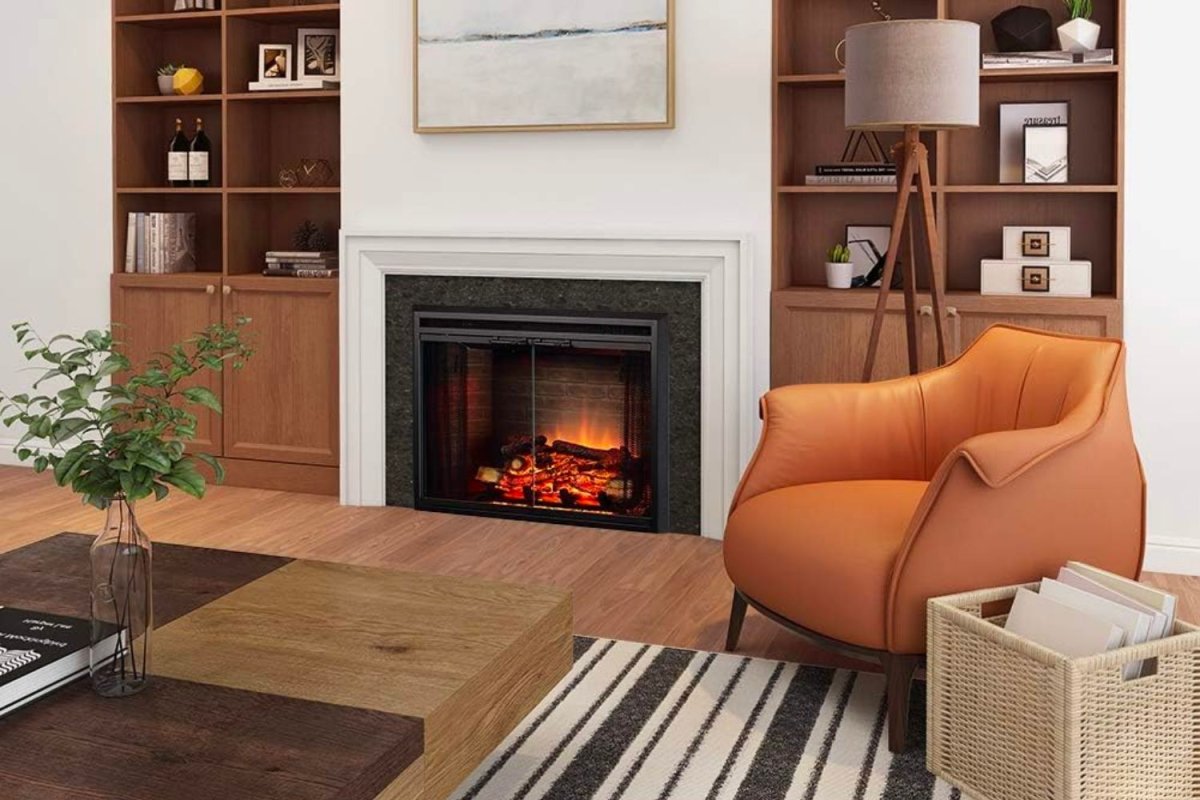
One of the primary selling points of electric inserts is their lack of venting requirements. They do not need chimneys, flues, or gas lines. While some models are engineered to slide directly into existing masonry or zero-clearance wood fireboxes, others require stud-wall framing or specialized media cabinets.
4. Aesthetic Customization
Modern units go far beyond a single orange flame. Premium inserts allow users to independently control the heating and visual elements, meaning the cozy ambiance of a flickering fire can be enjoyed on a warm summer evening without activating the heating element. Options often include customizable ember beds (such as faux logs, driftwood, or modern glass crystals) and dozens of color combinations for both flames and backlighting.
Comparative Overview of Top-Rated Models
To assist consumers in navigating the vast marketplace, testing panels and interior design experts have categorized the leading models based on performance, feature sets, and value:
- Best Overall: The PuraFlame Klaus 33-Inch Electric Fireplace Insert stands out for its exceptional realism, featuring spark-arrest curtains, a detailed brickwork background, and even an authentic crackling log sound effect.
- Best Value (Bang for the Buck): The Costway 28.5-Inch Electric Fireplace Insert offers robust performance at an accessible price point, delivering dual heat settings (750W and 1,500W), an 8-hour timer, and precise temperature controls backed by ETL safety certification.
- Best Large Format: For sprawling spaces, the Electactic 68-Inch Electric Fireplace provides an impressive visual anchor with 12 flame colors, crystal effects, and whisper-quiet operation running at just 40 decibels.
- Best Log Effect: The Masarflame 40-Inch Electric Fireplace Insert caters to traditionalists who desire an authentic wood-burning aesthetic, complete with resin logs, multi-height flames, and a retro crackle audio track.
- Best Smart Fireplace: The Touchstone Sideline Elite brings modern convenience to the hearth, offering seamless Wi-Fi connectivity, app control, and compatibility with major smart-home ecosystems like Alexa and Google Home.
- Best Wall-Mounted: The R.W.Flame Electric Wall-Mount Fireplace combines a sleek, ultra-thin profile (under 4 inches deep) with expansive width, making it a favorite for contemporary media walls where space optimization is critical.
Official Safety Standards and Compliance
Because heating appliances carry inherent risks, safety certification is non-negotiable. Reputable electric fireplace inserts undergo rigorous testing by nationally recognized testing laboratories—such as ETL (Electrical Testing Laboratories) or UL (Underwriters Laboratories)—to ensure compliance with North American safety standards.
Key safety features integrated into top-tier models include:
- Automatic Thermal Overload Protection: Internal sensors that immediately cut power if the unit detects abnormal internal temperatures, preventing overheating.
- Cool-Touch Glass Panels: Exterior glass barriers that remain safe to the touch, making them ideal for households with young children or pets.
- Tip-Over and Placement Safeguards: While fixed inserts do not face tip hazards like portable space heaters, proper clearance from combustible materials remains vital.
Industry safety guidelines consistently advise homeowners to plug electric fireplace inserts directly into a dedicated wall outlet whenever possible, strictly avoiding the use of light-duty extension cords or power strips that could overheat under continuous high-wattage loads.
Economic and Environmental Implications
As energy costs fluctuate and environmental awareness grows, homeowners increasingly evaluate heating appliances through an economic lens.
Energy Efficiency and Operating Costs
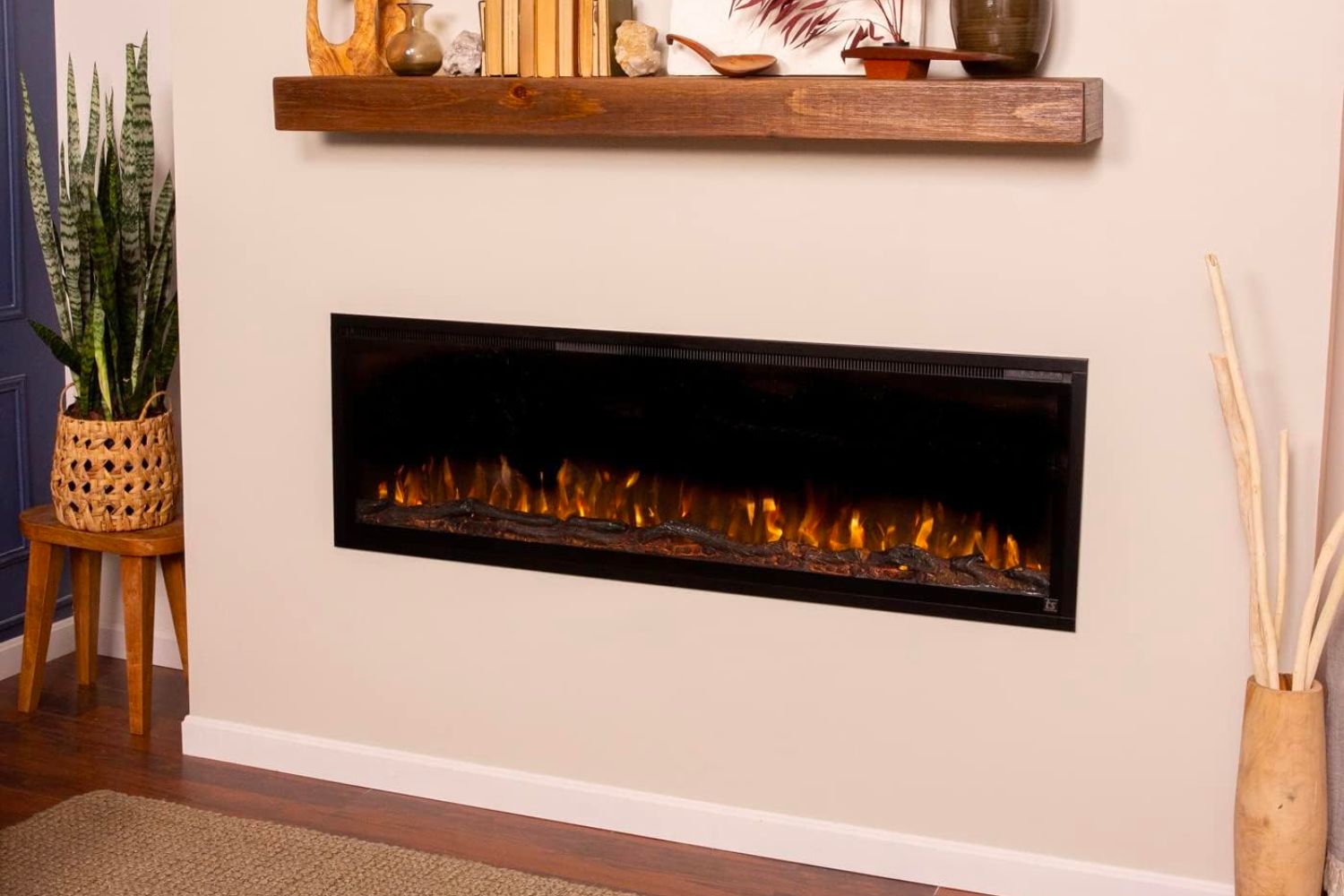
Electric resistance heating is technically 100% efficient at the point of use, converting every watt of electricity drawn into heat. However, electricity can be more expensive than natural gas depending on regional utility rates. Running a 1,500-watt fireplace insert typically costs between 15 and 18 cents per hour based on national averages. Utilizing zone heating—turning down the main household thermostat and heating only the occupied room via the fireplace insert—can yield net savings on monthly utility bills.
Environmental Impact
Unlike wood-burning fireplaces, which release particulate matter, carbon monoxide, and creosote into the atmosphere (contributing to both indoor and outdoor air pollution), electric inserts produce zero direct emissions. For homeowners utilizing renewable electricity sources, such as rooftop solar panels or wind-generation programs, an electric fireplace offers a virtually carbon-neutral heating experience. Furthermore, eliminating the need to burn seasoned firewood preserves local timber and reduces household fire risks associated with chimney creosote buildup.
Frequently Asked Questions
Q: Can an electric fireplace insert serve as the primary heat source for a home?
A: No. Electric fireplace inserts are designed strictly as supplemental or zone-heating appliances. They lack the output required to heat an entire home and should be paired with a central heating system.
Q: Do electric fireplaces require professional installation?
A: In most cases, no. If you are sliding an insert into an existing cabinet or plugging it into a pre-wired outlet, the process is entirely DIY-friendly. However, if you are hardwiring the unit into a concealed electrical box or framing a custom recessed wall, consulting a licensed electrician or contractor is recommended.
Q: How long do the LED flame lights last?
A: One of the primary advantages of modern LED technology is longevity. The LED bulbs used to create flame and ember effects typically last for tens of thousands of hours—often operating for decades under normal usage conditions without requiring replacement.
Conclusion
Electric fireplace inserts have evolved far beyond simple winter novelties. By marrying cutting-edge visual technology, smart-home connectivity, and efficient zone heating, they provide a compelling alternative to traditional hearths. Whether updating a historic property or finishing a modern basement remodel, today’s homeowners have access to a diverse array of safe, stylish, and energy-conscious options designed to bring warmth and character to any room in the house.
