

Introduction and Main Facts
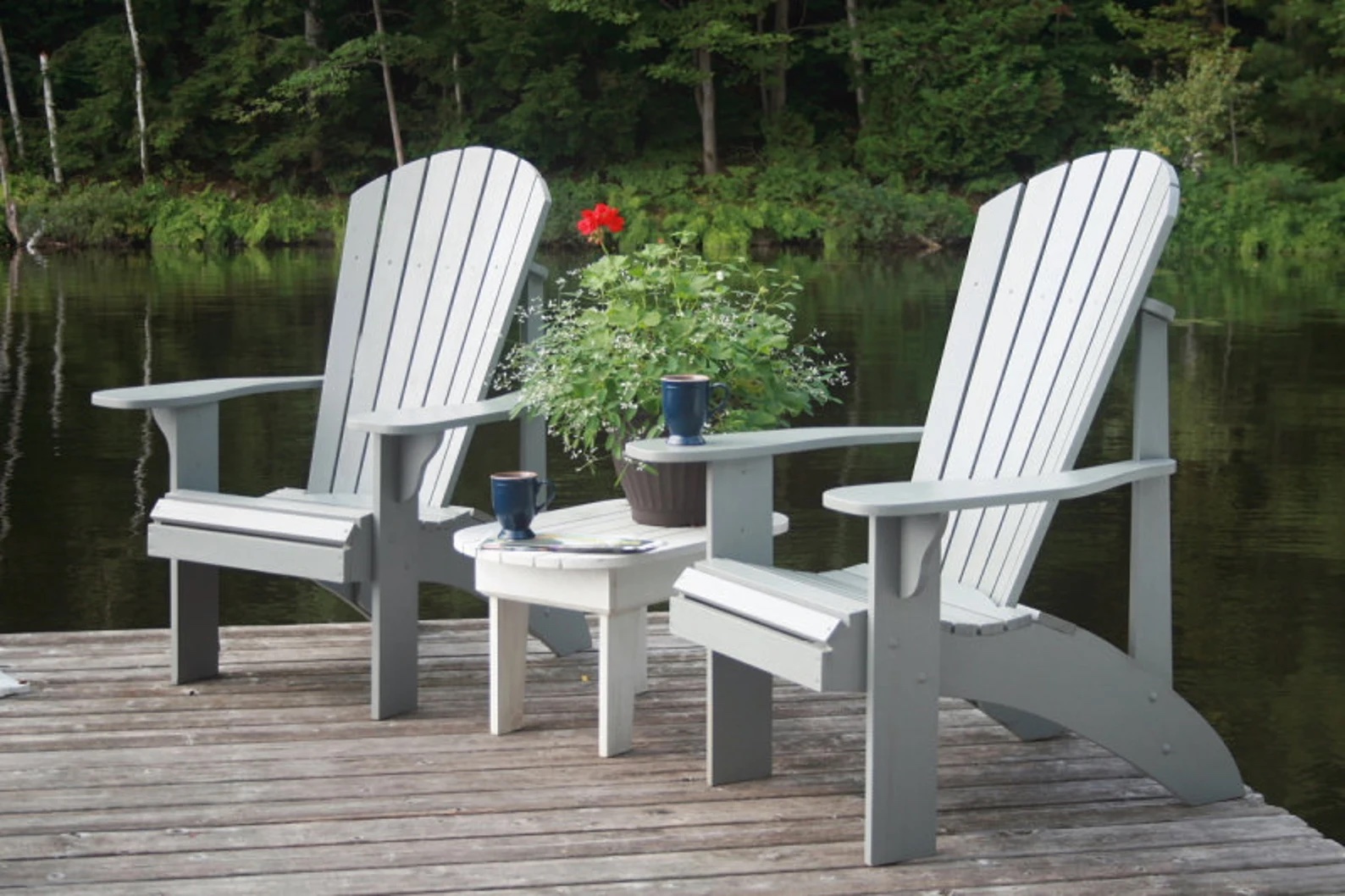
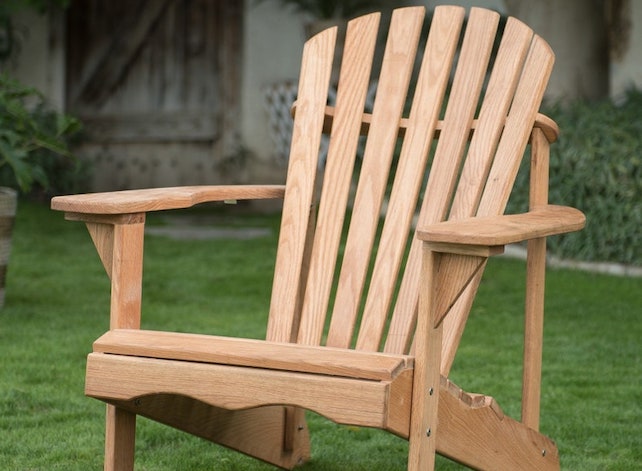
The classic Adirondack chair has long stood as an icon of backyard relaxation, lakeside retreats, and cozy evenings gathered around a fire pit. Defined by its signature high, slanted back, deeply contoured seat, and exceptionally wide armrests, this piece of outdoor furniture marries rustic charm with ergonomic support. For DIY enthusiasts and woodworking hobbyists looking to upgrade their exterior living spaces, constructing a personalized set of Adirondack chairs has become one of the most rewarding seasonal projects.
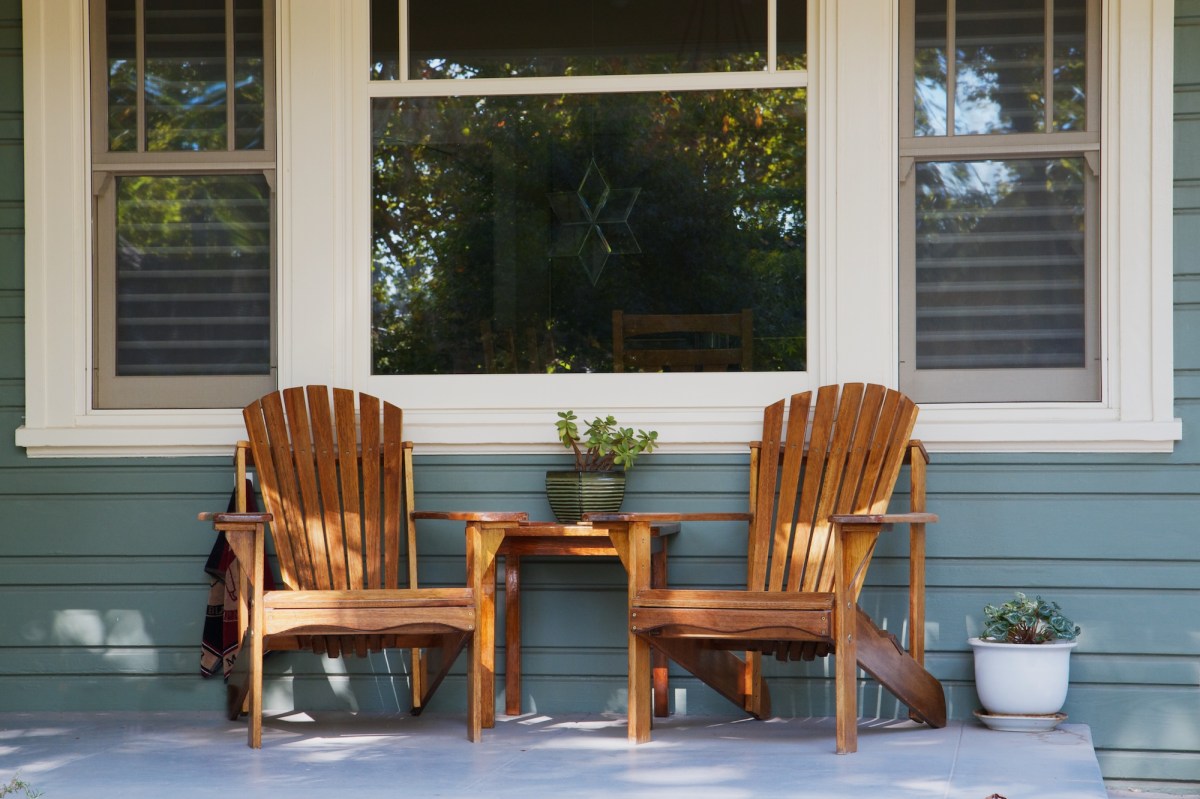
According to home improvement experts, building your own outdoor seating is not only a cost-effective alternative to high-end retail furniture, but it also allows for customization in wood selection, finish, and structural dimensions. Recent data from the woodworking community indicates a surge in demand for downloadable digital woodworking plans, specifically CAD-generated blueprints and PDF guides that simplify complex angles and joinery.
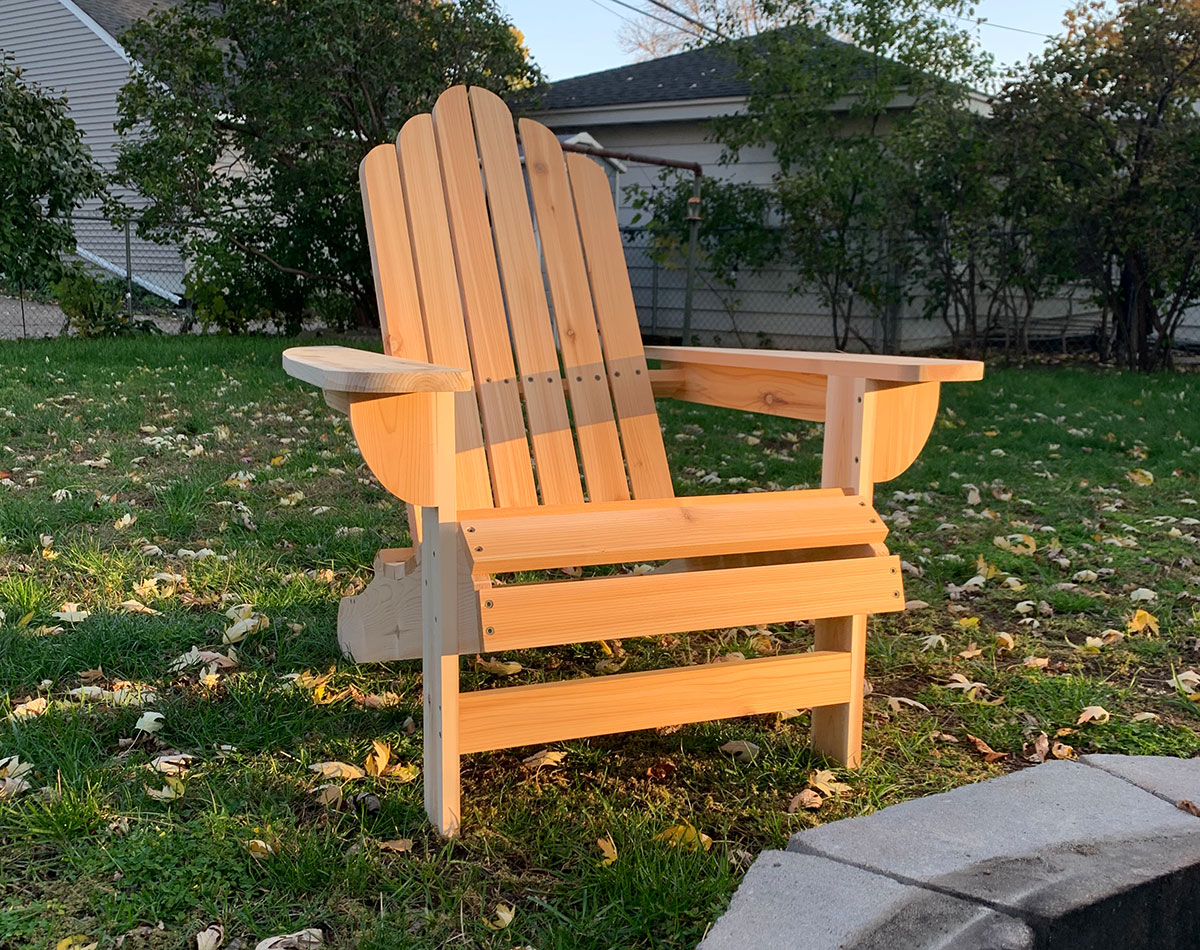
Whether you are looking to build a traditional, unpainted cedar lounger, a contemporary minimalist seat with clean lines, or a functional piece tailored for children and seniors, the modern DIY market offers a wide array of specialized blueprints. This report examines the top downloadable Adirondack chair plans available to makers today, detailing design variations, skill levels, and structural innovations that are shaping outdoor carpentry.
Chronology: The Evolution of the Adirondack Design and DIY Culture
The history of the iconic chair dates back to 1903, when Thomas Lee developed the prototype while vacationing in the Adirondack Mountains of Westport, New York. Seeking comfortable outdoor seating for his family camp, Lee tested various iterations of wooden slats, culminating in a slanted seat and back designed to handle the region’s steep mountain terrain. A few years later, patent rights were sold to Harry Bunnell, who popularized the "Westport plank chair" style.
For decades, building an Adirondack chair required physical pattern-making, trial-and-error measurements, and architectural drafting skills. However, the chronology of the craft shifted dramatically with the advent of the digital economy:
- Early 2000s: Woodworking hobbyists transitioned from printed library books and magazine cutouts to basic internet forums sharing rudimentary PDF instructions.
- 2010–2015: Independent designers and master carpenters began leveraging digital marketplaces like Etsy and specialized woodworking blogs to sell comprehensive, multi-page project guides.
- 2016–2020: The introduction of CAD (Computer-Aided Design) software allowed creators to offer full-size, printable patterns that could be taken to local print shops, eliminating scaling errors.
- 2021–Present: The market expanded rapidly to include specialized ergonomic variants—such as "easy-exit" high seats, modular loveseats, and ultra-modern geometric designs—catering to a broader demographic of DIYers seeking personalized backyard upgrades.
Supporting Data: Choosing the Right Plan and Materials
Embarking on a woodworking project requires careful planning, accurate tool allocation, and an understanding of material science. When selecting an Adirondack chair plan, makers must weigh several factors, including time investment, joint complexity, and lumber durability.
Wood Selection for Outdoor Longevity
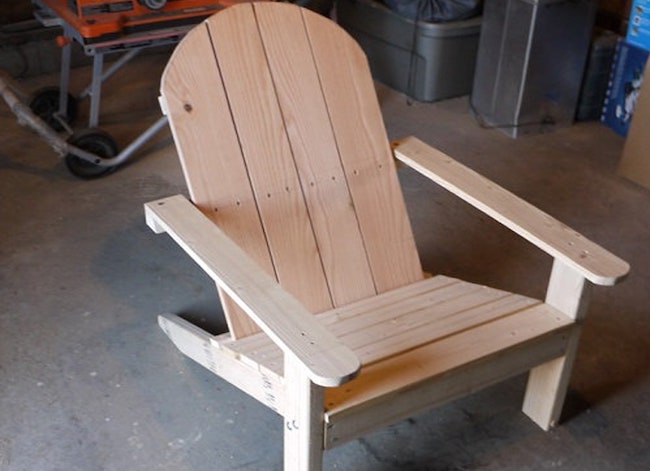
The longevity of a DIY Adirondack chair depends heavily on the species of wood chosen. Industry standards recommend rot- and insect-resistant woods that can withstand changing seasonal weather patterns:
- Western Red Cedar: Widely considered the gold standard for outdoor furniture. It is lightweight, naturally resistant to decay, and takes stains and finishes exceptionally well while offering a rich aromatic profile.
- Teak: Exceptionally durable and dense, teak offers unmatched weather resistance but comes at a higher price point and requires specialized hardware to prevent staining.
- Pressure-Treated Pine: A budget-friendly option that, while requiring thorough drying and treatment before finishing, provides structural stability for high-traffic patio furniture.
Breakdown of Popular DIY Plan Categories
- Bob Vila’s Classic Downloadable Plans: Focus on durability with traditional cedar construction, featuring step-by-step illustrations and exact cut lists for uniformity.
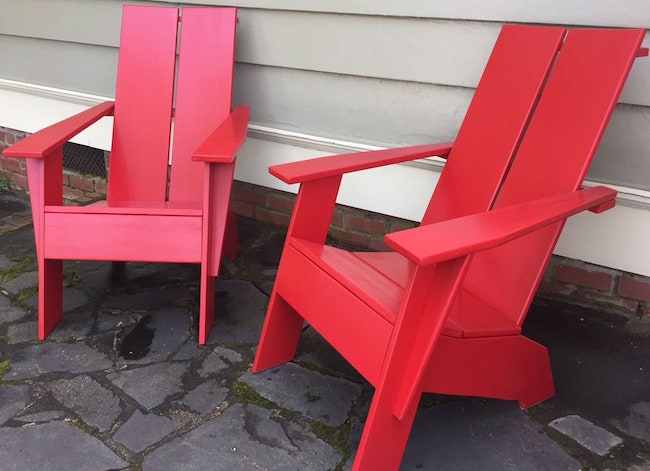
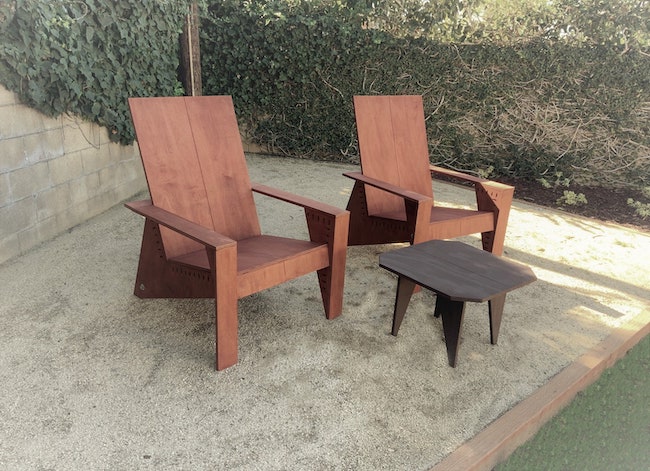
- Ultra-Modern Designs: Utilize wide, vertical boards with squared-off edges. Typically rated for beginner-to-intermediate skill levels, spanning roughly 24 pages of technical drawings.
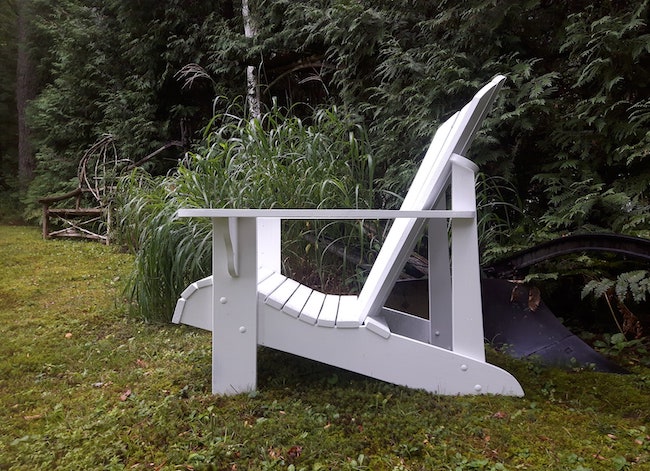
- "Grandpa" Easy-Exit Plans: Feature a shorter seat depth and a more upright back angle. This geometry addresses a common complaint of traditional low-slung chairs: the difficulty of standing up.
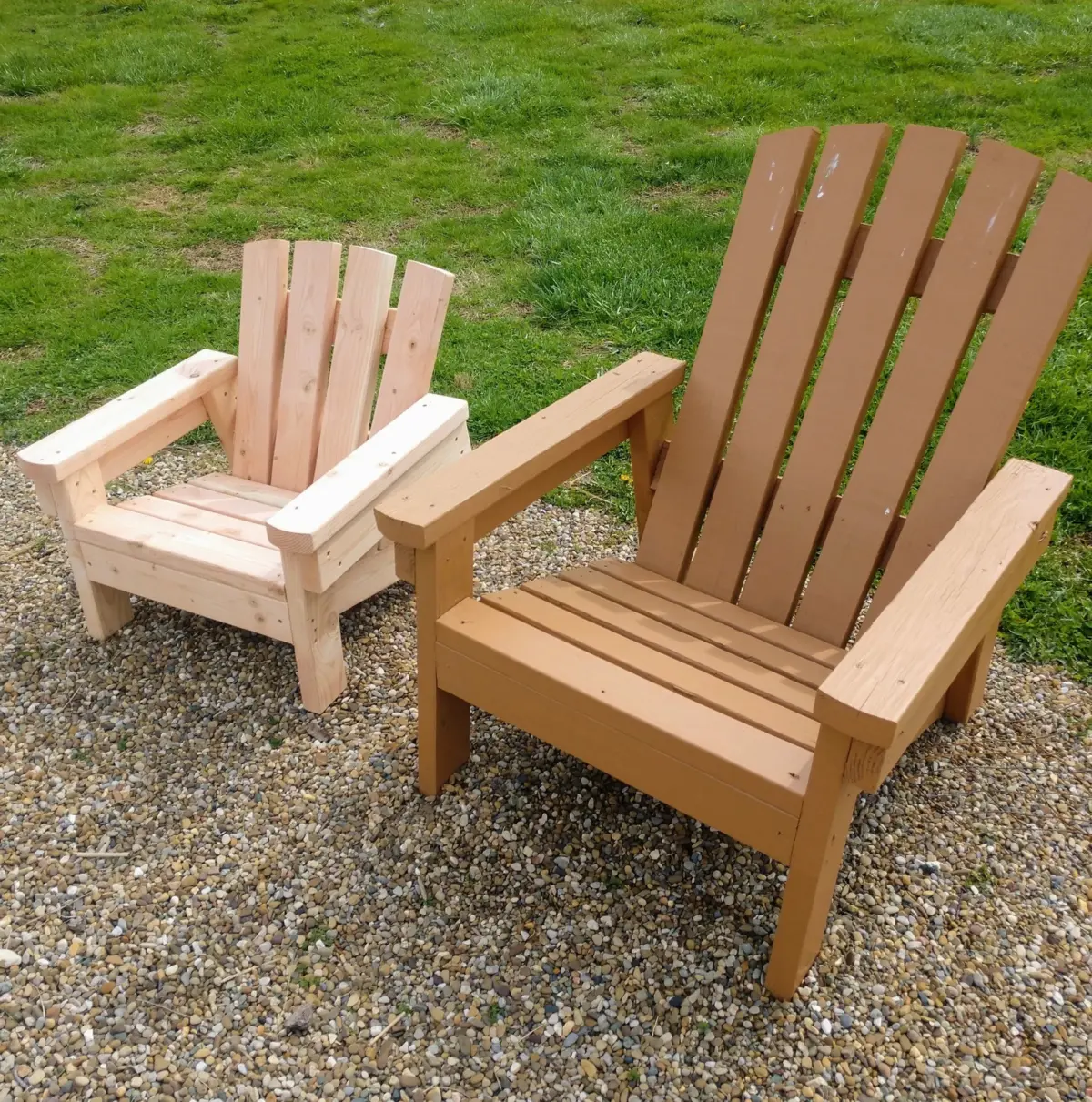
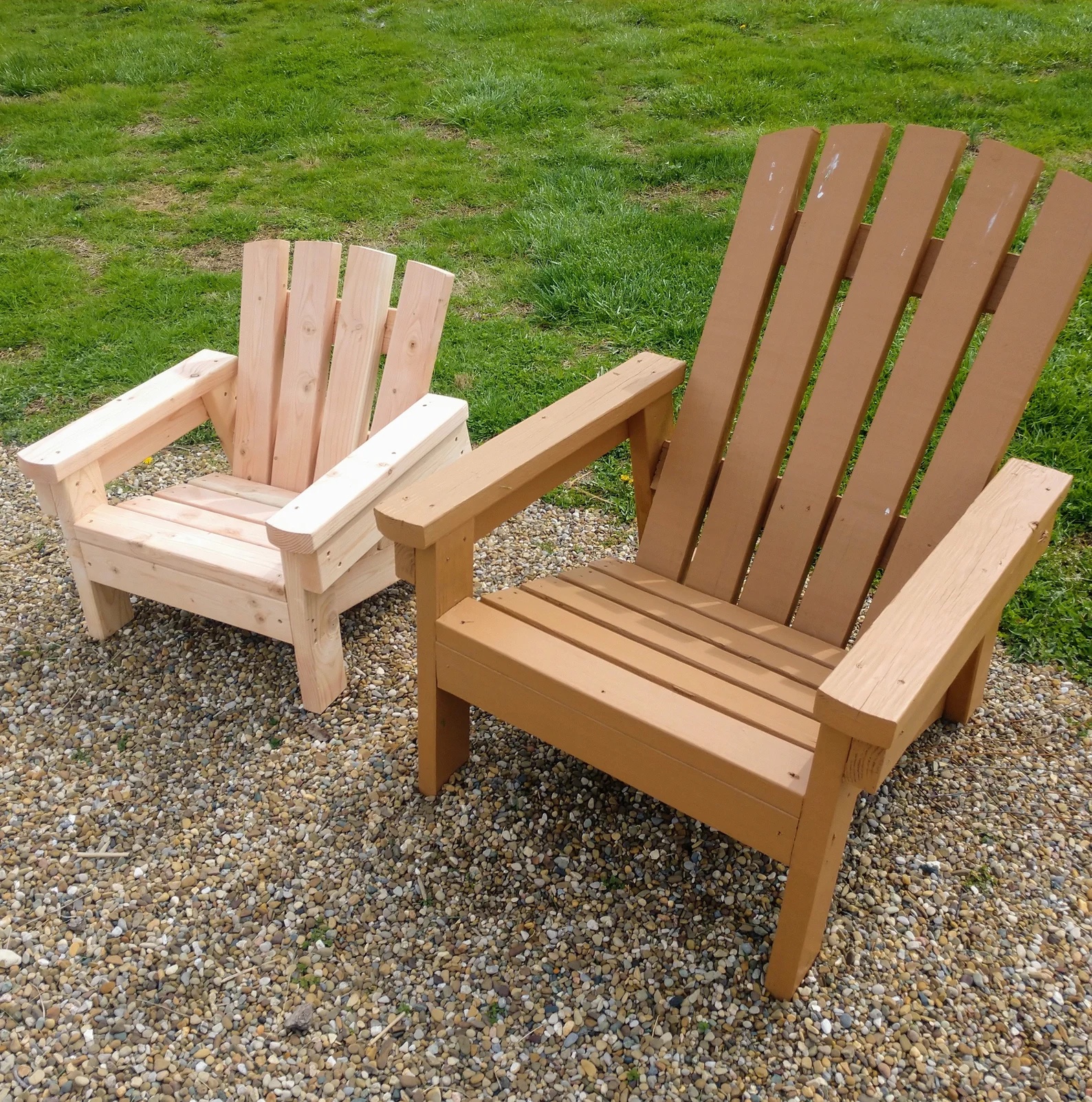
- Kid-Sized Patterns: Scaled-down blueprints (roughly 25 inches tall and wide) designed for children aged 2 to 10, with assembly times averaging around two hours.
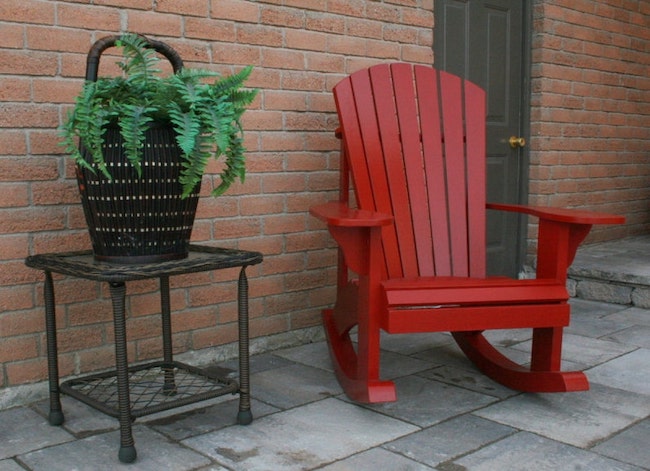
- Adirondack Rockers and Loveseats: Advanced configurations that incorporate curved rocker rails or extended bench seating, making them ideal focal points for front porches and fire pits.
Expert Insights and Official Perspectives
Master carpenters and home improvement reviewers emphasize that success in building an Adirondack chair lies in the precision of the initial cuts. According to woodworking authorities, downloading a comprehensive PDF guide that includes 3D renderings and precise angles is critical for novice builders who may otherwise struggle with the complex compound angles required for the slanted backrest and contoured seat slats.
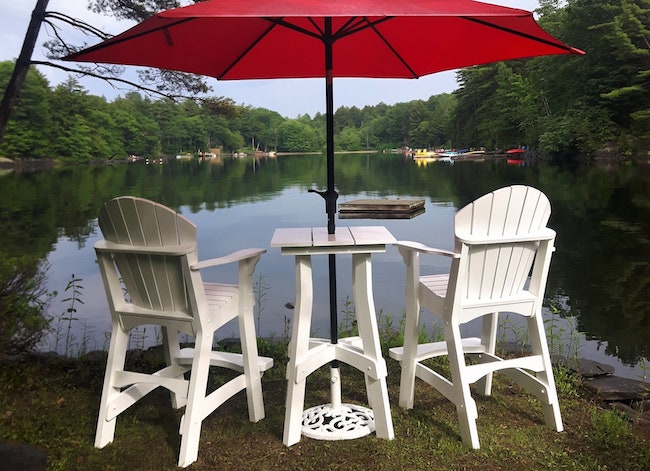
Furthermore, industry reviews highlight the shift toward inclusive design. Traditional Adirondack chairs, while aesthetically pleasing, can strain the joints of older adults or individuals with limited mobility. The introduction of elevated designs—such as tall bar-height chairs and ergonomic rocking chairs with flat-footed rocking arcs—represents a concerted effort by designers to make outdoor relaxation accessible to every generation.
Designers also note that modular kits and bundled plans (such as matching chair-and-table sets) provide immense value for homeowners attempting cohesive patio transformations. By standardizing material thicknesses (frequently utilizing standard 1×4 and 2×4 dimensional lumber), these plans minimize waste and reduce overall project expenditures.
Implications for Homeowners and the Backyard Renovation Market
The growing popularity of digital woodworking plans reflects a broader cultural shift toward self-reliance, sustainable home improvement, and personalized outdoor living spaces. As homeowners continue to invest in their backyards as extensions of their indoor living areas, the demand for high-utility, aesthetically pleasing DIY projects remains robust.
Economic and Environmental Impacts
- Cost Efficiency: Purchasing a digital plan for a nominal fee ($5 to $15) and sourcing local lumber allows homeowners to build premium-grade furniture at a fraction of the cost of commercial retail equivalents.
- Sustainability: Crafting furniture from sustainably harvested cedar or locally sourced lumber reduces the carbon footprint associated with long-distance shipping of mass-produced flat-pack furniture.
- Skill Development: Projects like kid-sized chairs and basic single-board designs act as gateway activities, encouraging younger generations and novice DIYers to learn fundamental carpentry, measurement, and power-tool safety.
Ultimately, whether constructed as a weekend family bonding project or an advanced woodworking challenge, the humble Adirondack chair remains a timeless backyard staple. With precise digital plans guiding the way, transforming raw lumber into a personalized sanctuary of relaxation is more achievable than ever.
