

By Global Energy & Defense Desk
Published: April 2026
Main Facts
In a sharp escalation of security tensions along NATO’s southeastern flank, the Romanian military scrambled F-16 fighter jets to intercept and neutralize an explosive marine drone operating just hundreds of meters from the high-stakes Neptun Deep offshore natural gas project in the Black Sea.
The incident, which unfolded on a Thursday morning in April 2026, marks a perilous new phase in the collateral fallout of Russia’s ongoing war in Ukraine. As energy installations across Europe face mounting hybrid and kinetic pressures, the breach highlights the extreme vulnerability of critical maritime infrastructure.
According to statements released by Romanian Defence Minister Radu Miruta, the unidentified marine drone was tracked as it closed in on the multi-billion-dollar energy asset. To safeguard the lives of the several hundred personnel stationed on the offshore platform and to prevent catastrophic damage to the facility, Romanian military authorities authorized a coordinated kinetic response.
An F-16 fighter jet successfully engaged the aquatic drone from the air, while a specialized naval vessel was dispatched to the coordinates to deliver the final strike. Subsequent inspections confirmed that the marine drone was packed with live explosives.
While Defence Minister Miruta stopped short of immediately attributing the vessel to a specific nation during initial briefings—noting only that Ukrainian authorities confirmed the drone did not belong to their armed forces—Romanian President Nicusor Dan directly pointed the finger at Moscow. The incident has sent shockwaves through Brussels, Washington, and NATO headquarters, drawing sharp rebukes from European leadership and accelerating discussions regarding collective regional maritime defense.
Chronology of Events
The destruction of the explosive marine drone is not an isolated event, but rather the latest escalation in a series of security breaches threatening Romania’s exclusive economic zone (EEZ) in the Black Sea. A timeline of escalating regional tensions illustrates the growing threat profile:
- Early April 2026: Romanian military divers are forced to deploy rapidly into the exclusive economic zone surrounding Neptun Deep. Their mission: intercept and neutralize two Gerbera-type aerial/maritime hybrid drones that had drifted dangerously close to the offshore installation.
- Thursday, Morning: Radar and reconnaissance assets detect a fast-moving marine drone operating within striking distance of the Neptun Deep gas infrastructure project, mere hundreds of meters from vital drilling and extraction zones.
- Thursday, Midday: Defence Minister Radu Miruta authorizes a combined air-sea military response. F-16 fighter jets are scrambled from a Romanian air base to locate and suppress the target from the sky.
- Thursday, Afternoon: A specialized Romanian naval intervention ship reaches the targeted coordinates, delivering a secondary strike that completely obliterates the drone. Initial forensic assessments confirm the presence of high explosives onboard.
- Thursday, Evening: Romanian President Nicusor Dan issues a formal statement condemning the Russian Federation for orchestrating an intensification of reckless maritime incidents. European Commission President Ursula von der Leyen echoes these concerns, labeling the attack part of an "escalating campaign of threats."
Supporting Data & Strategic Significance
To understand the gravity of Thursday’s military engagement, one must examine the immense strategic and economic value of the Neptun Deep project, alongside the broader geography of the Black Sea theater.
The Neptun Deep Economic Engine
Slated to come fully onstream in 2027, the Neptun Deep project is the largest natural gas resource development in the Romanian sector of the Black Sea. Jointly owned and operated by OMV Petrom (majority-controlled by Austria’s OMV) and Romgaz (Romania’s state-owned gas producer), the project is a cornerstone of European energy security.
Once operational, Neptun Deep is projected to pump billions of cubic meters of natural gas annually, transforming Romania into the European Union’s single largest gas producer. This capacity is vital for the bloc’s ongoing strategy to completely decouple its energy grids from Russian hydrocarbons. Consequently, any threat to Neptun Deep is viewed by energy analysts not just as an attack on Romanian sovereign territory, but as a direct assault on European economic resilience.
A Shared Theater of Conflict
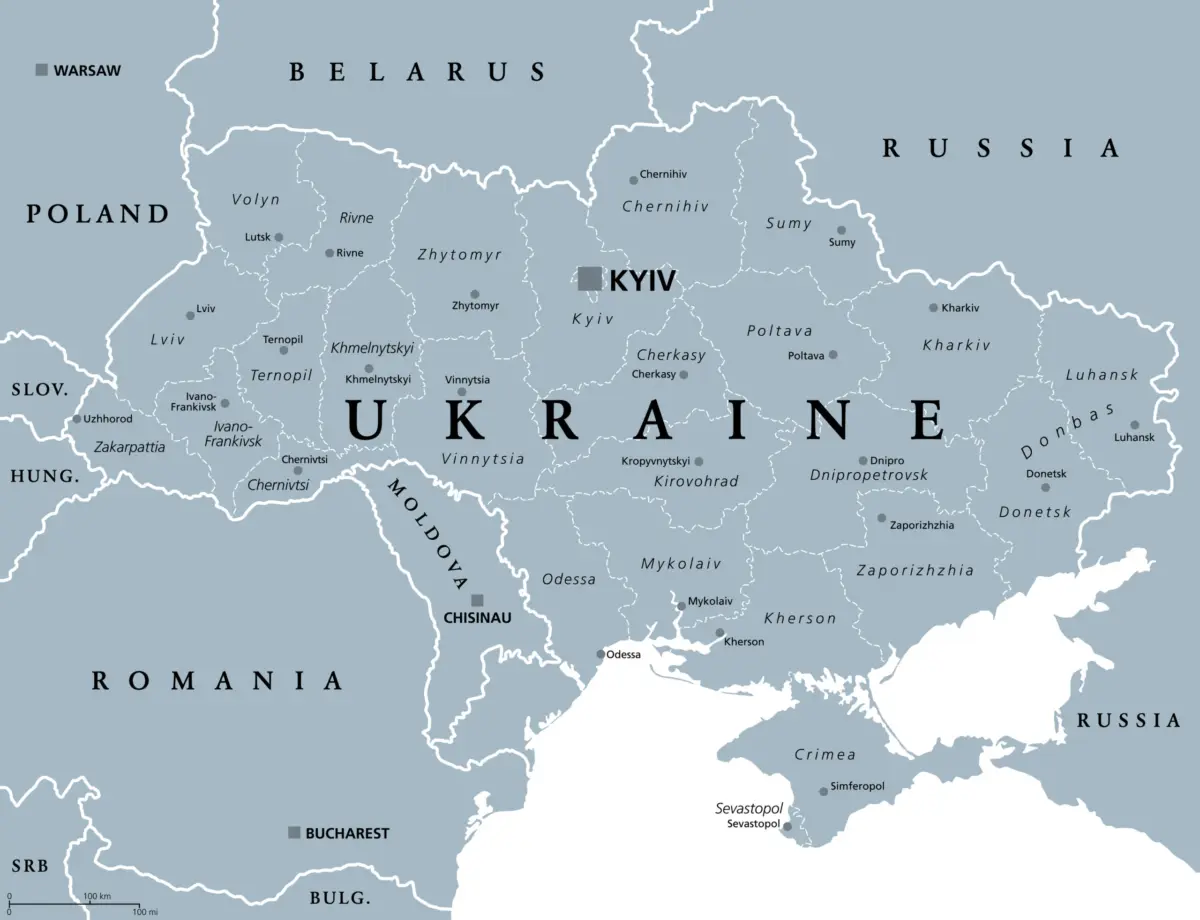
NATO-member Romania shares a 614-kilometer (382-mile) land border with Ukraine. Over the past four years of full-scale war, Bucharest has found itself on the front lines of hybrid warfare:
- Airspace Violations: Russian drones and missile fragments have repeatedly breached Romanian airspace, triggering air raid sirens in Danubian border towns and forcing NATO to establish continuous air-policing patrols.
- Drifting Mines: Since the outbreak of the conflict, maritime navigation in the Black Sea has been severely disrupted by loose naval mines. Romania, Bulgaria, and Turkey—the three NATO littoral states sharing the Black Sea alongside Georgia, Russia, and Ukraine—have successfully neutralized more than 150 drifting mines across critical trade and energy lanes.
In response to these persistent hazards, Romania, Bulgaria, and Turkey took formal steps in July to expand the remit of a joint naval task force. Originally created to clear floating mines, the task force’s mandate was broadened to include proactive missions aimed at safeguarding critical underwater and surface infrastructure across the Black Sea.
Official Responses and International Condemnation
The deployment of F-16s against an explosive marine drone has triggered high-level diplomatic fallout, uniting Western capitals in condemnation of the tactics threatening commercial and energy routes.
Romanian Leadership
Defence Minister Radu Miruta emphasized that the military acted swiftly to eliminate any ambiguity regarding the safety of the offshore workforce.
"In order to protect the lives of the several hundred people working on the platform and to secure critical infrastructure, the decision was made to destroy [the marine drone]," Miruta stated via social media, later confirming the vessel’s explosive payload.
President Nicusor Dan adopted a stern, direct posture, laying the blame squarely on the Kremlin.
"I strongly condemn the intensification of these types of irresponsible incidents on the part of the Russian Federation," Dan wrote. "We remain vigilant alongside NATO allies to defend ourselves and repel such challenges."
European Union and International Allies
European Commission President Ursula von der Leyen addressed the incident during a press briefing, framing it within a wider pattern of hostile behavior. She categorized the deployment of the marine drone as part of "an escalating campaign of threats" orchestrated to test Western resolve and disrupt European energy supplies.
Meanwhile, the Russian government maintained a studied silence, offering no immediate public comment or acknowledgement regarding the deployment of the explosive drone into Romanian waters.
Security analysts note that Moscow’s silence is characteristic of its plausible-deniability playbook in the maritime domain, where uncrewed surface vessels (USVs) and asymmetric tactics are frequently utilized to blur the lines of direct state attribution while inflicting maximum strategic disruption.
Implications for Regional Security and Global Energy Markets
The interception of an explosive marine drone meters away from a multi-billion-dollar European energy project carries profound long-term implications for defense, shipping, and global commodity markets.
1. Militarization of the Black Sea Energy Grid
For decades, offshore platforms were viewed as commercial sanctuaries operating under the protections of international maritime law. The weaponization of the Black Sea through sea-skimming drones, uncrewed surface vessels, and subsurface mines has shattered this paradigm. Energy conglomerates operating in contested waters must now factor continuous military-grade threat mitigation into their capital expenditure models. Anti-drone acoustic systems, electronic jamming arrays, and dedicated naval escort vessels are rapidly becoming standard operating overheads for Black Sea energy production.
2. NATO’s Article 5 Dilemma and the Eastern Flank
While the drone did not strike the platform—thanks to the rapid intervention of the Romanian Air Force and Navy—the proximity of the attack forces NATO to re-evaluate its deterrence posture in the Black Sea. Unlike land-based incursions where border lines are clearly demarcated, the maritime domain presents complex jurisdictional and tactical challenges. The expansion of the Romanian-Bulgarian-Turkish naval task force is a step in the right direction, but military strategists argue that permanent, integrated regional air and naval defense bubbles are now required to prevent the Black Sea from becoming a no-go zone for commercial enterprise.
3. Energy Market Volatility
Europe’s fragile recovery from the 2022–2023 energy crisis relies heavily on the diversification of supply routes, with the Black Sea and the Caspian basin serving as vital alternate arteries. Any disruption to the timeline of the Neptun Deep project—which is scheduled to begin pumping gas in 2027—could tighten gas supplies across Central and Eastern Europe, driving up utility costs for consumers and industries alike. Investors are already pricing in elevated geopolitical risk premiums for any maritime energy infrastructure located within proximity to active conflict zones.
As the investigation into the marine drone’s guidance systems and launch origin continues, one reality remains starkly clear: the war in Ukraine has broken out of its continental boundaries, turning the dark waters of the Black Sea into a high-stakes chessboard where energy security and geopolitical survival hang in the balance.
