

Introduction: The Shift from Pure Utility to Sculptural Presence
For generations, the humble table lamp was evaluated through a strictly utilitarian lens. It existed for one primary reason: to banish darkness from a specific corner of a room, illuminate a workspace, or provide a gentle reading glow beside a sofa or bed. Traditional lighting designs heavily favored neutral silhouettes—often featuring understated, fabric-capped shades engineered explicitly to blend into the background. A lamp was an appliance, much like a toaster or a vacuum cleaner, chosen for its functional output rather than its aesthetic contribution during daylight hours.
However, a profound paradigm shift has quietly transformed contemporary interior design. In the modern home, lighting is no longer expected to merely switch on at dusk and remain invisible by day. Instead, design trends increasingly favor fixtures that serve as striking decorative objects in their own right. Bringing shape, material, texture, and undeniable architectural presence to a space, today’s most coveted lamps command attention even when completely unplugged.
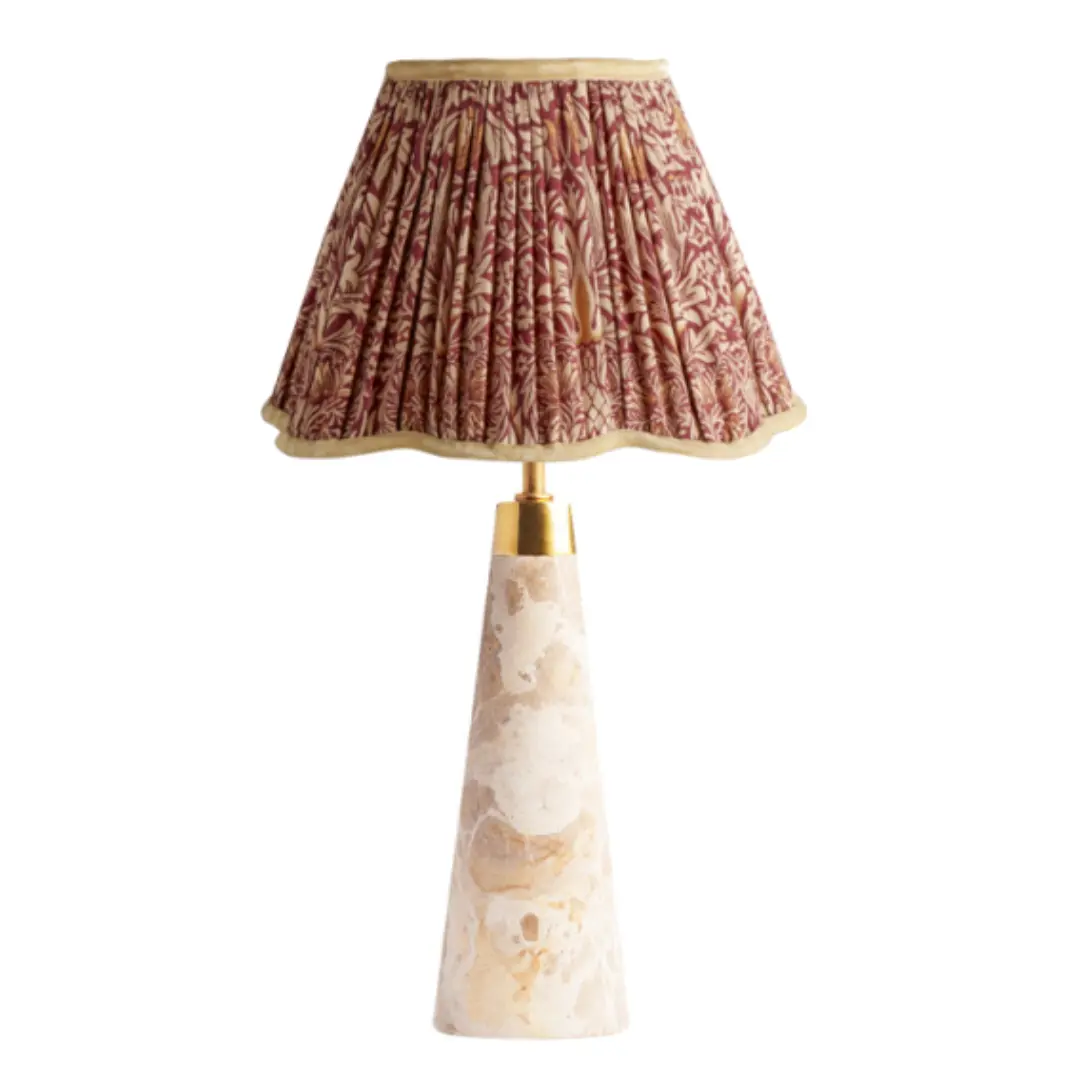
This evolution has elevated the table lamp from a background accessory to a primary anchor of a room’s visual language. Whether crafted from heavy veined marble, gleaming lacquered wood, or tactile ceramic, modern lighting acts as functional art—bridging the gap between interior design and fine sculpture.

The Rise of Sculptural Lighting: Expert Perspectives
To understand this ongoing design revolution, one must examine how industry leaders view the dual nature of modern home accessories. Georgia Metcalfe, founder and creative director of French Bedroom, offers a clear perspective on why silhouette and form have taken center stage in contemporary decor.
"Lighting should always look as good on as it does off," Metcalfe asserts. For Metcalfe and her contemporaries, sculptural lighting plays a vital role that extends far beyond the physics of illumination. "Lighting designs with beautiful silhouettes can never be overlooked; sculptural table lamps make beautiful ornaments within a room, offering both a practical and aesthetically pleasing purpose."
This dual purpose explains why consumers and interior stylists alike are moving away from purely functional fixtures. A well-designed lamp introduces dimensionality to a vignette, layering effortlessly alongside decorative objects, curated art books, and handcrafted ceramics. When a fixture possesses sufficient visual weight and sculptural integrity, it anchors a tablescape, drawing the eye and establishing a sophisticated, intentional rhythm throughout a living space.
Spotlight on a Trendsetter: The Rachel Zoe Solid Dome Table Lamp
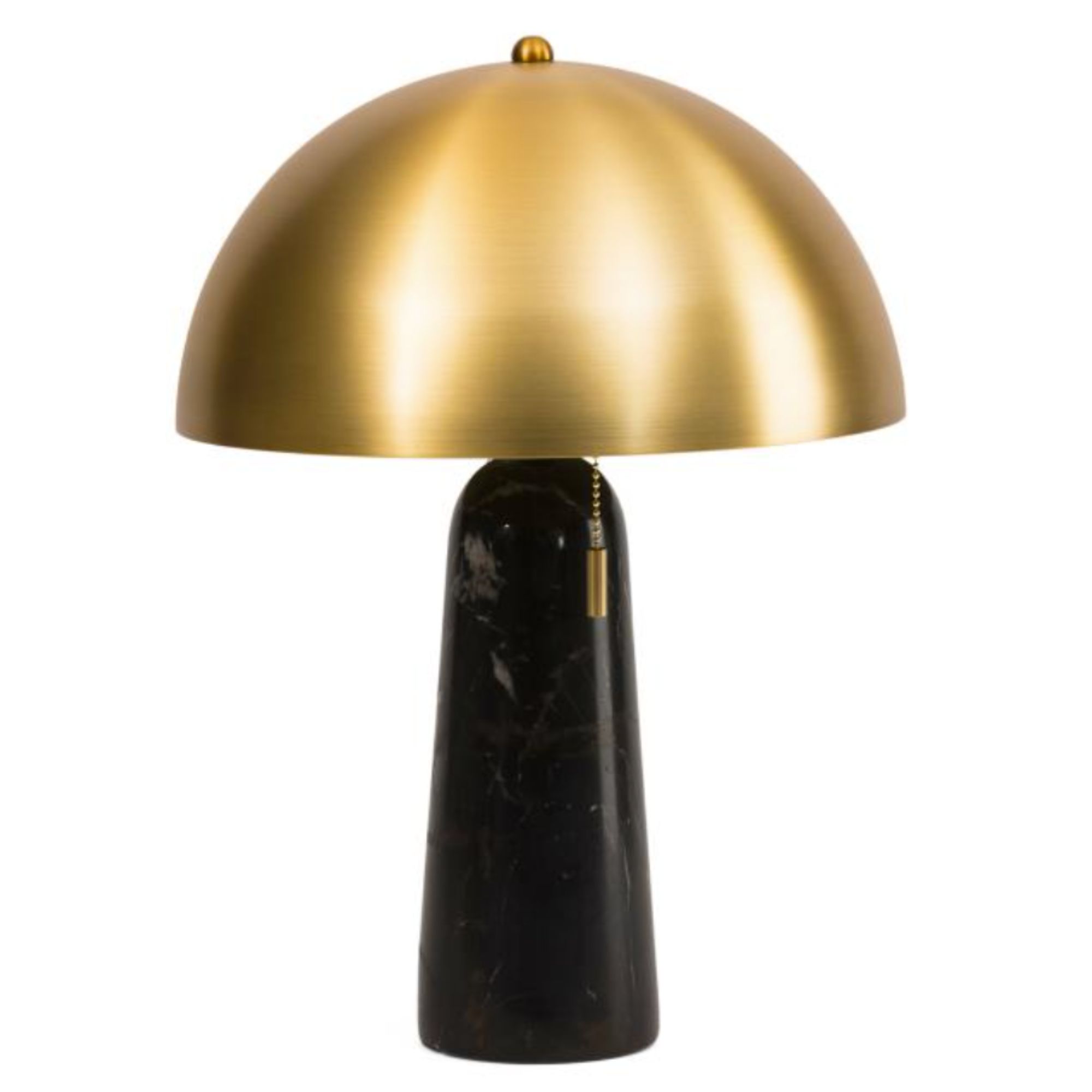
Among the myriad options reflecting this design philosophy, the Rachel Zoe Solid Marble and Metal Dome Table Lamp—frequently discovered as an unexpected treasure at retailers like TJ Maxx—has emerged as a masterclass in affordable luxury. Priced at under $80, the fixture punches well above its weight class, possessing a physical and visual presence that would not look out of place within a high-end art gallery or a contemporary design museum.
Materiality and Craftsmanship
The lamp achieves its high-end aesthetic through a sophisticated juxtaposition of raw materials. A substantial, solid marble base anchors the piece, introducing organic texture, natural veining, and an unmistakable sense of permanence. Balancing this heavy, earthy foundation is a sleek, streamlined metal dome shade. This metallic cap introduces a contemporary, architectural line that prevents the design from feeling overly traditional or dated.
Versatility in Styling
The synthesis of cool stone and polished metal gives the fixture enough visual gravity to hold its own next to heavy pottery, stacked coffee table books, and modern sculptures. Because the marble base and metallic dome interact so dynamically with natural daylight, the lamp functions as a compelling piece of decor from sunrise to sunset. It proves that exceptional design is not strictly tied to an exorbitant price point, democratizing high-end aesthetics for everyday homeowners.
Chronology of a Design Movement: How We Got Here
To fully grasp the magnitude of this shift in home decor, it is helpful to trace the chronological evolution of domestic lighting over the past century.
Mid-20th Century: Mid-Century Modernism and Form
During the mid-20th century, architectural icons like Achille Castiglioni and Isamu Noguchi began challenging the boundaries of traditional lighting. Noguchi’s Akari light sculptures, crafted from handmade washi paper and bamboo, were among the first to blur the line between fine art and domestic illumination. However, these pieces remained avant-garde, while mass-market production continued to favor utilitarian uniformity.
The Late 20th Century: The Era of Blending In
As suburban housing expansions boomed through the 1970s, 80s, and 90s, lighting design largely retreated into safety. Standardized brass lamps, pleated beige shades, and matching suite lighting dominated mainstream interior catalogs. The goal was cohesion through camouflage; lamps were expected to disappear into the broader color palette of a room.
The 2010s: The Rise of Industrial and Minimalist Aesthetics
The proliferation of urban loft living and the "Fixer Upper" aesthetic in the early 21st century brought Edison bulbs, exposed filaments, and raw iron cages into the mainstream. While this movement highlighted the bulb and the fixture’s skeleton, it often prioritized rustic or industrial tropes over refined sculptural elegance.
The Present Day: Tactile Materials and Functional Art
Today, the pendulum has swung toward tactile, sensory-rich environments. Consumers are rejecting sterile minimalism in favor of organic modernism, maximalist layering, and heritage-inspired craftsmanship. In this current climate, table lamps are treated as focal points. The focus has shifted entirely to the silhouette, the quality of the raw materials (such as unlacquered brass, travertine, marble, and hand-thrown ceramics), and the way a fixture commands a space in broad daylight.
Supporting Data and Market Trends: The Accessible Luxury Phenomenon
Recent retail data from home decor sectors underscores a dramatic surge in consumer spending on statement accessories, particularly within the mid-tier and discount luxury markets. Industry analysts note that shoppers are increasingly willing to invest in small, high-impact decor items—such as sculptural table lamps, artisanal ceramics, and decorative trays—as a cost-effective way to refresh their interiors without undertaking major renovations.
- The Sub-$100 Designer Dupe Market: Retailers specializing in treasure-hunt shopping experiences (like TJ Maxx, HomeGoods, and Target) report soaring demand for items featuring premium materials like real marble, fluted ceramic, and hand-forged metals at accessible price points.
- The Cordless Revolution: Portable, rechargeable LED lamps have surged in popularity, reflecting a consumer desire for flexibility. Fixtures that are free from the constraints of wall outlets allow homeowners to re-style their spaces dynamically, moving lamps effortlessly from dining buffets to bedside tables and reading nooks.
- Textural Contrast: Market research highlights a 42% year-over-year increase in online searches for items combining contrasting textures—most notably stone-and-metal pairings, fabric-pleated shades on lacquered bases, and natural wood paired with blown glass.
Official Responses and Expert Endorsements
Leading interior designers and global brand directors have increasingly leaned into this aesthetic, championing the idea that a home’s atmosphere is defined as much by its unlit accessories as its illuminated ones.
Design houses note that client requests for "architectural table lighting" have overtaken traditional requests for ambient overhead schemes. According to trend forecasts released by major international design exhibitions, the modern consumer views home lighting as an extension of personal style—akin to choosing a piece of statement jewelry.
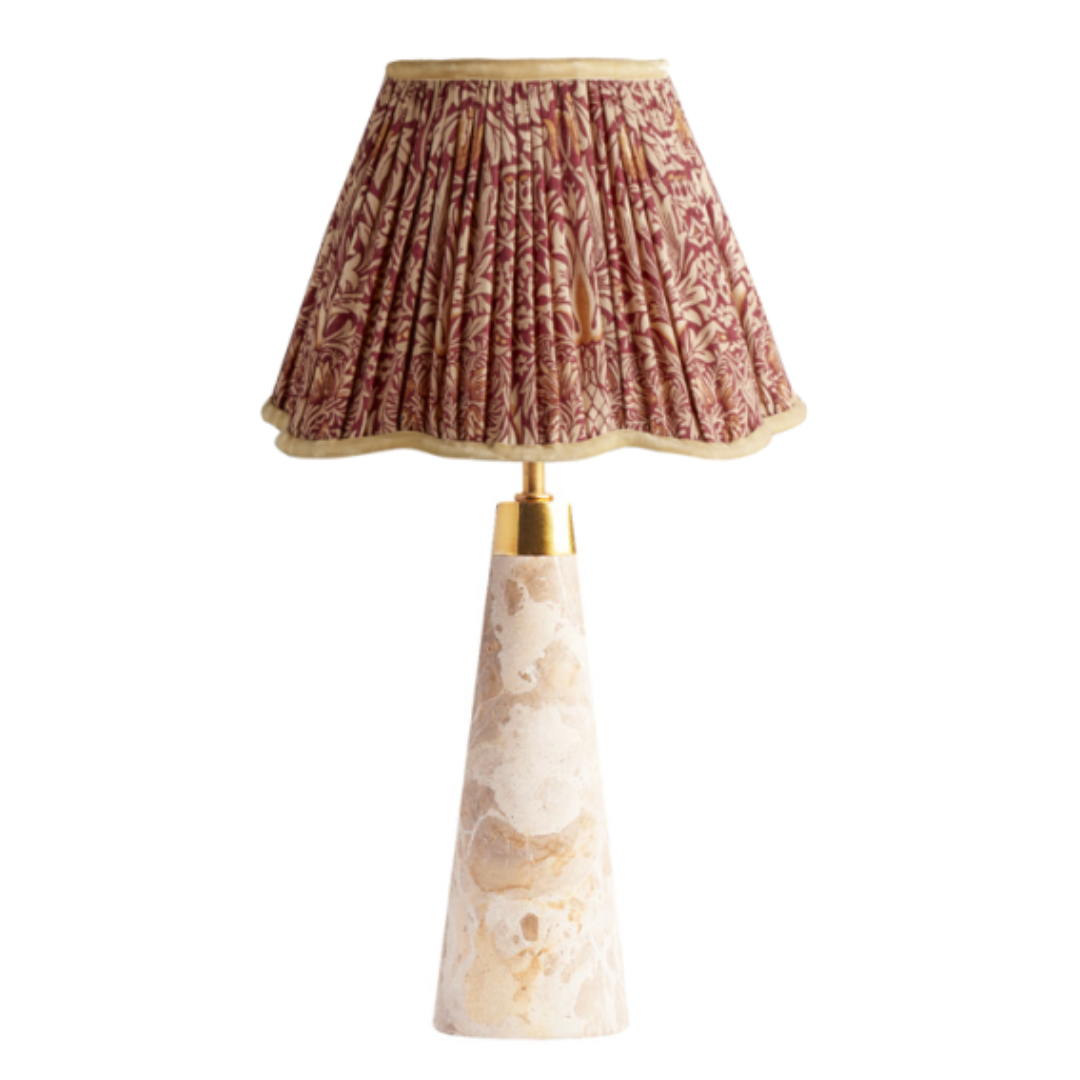
Furthermore, interior architects emphasize that sculptural lighting plays a critical psychological role in residential design. "When you walk into a room during the day, your eyes naturally seek focal points that offer tactile satisfaction," notes a leading London-based residential designer. "A lamp with a heavy stone base or a dramatic pleated shade provides that grounding element. It tells the brain that the space is curated, layered, and complete."
Implications for Future Interior Design
The transition of table lamps from pure utility to sculptural art carries significant implications for both consumers and manufacturers.
1. The Death of Disposable Decor
As consumers become more discerning and environmentally conscious, the appetite for cheap, mass-produced plastic lighting is waning. Even at lower price points, buyers expect integrity of material—demanding real wood, genuine stone, authentic ceramics, and heavy-gauge metals. This forces manufacturers to elevate their craft, proving that affordability does not necessitate poor design.
2. The Rise of Multi-Functional Styling
Because modern lamps must look exceptional during daylight hours, interior stylists are paying closer attention to the placement of lighting in relation to natural windows, mirrors, and daytime sightlines. A lamp is no longer hidden on a dark bookshelf; it is intentionally placed on a prominent console table, mantelpiece, or kitchen island as an anchor piece.
3. Continued Innovation in Cordless and Rechargeable Technology
The technical integration of discreet, rechargeable LED hardware inside heavy stone and ceramic bases represents the future of domestic lighting. By removing the visual clutter of cords, designers can create entirely seamless silhouettes that look indistinguishable from traditional museum-quality sculptures, while still offering the magical glow of ambient evening lighting.
Curated Alternatives: The Best Statement Table Lamps on the Market
For those looking to embrace this design philosophy and incorporate functional art into their living spaces, several standout options capture the essence of modern sculptural lighting:
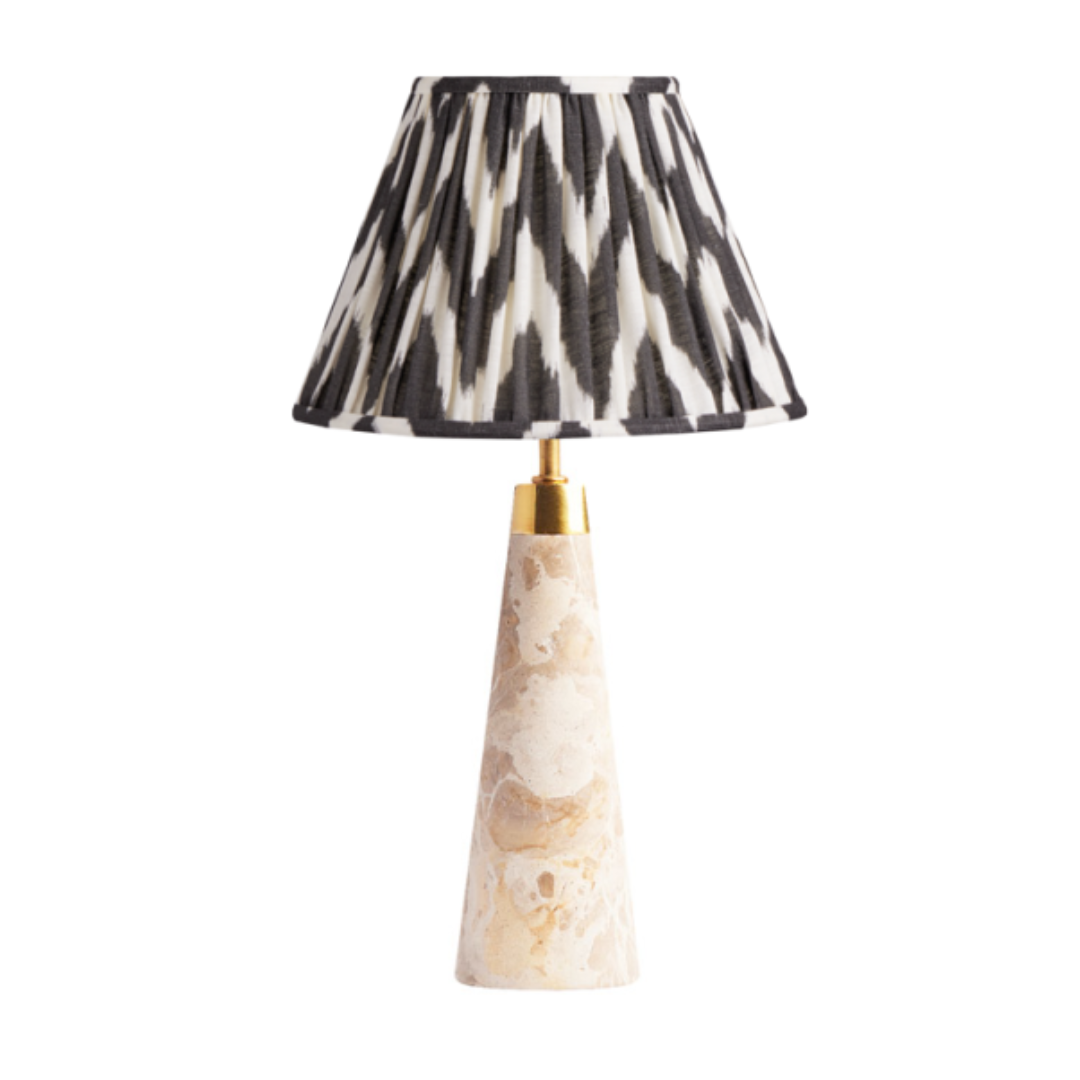
- Pooky Marmaron Cordless Table Lamp (with Ikat Printed Shade): A masterclass in portable elegance, pairing a tactile gray base with a graphic, designer-grade linen shade. Perfect for effortless styling across multiple rooms.
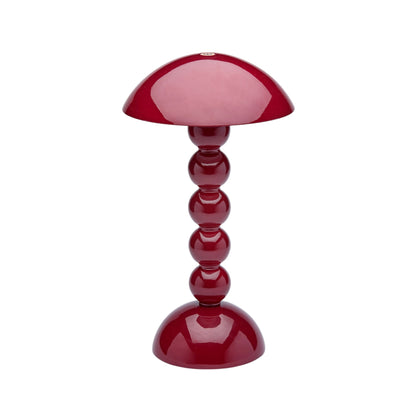
- Addison Ross Cherry Lacquer Rechargeable Bobbin Lamp: Embracing the timeless bobbin-leg trend, this glossy, highly saturated red lamp delivers a punch of color and architectural interest to any tablescape.
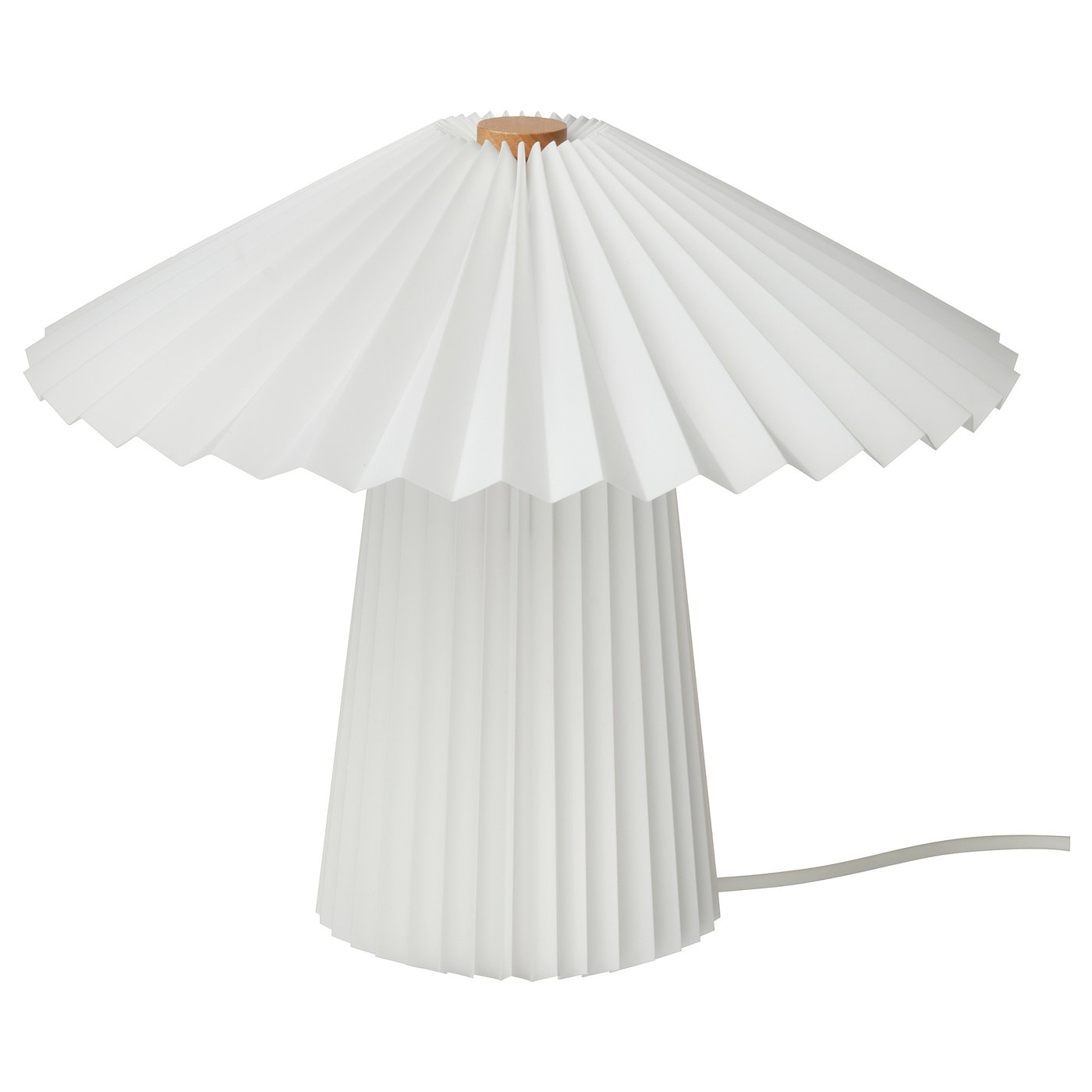
- IKEA Kuddlava Pleated White Table Lamp: Proving that high-end style is attainable on any budget, this Scandinavian-cool piece features a classic pleated shade that elevates traditional aesthetics for under $20.
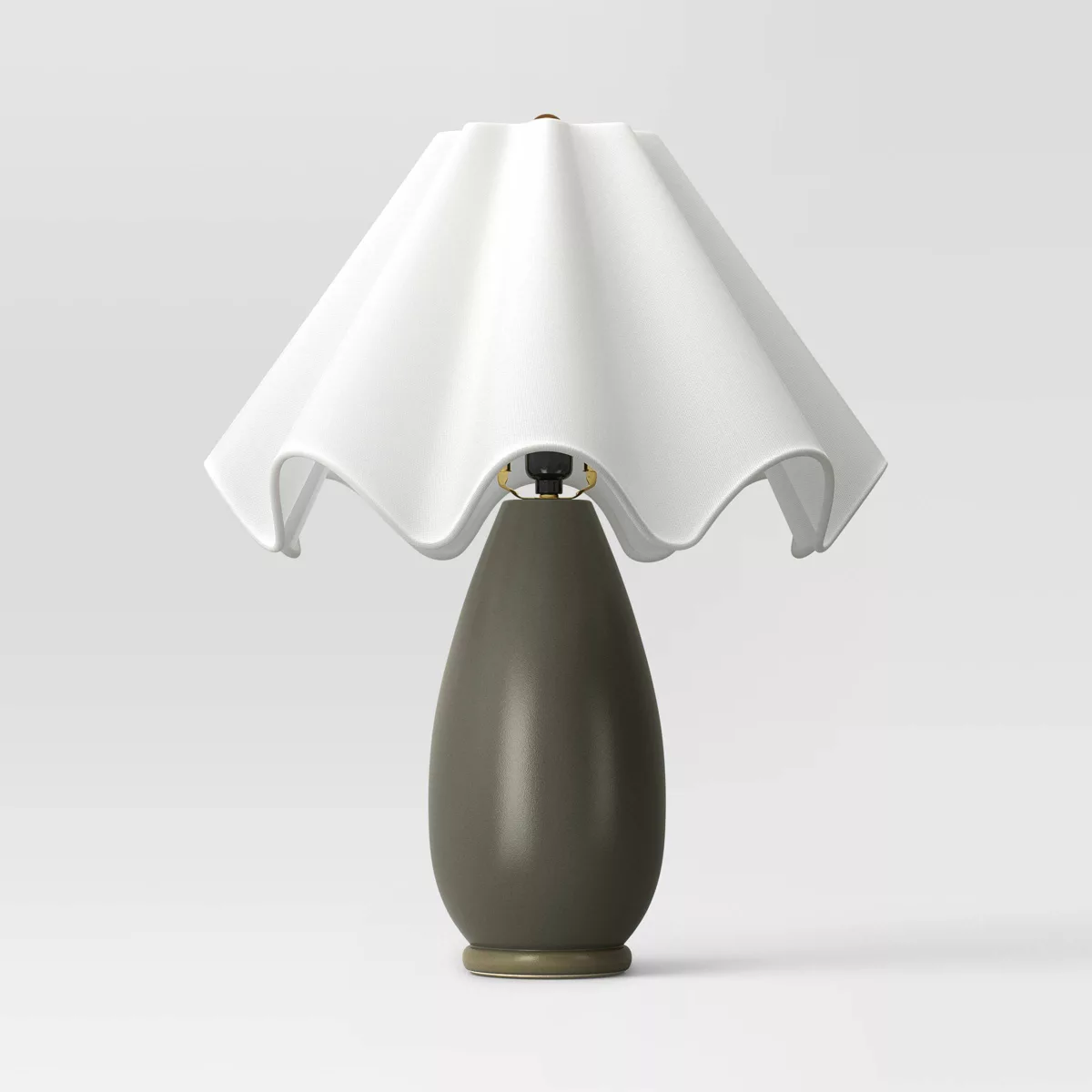
- Target Threshold Wavy Shade Ceramic Base Lamp: Featuring an organic olive ceramic base and an on-trend wavy shade, this $75 piece is a prime example of accessible design that shines just as brightly when switched off.
- McGee & Co. Koffler Table Lamp: A sharply tailored, sophisticated fixture designed to pull a living room together with understated warmth and intentional craftsmanship.
Conclusion
The evolution of the table lamp is a testament to the changing way we inhabit our homes. No longer relegated to the shadows of utility, lighting has stepped gracefully into the light as a definitive art form. By prioritizing exceptional silhouettes, honest materials, and tactile richness, today’s designers and retailers have proven that a lamp can—and should—captivate the eye long before the sun goes down.
