

August 26, 2026
By Chris Gray, Edited for The ACHR NEWS
Main Facts: A Dangerous Shift in the Field
The modern HVAC technician’s job description has traditionally included technical troubleshooting, customer service, electrical work, and heavy lifting. Increasingly, however, field service professionals must add crisis management, situational awareness, and physical security to that list.
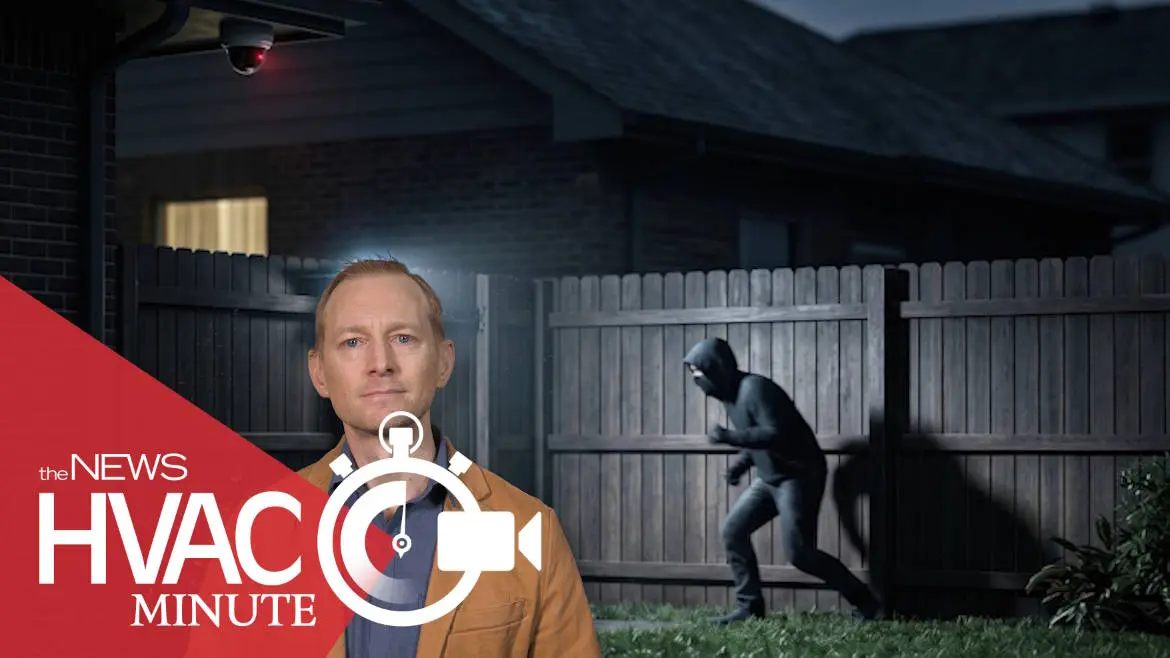
Recent headlines from across the United States highlight an alarming uptick in crime directly impacting HVAC contractors, field technicians, and residential equipment. In metropolitan areas like Atlanta, Georgia, soaring scrap metal prices have fueled a brazen wave of copper thefts. Criminals are targeting residential and commercial AC units alike, stripping vital components or hauling away entire systems—sometimes at gunpoint.
Concurrently, internal and external safety incidents have turned deadly or dangerous. Recent reports underscore rising tensions in the field, including a tragic workplace shooting where an HVAC technician shot a co-worker during a dispute on the job. These harrowing events have forced contractors, business owners, and industry associations to rethink how they protect their workers, secure expensive equipment, and navigate an increasingly volatile public landscape.
Chronology: How the Crisis Escalated
The intersection of the HVAC industry and criminal activity is not entirely new, but the frequency, audacity, and severity of recent incidents represent a distinct escalation.
Early-to-Mid 2020s: The Scrap Metal Surge
Following global supply chain disruptions and inflationary pressures in the early 2020s, the value of commodities—particularly copper and aluminum—skyrocketed. Copper, often referred to by thieves as "the red gold," became a prime target for opportunistic criminals. HVAC units, packed with copper coils and lines sets, quickly became targets of choice.
2024–2025: From Property Crime to Armed Confrontation
As local law enforcement agencies cracked down on unsecured scrap yards, thieves grew more desperate and aggressive. Property crimes transitioned into violent confrontations. Homeowners attempting to stop AC thieves in their yards began reporting armed encounters. Simultaneously, labor shortages and heightened economic stress trickled down to the job site, contributing to frayed nerves, workplace stress, and, in extreme cases, violent altercations between colleagues.
August 2026: A Boiling Point
The situation reached a media crescendo in late August 2026. A wave of high-profile incidents in the Southeast—marked by daylight heists of entire HVAC systems and alarming workplace violence—compelled industry publications and local news outlets to sound the alarm. Contractors are now facing an unprecedented dual threat: protecting their rolling assets and inventory in the field, and ensuring the physical safety of their personnel on job sites.
Supporting Data: The Economics of HVAC Crime
To understand why HVAC equipment has become such a primary target for criminals, one must examine the economics of scrap metal and equipment replacement.
- The Value of Copper: Copper trading prices have remained historically high, making stripped condenser coils and stolen line sets immensely lucrative on the illicit black market. A single large commercial or residential system can yield tens to hundreds of dollars in raw scrap value, while causing thousands of dollars in property damage to the homeowner.
- Equipment Costs: With inflation affecting manufacturing and distribution, replacing a stolen or irreparably damaged complete residential heat pump or air conditioning system can easily range from $5,000 to $15,000+ depending on efficiency ratings and tonnage.
- The Toll on Technicians: According to internal industry surveys, field technicians report feeling increasingly vulnerable when working in unfamiliar neighborhoods, handling service calls late at night, or managing difficult customers during peak cooling seasons when systemic breakdowns cause high stress.
- Workplace Violence Statistics: While HVAC work is traditionally viewed as safe compared to construction or heavy industry, rising rates of interpersonal conflict, road rage while traveling between calls, and on-site disputes have pushed safety directors to mandate formal de-escalation training.
Official Responses: Industry Leaders and Law Enforcement React
In response to the growing crisis, law enforcement agencies, municipal leaders, and HVAC industry associations are mobilizing to protect both property and personnel.

Law Enforcement Crackdowns and Scrap Yard Regulations
Police departments in metropolitan hubs like Atlanta are stepping up patrols in residential neighborhoods experiencing repeated copper thefts. Law enforcement is also placing increased scrutiny on local scrap metal recycling facilities, enforcing stricter identification requirements for individuals attempting to cash in stripped HVAC coils. Detectives note that tracking down unregistered scrap sellers is one of the most effective ways to dismantle local theft rings.
Contractor Adaptation: Securing the Fleet and Yard
HVAC business owners are investing heavily in preventative technology. Fleet vehicles are now frequently outfitted with GPS tracking, heavy-duty locking storage compartments, and dashcams. Furthermore, contractor supply yards are upgrading perimeter security with high-definition AI-enabled surveillance cameras, motion-activated lighting, and reinforced fencing to deter overnight inventory thefts.
Training and De-Escalation Protocols
Recognizing that physical threats can come from outside or inside the organization, progressive HVAC companies are rewriting their safety manuals. Training programs now incorporate:
- Conflict Resolution and De-Escalation: Teaching technicians how to safely disengage from hostile customers, angry property owners, or volatile co-workers.
- Situational Awareness: Guidelines on when to refuse service or leave a job site if a situation feels unsafe.
- Buddy Systems: Requiring technicians to work in pairs or check in regularly when deployed to high-risk areas or working late-night emergency calls.
Implications: What This Means for the Future of HVAC Contracting
The rising tide of crime and violence touching the HVAC sector carries profound implications for business owners, technicians, and consumers alike.
1. Rising Operational Costs
Security measures do not come cheap. Between upgrading fleet security, installing yard surveillance, and investing in comprehensive de-escalation and safety training, operational overhead for HVAC contractors is rising. Unfortunately, these increased costs are often trickled down to consumers through higher service call fees and equipment installation pricing.
2. Recruitment and Retention Challenges
The HVAC industry is already grappling with a severe labor shortage, struggling to attract younger generations to the trades. Incidents of workplace violence, armed robberies, and unsafe field conditions could severely hinder recruitment efforts. If prospective technicians perceive the trade as physically dangerous, attracting and retaining top-tier talent will become exponentially harder.
3. Shift in Customer Service Dynamics
Technicians may become more cautious when interacting with the public. Homeowners can expect stricter protocols regarding property access, payment handling, and service refusals if a homeowner exhibits aggressive behavior. The old adage "the customer is always right" is steadily being replaced by "safety always comes first."
4. Technological Solutions on the Horizon
As physical security becomes paramount, tech innovators are stepping in. Future-proof HVAC systems may soon feature built-in GPS tracking chips, digital lockouts if a unit is illegally disconnected, and smart diagnostics that alert owners and contractors instantly if a system is tampered with or stolen.
Conclusion
The events of August 2026 serve as a stark wake-up call for the HVAC contracting industry. While heat pumps, energy efficiency, and smart thermostats traditionally dominate trade headlines, the human and security elements of the trade can no longer be ignored. By acknowledging these risks head-on—through tighter security, rigorous safety training, and cooperative partnerships with law enforcement—the industry can protect its most valuable assets: its equipment, its businesses, and, above all, its people.
