

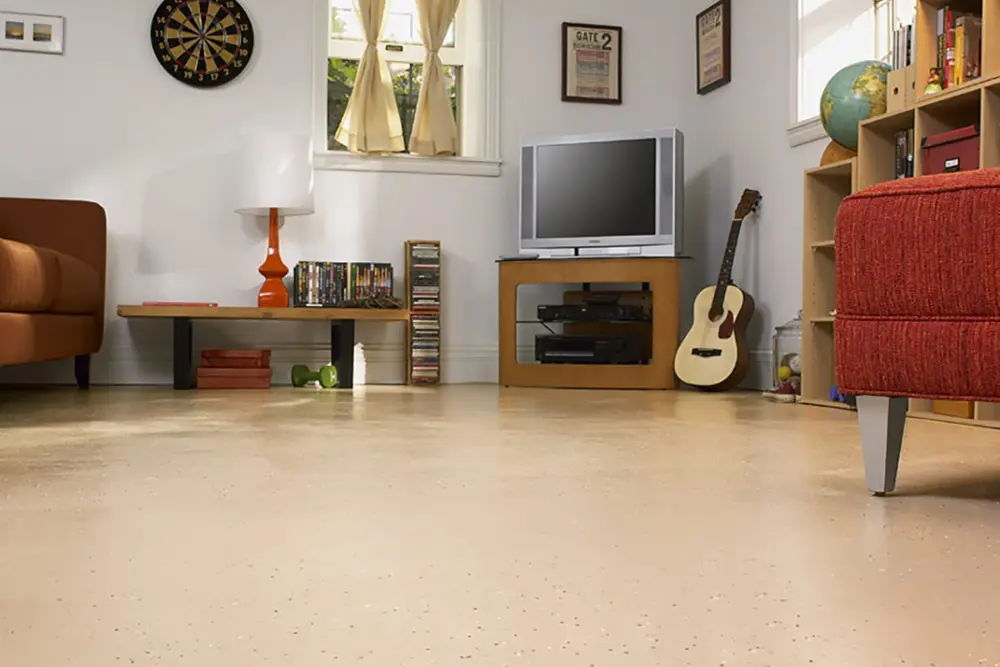
Transforming an unfinished concrete basement into a functional, inviting living space is one of the most effective ways to dramatically expand a home’s usable footprint. With the average American basement ranging between 500 and 1,500 square feet, finishing this subterranean level can unlock vast potential for family rooms, home gyms, playrooms, laundry spaces, and home offices.
However, below-grade renovations come with unique architectural challenges. Unlike upper-level living areas, basements are inherently more susceptible to moisture infiltration, humidity fluctuations, and occasional flooding. Selecting the right flooring material is not merely an aesthetic choice; it is a critical structural decision that determines the longevity, durability, and health of your home environment.
To help homeowners navigate the myriad of choices on the market, industry experts and testing panels have evaluated top-tier products across various categories—ranging from the waterproof resilience of the Pergo Outlast+ Waterproof Laminate Wood Flooring to budget-friendly sheet vinyl, high-end porcelain tile, and specialized basement paints.
The Core Dilemma: Subterranean Moisture and Structural Realities
Before driving a single nail or laying down a plank of flooring, homeowners must evaluate the moisture profile of their basement. Because basements sit below the water table and are surrounded by earth, they are prone to hydrostatic pressure—a force that pushes moisture through concrete slabs. Even minor dampness can trap water beneath improper flooring materials, fostering mold growth, structural decay, and unpleasant odors.
According to home improvement research, successful basement flooring must address three primary variables:
- Moisture Tolerance: The material must either be entirely waterproof or possess robust moisture-barrier properties.
- Subfloor Compatibility: It must adhere to or float seamlessly over raw concrete slabs without degrading.
- Room Functionality: The aesthetic and physical properties must align with how the space is used (e.g., high-traffic playrooms versus moisture-heavy laundry areas).
Chronology of Basement Finishing: From Raw Concrete to Polished Living Space
Understanding the evolution of basement flooring highlights why modern materials have largely replaced traditional options like standard hardwood and wall-to-wall residential carpet.
- The Mid-20th Century Approach: Historically, unfinished basements were left as raw concrete or treated simply with industrial latex paint. When homeowners began finishing basements in the 1970s and 80s, traditional hardwood and standard organic-backed carpets were frequently installed, leading to widespread mold outbreaks and warped floorboards due to unmitigated ground moisture.
- The Rise of Synthetic Innovation: The late 1990s and 2000s introduced moisture-resistant laminates and peel-and-stick vinyl tiles. While these offered better affordability, they still struggled with heavy standing water.
- The Modern Waterproof Era: Today’s market is dominated by engineered waterproof technologies. Innovations like Pergo’s SpillProtect, Bruce’s Hydropel engineered hardwood, and rigid-core luxury vinyl have revolutionized basement renovations, allowing homeowners to achieve high-end aesthetics without sacrificing durability against water damage.
Supporting Data: Evaluating the Top Basement Flooring Options
To provide a comprehensive blueprint for your upcoming renovation, experts have categorized the best basement flooring solutions based on specific performance metrics, cost efficiency, and room application.
1. Best Overall: Pergo Outlast+ Waterproof Laminate Wood Flooring
- The Appeal: While laminate has historically been viewed skeptically in damp environments, Pergo Outlast+ redefines the category. Equipped with proprietary SpillProtect technology, it prevents liquids from seeping into the core through plank seams—a feature robust enough to earn a rating for steam mopping.
- Durability: It features SurfaceDefense protection, offering superior resistance against household scratches, dents, and heavy foot traffic.
- Aesthetics: It masterfully mimics authentic hardwood, complete with natural-looking irregular cracks and grain splits.
- The Trade-off: It sits at a higher price point than standard laminates, but the long-term investment safeguards against premature replacement.
2. Best Bang for the Buck: TrafficMaster Residential Vinyl Sheet Flooring
- The Appeal: For budget-conscious renovators, TrafficMaster sheet vinyl delivers exceptional scuff- and scratch-resistance at a fraction of the cost of plank or tile systems.
- Installation Benefits: Available in 12-foot-wide rolls cut to length, sheet vinyl drastically reduces the number of seams compared to individual planks, thereby minimizing potential pathways for water infiltration. It can also be installed directly over concrete with minimal underlayment.
3. Best Tile: Marazzi Montagna Porcelain Floor and Wall Tile
- The Appeal: Rated for outdoor use, Marazzi porcelain tile is uniquely engineered to withstand severe basement environments, including occasional flooding.
- Safety and Style: The surface is naturally slip-resistant—crucial for damp areas—while remaining impervious to stains and dents. Utilizing a 24-inch-by-6-inch plank format with a wood-grain texture, it brings warmth and sophistication to laundry rooms, dens, and basement living spaces.
4. Best Carpet: Home Decorators Collection Trendy Threads Indoor Texture Carpet
- The Appeal: Basements are notoriously chilly, and standard carpeting offers much-needed thermal insulation. However, traditional carpets rot in moist environments. Home Decorators Collection solves this by utilizing treated synthetic fibers that resist staining, soiling, and moisture retention.
- Comfort: With a generous 0.8-inch pile height, it provides deep cushioning, making it the premier choice for basement children’s playrooms.
5. Best Paint: Rust-Oleum Epoxyshield Basement Floor Coating
- The Appeal: For workshops, utility rooms, or minimalist industrial spaces, a specialized epoxy coating provides unmatched staying power.
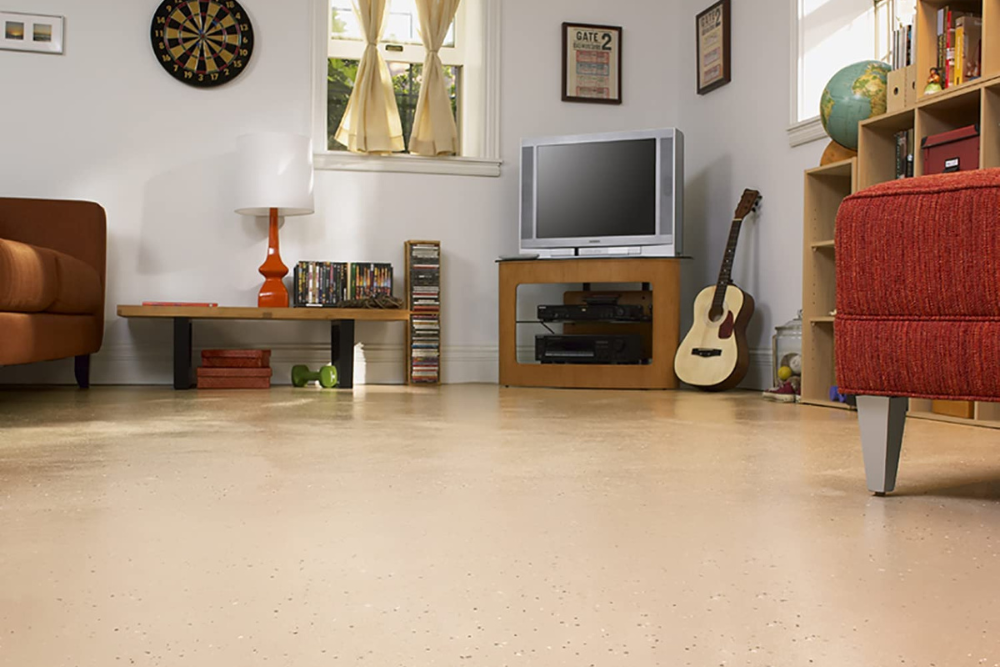
- Performance: Unlike standard latex paints, Rust-Oleum’s two-part epoxy creates a hard, impenetrable barrier against heavy foot traffic and water. Its low-fume, water-based formula ensures easier cleanup while delivering a satin finish complete with decorative chips for an upgraded visual appeal.
6. Best Rubber: American Floor Mats Fit-Lock Rubber Flooring
- The Appeal: Composed entirely of dense rubber that will not absorb moisture, these interlocking 0.375-inch thick tiles are purpose-built for basement home gyms and high-impact workout spaces. They provide essential shock absorption over unforgiving concrete slabs and install easily without permanent adhesives.
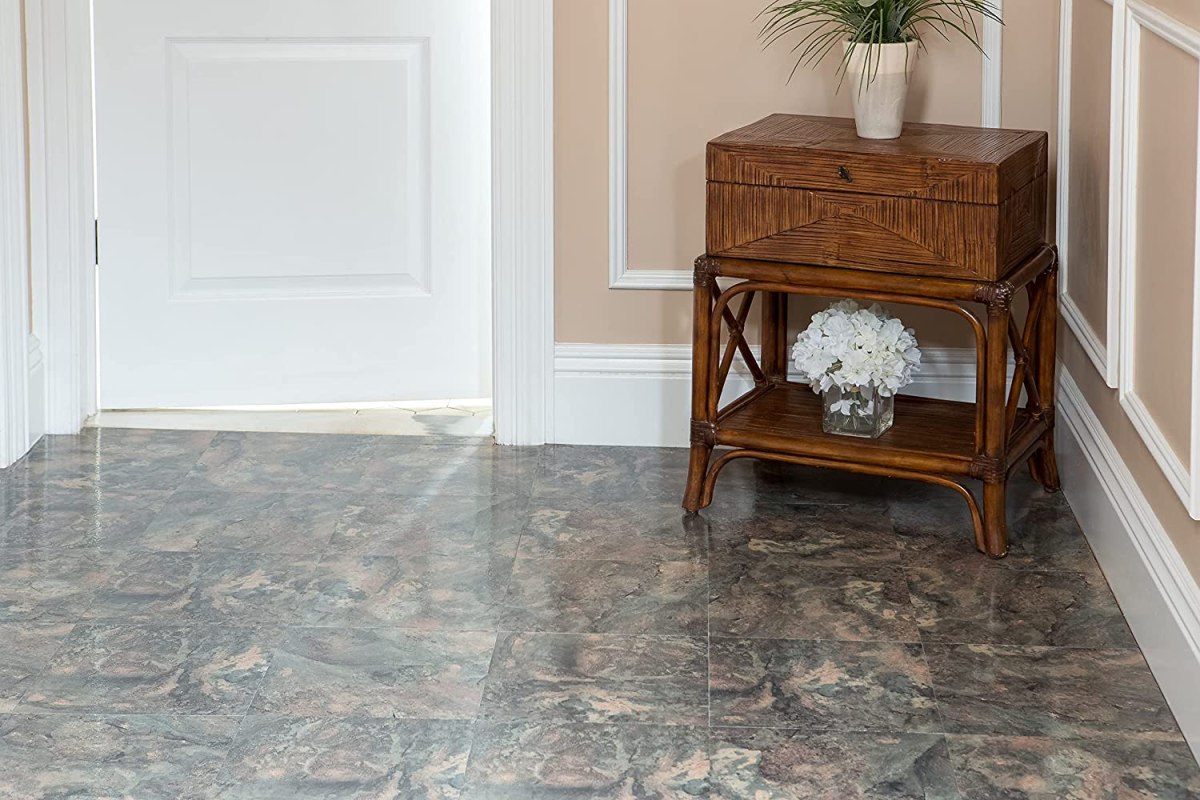
7. Best Peel-and-Stick: Achim Nexus Self-Adhesive Vinyl Floor Tiles
- The Appeal: Offering styles that mimic stone, parquet oak, and white marble at a rock-bottom price, these tiles attach directly to concrete via a peel-and-stick adhesive backing.
- Caveat: Because standing water can eventually break down the adhesive along the seams, these are best reserved for dry, low-risk basement areas.
8. Best Engineered Hardwood: Bruce Hydropel Engineered Hardwood Flooring
- The Appeal: Standard hardwood is strictly prohibited in below-grade settings. However, Bruce’s Hydropel technology creates a moisture shield that protects the wood from spills and subfloor humidity for up to 36 hours.
- Luxury: It offers genuine hardwood grain and finishes for luxury basement dens, though it represents one of the most premium financial investments on the market.
Official Industry Responses and Expert Methodology
Industry associations, such as the National Wood Flooring Association (NWFA) and leading interior design testing bodies, emphasize rigorous selection criteria when assessing below-grade products.
Testing protocols require evaluating flooring samples under simulated hydrostatic pressure and high relative humidity conditions. Products that maintain dimensional stability without warping, delaminating, or promoting microbial growth earn top recommendations. Experts consistently urge homeowners to perform a simple moisture test—such as taping a plastic square to the concrete floor for 24 hours—before installing any organic or semi-porous material. If condensation forms beneath the plastic, a dedicated vapor barrier or waterproof flooring system is mandatory.
Broader Implications for Home Value and Livability
Investing in the correct basement flooring yields profound implications for both immediate lifestyle quality and long-term real estate valuation.
- Maximized Square Footage: Finishing a basement converts dead, underutilized storage space into functional living quarters, effectively increasing the appraised market value of the home.
- Thermal Efficiency: Quality flooring acts as an additional thermal break, preventing heat loss through the concrete slab and improving the overall energy efficiency of the house.
- Indoor Air Quality Control: By prioritizing waterproof and moisture-resistant materials, homeowners mitigate the risk of hidden mold and mildew cultivation, safeguarding the respiratory health of household occupants.
Ultimately, while subterranean spaces present unique environmental hurdles, modern material engineering ensures that homeowners no longer have to compromise between beauty and durability. By carefully matching the chosen flooring material to the specific moisture profile and intended use of the room, you can turn your basement into a stunning, resilient extension of your home.
