

When interior designers discuss the architecture of a room, the conversation inevitably turns to framing. While crown molding, baseboards, and flooring set the structural stage, window treatments provide the finishing narrative. Curtains are uniquely transformative: they infuse a space with color, texture, and emotional resonance while simultaneously managing thermal efficiency, natural light, and privacy.
Yet, achieving a high-end, professionally designed look comes down to a matter of millimeters. Choosing the correct curtain length, mastering hanging heights, and calculating proper panel widths are the subtle details that elevate a room from looking hastily put-together to immaculately curated. This comprehensive guide explores everything you need to know about selecting, measuring, and styling curtain lengths for every window in your home.
Main Facts: The Anatomy of Window Treatment Sizing
At its core, selecting window treatments is a balancing act between aesthetic ambition and functional necessity. Curtains do far more than look pretty; they regulate the transfer of solar heat, reduce cooling and heating bills, block out unwanted light, and provide acoustic dampening. However, none of these benefits are fully realized if the sizing is flawed.
The foundational principle of hanging window treatments centers on two measurements: length and width.
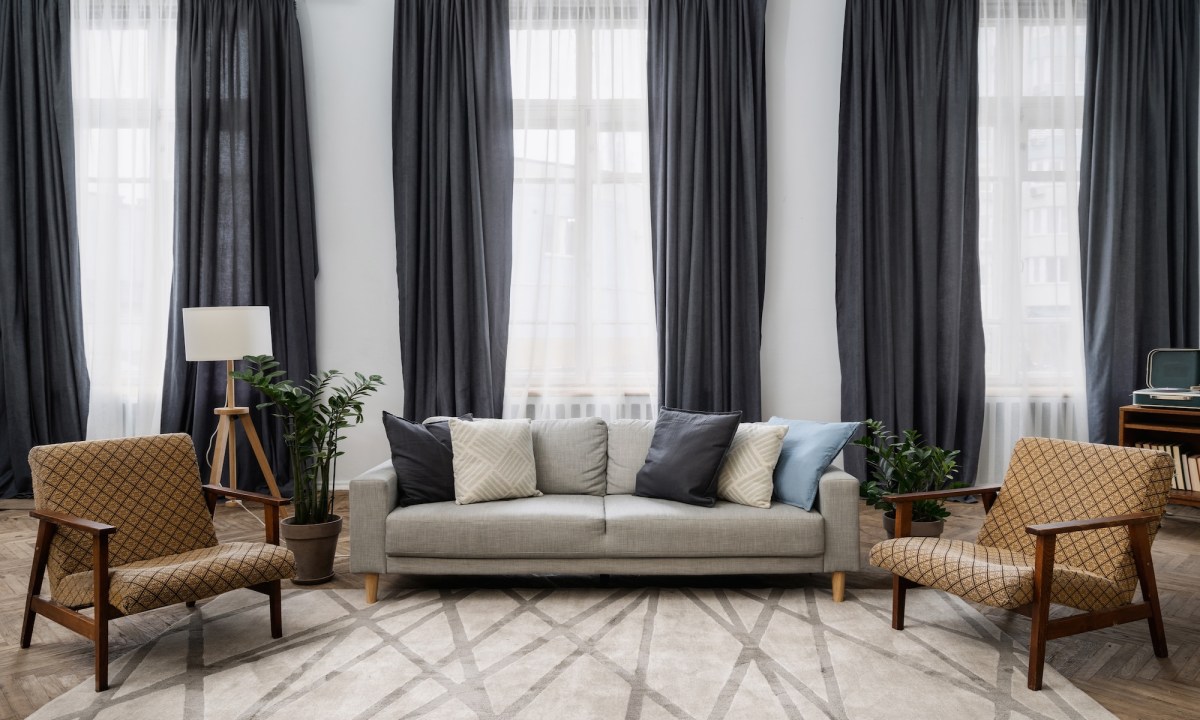
- Length dictates the formality and mood of a space. Shorter treatments, which sit near the windowsill, offer a casual, utilitarian charm, whereas floor-length or pooled drapes exude architectural grandeur, drawing the eye upward and making ceilings appear higher.
- Width determines fullness. A common amateur mistake is purchasing panels that are just wide enough to cover the glass flat. Professional designers ensure that the combined width of the curtain panels equals at least double—and ideally two-and-a-half times—the actual width of the window frame to create rich, luxurious folds.
Furthermore, fabric weight plays an intrinsic role in performance. Heavy velvet, lined linen, or thermal-backed blackout fabrics require precise length calculations because their weight causes them to drape differently than sheer cottons or polyesters.
Chronology of a Window Treatment Project: Step-by-Step Execution
Executing a successful window dressing project requires a chronological approach. Rushing straight to the checkout line without a plan often leads to awkward proportions and wasted investments. Follow this sequence to guarantee professional results:
Phase 1: Conceptualization and Style Selection
Before touching a tape measure, determine the primary function of the room. Is it a high-traffic, moisture-prone kitchen or a formal, dramatic dining room? Your functional needs will dictate your style category: café, apron, floor-length, or pooled.
Phase 2: Structural Assessment and Rod Placement
Assess your ceiling height and window frame construction. Decide where the curtain rod will live. In standard rooms with 8-foot ceilings, mounting the rod high—just a few inches below the crown molding or ceiling line—instantly creates the illusion of vertical volume. In spaces with 9-foot or vaulted ceilings, aim to place the rod roughly 12 inches above the window frame.
Phase 3: Precision Measurement
With your rod height established, measure down to your target endpoint (windowsill, apron, floor, or floor-plus-pooling). Concurrently, measure your window frame width and add 8 to 12 inches to each side to determine your ideal rod span.
Phase 4: Procurement and Installation
Purchase your hardware and panels based on your calculated specifications. Install the brackets securely—using drywall anchors if studs are unavailable—hang the rod, and steam or iron the panels once hung to relax shipping creases and allow the fabric to fall naturally.
Supporting Data: Standard Curtain Length Chart
Navigating off-the-rack drapery options can be confusing. Manufacturers typically produce standard lengths designed to accommodate common ceiling heights and window proportions. Use this reference chart to align your goals with standard retail sizes:
| Design Goal & Application | Standard Curtain Length | Ideal Room Architecture |
|---|---|---|
| Cover a standard double-hung window (sill-length) | 63 inches | Kitchens, bathrooms, utility spaces |
| Cover the window to just above the floor (apron/break) | 84 inches | Standard 8-foot ceilings, bedrooms, casual living areas |
| Cover the window and rest cleanly on the floor | 96 inches | 8-foot ceilings with high-mounted rods |
| Cover the window, hanging high above the floor | 108 inches | 9-foot ceilings, formal living and dining rooms |
| Cover the window and pool dramatically on the floor | 120 inches | 9-foot+ ceilings, luxury formal spaces |
Note: If your measurements fall between standard sizes—such as needing a 72-inch length—it is almost always best to purchase the next size up (84 inches) and hem them, or adjust your curtain rod height slightly to bridge the gap.

Categorizing Curtain Styles by Room and Function
To master interior styling, one must understand the four primary curtain lengths and where they belong within a floor plan.
1. Café Curtains
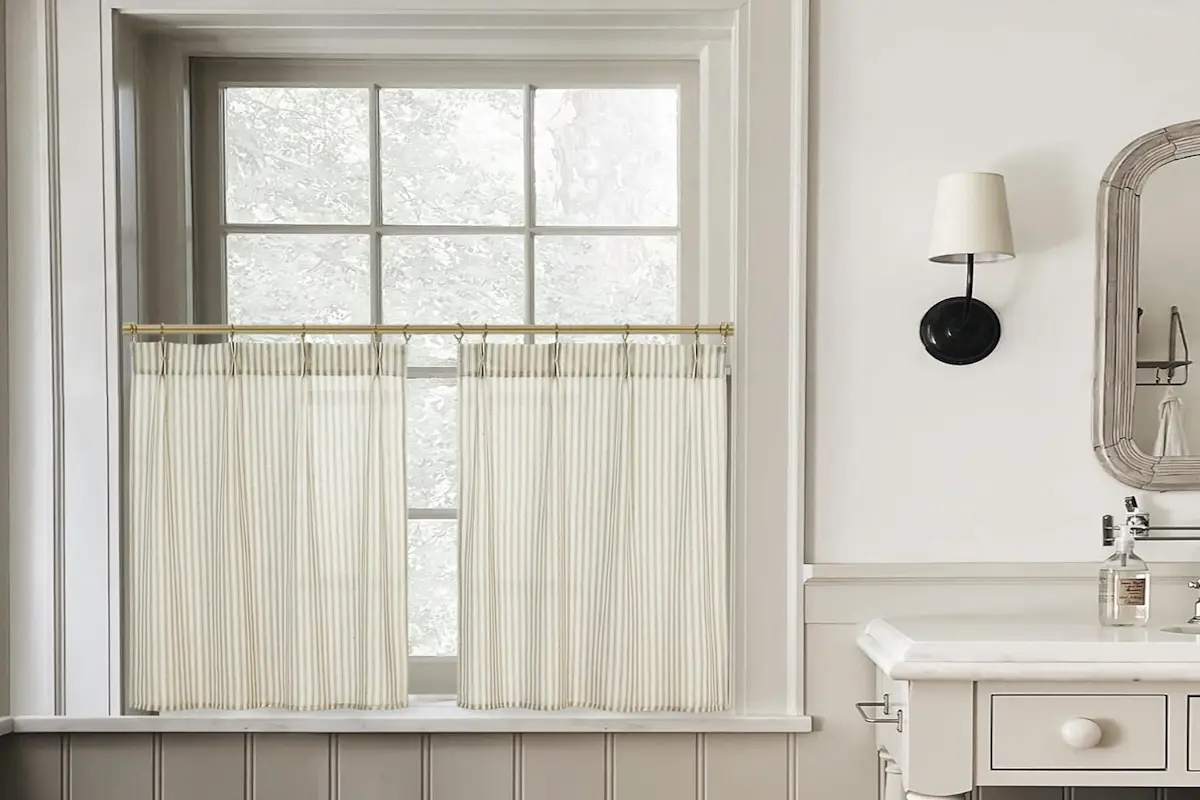
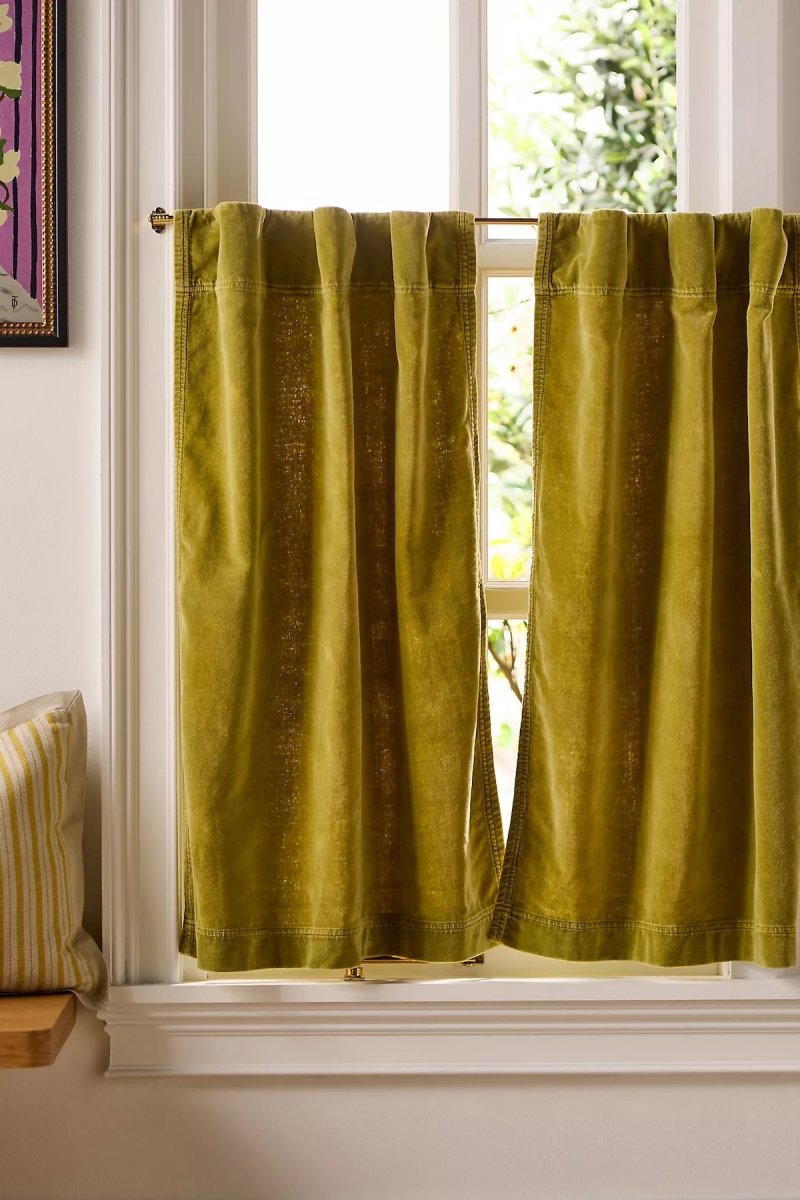
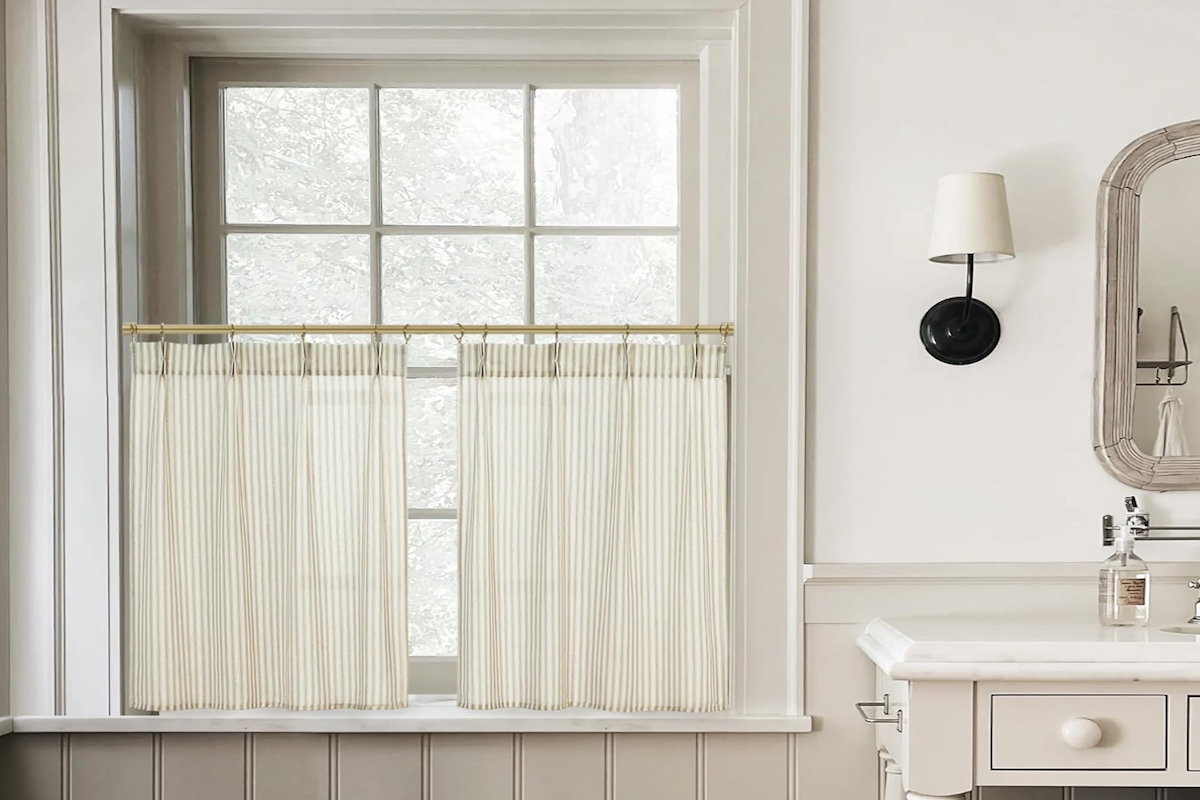
Café curtains cover only the bottom half of a window, typically paired with a matching valance or left open at the top. Crafted predominantly from light, airy, or sheer fabrics, they invite soft daylight into the interior while maintaining privacy at eye level.
- Best Suited For: Bathrooms, laundry rooms, and farmhouse- or cottage-style kitchens.
- Vibe: Casual, whimsical, and welcoming.
2. Apron Curtains (Sill-Length)
Apron curtains extend just a few inches past the bottom of the window sill (typically hitting the "apron" molding beneath it). They provide complete coverage of the glass without risking interference with baseboard heaters, radiators, or furniture placed directly underneath the window.
- Best Suited For: Bedrooms, home offices, and children’s rooms where furniture sits close to the window wall.
- Vibe: Practical, tidy, and unpretentious.
3. Floor-Length Curtains
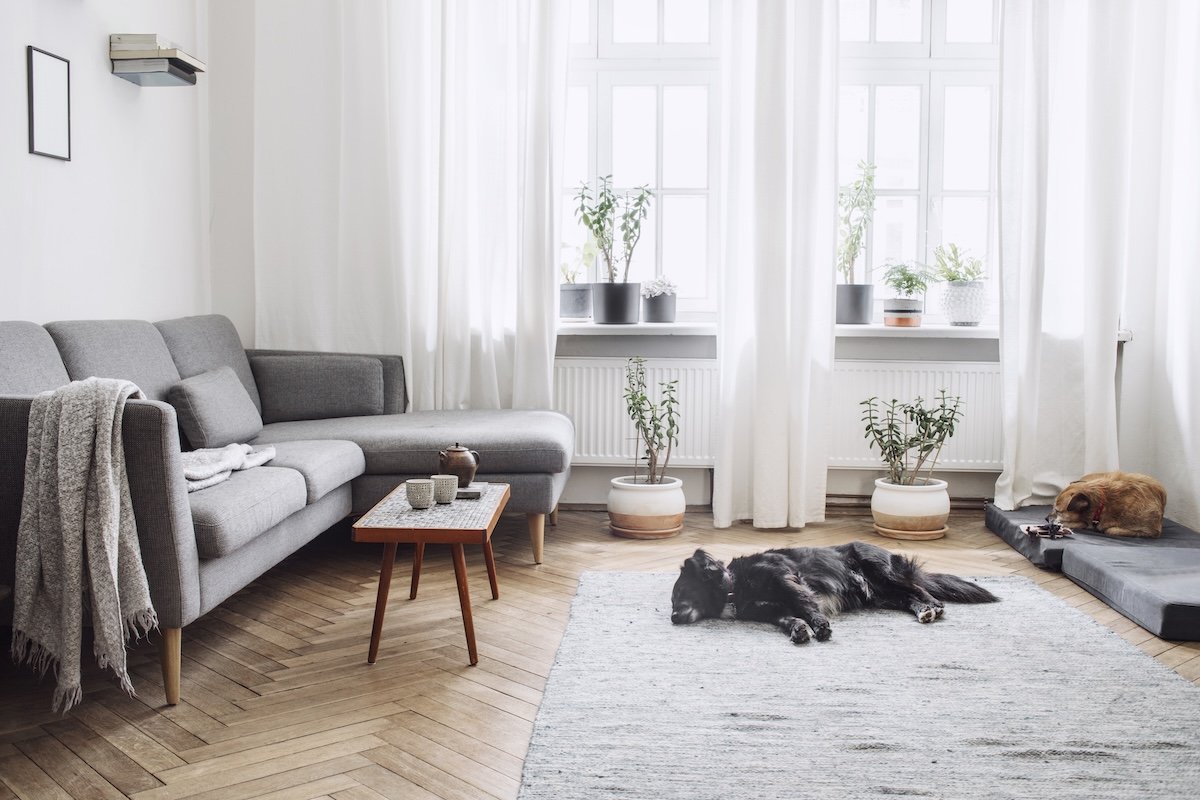
The gold standard of interior design, floor-length curtains either hover a mere half-inch above the floor or just lightly "kiss" the surface. When hung high near the ceiling, they elongate walls and inject understated elegance into a space.
- Best Suited For: Living rooms, formal dining rooms, and primary suites.
- Vibe: Sophisticated, tailored, and timeless.
4. Puddle Curtains
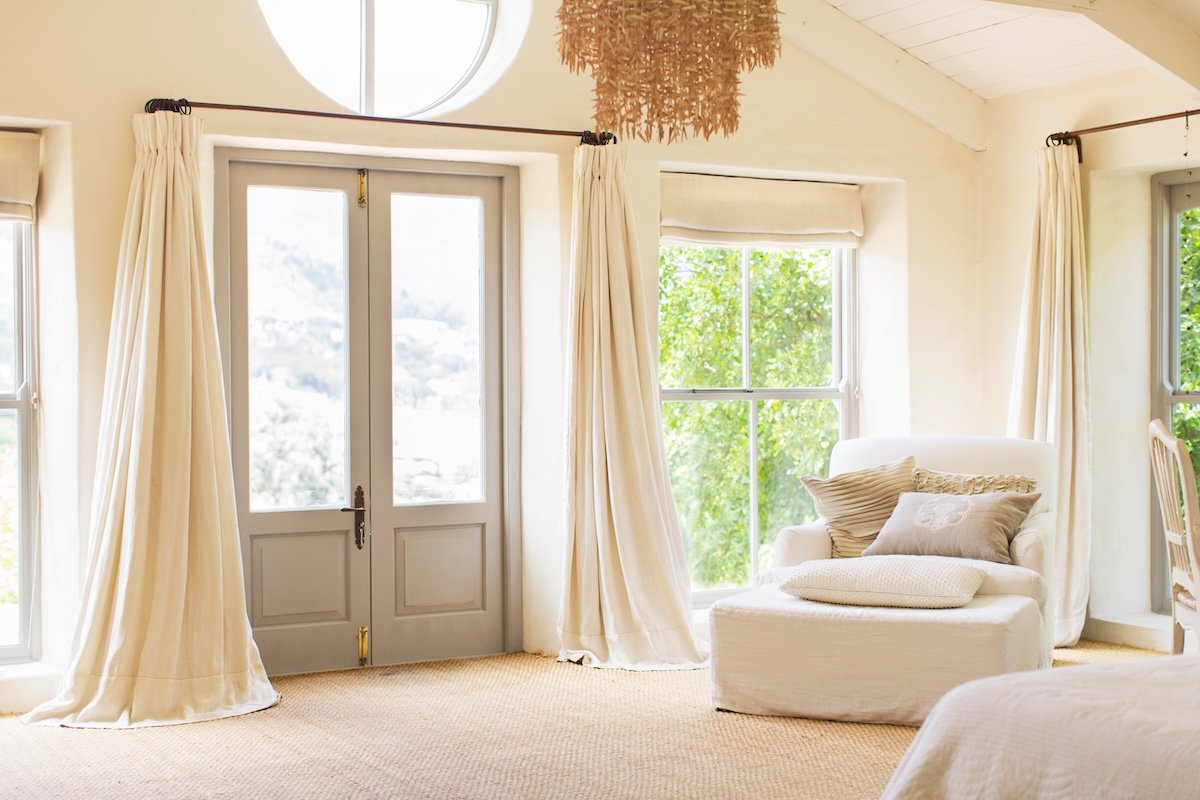
For the ultimate expression of luxury and drama, puddle curtains are manufactured with an extra 2 to 6 inches of fabric that pools, puddles, or cascades onto the floor. They require careful styling—often hand-arranged by designers—to look effortlessly decadent.
- Best Suited For: Low-traffic, highly formal formal dining rooms and primary parlors.
- Vibe: Opulent, theatrical, and ultra-formal. (Caution: Avoid in households with shedding pets or crawling toddlers, as they trap dust and pose tripping hazards.)
Expert Insights and Official Trade Recommendations
Professional interior designers emphasize that window treatments should never be treated as an afterthought. According to leading home design authorities, the most common pitfall homeowners face is the "postage stamp" effect—hanging a curtain rod directly on the window frame and using panels that are too short and too narrow.
"Treating windows as architectural assets rather than mere light-blockers changes the entire volume of a room," notes leading home design resource Bob Vila. "By pushing your curtain rods outward past the window frame and mounting them closer to the ceiling, you trick the eye into perceiving larger windows and grander architectural proportions."
When standard retail sizes fail to match unique architectural anomalies—such as arched windows, oversized historical glass panes, or custom bay configurations—trade professionals universally recommend turning to custom fabrication houses like The Shade Store or Hunter Douglas. While custom solutions require a higher upfront investment, they guarantee a flawless fit that off-the-rack alternatives simply cannot replicate.
Implications: Energy Efficiency, Maintenance, and Home Value
The choices you make regarding curtain length and fabric density have far-reaching implications that extend well beyond visual appeal.
Energy Efficiency and Thermal Dynamics
Windows are notorious thermal weak points in residential construction. In the searing heat of summer, unshaded windows invite solar gain, forcing air conditioning units to work overtime. Conversely, in winter, radiant heat escapes through glass surfaces.
- Long, heavy drapes—especially those featuring thermal or blackout linings—create an insulating air pocket against the window, dramatically reducing thermal transfer.
- Short café or apron curtains, while aesthetically charming, leave the lower portion of the wall exposed to radiant temperature fluctuations, leading to higher utility bills.
Maintenance and Longevity
The physical length of your curtains directly impacts their maintenance cycle. Puddle and floor-length curtains act as natural dust magnets, collecting pet hair, dander, and floor debris. Homes with allergy sufferers or high foot traffic require frequent laundering or professional dry cleaning for long drapes. In contrast, sill-length apron and café curtains are remarkably easy to remove, launder, and re-hang.
Long-Term Impact on Home Appraisal
While curtains are considered personal property rather than permanent fixtures, well-executed, high-end window treatments significantly enhance perceived interior value during home staging. Buyers subconsciously equate soaring floor-length drapery and custom hardware with quality construction and meticulous home maintenance, subtly elevating the emotional valuation of the property during a sale.
Summary Checklist for Measuring Success
Before picking up your drill or ordering your next set of drapes, keep this quick-reference checklist in mind:
- Mount High and Wide: Hang your rod 4 to 6 inches above the window frame (or near the ceiling) and extend it 8 to 12 inches past the frame on each side.
- Double Your Width: Ensure your total curtain panel width is at least twice the width of the window to ensure rich, luxurious folds.
- Choose the Right Length: Match your lifestyle and room formality to the correct category—café, apron, floor, or puddle.
- Prioritize Performance: Select heavier, longer fabrics for bedrooms and living spaces needing insulation and light control, and lighter, shorter panels for utility zones.
By approaching window treatments with architectural intention and precise measurement, you can completely redefine the comfort, style, and efficiency of your home.
