

Discovering that a colony of bats has taken up residence in your attic or wall cavities is enough to send a shudder down the spine of any homeowner. However, while the idea of sharing your roof with flying mammals might provoke immediate anxiety, pest control experts emphasize that bats are generally docile creatures simply searching for three basic survival needs: food, shelter, and water.
Unfortunately, what begins as a quiet roosting spot can quickly spiral into a major structural and health hazard. Beyond the psychological unease of having wildlife in the rafters, the accumulation of bat guano and urine can slowly degrade wood and insulation, eventually compromising a home’s structural integrity.
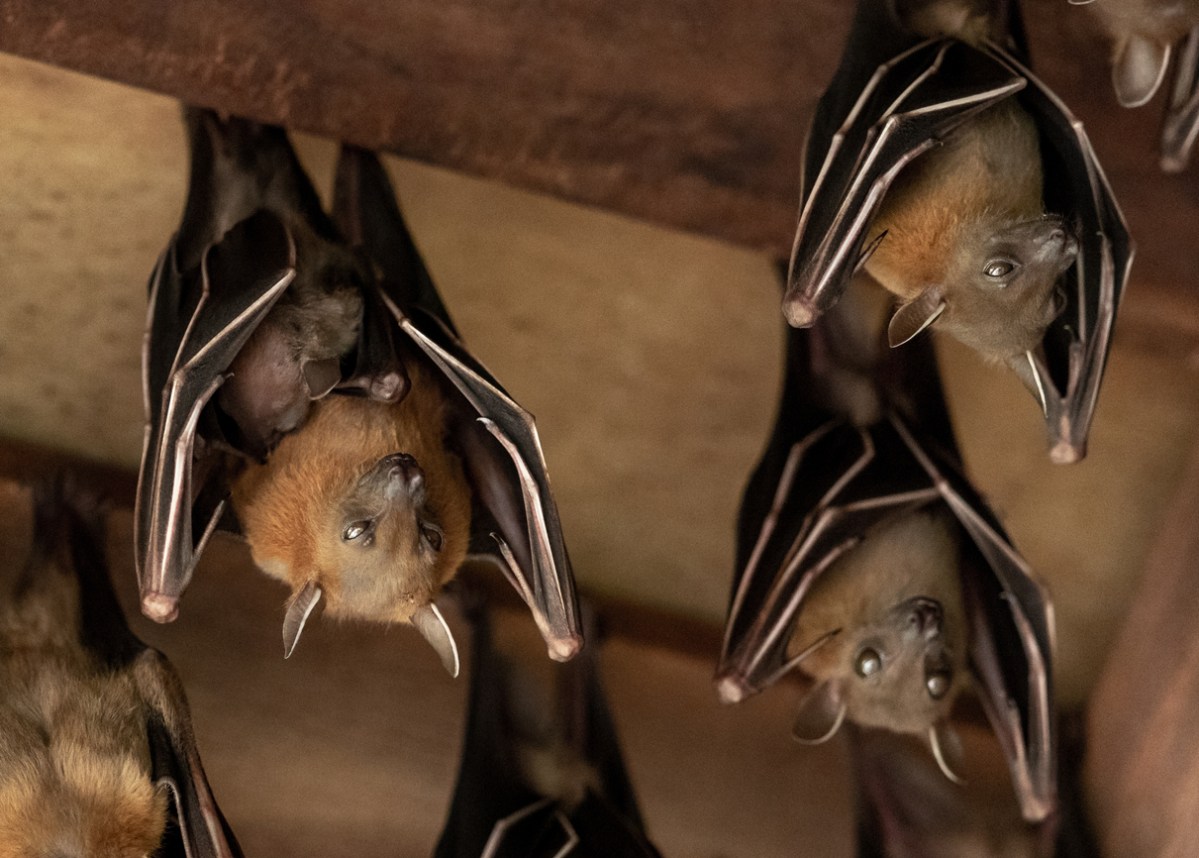
Managing a bat intrusion successfully requires a careful, highly regulated approach. Because many bat species are protected by state and federal laws—and play an indispensable role in local ecosystems—homeowners cannot simply eradicate them with traps or poison. Instead, effective bat management relies entirely on a strategy of humane exclusion: sealing entry points and providing one-way exit routes so the animals can leave safely without being able to return.
Main Facts: Understanding the Bat Influx
When homeowners find bats inside their living spaces or hear scratching and rustling in the attic during daylight hours, it signals a breach in the home’s building envelope. According to Kyle Morgan of Care Pest Pros, a Spicewood, Texas-based pest control firm, structural vulnerabilities provide the shelter bats crave, while the surrounding environment easily supplies water and insects.
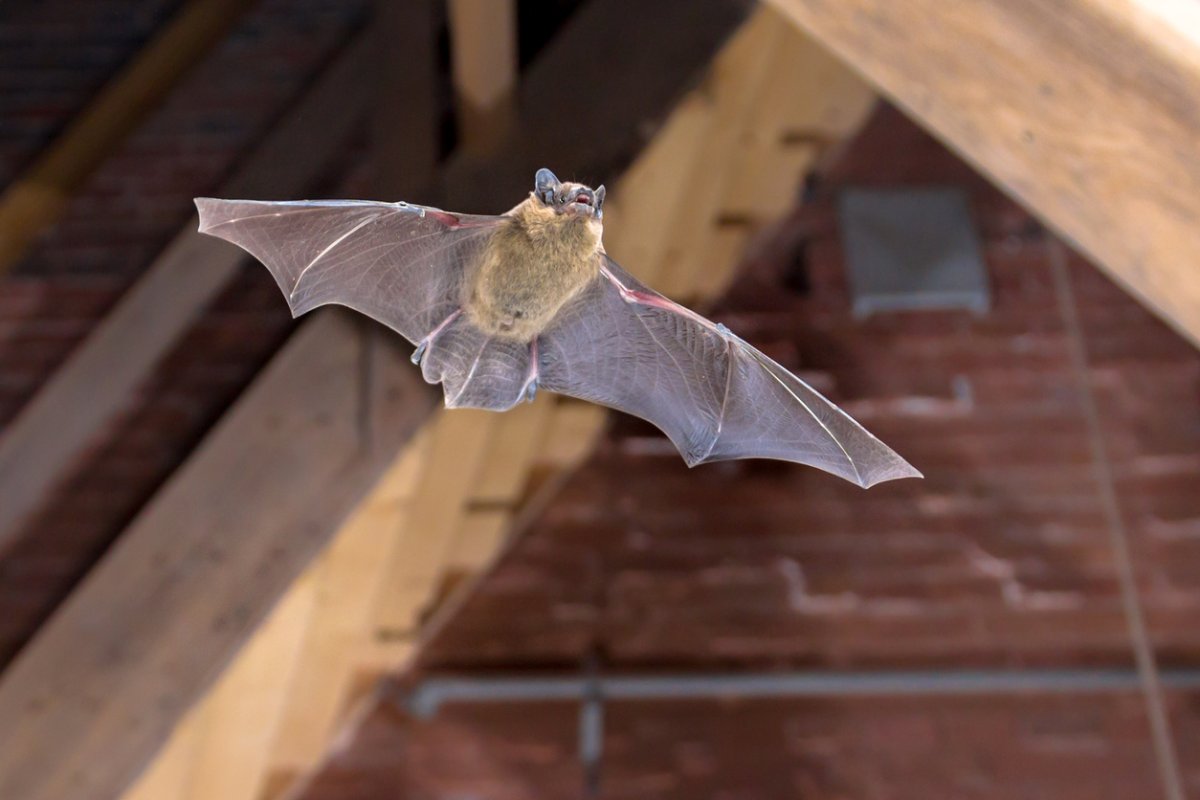
While bats are not inherently aggressive, their presence brings two distinct problems:
- Structural Degradation: Bat droppings (guano) and urine are highly acidic. Over time, large accumulations will ruin drywall, rot wooden beams, contaminate insulation, and produce a powerful, pungent odor that permeates the entire house.
- Health Risks: Guano can harbor the fungus Histoplasma capsulatum, which causes histoplasmosis—a potentially life-threatening respiratory infection. Furthermore, bats are primary vectors of rabies, making any direct contact a serious medical concern.
Eliminating a bat problem is an intermediate-level home improvement and pest control project. It typically takes between 1 to 3 hours of active labor, with estimated material costs ranging from $35 to $150 for expanding foam, caulk, and hardware cloth.
Chronology of Action: Step-by-Step Bat Removal
Successfully evicting bats requires a strict adherence to timing and methodology. Rushing the process—or attempting to seal a home during the wrong time of year—can result in trapped, dying animals or violations of wildlife protection laws.
Step 1: Identify the Species
Not all bats are alike, and identifying the specific colonizing species in your region is the vital first step. In the United States, roughly 50 species exist, but only a handful routinely roost in human structures.
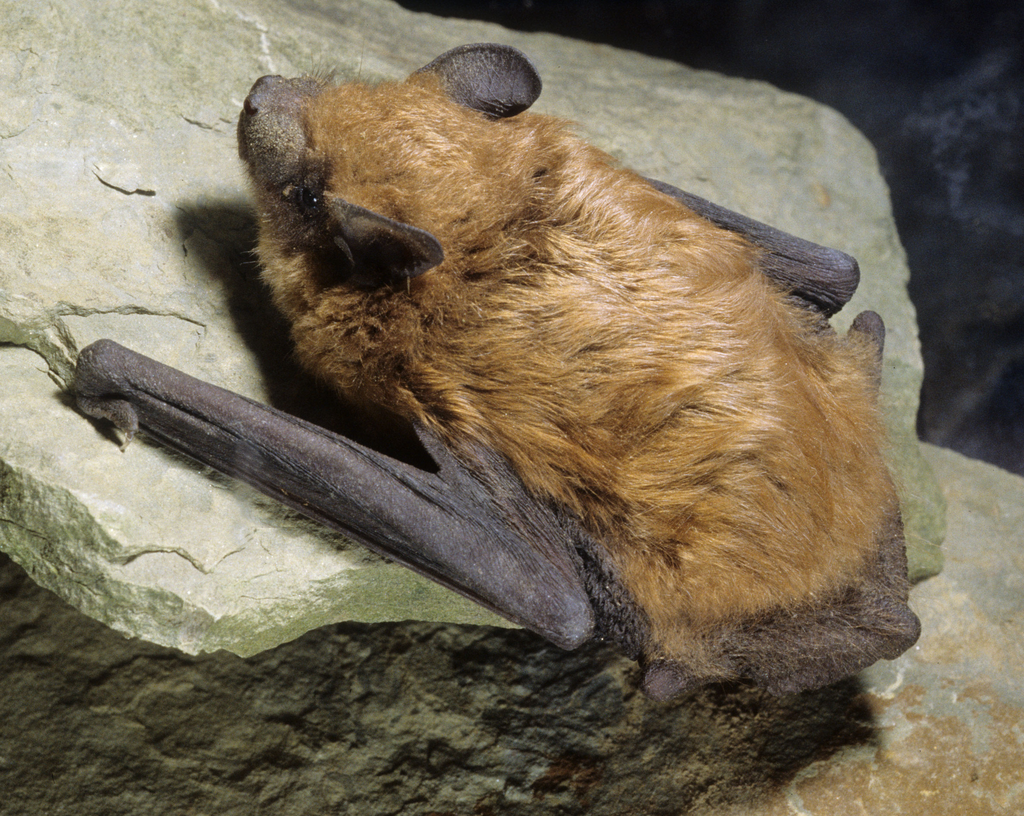
- Big Brown Bat (Eptesicus fuscus): Found nationwide, featuring shiny brown fur and dark wings.
- Little Brown Bat (Myotis lucifugus): Smaller than its big brown cousin, with a pointier nose.
- Pallid Bat (Antrozous pallidus): Common in the western third of the U.S., featuring pale fur and large ears.
- Mexican Free-tailed Bat (Tadarida brasiliensis): Prevalent in the southern U.S., recognizable by a tail extending past its flight membrane.
Step 2: Research Local Laws and Maternity Seasons
Before touching a single tool, check regional wildlife regulations. In most parts of North America, maternity season falls between May 1 and August 31. During this window, female bats give birth to flightless pups.
- The Legal and Ethical Rule: Employing exclusion devices during maternity season is strictly prohibited in many jurisdictions. If you block the exit, adult mothers will leave to hunt, but their helpless babies will be trapped inside to starve and die, creating a horrific odor and biological hazard.
- Protected Status: Many bat species are legally protected. Killing them or using cruel trapping methods is illegal. Always review local statutes or consult a wildlife professional before starting work.
Step 3: Pinpoint Points of Entry
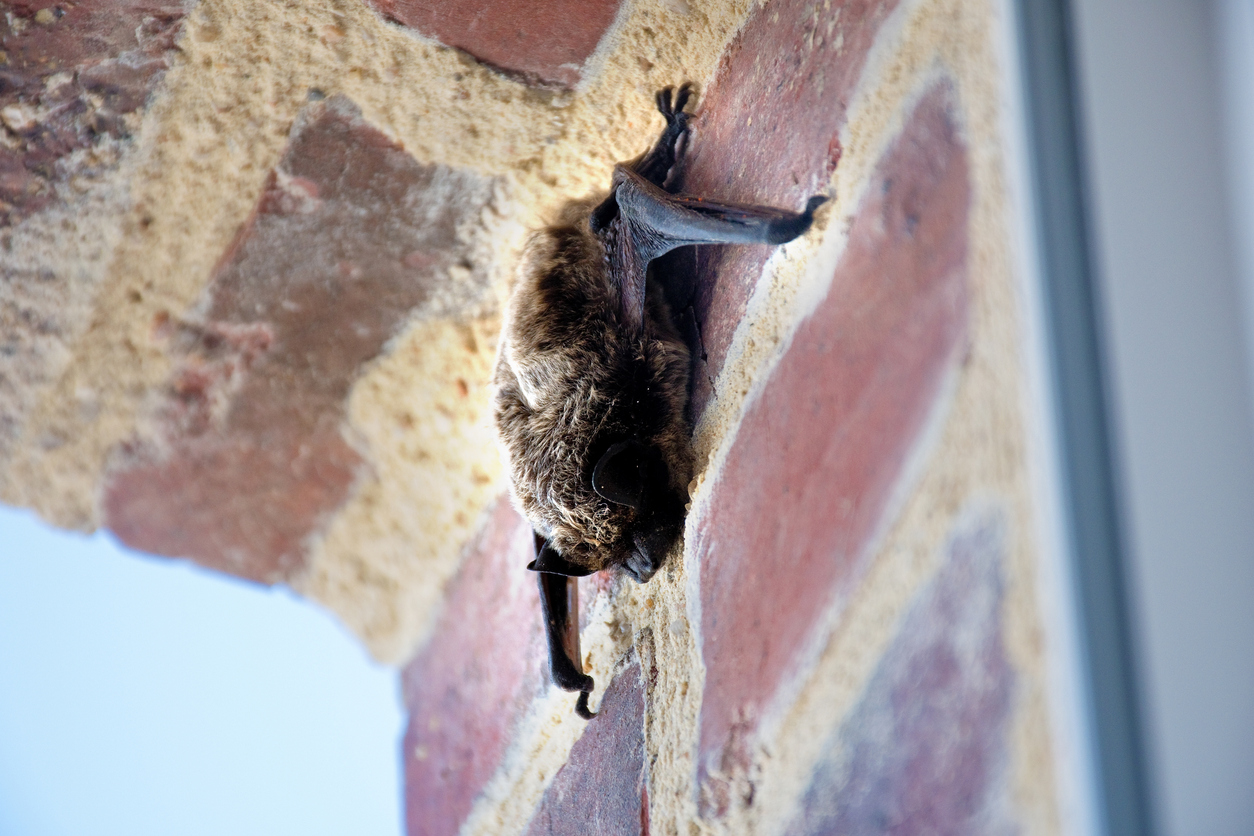
Bats are remarkably flexible and can squeeze through openings as small as half an inch to an inch. To find where they are entering, watch your home at dusk or dawn when the colony departs to hunt.
Common vulnerabilities include:
- Gaps in soffits, fascia boards, and roof eaves.
- Uncapped chimneys, attic vents, and plumbing stacks.
- Loose or warped siding, damaged flashing around chimneys, and gaps near window frames.
Pro Tip: If you are struggling to locate a tiny breach, lightly dust suspected entry points with flour or baby powder right before dusk. As the bats squeeze through to fly out, they will leave distinct footprints and body smudges in the powder.

Step 4: Seal Secondary Gaps
Begin by securing the rest of your home to prevent bats from finding alternative routes once you block their main door. Install heavy-duty wire mesh caps on chimneys and vents, and repair any compromised roof decking or siding. Use high-grade elastomeric caulking compounds or expanding foam, such as Great Stuff Gaps and Cracks, to seal minor gaps. Unlike rats or mice, bats will not chew through these materials, making them highly effective.
Step 5: Install a One-Way Exit Device
This is the core of human wildlife exclusion. Install a specialized one-way door or netting funnel over the primary exit identified in Step 3.
- How it works: The device allows bats to push their way out into the night air to forage for food, but the flexible netting or swinging baffle prevents them from squeezing back inside when they return at dawn.
- Timing: Leave the one-way device in place for a minimum of 3 consecutive days to ensure every single resident bat has successfully evacuated.
Step 6: Deep Clean and Sanitize
Once the bats have permanently vacated, remove the exclusion device and immediately seal up that final opening. Now comes the hazardous task of remediation.
- Safety Gear Required: Always wear full-sleeve clothing, heavy rubber work gloves, and an N95 respirator (dust masks are insufficient). Inhaling fungal spores from dried guano can cause severe lung disease.
- The Cleaning Process: Lightly mist the guano with a water-and-bleach solution to prevent dust from kicking up into the air. Discard heavily contaminated porous materials like insulation or rugs. Scrub hard surfaces with a non-ammonia detergent, rinse with clean water, and disinfect using a solution of ¼ cup of bleach per gallon of water.
Step 7: Consult a Healthcare Professional
If any human household member—or household pet—has had direct physical contact with a bat, or if a bat was discovered loose in a bedroom where someone was sleeping, contact a doctor or veterinarian immediately. Post-exposure rabies prophylaxis is nearly 100% effective when administered promptly, but rabies is fatal once symptoms appear.
Supporting Data & Environmental Implications
While dealing with attic invaders is stressful, wildlife biologists stress that bats are vital to local ecosystems. A single insectivorous bat can consume up to 1,000 mosquitoes and other pest insects in a single hour, providing an invaluable natural pest control service that saves the agricultural industry billions of dollars annually in pesticide costs.
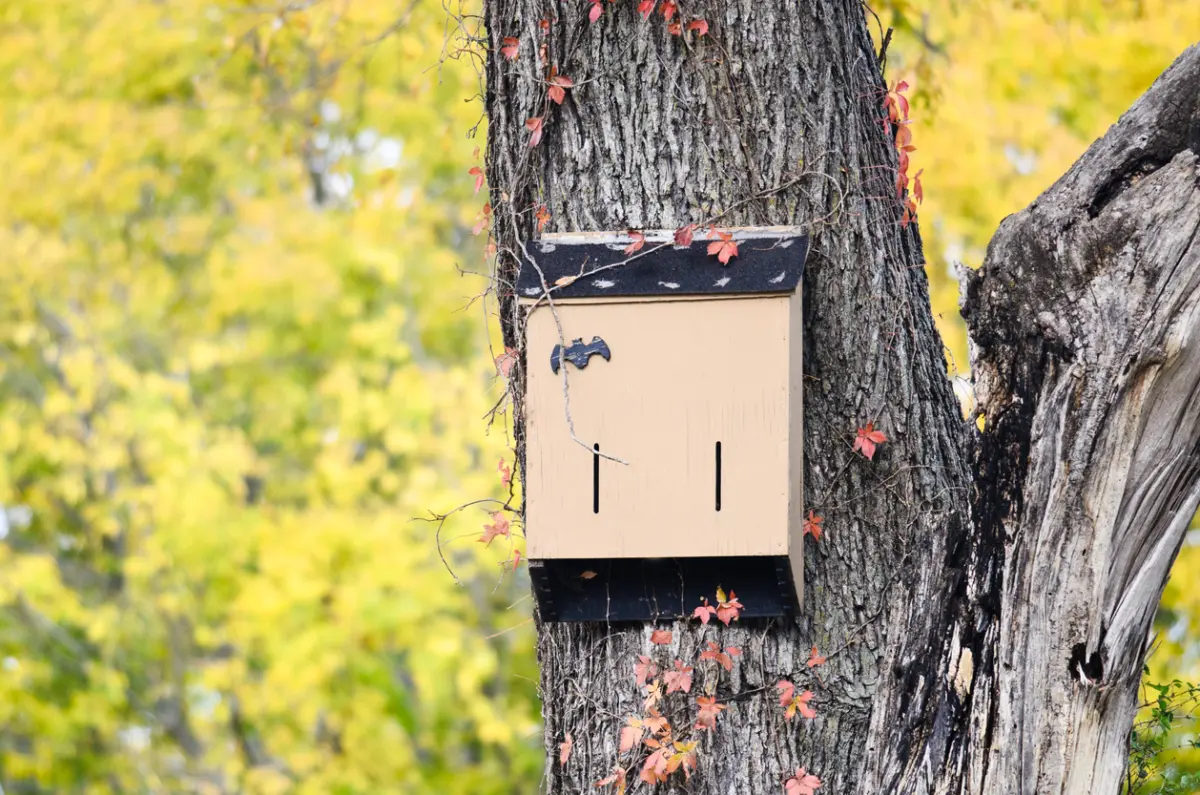
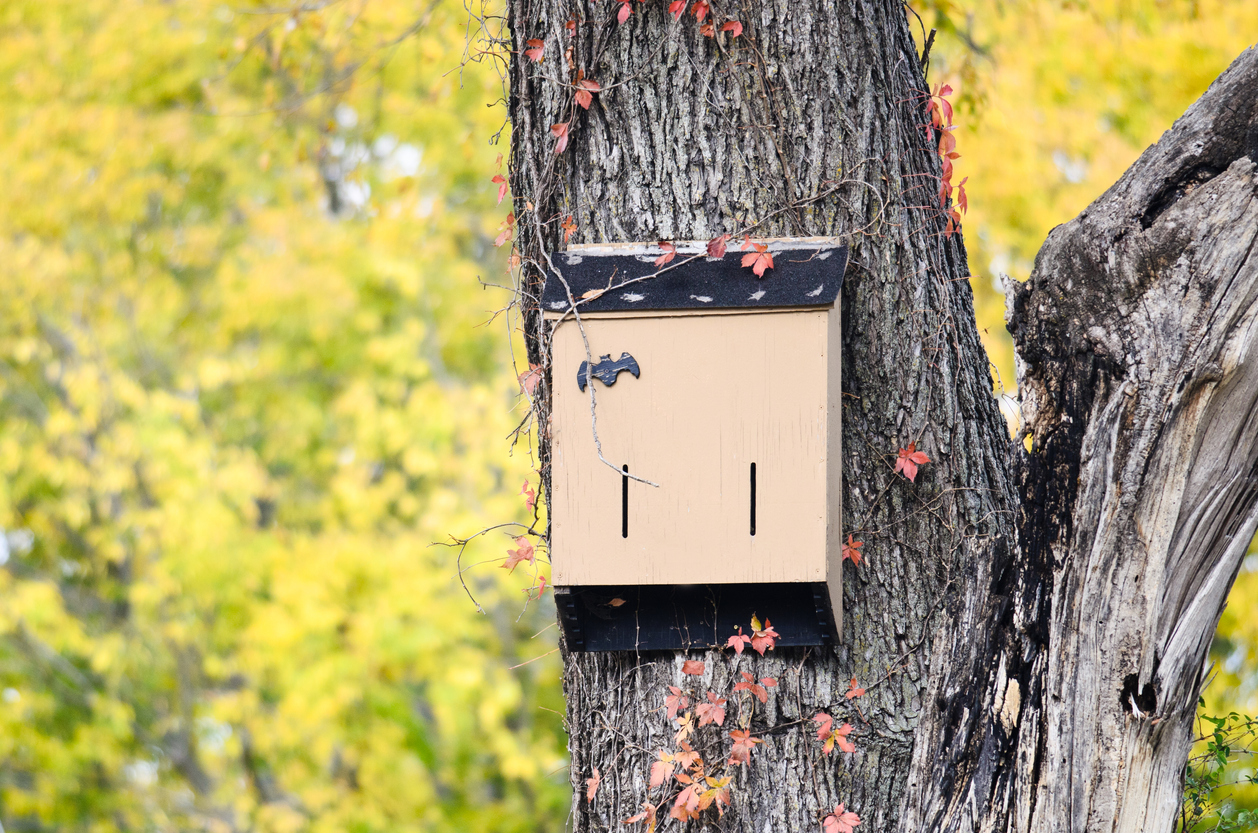
Because of their immense ecological value, exterminating bats is heavily discouraged and often illegal. Humane exclusion preserves local biodiversity while safely restoring the homeowner’s living space. To encourage bats to remain in the neighborhood without moving back indoors, many pest control experts recommend installing a dedicated bat house mounted high on a tree or pole at least 20 feet away from the home once the exclusion project is complete.

Official Responses and Expert Perspectives
Public health organizations, including the Centers for Disease Control and Prevention (CDC) and state departments of agriculture, maintain strict guidelines regarding wildlife in human dwellings.
- The CDC Stance: Health agencies consistently warn against handling live or dead bats with bare hands due to the risk of rabies transmission. They mandate that any bat found indoors in situations where exposure cannot be ruled out (such as waking up to find a bat in a child’s bedroom) should be safely captured—without damaging the head—and tested for rabies by local health authorities.
- Pest Control Industry Consensus: Professionals like Kyle Morgan underscore that homeowners should never attempt chemical eradication or sealing houses while bats are actively breeding. "We use one-way devices because they allow the bats out safely without harming them," Morgan notes. "Respecting their biological cycles is just as important as securing your home’s perimeter."
Implications for Homeowners
Finding bats in your house carries immediate practical and financial implications. Beyond the cost of DIY sealing materials or professional extermination services—which can range from several hundred to over a thousand dollars depending on the severity of the infestation—homeowners must consider full disclosure laws if selling their property.
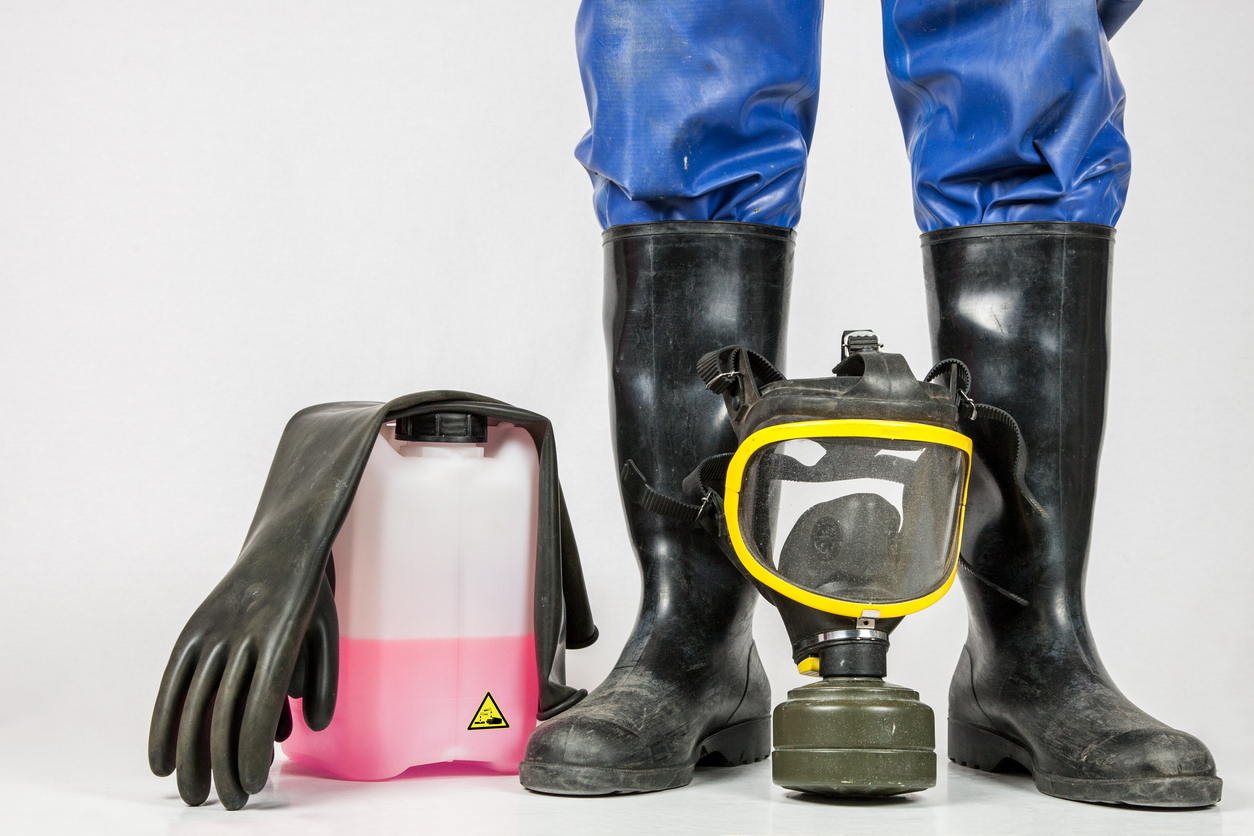
Discovering and properly remediating a past bat infestation ensures that structural decay is halted and toxic biohazards are eliminated before a real estate transaction takes place. By acting swiftly, utilizing humane exclusion techniques, and prioritizing personal safety through proper personal protective equipment (PPE), homeowners can successfully reclaim their attics while maintaining a healthy, balanced relationship with local wildlife.
