

When homeowners embark on home improvement projects, upgrading or installing a driveway is often one of the most transformative endeavors they can undertake. While traditional paved surfaces like concrete, asphalt, and tar-and-chip have their place, gravel driveways have experienced a massive resurgence in popularity. Offering an attractive combination of affordability, permeability, and rustic charm, a well-planned gravel driveway can dramatically elevate a home’s exterior aesthetic while solving functional challenges such as water pooling and poor drainage.
However, stepping into the world of driveway aggregates reveals a surprising expanse of choices. From standard crushed stone and decomposed granite to natural pea gravel and luxurious marble chips, the sheer variety can easily overwhelm even the most seasoned DIYer. Selecting the wrong material can lead to constant shifting, rutting, poor vehicle traction, and excessive maintenance.
To help navigate this complex landscape, experts have evaluated top-tier products on the market, breaking down the essential considerations—such as durability, drainage, shape, and color—to ensure your next driveway installation stands the test of time.
Main Facts: Understanding Driveway Aggregates
At its core, driveway aggregate falls into two major categories: crushed stone and naturally formed gravel.
- Crushed Stone: Produced by mechanically fracturing larger pieces of bedrock or stone into smaller fragments. This industrial process yields angular edges, a rough texture, and irregular sizes. These jagged characteristics allow the individual stones to tightly interlock with one another, creating a remarkably stable, low-maintenance surface that resists shifting under heavy vehicle weight.
- Naturally Formed Gravel: Shaped over centuries by the natural weathering and erosion of rocks, often harvested from riverbeds or quarries. Natural gravel features rounded edges and smooth textures. While visually striking and comfortable underfoot, these rounded stones lack the interlocking ability of crushed stone, making them prone to migrating off the driveway under regular vehicle traffic.
Top-Rated Products on the Market
Based on thorough evaluations of stability, drainage capabilities, and aesthetic value, industry experts have highlighted several standout products:
- Best Overall — Southwest Boulder & Stone Decomposed Granite: Made from naturally weathered granite, this ultra-fine aggregate ranges from 3/8-inch down to fine sand. It packs down tightly into a remarkably firm surface nearly as stable as concrete, while offering versatile earth-tone colors.
- Best Bang for the Buck — Quikrete All-Purpose Gravel: Featuring a natural color mix, small pebbles, and a smooth feel, this affordable option creates an even, easy-to-navigate surface that maintains excellent drainage properties.
- Upgrade Pick — Vigoro Marble Chip Gravel: Bringing indoor luxury outdoors, these brilliant white and light-gray marble chips measure roughly 2 inches in diameter. Their large size resists migration, though they come with a premium price tag.
- Best Natural Blend — Vigoro Pea Gravel Pebbles: Ranging from 1/2 inch to 1.5 inches, this larger-than-average pea gravel binds together better than smaller varieties while offering warm brown and off-white tones.
- Best Aesthetics — Vigoro Bagged River Pebbles: Sized between 1 and 3 inches, these multicolored river rocks provide top-tier curb appeal without being large enough to slip vehicle tires or twist ankles.
Chronology: The Evolution and Modern Planning of Gravel Driveways
The concept of reinforcing pathways with loose stone dates back centuries, evolving from rudimentary cart tracks to engineered aggregate systems. Understanding the historical context helps explain why modern installation methodologies prioritize layered foundations.
Historical Roots and Modern Shifts
Historically, early American and European roadways relied on compacted stone dust and angular rock foundations (often pioneered by road builders like John McAdam). Over time, as suburban development boomed in the mid-20th century, concrete and asphalt became the default standards due to their uniform, monolithic appearance.
However, modern homeowners and landscape architects have increasingly turned back to permeable aggregate surfaces. Driven by ecological concerns regarding stormwater management and a desire for customizable, organic aesthetics, the gravel driveway has evolved from a cheap "budget alternative" into a high-end design statement.
The Modern Planning Timeline
Planning a gravel driveway today requires a methodical approach:
- Phase 1: Material Selection: Evaluating budget, local vehicle traffic volume, and desired aesthetic (e.g., matching earth tones or going for crisp white marble).
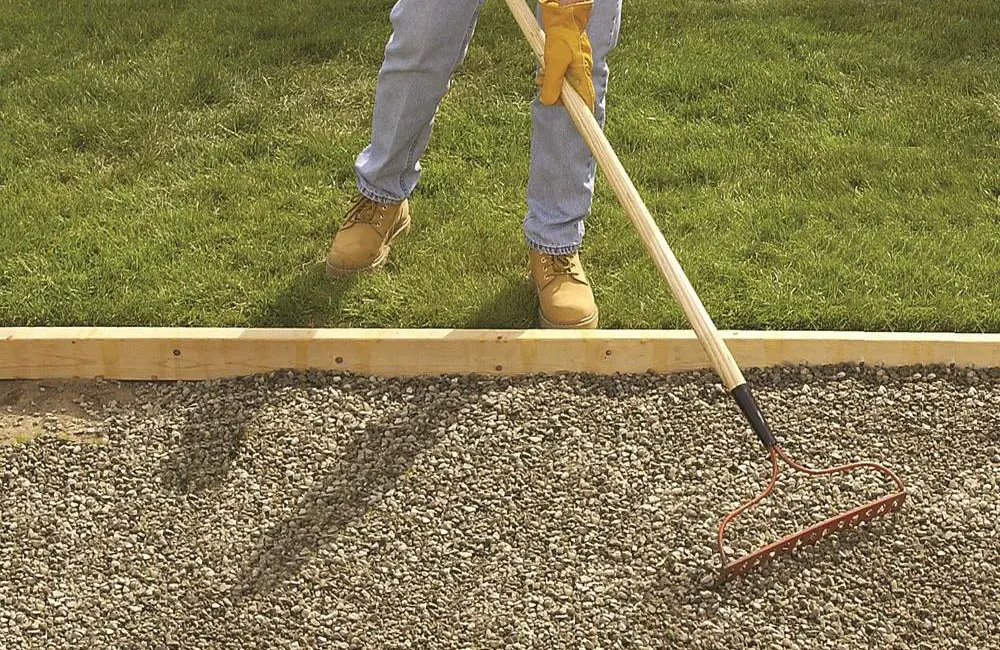
- Phase 2: Site Prep and Excavation: Clearing topsoil, laying down a robust weed barrier to prevent unwanted vegetation, and digging out a 4- to 8-inch trench depending on local soil conditions.
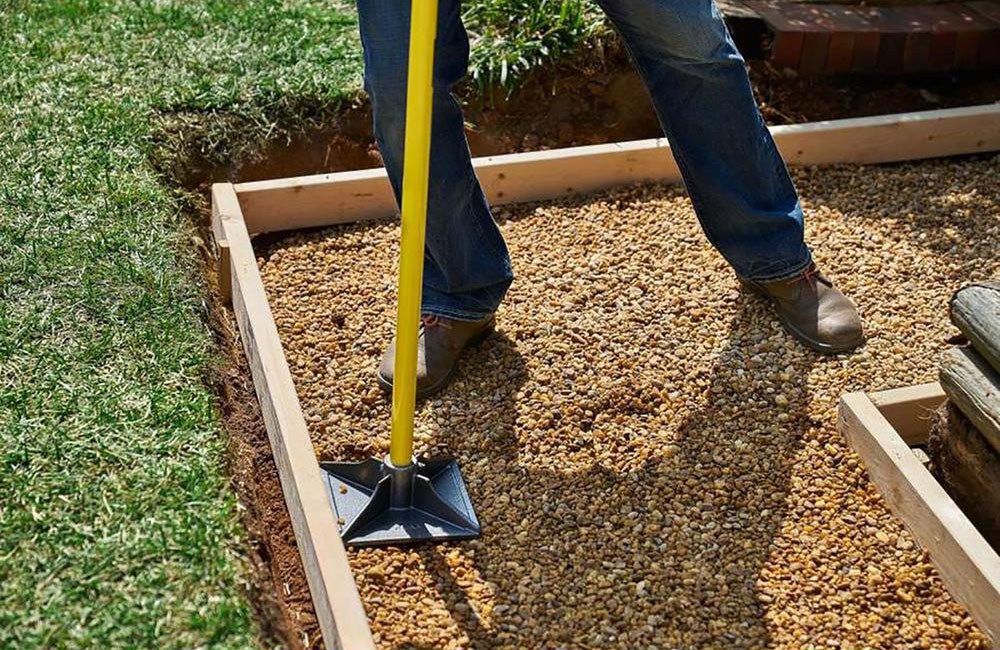
- Phase 3: Layered Installation: Building the foundation using progressive stone sizes, starting with a sturdy 6-inch base layer of coarse stone, followed by intermediate layers, and capped with a 2-inch surface layer.
Supporting Data: Specifications, Sizing, and Structural Integrity
Choosing the right stone isn’t just about color; it is a matter of physics and engineering.
Sizing Matters
- 3/4-Inch Aggregate: Widely considered the gold standard for driveway surfaces. It is large enough to bear the weight of passenger vehicles and heavy trucks without sinking, yet small enough to leave functional interstitial gaps for rainwater drainage.
- Fines and Dust: While small particles help compact crushed granite or dense-graded aggregate (often referred to as crusher run), too much fine dust can turn into a muddy sludge during heavy downpours or stick to shoes and vehicle interiors.
Calculating Volume and Depth
Proper depth is critical to preventing sinking and rutting.
- A standard installation requires a total depth of 4 to 8 inches (typically a 6-inch base layer topped with a 2-inch surface layer).
- Formula for Ordering: Measure the length and width of the planned driveway in feet to find the total square footage. Divide that number by 3 (since 4 inches equals 1/3 of a foot) to determine the total cubic footage of material required.
Official Recommendations and Expert Insights
Industry professionals, landscape designers, and material manufacturers emphasize that the success of a gravel driveway relies heavily on installation technique rather than just the type of rock purchased.
Best Practices for Long-Term Maintenance
- Embrace the Layered Approach: Experts strongly advise against dumping a single layer of gravel directly onto bare dirt. A multi-tier system—utilizing 6-inch foundational boulders at the bottom, medium stones in the middle, and finer gravel on top—guarantees superior load-bearing capacity and prevents the driveway from sinking into soft ground.
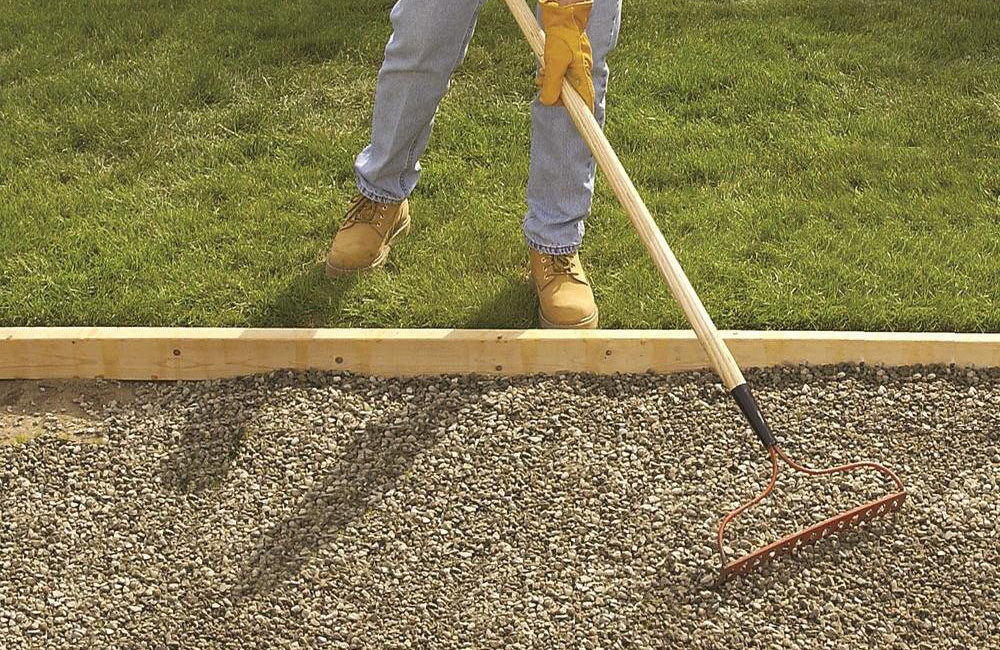
- Edge Restraints: Because natural gravel and loose pebbles tend to wander under tire friction, installing physical borders (such as steel, treated wood, or stone pavers) keeps the aggregate neatly contained.
- Regular Raking and Weed Control: Periodic raking redistributes displaced stones into low spots and clears away organic debris like leaves and twigs. To combat weeds, landscape professionals recommend laying a heavy-duty geotextile weed barrier fabric before the first layer of stone goes down. For maintenance, vinegar sprays, boiling water, or propane weed torches offer chemical-free control.
Implications: Environmental, Financial, and Aesthetic Impacts
Opting for a gravel driveway carries far-reaching implications for property owners, extending well beyond initial cost savings.
Environmental Advantages: Permeability
Unlike impermeable concrete or asphalt surfaces that shed rainwater directly into municipal storm drains—contributing to localized flooding and soil erosion—gravel driveways are entirely permeable. Rainwater naturally filters down through the gaps between stones, recharging the local groundwater table and minimizing runoff issues.
Financial Considerations
From a purely economic standpoint, gravel driveways offer unmatched value upfront. They cost significantly less to install per square foot than paved alternatives. However, homeowners must factor in long-term maintenance costs. While asphalt and concrete require eventual resurfacing or replacement due to cracking from freeze-thaw cycles, gravel driveways require periodic topping off, raking, and occasional weed mitigation.
Curb Appeal and Versatility
Aesthetically, gravel bridges the gap between nature and architecture. Whether utilizing the stark, clean brightness of Vigoro marble chips for a modern estate or the warm, natural hues of decomposed granite for a rustic farmhouse, the right aggregate enhances a property’s overall landscape design. By balancing structural durability with thoughtful aesthetic choices, a gravel driveway remains a timeless, practical, and visually stunning addition to any home.
