

WASHINGTON — Homeownership is an American milestone frequently romanticized as a journey of pride, independence, and long-term equity. Yet, behind the manicured lawns and freshly painted entryways lies a relentless reality: homes constantly break down. From the steady, budget-draining drip of a faulty bathroom fixture to the jarring, midnight creak of a loose bed frame, residential maintenance is an inevitable facet of property management.
Historically, homeowners responded to minor domestic malfunctions by thumbing through the Yellow Pages or scrolling through digital directories to hire local contractors. However, with soaring inflation and rising labor costs, outsourcing every minor fix can swiftly drain an owner’s savings account. Industry data shows that professional service calls—even for rudimentary tasks like snaking a stubborn drain or patching a minor drywall breach—frequently command steep diagnostic fees and minimum hourly rates.
In response, a growing demographic of modern homeowners is embracing the DIY (Do-It-Yourself) ethos. By investing in foundational handy-skills and minimal tool inventories, property owners are reclaiming control over their living spaces. Mastering basic home repairs not only slashes living expenses but also fosters a deeper comprehension of how residential systems operate.
Main Facts: The Economics and Empowerment of Self-Reliance
The financial incentive for tackling basic home repairs independently is immense. According to national home improvement metrics, routine maintenance tasks account for roughly 1 to 4 percent of a home’s value annually. When property owners outsource simple cosmetic touch-ups or basic plumbing interventions, labor charges routinely outpace the cost of materials by a factor of five or more.

Key facts regarding beginner-level home maintenance include:
- Cost Efficiency: Simple interventions—such as swapping a worn O-ring in a leaky faucet, lubricating a squeaky door hinge, or clearing a shower drain—utilize inexpensive, off-the-shelf components that cost mere dollars.
- Skill Accessibility: The vast majority of everyday household nuisances do not require specialized contractor licensing; they demand patience, basic hand tools, and systematic troubleshooting.
- Preventative Value: Addressing minor issues promptly—such as removing wood water stains or neutralizing gnats before they compromise house plants—prevents localized degradation from escalating into structural or health hazards.
Chronology: The Lifecycle of a Home Maintenance Issue
Understanding when and how a domestic problem evolves can help homeowners intervene before professional remediation becomes necessary. A typical lifecycle of a common household headache unfolds in distinct phases:
- The Inception Phase (Wear and Tear): Daily life introduces stress to the home. Doors expand and contract with humidity, walls suffer dings from furniture relocations, and plumbing traps accumulate hair and soap scum.
- The Symptom Phase (The Nuisance): The problem manifests overtly. A faucet begins to drip rhythmically, a bed frame develops an audible squeak, or a picture frame pulls free from hollow drywall because it missed a structural framing member.
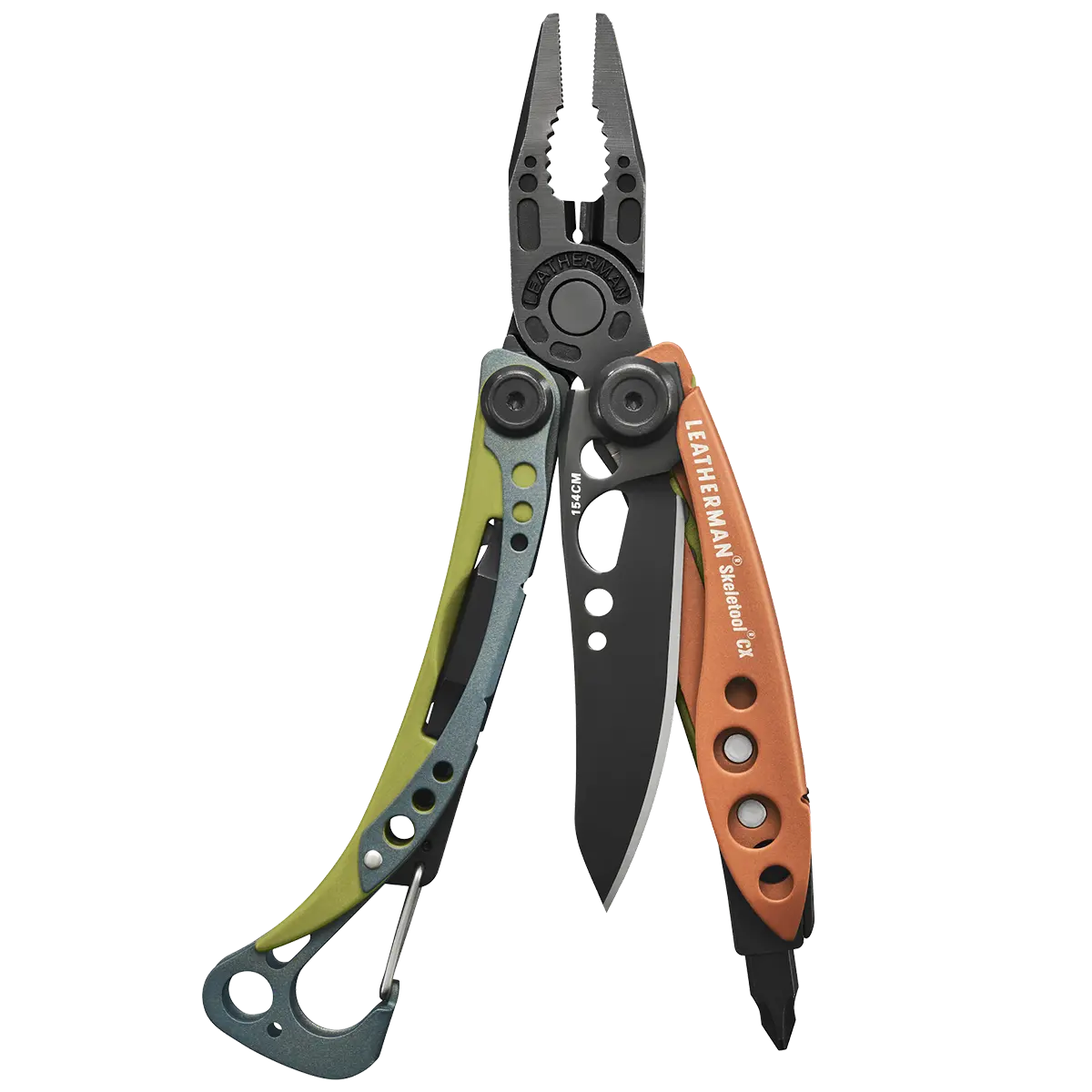
- The DIY Intervention (Resolution): Armed with basic knowledge and compact tools—such as a multi-tool or a putty knife—the homeowner diagnoses the root cause, applies the correct corrective technique, and resolves the issue in under an hour.
- The Maintenance Phase (Prevention): The homeowner adopts proactive habits, such as monitoring water stain prevention on wood furniture or utilizing wall studs for heavy installations, ensuring long-term structural integrity.
Supporting Data: The 15 Essential DIY Repairs Every Beginner Should Master
To build a comprehensive competency toolkit, property owners should focus on fifteen accessible repairs that span carpentry, plumbing, painting, and pest control.
1. Touch Up Painted Walls
Interior walls endure relentless physical abuse from pets, children, and foot traffic, resulting in chipped or scuffed paint. Learning how to touch up paint on walls requires minimal equipment—typically matching paint, a small brush, and fine-grit sandpaper. It is an ideal weekend project that instantly rejuvenates a room’s aesthetic.

2. Remove Stripped Screws
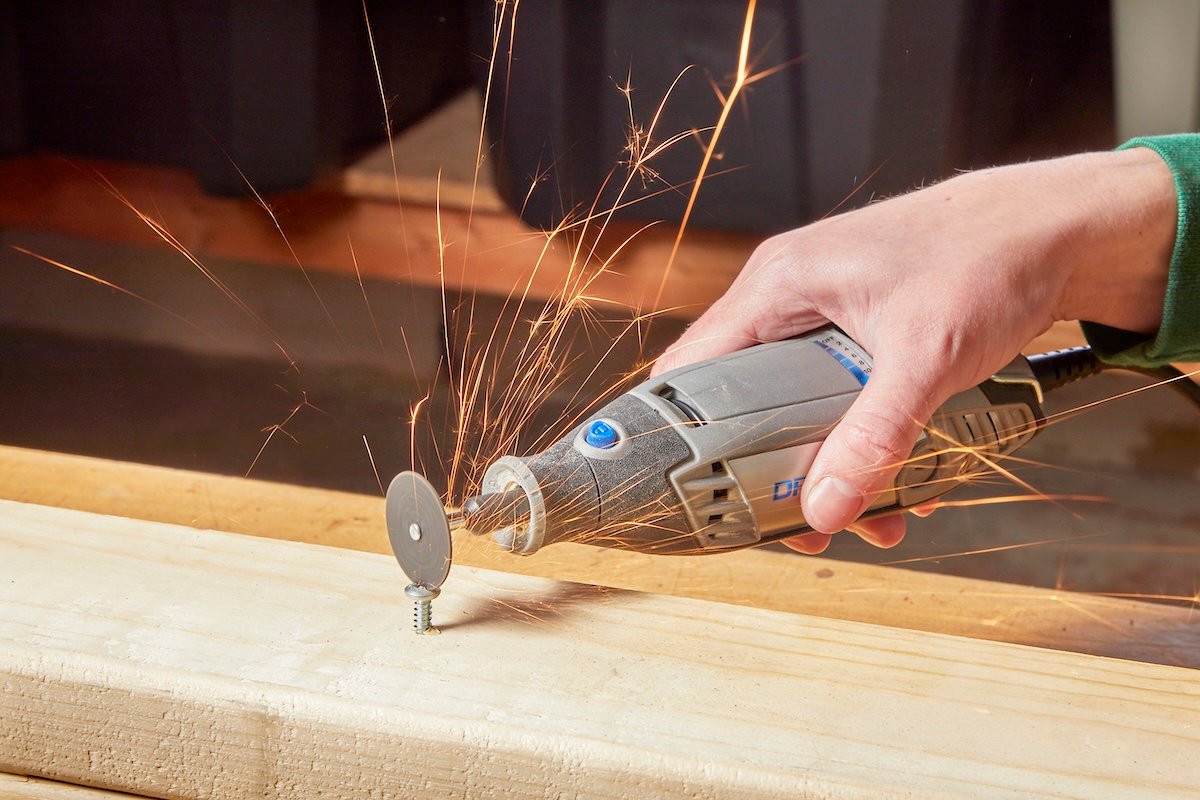
When a screw head becomes stripped, turning it with a standard screwdriver becomes impossible, instantly halting furniture assembly or hardware installation. Utilizing extraction methods—such as cutting a slot with a rotary tool or using specialized extraction bits—saves projects from gridlock.
3. Hide TV Wires
Modern entertainment centers introduce a spaghetti junction of HDMI, power, and audio cables. Mastering cable concealment techniques transforms a chaotic living room into a sleek, professionally organized space.

4. Find a Wall Stud
Hanging mirrors, shelves, or heavy artwork directly on hollow drywall leads to structural failure. Learning how to locate wall studs using manual measuring techniques or electronic stud finders ensures reliable, weight-bearing installations.
5. Unclog a Shower Drain
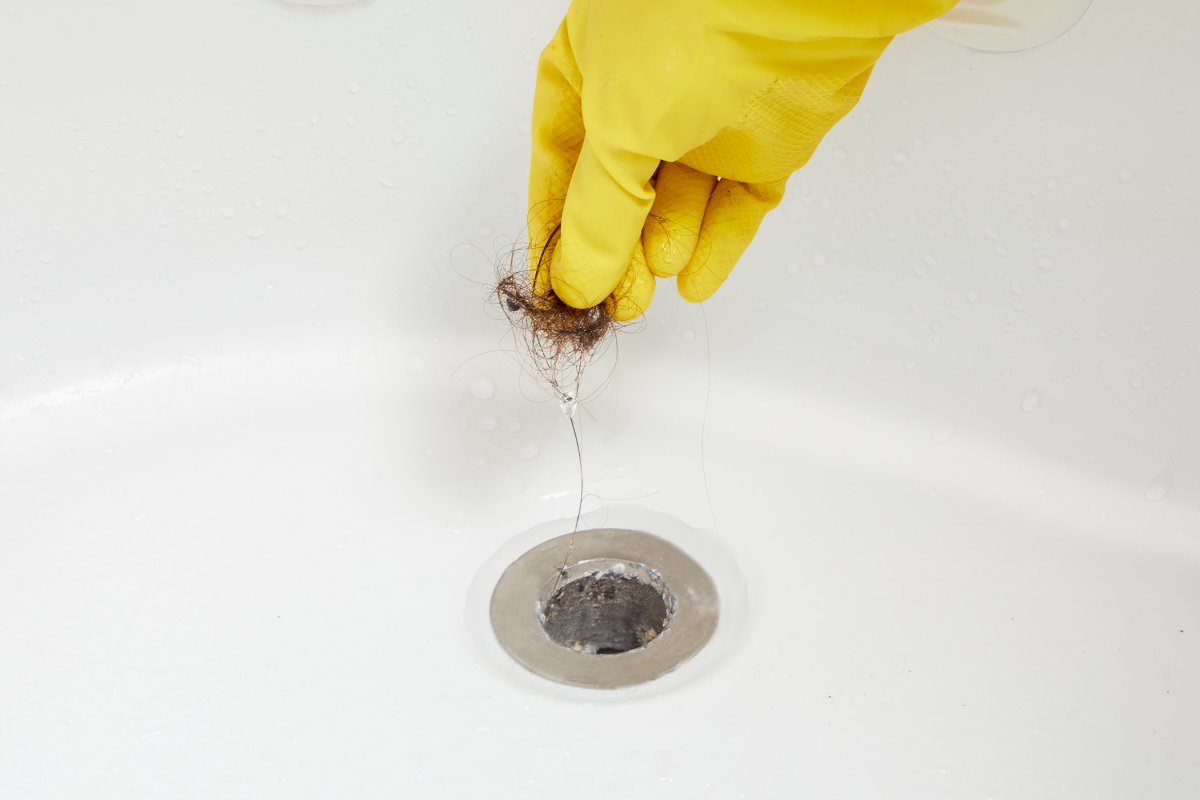
Accumulated hair and soap scum routinely choke shower drains, causing standing water during daily routines. Before calling a plumber, homeowners can manually clear these blockages using inexpensive plastic drain snakes or wire hooks.
6. Fix a Squeaky Bed
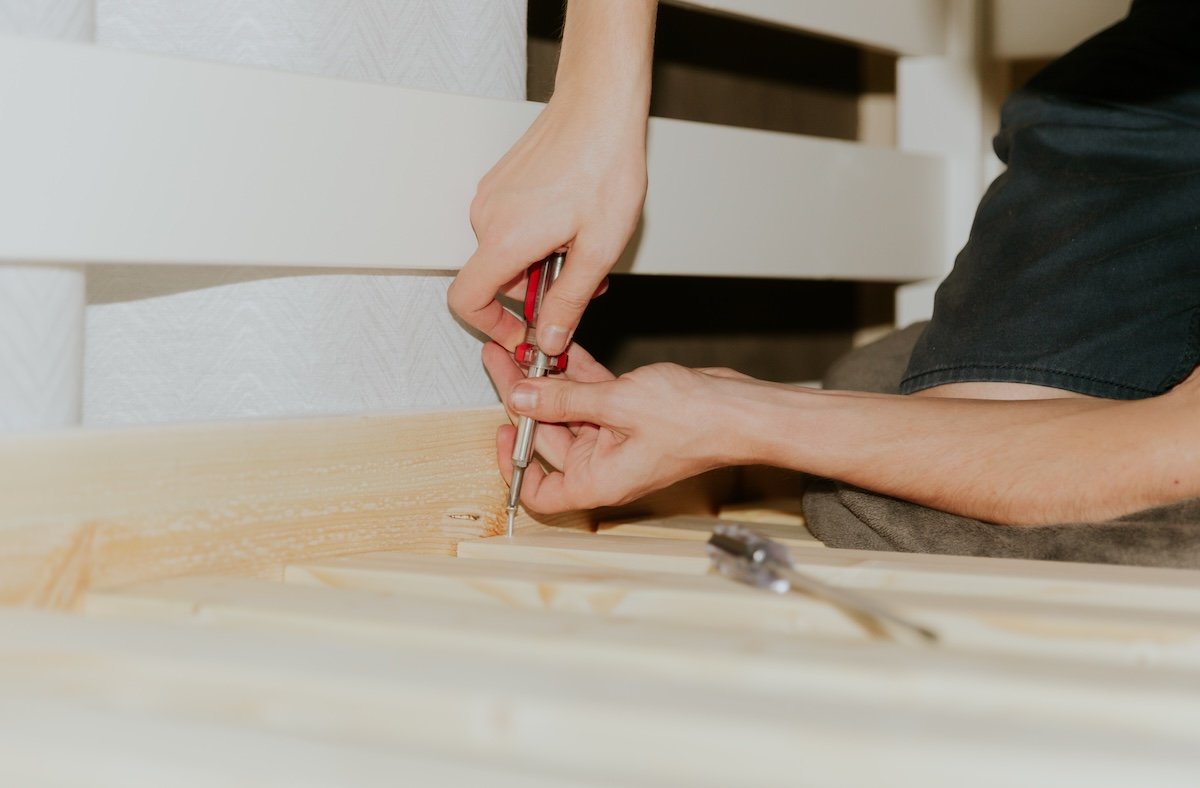
A creaking bed frame can ruin a restful night’s sleep. Often caused by loose joints or friction between wooden slats, this issue is easily remedied by tightening frame bolts or applying buffering materials to contact points.
7. Remove Water Stains From Wood
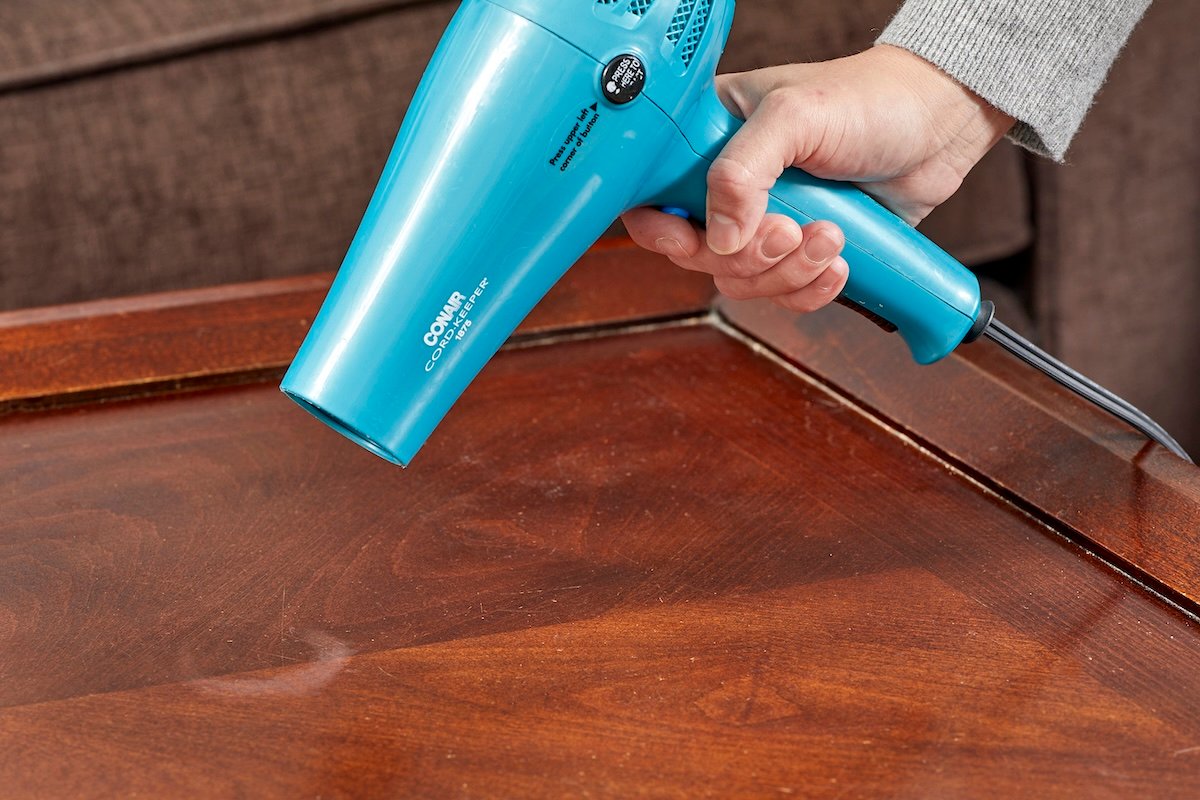
Condensation rings from glasses or moisture exposure can leave unsightly white or dark halos on wooden surfaces. Gentle applications of heat (via a hair dryer) or mild abrasive treatments can lift trapped moisture and restore the natural wood grain.
8. Get Rid of Gnats
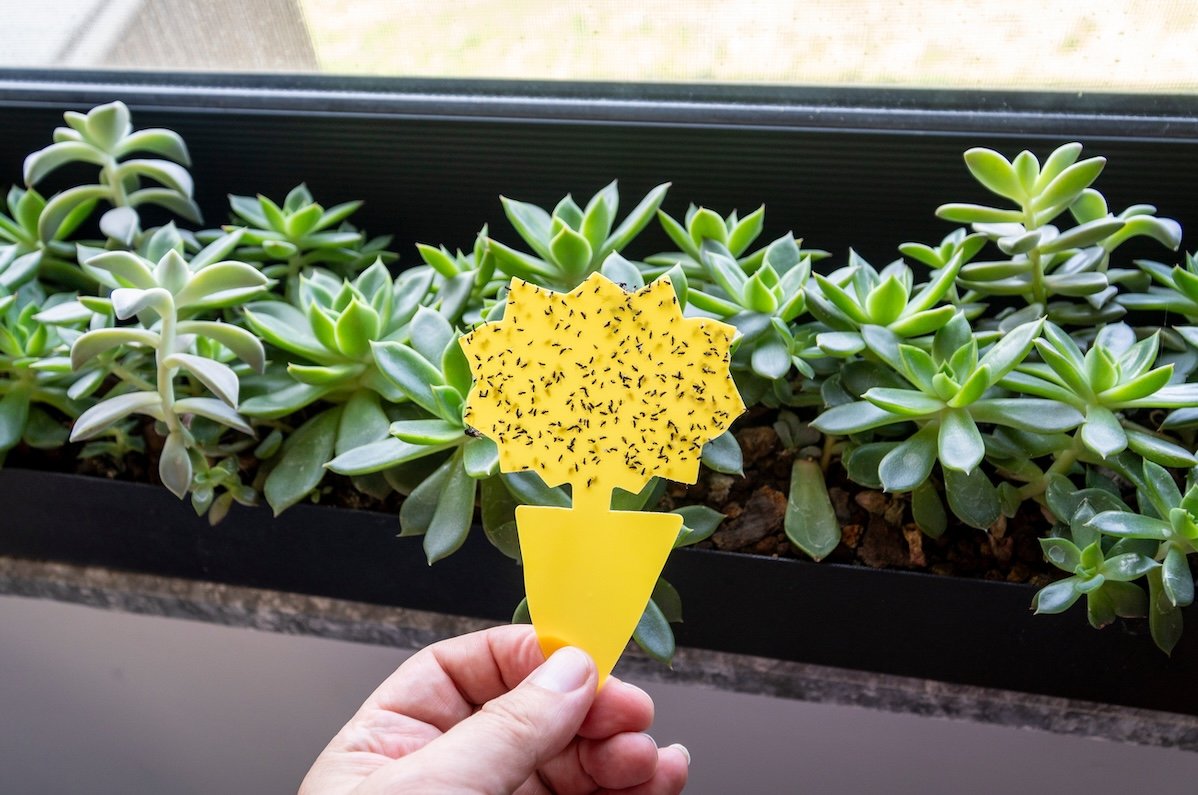
Fungus gnats and fruit flies thrive on moisture and decaying organic matter around houseplants or kitchen counters. Establishing targeted sticky traps and adjusting watering habits eliminates these pests without harsh chemical foggers.
9. Fix a Slow Sink Drain
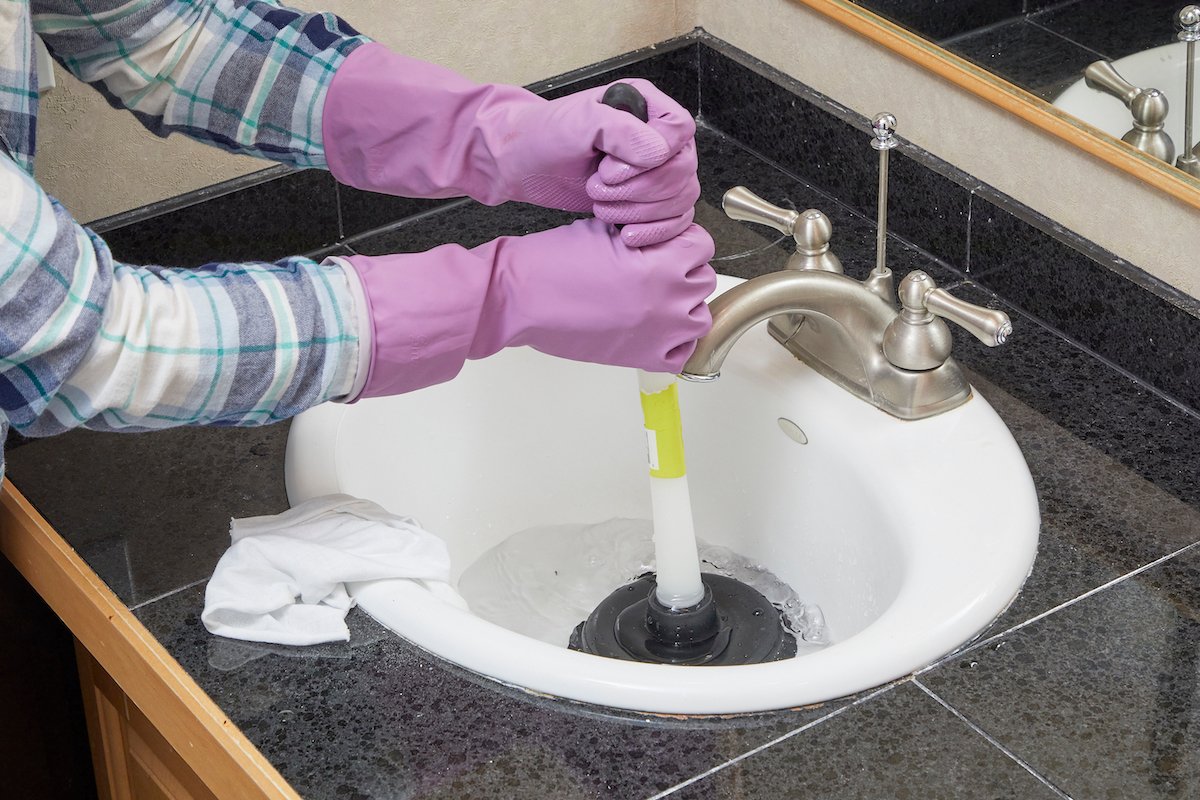
A sluggish sink indicates partial blockages within the trap assembly. Clearing out debris restores normal drainage velocity and wards off complete pipeline clogs.
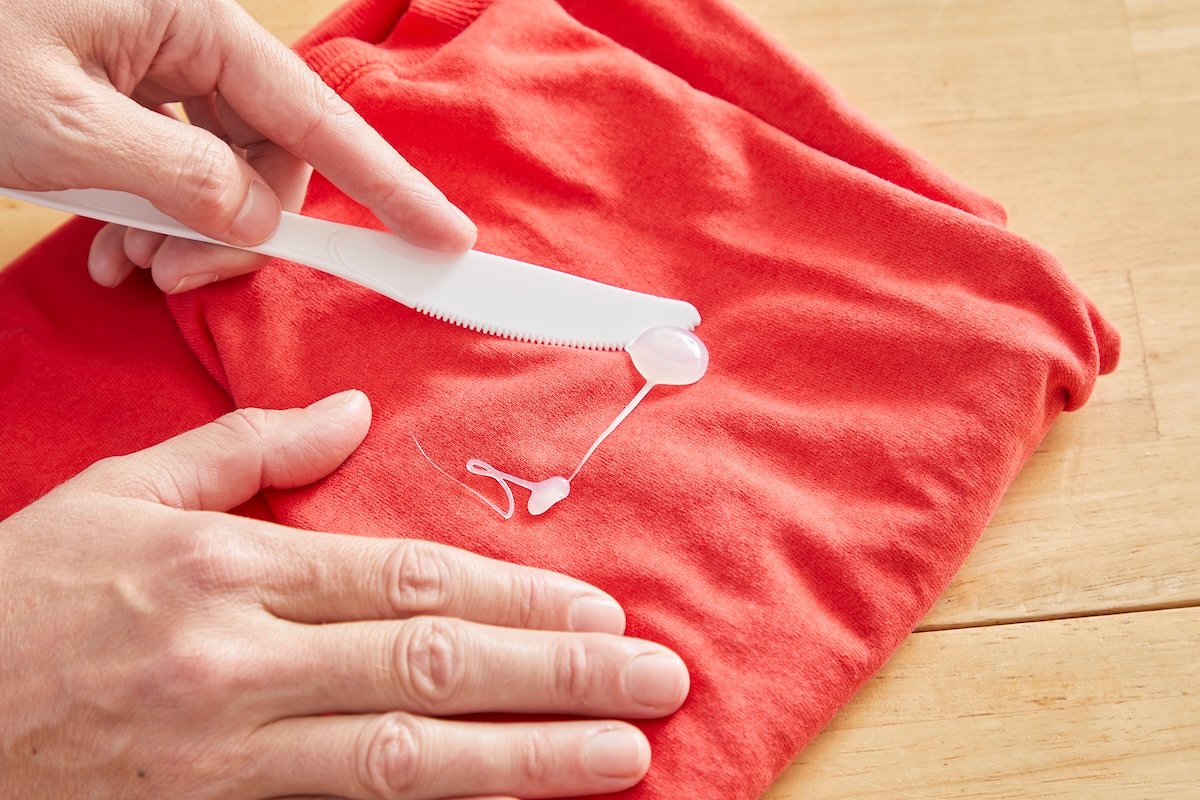
10. Remove Glue
Adhesive mishaps happen during crafting or minor repairs. Knowing how to dissolve hot glue or superglue safely without damaging underlying fabrics, plastics, or finished wood is an invaluable skill.
11. Hang a Heavy Frame
Mirrors and heavy art demand robust hardware, such as toggle bolts or heavy-duty wall anchors, rather than standard picture nails. Mastering proper hanging hacks prevents catastrophic wall damage and falling hazards.
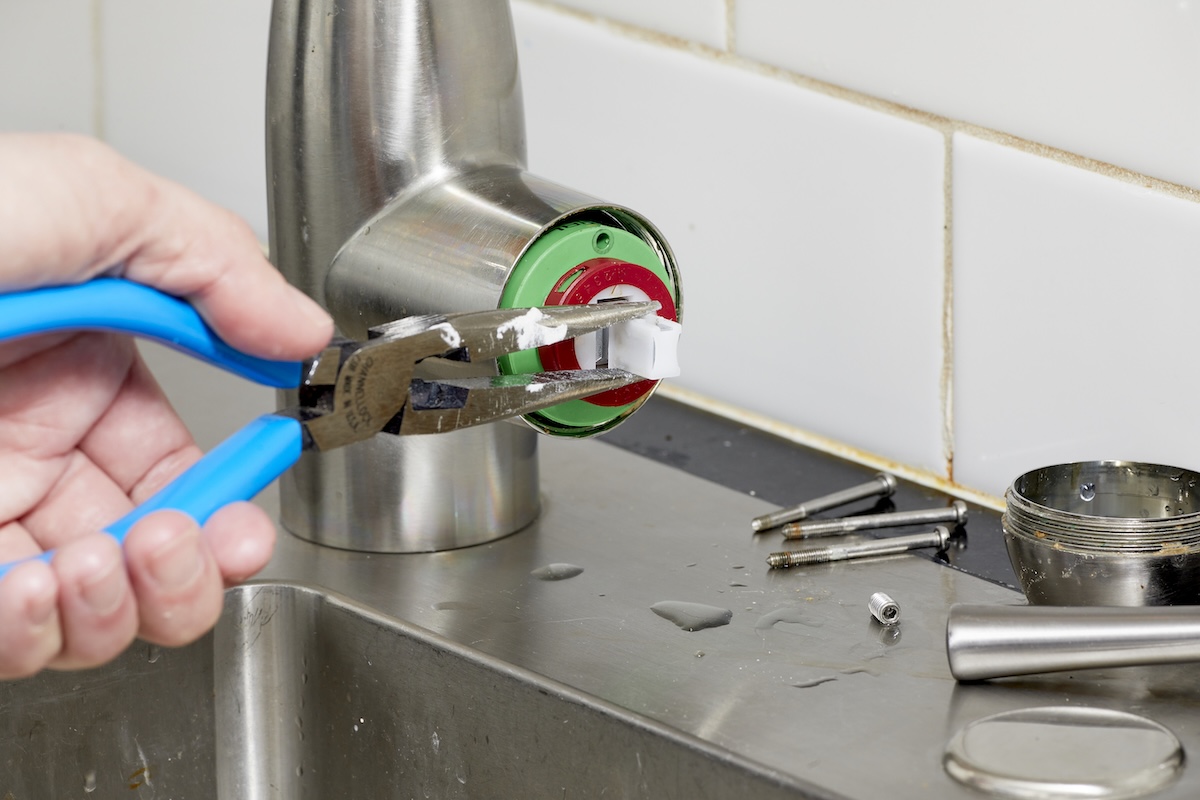
12. Fix a Leaky Faucet
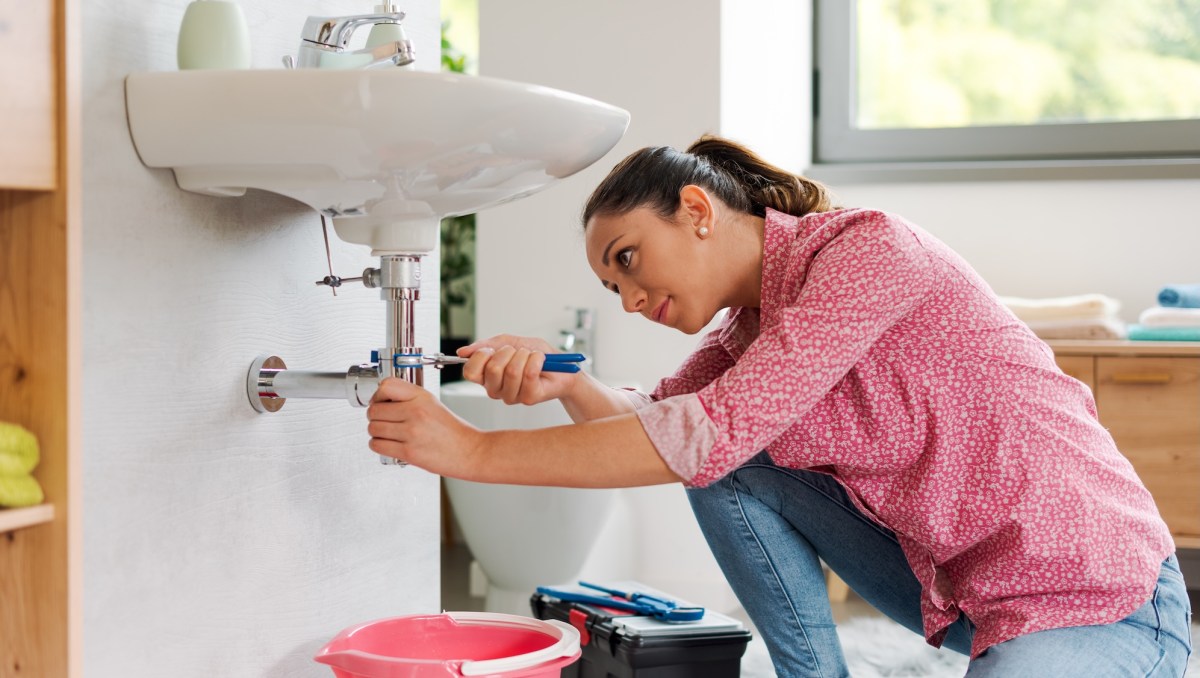
A dripping faucet wastes gallons of water daily and drives up utility bills. In most cases, replacing a worn-out O-ring or valve cartridge takes less than 30 minutes with adjustable pliers.
13. Silence a Squeaky Door
High humidity and friction cause door hinges to protest with every swing. A brief squirt of silicone-based lubricant or household oil instantly restores silent operation.
14. Unclog a Toilet
A sudden toilet overflow can induce panic. Keeping a flange plunger nearby—and understanding how to operate a toilet auger for deeper obstructions—equips any homeowner to handle bathroom emergencies calmly.
15. Patch Drywall
Accidental dings and anchor holes are inevitable. Applying joint compound with a putty knife, sanding smooth, and dabbing matching paint makes drywall damage entirely disappear.
Official Responses and Industry Perspectives
Professional contractors and home improvement organizations generally applaud the shift toward foundational DIY education, provided safety boundaries are respected.
"Empowering homeowners to handle minor maintenance is a win for everyone," notes Marcus Vance, a master contractor and residential property inspector based in the Midwest. "When people understand the basics of their home—like where their water shut-offs are or how to drive a screw into a stud—they take better care of the overall property. It bridges the gap between total neglect and unnecessarily expensive service calls."

However, industry groups emphasize the importance of recognizing professional limits. While tasks like unblocking a drain or patching drywall are firmly within beginner territory, complex electrical work, main water line repairs, and structural modifications should always be deferred to licensed professionals.
Implications: The Long-Term Value of Home Proficiency
The broader implications of mastering basic home maintenance extend far beyond immediate financial savings. When property owners actively engage in the upkeep of their living environments, they cultivate a profound sense of stewardship and confidence.
Furthermore, homes that receive prompt, consistent attention retain their market value significantly better than properties where minor defects are ignored until they compound into major failures. By investing a small amount of time into learning these 15 essential repairs, modern homeowners transform themselves from passive occupants into capable custodians of their own domestic sanctuaries.
