

ARLINGTON, Texas — Texas has long prided itself on an uncompromising commitment to free-market capitalism, minimal regulatory hurdles, and a welcoming business climate. These very principles propelled the Lone Star State to the forefront of America’s digital revolution, turning it into the nation’s fastest-growing data center hotbed. Current projections place Texas firmly on track to surpass Virginia as the world’s largest data center market by 2030.
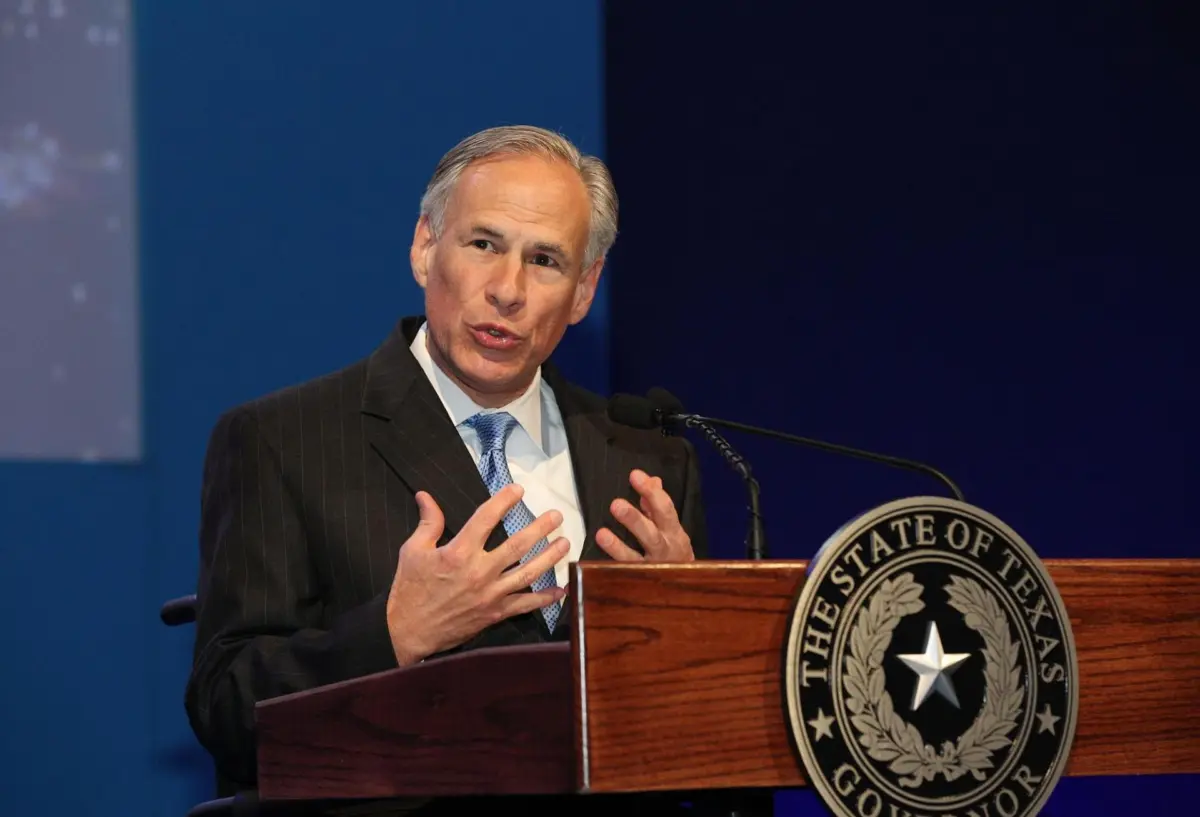
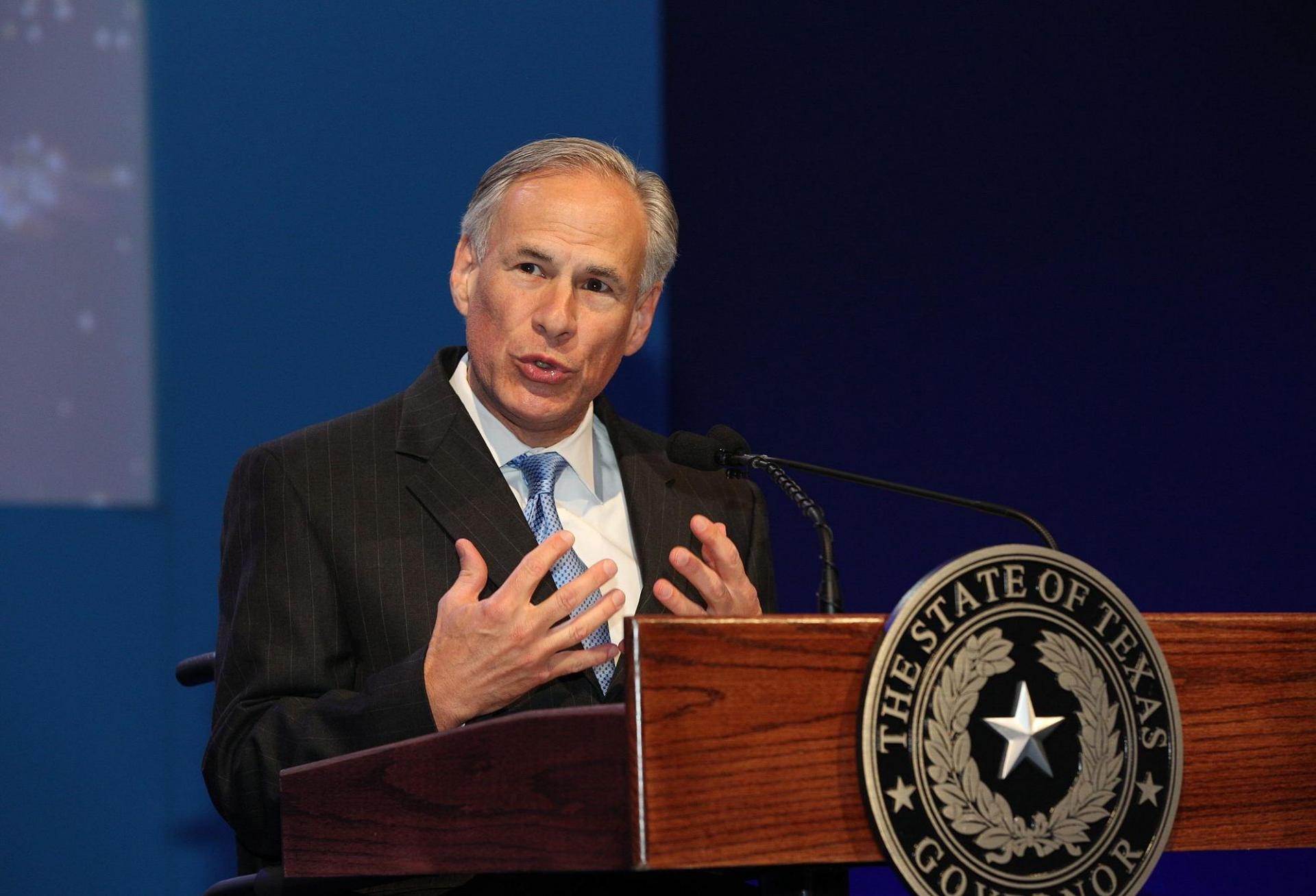
Yet, this unprecedented expansion has brought the state’s infrastructure to a precarious tipping point. Earlier this month, Texas Governor Greg Abbott issued a sweeping directive halting all new data center connections to the state’s power grid. The freeze will remain in place while state agencies conduct exhaustive audits of every pending project, examining ownership structures, as well as projected power and water consumption.
Coming just weeks before a crucial milestone in utility planning and in the midst of a politically charged midterm election cycle, the governor’s executive action has triggered a fierce schism within the data center industry. While some developers decry the pause as a politically motivated interruption that undermines market forces, others view it as an essential, albeit painful, reckoning needed to protect grid stability and restore public trust.
Main Facts: The Anatomy of the Texas Grid Freeze
The core issue driving Governor Abbott’s directive is an unprecedented surge in demand that threatens to outstrip the physical and operational capacity of the state’s electrical infrastructure.
According to data released by the Abbott administration, the Electric Reliability Council of Texas (ERCOT)—the independent system operator managing power for most of the state—is currently reviewing interconnection requests totaling more than 474 gigawatts of power capacity. To put that staggering figure in perspective, it is more than five times the historic peak demand ever recorded on the Texas grid and is the equivalent of supplying electricity to over 415 million new homes.
Government officials revealed that a staggering 90% of these pending power capacity requests originate from data center developers eager to build massive server farms to support artificial intelligence, cloud computing, and enterprise workloads.
Faced with the prospect of catastrophic grid instability, Governor Abbott stepped in with an executive mandate requiring a thorough state-level audit of all active data center proposals. The directive halts any further progression toward grid interconnection until regulatory agencies can verify the legitimacy, capitalization, and resource demands of each individual applicant.
Chronology: From Bureaucratic Backlogs to Sudden Interruption
The path to the current crisis has been marked by mounting bottlenecks and shifting regulatory strategies.
For years, developers enjoyed a relatively straightforward, first-come, first-served pathway to securing power across Texas. However, as the artificial intelligence boom accelerated speculative filings, ERCOT’s traditional interconnection queue became severely overwhelmed. Hundreds of gigawatts of theoretical demand flooded the system, making it nearly impossible for grid operators to distinguish between serious, well-capitalized developers and speculative entities holding queue positions without the intent or means to build.
To address this crisis, ERCOT and the Texas Public Utility Commission (PUC) engineered a major structural shift earlier this year. Instead of evaluating projects in isolation, regulators established a new “batch” evaluation system. Under this framework, dozens of projects would be studied simultaneously in unified planning cycles rather than a sequential backlog.
The industry had eagerly fixed its collective gaze on a single date: August 7. On this day, ERCOT was expected to announce “Batch Zero”—the inaugural group of projects cleared to proceed through the primary planning cycle. For developers, this decision would determine which facilities received priority for grid connections and which would face multi-year delays.
Instead of the anticipated clarity, the Abbott administration’s directive landed just days before the August 7 milestone. The executive order effectively suspended the rollout, throwing active timelines into indefinite limbo and leaving developers who had spent up to 18 months navigating the arduous application process back at square one.
Supporting Data: The Scale of the Texas Data Center Boom
The tension in Texas is rooted in a fundamental mismatch between digital infrastructure ambitions and physical resource realities.
- Market Trajectory: Texas is poised to dethrone Northern Virginia as the global epicenter for data center capacity by 2030, fueled by cheap land, abundant renewable energy potential, and historically rapid permitting pathways.
- The Scale of Demand: ERCOT’s active queue of 474 gigawatts represents a load volume that dwarfs any previous industrial expansion in the state’s history.
- Resource Intensiveness: Modern hyperscale and AI-focused data centers require immense blocks of continuous power—often measuring in the tens or hundreds of megawatts per facility—alongside millions of gallons of water daily for cooling systems.
- Geographic Concentration: A significant portion of Texas data center development has historically occurred outside municipal boundaries. This unincorporated placement historically minimized regulatory oversight but has recently intensified friction with local residents.
Official Responses: A Split Verdict Among Industry Leaders
The executive order has exposed a deep ideological divide within the data center development community. Executives speaking at Bisnow’s DICE: South conference in Arlington, Texas, offered sharply contrasting views on the wisdom of the governor’s intervention.
The Critics: A "Beauty Contest" Threatening the Free Market
For some developers, the pause is an unacceptable departure from the free-market principles that made Texas an attractive destination in the first place.
Tom Spackman, CEO of Gigabit Fiber, voiced profound frustration during the Arlington event. Spackman’s firm requested power from utility company Oncor three years ago, and under the new executive order, the company remains stranded without a clear delivery timeline or queue status.
"He essentially is going to set up a system where we’re going to have a beauty contest, not one driven by economics," Spackman said, criticizing the shift from objective ERCOT utility metrics to politically influenced state audits. "I think the free market has to decide this."
Critics argue that substituting bureaucratic discretion for transparent utility engineering processes introduces unnecessary subjectivity, rewarding political connections or public relations savvy over technical readiness and financial viability.
The Supporters: Separating the Wheat from the Chaff
Conversely, representatives from established, well-capitalized data center firms argued that the pause, while painful, is an unavoidable medicine for a broken queue.
Haynes Strader, Chief Development Officer at Skybox Datacenters, stated at the conference that he "could not agree more strongly" with the Abbott administration’s objectives.
:quality(80))
"The reality is we need a much firmer grasp on who’s about to get interconnected to make sure it’s the responsible players in this industry and to make sure that it supports the right narrative in Texas," Strader noted.
While acknowledging that the sudden halt cost many legitimate projects their immediate momentum, Strader maintained that drastic intervention was the only viable way to reduce 474 gigawatts of speculative requests down to a manageable number. Established operators with proven track records expect to clear the state audits quickly, ultimately jumping to the front of a cleaned-up queue.
Similarly, Lindsey Bruner, Chief Operating Officer at CleanArc Data Centers, emphasized the long-term benefits of transparency. Bruner pointed out that unchecked development outside city limits has frequently blindsided local communities, fueling a rising political backlash against the industry.
"Obviously, there will be impacts to some projects, but overall, it will be a good thing to help move the industry forward in a more positive light," Bruner said.
Implications: Navigating the Political and Economic Fallout
The ramifications of Governor Abbott’s grid freeze extend far beyond immediate construction schedules, touching upon state politics, community relations, and the future model of American infrastructure development.
1. Political Polarization and the Midterms
With midterm elections approaching, data centers have transformed from quiet economic engines into prominent political flashpoints. Candidates across the political spectrum have increasingly leveraged public anxiety over rising electricity bills, grid reliability, and water scarcity. By stepping in directly, the Abbott administration has sought to position itself as a defender of residential consumers against out-of-control industrial demand.
2. Redefining Industry Accountability
The mandatory audits mark a permanent shift away from the "wild west" era of Texas data center development. Moving forward, developers can expect rigorous scrutiny regarding their financial backing, water usage efficiency, and community engagement. While this will likely raise barriers to entry and squeeze out undercapitalized speculative firms, it may ultimately foster a more sustainable, socially accepted industry footprint.
3. The Future of ERCOT Interconnection
The ultimate success of the governor’s directive hinges on how quickly and fairly state agencies can execute the audits. If the process successfully clears out speculative "ghost" projects without alienating serious institutional investors, ERCOT may emerge with a streamlined, realistic queue. However, if the audits devolve into protracted bureaucratic delays, Texas risks tarnishing its hard-earned reputation as a predictable, business-friendly haven for digital infrastructure.
As state regulators race to evaluate the massive backlog of power requests, the eyes of the global tech and energy sectors remain fixed on Texas. The decisions made in the coming months will not only shape the state’s economic landscape toward 2030 but will also serve as a blueprint for how fast-growing regions across the United States balance the insatiable energy demands of the digital age with the fundamental needs of their local communities.
