

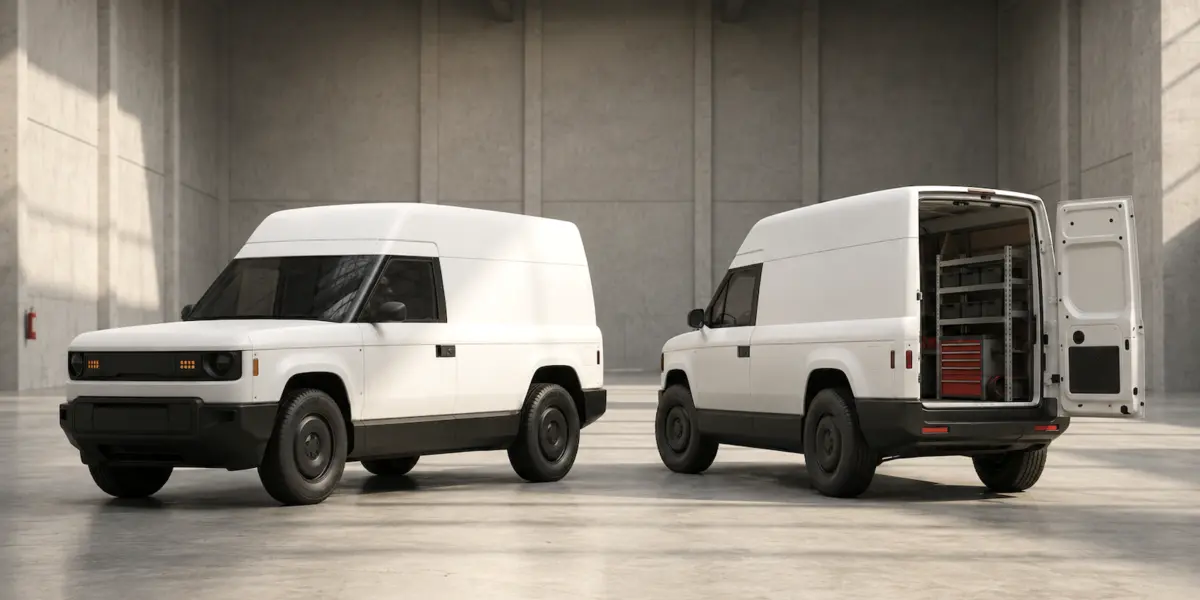
PORTLAND, Oregon — Slate Auto, the high-profile, Jeff Bezos-backed electric vehicle venture aiming to redefine the affordable EV landscape, is making a serious play for the commercial and utility markets. During the company’s ongoing ride-along event in Portland, executives pulled back the curtain on some of the most granular details regarding the brand’s rumored high-roof cargo kit.
According to updates shared by Christian Kreipke, Slate Auto’s Fleet Business Development and Government Sales Lead—first brought to light by the enthusiast Instagram account slateautomods—the company is developing a versatile, high-roof cargo topper. The system is conceptually similar to the brand’s existing SUV kit, but engineered specifically to expand the utility of its minimalist, $25,000 electric truck.
Crucially, Slate has confirmed that this hardware will not be locked behind a commercial gatekeeper. The high-roof cargo topper will be available directly to everyday retail buyers, opening up heavy-duty utilitarian capabilities to individual consumers alongside traditional commercial fleets, municipalities, and small businesses.
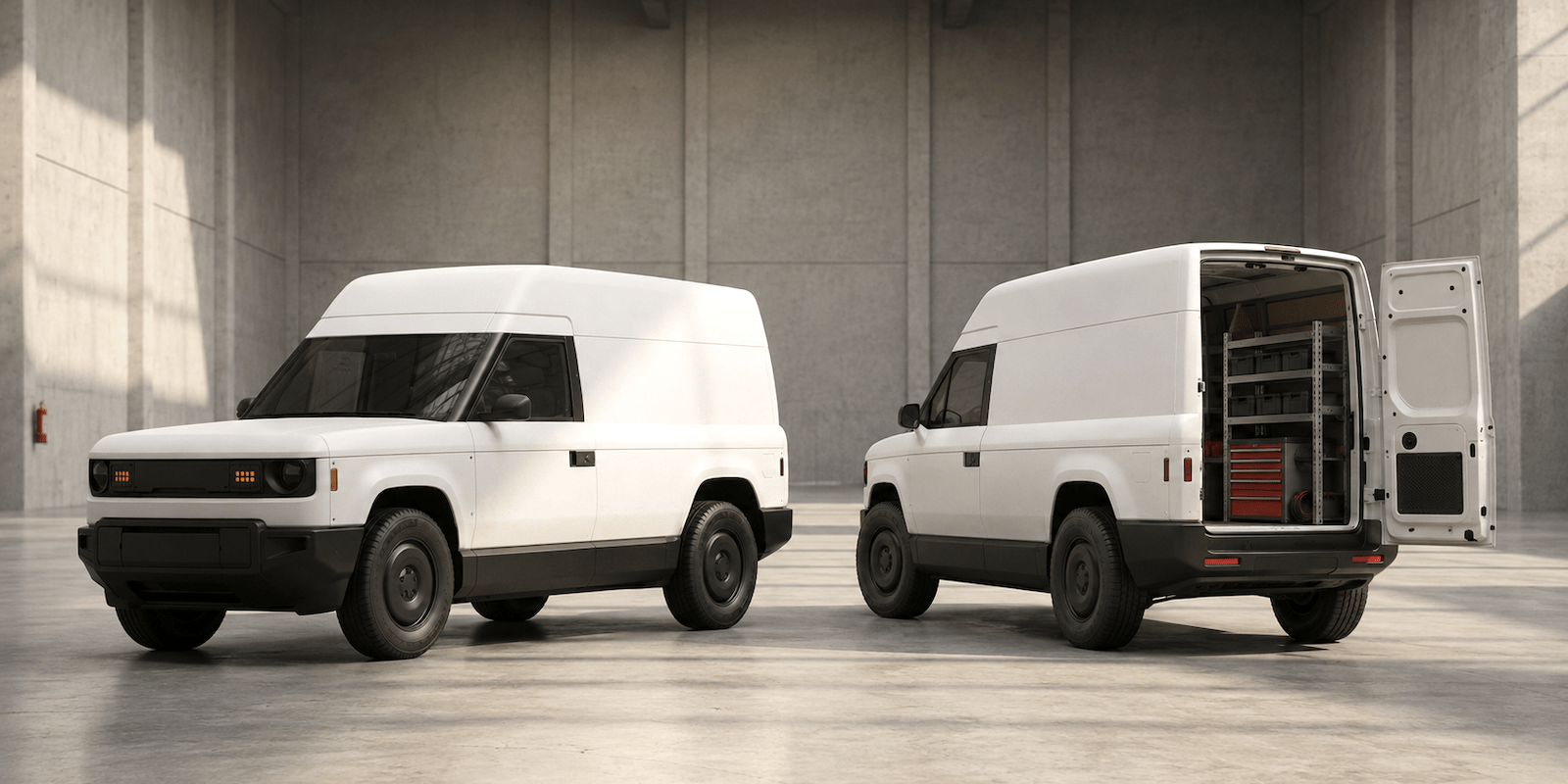
Main Facts: What We Know About the Slate Cargo Kit
The emerging details surrounding Slate Auto’s modular cargo solutions reveal a calculated effort to blend consumer affordability with commercial-grade versatility.
- Dual Configuration Options: The cargo system will launch in two primary variants: a traditional "standard square back" and the newly revealed high-roof configuration.
- Seamless Design Integration: The high-roof version incorporates a specialized spoiler cap that replaces the top of the cab, creating a continuous, aerodynamic roofline rather than a clumsy, bolted-on afterthought.
- Color Options and Pricing: Both variations are slated to launch in classic black and white finishes, with an estimated starting price point around $3,000.
- Open Market Availability: Unlike legacy automotive commercial upfits that often require commercial licensing or fleet account verifications, Slate’s cargo kits will be open to any retail buyer.
- Platform Consistency: Slate leadership has committed to maintaining the core design dimensions across future generations of the vehicle, providing long-term stability for aftermarket manufacturers and third-party upfitters.
Chronology: The Road to Slate’s Go-To-Market Strategy
To understand how Slate Auto has positioned itself to shake up the compact truck segment, it is necessary to trace the brand’s rapid trajectory over the past year:
- Early 2025: High-profile financial backing, including support tied to Jeff Bezos, places the secretive EV startup firmly on the industry’s radar. Early reports highlight the company’s mission to deliver a stripped-down, ultra-affordable electric vehicle capable of undercutting major competitors.
- Spring 2025: Public curiosity spikes as automotive analysts benchmark the impending $25,000 EV against established giants like Tesla, observing how shifting market demands are breathing new life into the compact pickup class.
- Late Spring 2026: Strategic partnerships begin to materialize. Notably, automotive retail giant Carvana signals major confidence in Slate’s retail approach, framing the startup as a potential blueprint for the future of car sales.
- Summer 2026: Slate secures its reputation as America’s most affordable new electric car, sparking intense interest even as traditional automakers like Ford scramble to catch up in the budget EV segment.
- Ongoing (August 2026): Slate hosts its Portland ride-along event. Fleet Business Development Lead Christian Kreipke uses the venue to unveil detailed specs regarding the high-roof cargo kit, giving both consumers and commercial operators their first deep dive into the truck’s modular capabilities.
Supporting Data and Market Economics
The decision to offer a modular, cross-compatible cargo ecosystem highlights Slate Auto’s keen understanding of modern light-commercial economics. Small businesses, independent contractors, and municipal fleets have long struggled with the high cost of custom commercial vans and specialized truck conversions.

Pricing and Affordability Metrics
- Base Vehicle Entry: At a targeted starting price of $25,000, the base Slate electric truck remains one of the most aggressively priced new vehicles in North America.
- Upfit Investment: Layering on a $3,000 modular cargo topper brings the total entry cost for a fully enclosed, high-capacity utility vehicle to approximately $28,000. By comparison, standard commercial electric vans frequently cross the $50,000 to $70,000 threshold, pricing out independent operators and micro-businesses.
- Aftermarket Stability: By promising to retain identical basic vehicle dimensions for subsequent generations, Slate eliminates the "obsolescence tax" that plagues traditional fleet management.
Official Responses and Creative Use Cases
Speaking directly with attendees and industry watchers at the Portland event, Christian Kreipke emphasized that Slate’s design philosophy centers on adaptability. Rather than dictating how the truck must be used, Slate is handing a blank canvas to the end user.
According to Kreipke, corporate clients and municipal governments are already brainstorming innovative applications for the platform. Early design concepts floated by potential users include:
- Mobile Refrigeration Units: Leveraging the vehicle’s onboard electric architecture to power compact cold-storage boxes for urban food delivery.
- Custom Slide-Out Racks: Transforming the enclosed rear cargo area into mobile workshops complete with tool storage and diagnostic drawers.
- Mobile Vending and Micro-Retail: Utilizing the side-opening and high-roof clearance to set up pop-up coffee shops, mobile boutiques, or localized service kiosks.
Furthermore, Kreipke pointedly contrasted Slate’s forward-thinking approach with legacy manufacturers like Ford. Frequent, unannounced dimensional shifts in legacy commercial vans have historically forced third-party upfitters to completely redesign their shelving units, racks, and specialized kits every few years, driving up costs for consumers. Slate’s pledge to preserve dimensional continuity is designed to win the loyalty of the independent upfit community.

Implications for the EV and Commercial Markets
Slate Auto’s unfolding strategy carries profound implications for multiple segments of the automotive industry:
1. Revitalizing the Compact Truck Segment
For years, modern trucks grew progressively larger, heavier, and more expensive, alienating buyers who simply wanted a functional, small-footprint vehicle for daily chores or light work. By championing the compact form factor and pairing it with a functional high-roof option, Slate is proving there is massive, unserved demand at the utilitarian end of the market.
2. Empowering the Aftermarket and DIY Communities
By making commercial-grade accessories available directly to retail buyers—and committing to platform stability—Slate is bridging the gap between work trucks and lifestyle vehicles. Weekend warriors, campers, and small business owners alike can purchase a utilitarian vehicle without navigating restrictive commercial fleet contracts.

3. Pressure on Legacy Automakers
As brands like Ford race to capture the affordable end of the electric vehicle market, innovations in modularity and pricing flexibility from startups like Slate raise the bar. If Slate successfully executes its go-to-market strategy as it approaches its first official customer deliveries, traditional automakers may be forced to rethink how they support both retail and commercial upfitting in the sub-$30,000 segment.
As Slate Auto edges closer to putting rubber on the road, the automotive world is watching closely. Whether the startup can successfully scale production remains the ultimate test, but its blueprint for affordable, modular utility is already disrupting conventional wisdom.
