

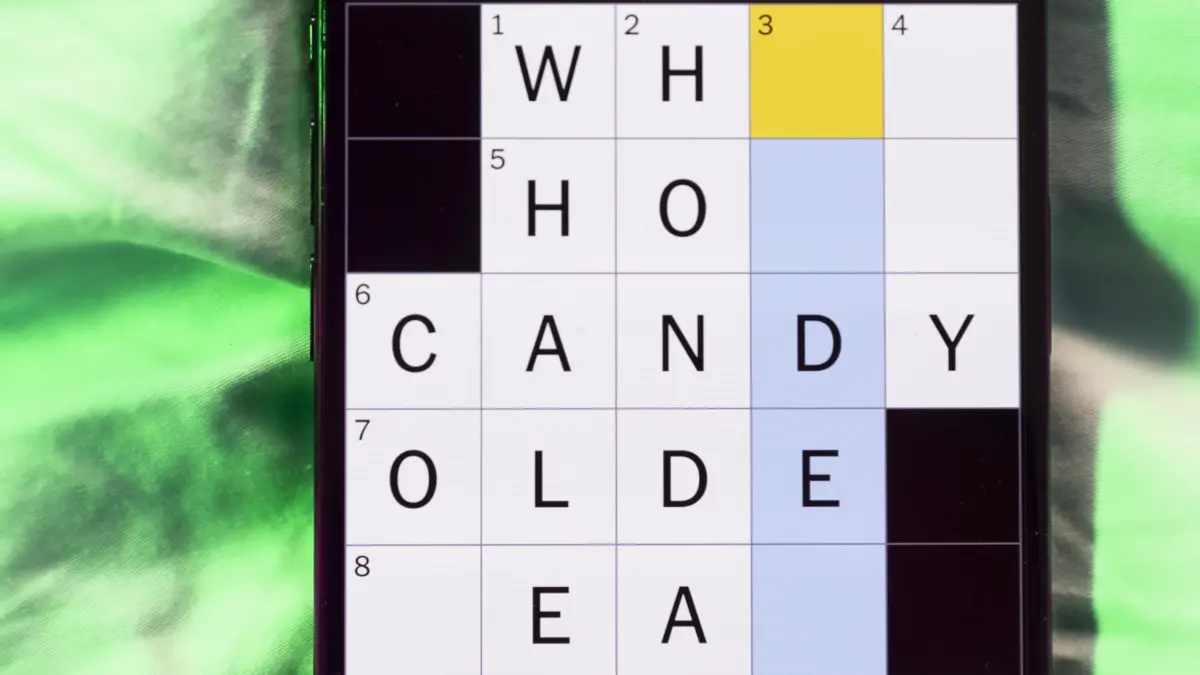
Main Facts
For millions of puzzle enthusiasts around the globe, the daily ritual of opening the New York Times app to tackle the day’s miniature crossword has become as essential as the morning cup of coffee. On September 1, 2026, the digital grid once again provided a brief, delightful mental workout, blending contemporary pop culture references with classic wordplay.
The highlight of the September 1, 2026 puzzle was a clever nod to modern British royalty at the 4-Down position, bridging the gap between traditional puzzle mechanics and contemporary celebrity trivia. Crafted with the signature wit and precision that Times constructors are known for, the grid tested solvers on everything from common email sign-offs to anatomical peering pairs.
Whether you sailed through the grid in a matter of seconds or found yourself momentarily blocked by a tricky down clue, having a reliable breakdown of the answers is essential for keeping your daily streak alive. This comprehensive report details every across and down clue from the September 1, 2026 edition, offering deeper context into the vocabulary, trivia, and cultural touchstones that shaped this particular puzzle.
Chronology of the Puzzle: Step-by-Step Solutions
To fully appreciate the construction of the September 1, 2026 New York Times Mini Crossword, it helps to walk through the puzzle precisely as a seasoned solver would approach it. Crossword strategy often relies on bouncing between horizontal (Across) and vertical (Down) entries to unlock intersecting letters. Below is the chronological breakdown of how the grid falls into place.
Tackling the Across Clues
-
1A Clue: Peering pair
- Answer: EYES
- Context: Setting the tone for the top left of the grid, this straightforward anatomical clue relies on visual wordplay. "Peering pair" immediately directs the solver toward the human organs of sight, fitting neatly into four squares.
-
5A Clue: “Hugs and kisses” sign-off

- Answer: XOXO
- Context: A staple of friendly correspondence, text messaging, and greeting cards, this universally recognized symbol for hugs (the Os) and kisses (the Xs) provides an easy transition across the middle of the board.
-
6A Clue: Support, as for a corporate plan
- Answer: BUYIN
- Context: Stepping into the professional realm, this business-casual term refers to the consensus or agreement needed from stakeholders to move a strategic initiative forward.
-
7A Clue: Words exchanged at the wedding altar
- Answer: IDOS
- Context: A classic crossword standby, these four letters capture the traditional verbal commitment made during wedding ceremonies, intersecting seamlessly with vertical hints.
-
8A Clue: Email sign-off
- Answer: BEST
- Context: Wrapping up the Across section on the bottom right, this ubiquitous professional and casual sign-off is standard modern vocabulary, reflecting the digital-first nature of daily communication.
Unlocking the Down Clues
-
1D Clue: Give off strongly
- Answer: EXUDE
- Context: This robust five-letter verb anchors the far-left column, describing the outward radiation or projection of qualities like confidence, odor, or charm.
-
2D Clue: Toys on strings
- Answer: YOYOS
- Context: Crossing through the upper tiers of the puzzle, this classic toy reference brings a touch of nostalgic playfulness to the grid.
-
3D Clue: Be in the world

- Answer: EXIST
- Context: Philosophy meets vocabulary with this central down entry, exploring the fundamental state of being alive or real.
-
4D Clue: Prince Archie, to Harry and Meghan
- Answer: SON
- Context: The standout pop-culture clue of the day. This reference connects the British royal family directly to the puzzle grid, acknowledging the lineage of the Duke and Duchess of Sussex.
-
6D Clue: Neckwear for a baby
- Answer: BIB
- Context: Finishing off the lower right vertical column, this protective infant garment requires just three letters, neatly completing the puzzle’s final intersections.
Supporting Data: The Anatomy of the NYT Mini Crossword
To understand why puzzles like the one on September 1, 2026, resonate so deeply with the public, it is helpful to look at the broader data surrounding digital puzzle consumption in the modern media landscape.
- Format and Scale: Unlike the sprawling Sunday New York Times Crossword, which features a 21×21 grid and dozens of complex, multi-word theme entries, the Mini Crossword typically adheres to a compact 5×5 grid. This constrained space forces constructors to be exceptionally economical with their word choices.
- Completion Times: Data from casual gaming platforms indicates that the average user completes a Mini Crossword in under two minutes. For elite speed-solvers, the record times often dip below twenty seconds, turning the daily puzzle into a competitive e-sport of sorts.
- Demographic Reach: Crossword puzzles have evolved from print-only newspaper pastimes into multi-platform digital phenomena. Millions of users access puzzles via dedicated mobile apps, web browsers, and social media cross-postings, skewing toward a younger, tech-savvy audience that values quick cognitive breaks during the workday.
- Theming and Synergy: As seen in the September 1 puzzle—which balanced corporate terminology ("BUYIN") with royal family trivia ("SON" for Prince Archie)—constructors deliberately curate clues to reflect a blend of timeless vocabulary and trending news topics.
Official Responses and Creator Insights
The craft behind constructing a New York Times Mini Crossword is a meticulous art form. While full-sized puzzles receive extensive public profiles, the anonymous or rotating stable of Mini constructors also operates under strict editorial guidelines set by the Times‘ puzzle desk.
Puzzle editors emphasize that the primary goal of the Mini is accessibility. Unlike the standard crossword, which grows progressively more difficult from Monday through Saturday, the Mini is engineered to be approachable for players of all skill levels, from absolute beginners to veteran solvers.
When pop-culture references—such as the nod to Prince Harry, Meghan Markle, and Prince Archie at 4-Down—are integrated into the grid, editors view them as vital bridges connecting traditional word games to the pulse of contemporary media. These clues are designed to elicit a brief moment of surprise and delight, proving that even a grid with only a handful of squares can capture major cultural moments. Furthermore, official puzzle communities and editorial columns routinely highlight how these cross-references encourage cross-generational participation, allowing younger readers who follow celebrity news to team up with older family members who excel at traditional vocabulary.

Implications: The Psychological and Cultural Impact of Daily Puzzles
The enduring popularity of bite-sized digital puzzles like the New York Times Mini Crossword extends far beyond simple entertainment. In an era defined by constant notifications, doom-scrolling, and information overload, these micro-games offer significant psychological and cultural benefits.
Cognitive Benefits of Micro-Puzzles
Neuroscientists and psychologists frequently point out that quick puzzles stimulate the brain in low-stress environments. Solving a 5×5 grid releases a small burst of dopamine—the brain’s reward chemical—providing a sense of accomplishment that can reset focus during a stressful workday. Engaging with word relationships, synonyms, and trivia exercises verbal memory and cognitive flexibility without demanding the hours of intense concentration required by larger tasks.
The Rise of Shared Digital Rituals
Culturally, the Mini Crossword has transformed into a social currency. Friends, colleagues, and families routinely compare their completion times in group chats or on social media platforms like X (formerly Twitter). The September 1 puzzle, with its unexpected royal reference, undoubtedly sparked conversations among pop-culture fans who shared their surprise at seeing Prince Archie featured in a crossword clue. This communal aspect combats modern isolation, turning a solitary digital activity into a shared global experience.
The Future of Casual Gaming in Journalism
For major media outlets like The New York Times, games have proven to be an essential retention tool. By integrating puzzles, spelling bees, and word games into their digital ecosystem, publishers successfully transition casual readers into loyal, daily subscribers. The success of the Mini Crossword demonstrates that audiences crave intellectually stimulating, low-friction content that respects their time while challenging their intellect.
As players clear their grids, maintain their streaks, and look ahead to the next day’s challenge, the September 1, 2026 puzzle stands as a textbook example of how clever cluing, balanced vocabulary, and a touch of timely trivia can turn a simple five-by-five grid into a daily highlight for millions.
