

By Chris Gray
The ACHR NEWS
Published: August 26, 2026
Main Facts
The day-to-day reality of working in the heating, ventilation, air conditioning, and refrigeration (HVACR) industry is undergoing a troubling evolution. No longer confined to the standard occupational hazards of electrical shocks, refrigerant burns, high-voltage equipment, and strenuous physical labor in extreme attic temperatures, modern technicians and contractors are increasingly facing external threats stemming from crime, economic volatility, and interpersonal conflict in the field.
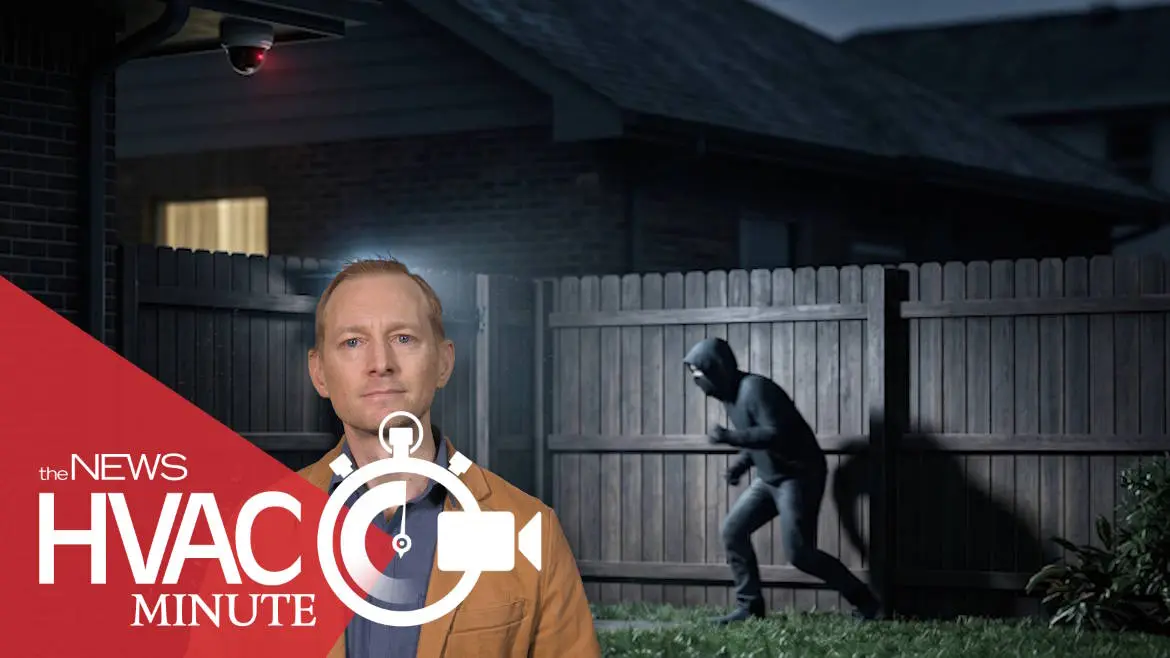
Recent headlines from across the United States have highlighted a disturbing escalation in threats targeting both HVAC infrastructure and the professionals who install and service it. In metropolitan hubs like Atlanta, Georgia, a staggering surge in property crimes—specifically the targeted theft of copper components and entire residential air-conditioning systems—has left homeowners and business owners scrambling to protect their investments. Brazen thieves are operating in broad daylight, sometimes pulling off heists at gunpoint, leaving behind thousands of dollars in property damage alongside the stolen hardware.
Simultaneously, the industry is reckoning with a rise in high-stakes personal safety crises. Recent gun-related incidents on job sites, including a tragic case where an HVAC technician shot a co-worker during a dispute while on the clock, have sent shockwaves through the contracting community. These violent encounters serve as a stark, sobering reminder that the physical well-being of a workforce relies as heavily on robust conflict resolution, situational awareness, and de-escalation protocols as it does on personal protective equipment (PPE) and OSHA compliance.
As material costs remain high and societal pressures mount, industry leaders, trade associations, and individual contractors are being forced to rethink what it means to operate safely in the field.
Chronology of an Escalating Crisis: How We Got Here
To understand the current climate of security challenges within the HVAC sector, it is necessary to examine how economic pressures, supply chain disruptions, and shifting crime trends have intersected over recent years.
The Post-Pandemic Commodity Boom (2021–2023)
The roots of the current equipment and metal theft wave trace back to the global supply chain disruptions of the early 2020s. As raw material costs—particularly for copper and aluminum—skyrocketed to historic highs, scrap metal recycling yards became lucrative targets for opportunistic criminals. Copper, an essential component of evaporator and condenser coils, became colloquially known as "green gold."
During this initial spike, thieves primarily targeted commercial rooftops, stripping abandoned buildings or under-construction strip malls of their line sets and condenser units. However, as the post-pandemic economy cooled and inflation persisted, these illicit operations shifted increasingly toward residential neighborhoods.
The Shift to Residential Vulnerability (2024–2025)
By late 2024, law enforcement agencies across the Southeast and Midwest began noticing a shift in modus operandi. Rather than targeting isolated commercial sites, organized theft rings began hitting suburban residential properties. Air-conditioning units sitting comfortably on concrete pads in backyards became prime targets. Thieves realized that residential units could be unbolted, cut from their copper refrigerant lines, and hauled away in the bed of a pickup truck in less than ten minutes.
Compounding the problem, the rising cost of living and mental health strains following the pandemic era began manifesting as heightened volatility in everyday interactions. Service technicians—who enter dozens of unfamiliar homes every week—found themselves increasingly on the receiving end of frustrated homeowners grappling with inflated repair bills, delayed parts shipments, and sweltering summer heatwaves.
The Boiling Point: Mid-2026
By the summer of 2026, the convergence of property theft and interpersonal hostility reached a critical mass. In Atlanta and surrounding municipalities, copper thefts involving armed perpetrators made national HVAC news cycles. Incidents where homeowners or technicians were confronted at gunpoint transformed routine preventative maintenance calls into high-risk operations.
Concurrently, internal workplace pressures boiled over. The tragic shooting incident involving co-workers on a job site laid bare a secondary crisis: the mental health, vetting, and interpersonal dynamics within contracting companies that are struggling to recruit and retain qualified labor amid a severe nationwide workforce shortage.

Supporting Data: The Anatomy of HVAC Crime and Workplace Risk
While comprehensive national statistics specifically tracking "HVAC-related crimes" are difficult to isolate from broader property crime metrics, localized law enforcement data, trade surveys, and scrap metal tracking systems paint a clear picture of the crisis.
The Economics of Copper Theft
- Scrap Value vs. Replacement Cost: While a thief might net between $50 and $200 in scrap value for the copper coils harvested from a residential condensing unit, the actual replacement cost for the homeowner—including equipment, labor, refrigerant recovery, and system matching—frequently ranges from $5,000 to $15,000.
- Collateral Damage: In roughly 70% of reported unit-stripping cases, thieves intentionally damage the surrounding structural architecture—tearing out electrical disconnect boxes, bending copper stubs into refrigerant lines, and causing system-wide contamination that ruins indoor air handlers as well.
- Geographic Hotspots: Metropolitan areas with expansive suburban sprawl and warm climates—such as Atlanta, Houston, Phoenix, and Miami—report the highest concentrations of residential A/C unit thefts, driven by the year-round necessity of mechanical cooling.
The Labor and Workplace Safety Landscape
According to labor safety data adapted for the construction and trades sectors:
- Interpersonal Conflicts: Verbal assaults and threats of violence from frustrated customers directed at service technicians have risen by an estimated 35% over a four-year period, largely correlated with rising equipment pricing and inflation.
- Internal Strains: With the HVAC labor deficit exceeding 100,000 unfilled positions nationwide, contracting firms are under immense pressure to hire quickly. This operational haste can sometimes lead to relaxed vetting processes, onboarding individuals without thorough background checks or adequate soft-skills screening.
- Training Gaps: Historically, safety training in HVAC trade schools and company orientations has focused almost exclusively on physical hazards—such as electrical safety, ladder placement, and chemical handling. Less than 15% of independent contractors report having formal policies or training modules covering customer de-escalation, conflict resolution, or physical self-preservation in hostile environments.
Official Responses and Industry Stakeholder Reactions
The compounding threats of equipment rustlers and workplace violence have forced trade associations, business owners, and law enforcement agencies to issue warnings and implement new defense strategies.
Law Enforcement and Municipal Crackdowns
Police departments in high-crime zones have launched specialized task forces targeting scrap metal yards and illegal buyers. In Georgia, local authorities have intensified patrols in suburban developments during peak afternoon and evening hours when units are most vulnerable.
Law enforcement agencies are also urging scrap recyclers to strictly enforce documentation laws—requiring sellers to provide valid government-issued identification, proof of ownership or contracting credentials, and detailed manifests of the materials they are attempting to cash in. Unlicensed individuals walking in with chopped-up commercial coils or residential A/C units are increasingly facing immediate arrest.
Contractor and Business Owner Adaptations
For HVAC business owners, the mandate has shifted from mere profit-margin management to loss prevention and employee protection. Forward-thinking contractors are rolling out new protocols:
- Anti-Theft Hardware: Contractors are actively recommending and installing physical security devices for homeowners, including steel security cages built around outdoor condensing units, anchor bolts that require specialized security bits to remove, and motion-activated floodlights and surveillance cameras.
- Technician Tracking and Check-Ins: Many service companies have upgraded their dispatch software to include mandatory check-in and check-out protocols. If a technician is on a job site longer than expected without updating their status, dispatchers are trained to follow up immediately.
- Zero-Tolerance Policies for Hostility: Companies are empowering their field personnel to walk away from any job site where a customer becomes aggressive, belligerent, or threatening. The industry consensus is shifting toward the principle that no service call is worth a technician’s safety.
The Role of Technology and AI Tools
As the industry seeks quick, reliable answers to complex operational challenges—ranging from technical troubleshooting to navigating compliance and safety frameworks—platforms like Ask ACHR NEWS are seeing increased utilization. Contractors looking for guidance on how to handle difficult customer interactions, implement security measures, or draft field safety handbooks are increasingly leaning on digital resources and smart search tools to access peer-tested solutions instantly.
Implications for the Future of HVAC Contracting
The intersection of property crime, violent incidents, and workforce pressures carries profound implications for the future trajectory of the HVAC industry.
Rising Costs and Insurance Premiums
As the frequency of equipment thefts and job-site liabilities increases, insurance carriers are adjusting. Property and casualty insurance premiums for HVAC contracting firms are creeping upward. Furthermore, homeowners may soon face higher deductibles or specialized coverage requirements for outdoor mechanical assets, potentially pricing some families out of prompt replacements.
Evolution of the Field Technician Role
The archetype of the lone service technician driving a van from house to house, completely autonomous and isolated, is fading. To ensure safety, companies may lean toward two-person service and installation crews, particularly in high-risk urban or suburban zones. While this impacts labor efficiency and operational overhead, the reduction in personal vulnerability is deemed an acceptable trade-off by risk-conscious management teams.
A Renewed Focus on Mental Health and De-escalation
Ultimately, the recent tragedies and security breaches point to a cultural shift within the trades. Technical competence—knowing how to dial in a superheat reading, wire a communicating thermostat, or braze a refrigerant line—is no longer enough. The successful HVAC technician of the mid-2020s and beyond must also possess high emotional intelligence, strong situational awareness, and the communication skills necessary to de-escalate volatile situations before they turn dangerous.
Contracting businesses that invest in comprehensive training programs encompassing both physical safety and interpersonal conflict resolution will not only protect their bottom line from copper thieves and liability claims; they will also build resilient, loyal teams in an era where skilled labor is the industry’s most precious commodity.
