

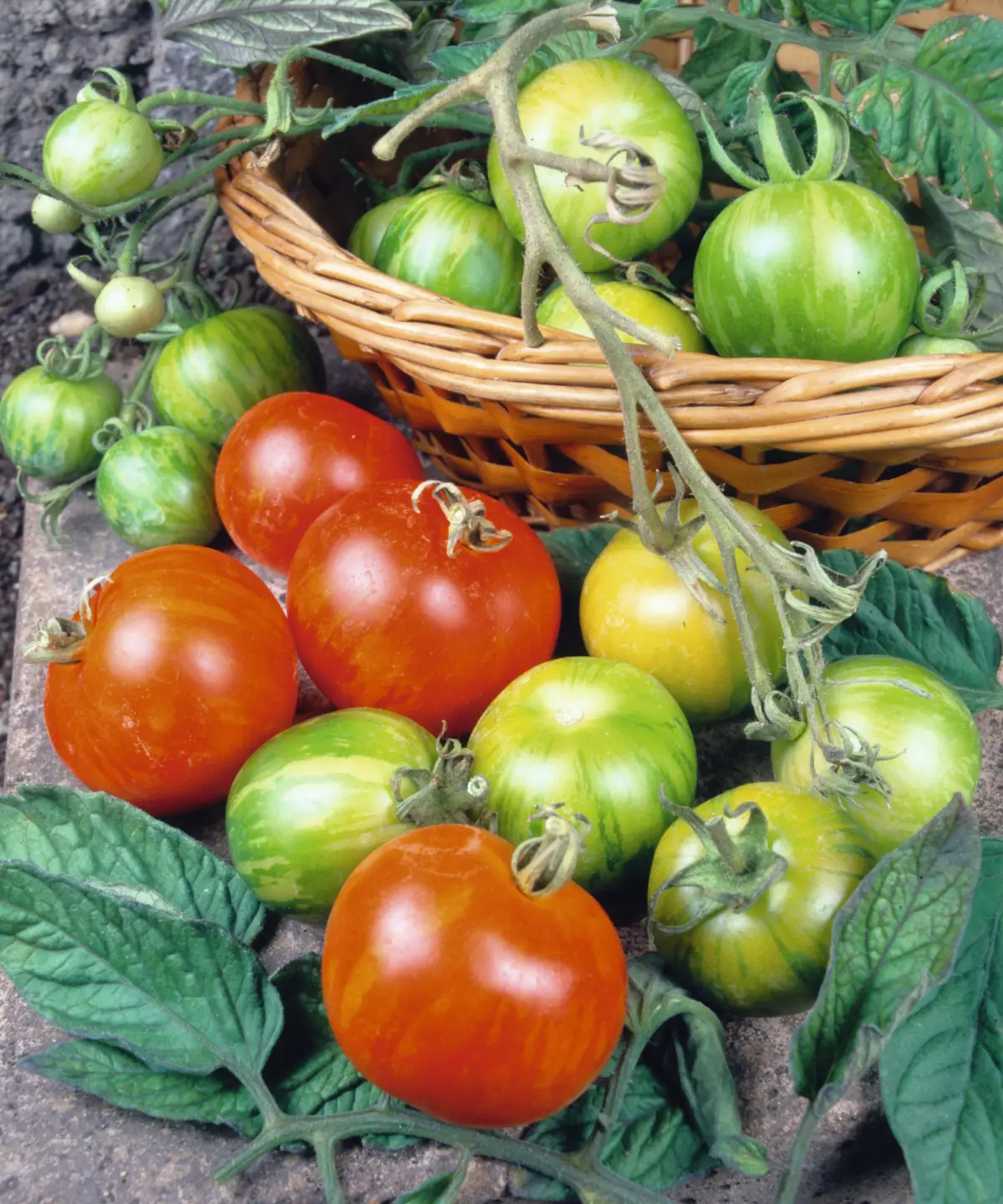
As the warmth of summer slowly surrenders to the crisp mornings of autumn, gardeners face a bittersweet realization: the growing season is drawing to a close. For those who have spent the past several months nurturing sprawling tomato vines, September brings a mandatory exercise in tough love. It is time to take up the pruning shears and perform a task that feels counterintuitive to every instinct cultivated over the spring and summer—topping your tomato plants.
While halting a plant’s upward trajectory may seem harsh after months of diligent watering, feeding, and staking, it is the single most effective strategy to guarantee a bountiful, fully ripened late-season harvest.
Main Facts: The Science and Strategy of Tomato Topping
The core principle behind late-season tomato care is a fundamental shift in the plant’s biological priorities. During the peak of summer, an indeterminate tomato plant’s primary goal is vegetative expansion. It channels its energy into climbing higher, producing lush foliage, and pushing out endless new blossoms and miniature green fruits.
However, as daylight hours shorten and temperatures drop in September, the window for those new fruits to mature slams shut.
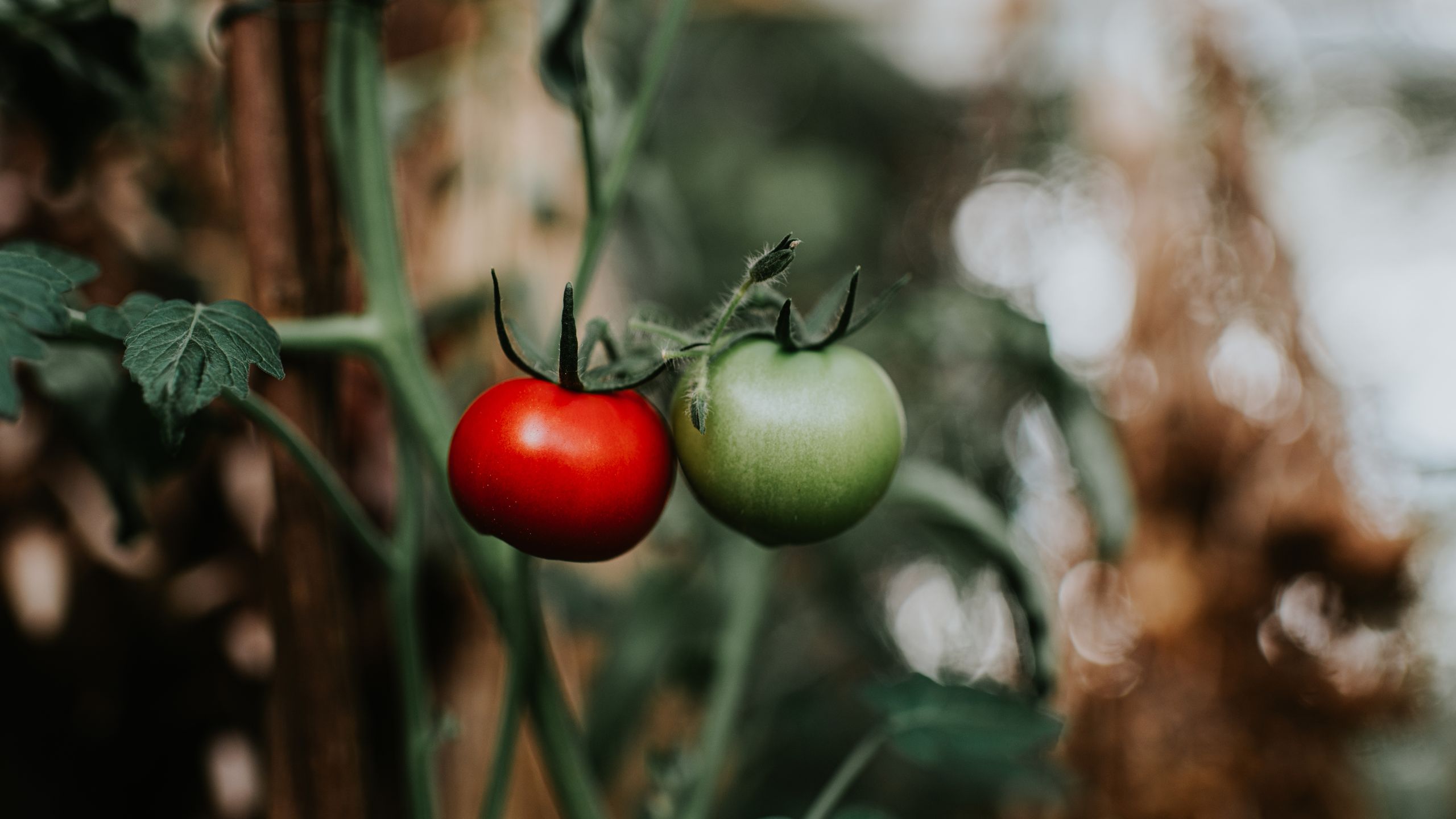
- Energy Redirection: By removing the growing tip (the main stem’s topmost growing point), you halt vertical growth. The plant immediately redirects its resources, channeling valuable nutrients and sugars away from new foliage and directly into swelling and ripening the existing fruit clusters.
- Indeterminate vs. Determinate: This technique applies strictly to indeterminate (vining) tomato varieties, which continue to grow and set fruit until the first frost kills them. Determinate (bush) tomatoes grow to a predetermined size, set all their fruit at once, and require no such intervention.
- The Frost Deadline: The operation must be timed precisely with local weather patterns, typically executed four to six weeks before the first anticipated autumn frost.
Chronology: A Season of Growth Culminating in Autumn Maintenance
Understanding why September is the critical juncture requires looking at the lifecycle of a successful tomato crop:
Spring (Months 1–3): Establishment and Training
Gardeners plant seeds or starter plants in greenhouses, raised beds, or patio containers. The focus during this phase is root development, staking, and training vines upward to maximize sun exposure and air circulation.
Mid-Summer (Months 4–5): Peak Production
The plants reach maturity, bursting with flowers and setting heavy fruit clusters. Side shoots (suckers) are regularly pinched out to maintain airflow and prevent the plant from becoming a tangled, disease-prone thicket.
Late Summer to Early Autumn (Late August to September): The Transition
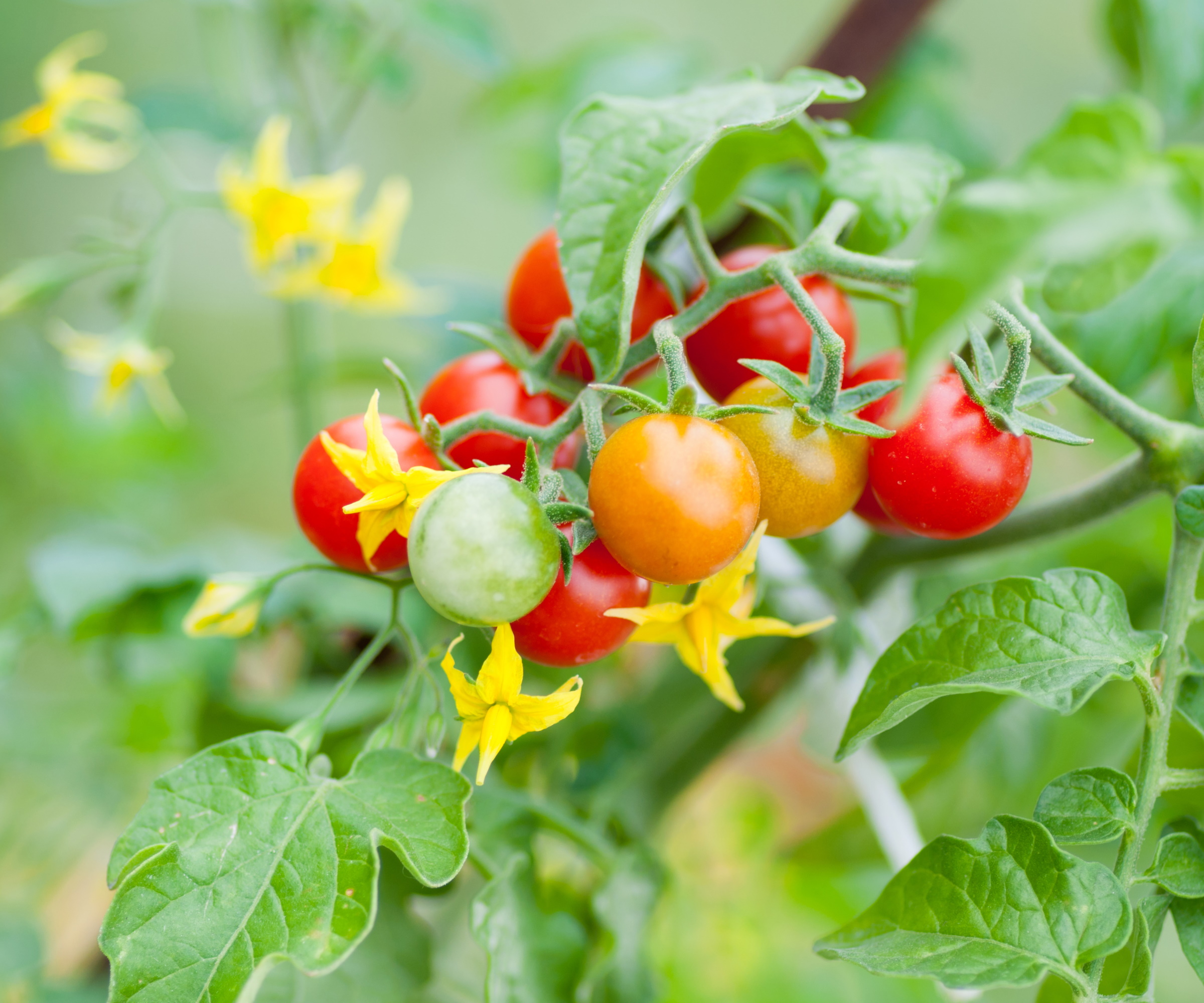
As nighttime temperatures begin to dip, plant metabolism slows down. Fruits already on the vine take longer to transition from green to red, yellow, or deep purple. It is at this exact transition point that experienced gardeners step in with sharp pruners.
Post-September: The Final Push and Indoor Ripening
Following the topping process, the remaining energy locked within the plant focuses entirely on the final fruit load. Any straggling green tomatoes showing a faint blush of color can later be harvested and ripened indoors using time-tested methods, such as placing them in a paper bag with a ethylene-producing ripe banana.
Supporting Data & Horticultural Insights
Horticultural experts and seasoned growers emphasize that geographical location dictates the exact timing of this garden intervention. Because frost dates vary drastically across different regions, the schedule must be adjusted according to local hardiness zones:
- US Hardiness Zones 5, 6, and 7: Gardeners in these cooler zones should generally top their plants during the first week of September, or even late August, as cold weather arrives much sooner.
- US Hardiness Zones 8 and 9: Gardeners in milder climates can push this task toward the middle or end of September, capitalising on extended warmth.
Furthermore, physical constraints dictate the need for this practice. Gardeners utilizing compact spaces—such as urban balconies, courtyards, or portable plastic walk-in greenhouses—frequently find that indeterminate tomatoes outgrow their enclosures by late summer. Topping prevents vines from piercing or crowding the roofs of these structures, keeping the garden manageable and disease-free.
Expert Perspectives and Best Practices
Professional growers and master gardeners consistently advocate for proper tool hygiene and precise cuts to protect the plant from late-season pathogens.
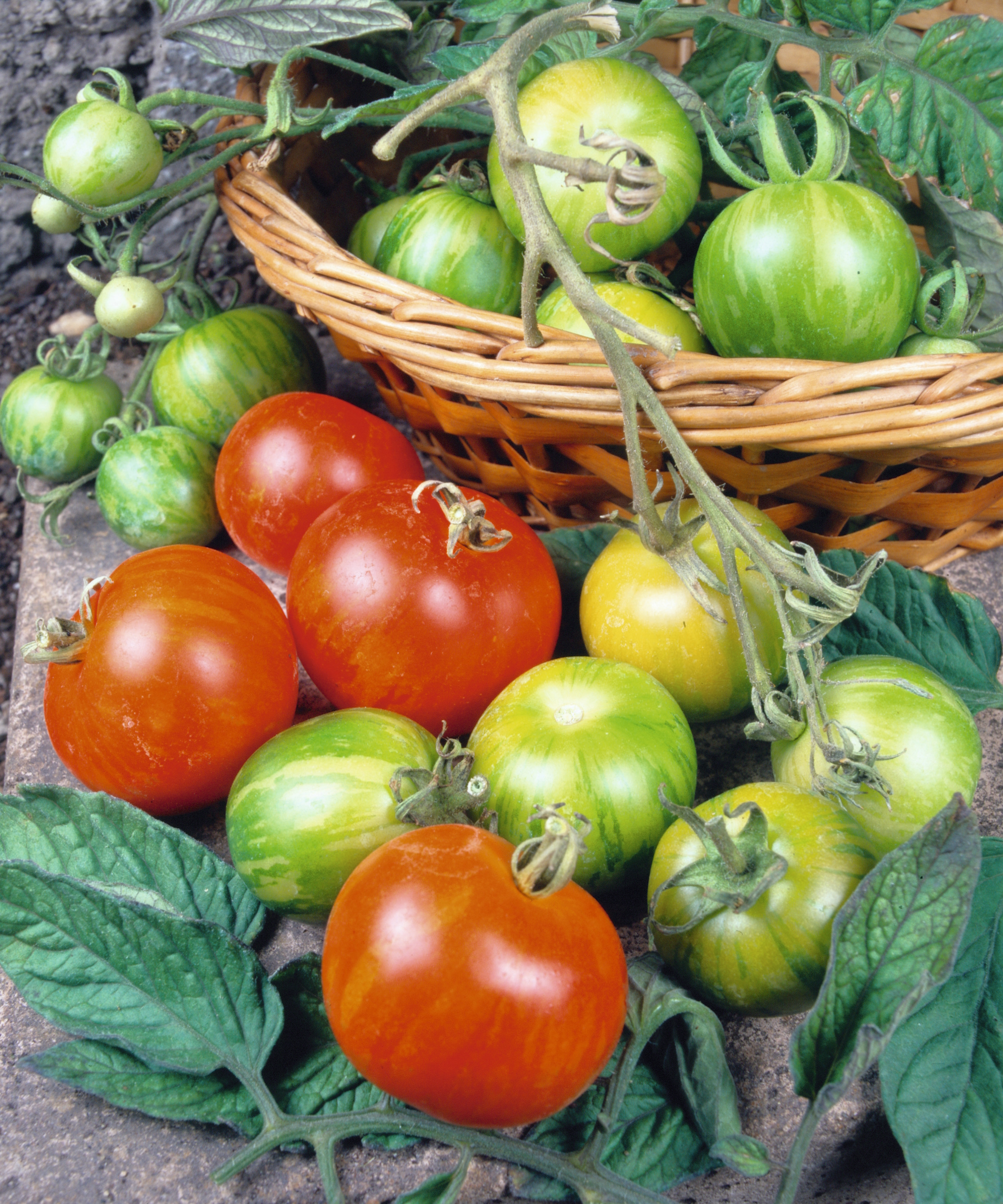
"Stopping plants in their tracks is never the most enjoyable task of the season, but it comes with tangible rewards," notes veteran gardening advice columns. "It always feels a bit harsh to top plants you have lovingly nurtured for months, but the benefits in fruit quality speak for themselves."
Recommended Tool Selection
Experts strongly advise against snapping or tearing tomato stems by hand. Tearing the stem creates ragged wounds that invite fungal spores and bacterial infections, while also risking damage to lower fruit trusses. Instead, use sterilized, ultra-sharp tools:
- Precision Pruning Snips: Ideal for clean, surgical cuts.
- Garden Scissors or Bypass Pruners: Excellent for thicker, woody stems on mature vines.
Step-by-Step Execution
- Locate the Top: Identify the main growing tip at the very top of the plant’s primary stem.
- Count the Leaves: Move roughly two leaves above your highest developing fruit truss (cluster).
- Make the Cut: Snip the main stem cleanly just above those leaves. A healthy, well-managed plant should carry roughly four to six productive fruit trusses by this stage of the year. In shorter-season climates, three to four strong trusses are standard.
- Monitor Side Shoots: Once topped, the plant will often attempt a final surge of survival growth by pushing out aggressive new side shoots (suckers). Continue inspecting your plants weekly and pinch out these rogue shoots to keep the energy locked firmly inside the fruit.
Implications: Maximizing Your Harvest and Reducing Waste
Neglecting to top your tomato plants in September carries several negative implications for your end-of-season yield:
- Wasted Energy: Unchecked vines continue to waste precious sugars on microscopic blossoms and vegetative tips that will inevitably succumb to frost before producing edible fruit.
- Smaller Fruit Size: Without intervention, the plant distributes its dwindling energy among too many competing sinks, resulting in smaller, underdeveloped tomatoes.
- Increased Disease Risk: Dense, overgrown canopies trap moisture from autumn dews and rains, significantly elevating the risk of late blight—a fungal disease that can wipe out an entire crop overnight.
By embracing the disciplined practice of September topping, home gardeners can bypass these pitfalls. The result is a heavier concentration of large, perfectly ripe, sun-kissed tomatoes on the dining table, ensuring your long months of gardening labor culminate in maximum culinary reward.
