

OLYMPIA, Wash. — A brutal and relentless wildfire season has scorched Washington state, pushing communities to the brink and placing newly appointed Insurance Commissioner Patty Kuderer squarely in the crucible of disaster response. As the state tallies the most expensive fire damage in its recorded history, Kuderer—who has served for a year and a half following the retirement of her long-tenured predecessor, Mike Kreidler—finds her administrative mettle and proactive policies tested by billions of dollars in destruction.
The catastrophic blazes, punctuated by the massive Spokane Complex Fire, have exposed the harsh realities of climate-driven disasters in the Pacific Northwest. With property data providers and local assessors estimating rebuilding costs in Spokane County alone at over $1 billion, the event has triggered a massive logistical and financial mobilization from the Office of the Insurance Commissioner (OIC).
Kuderer’s baptism by fire underscores a shifting landscape for property insurance, regulatory oversight, and community resilience in an era where unprecedented natural catastrophes are becoming the new normal.
Main Facts: The Scale of Destruction and Economic Toll
The numbers emerging from the OIC and independent property analytics present a stark picture of the disaster. The 2026 summer wildfire season has generated an estimated $600 million in insured losses to date. The vast majority of these financial impacts fall heavily on the residential sector, accounting for roughly $535 million of the total.
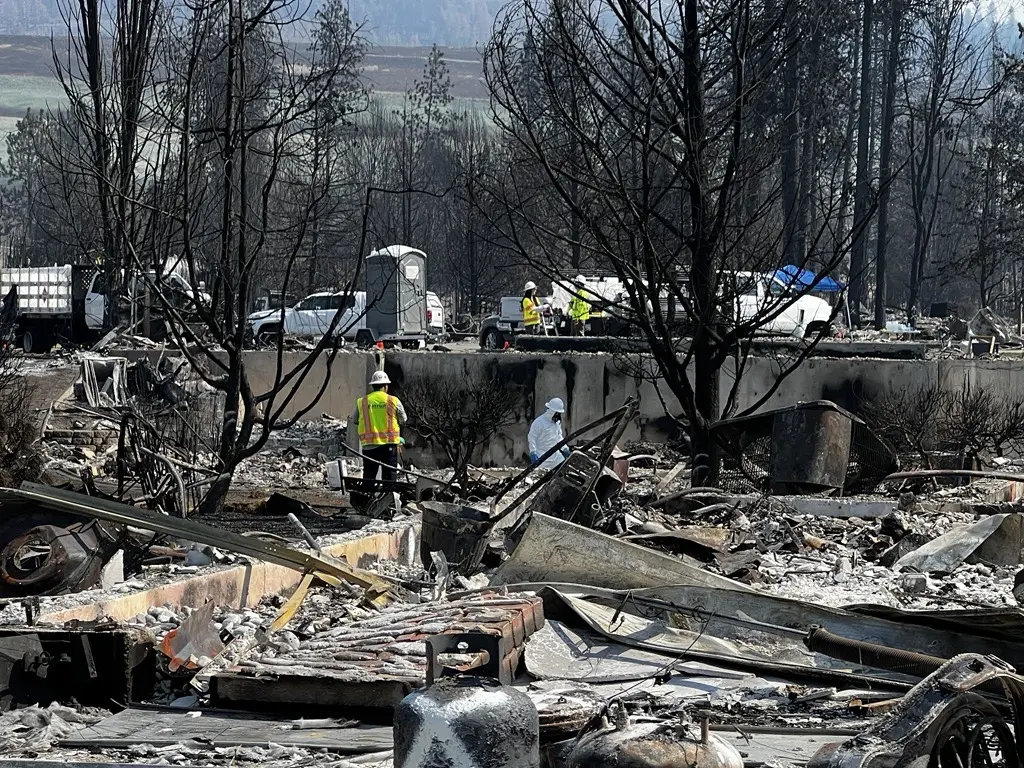
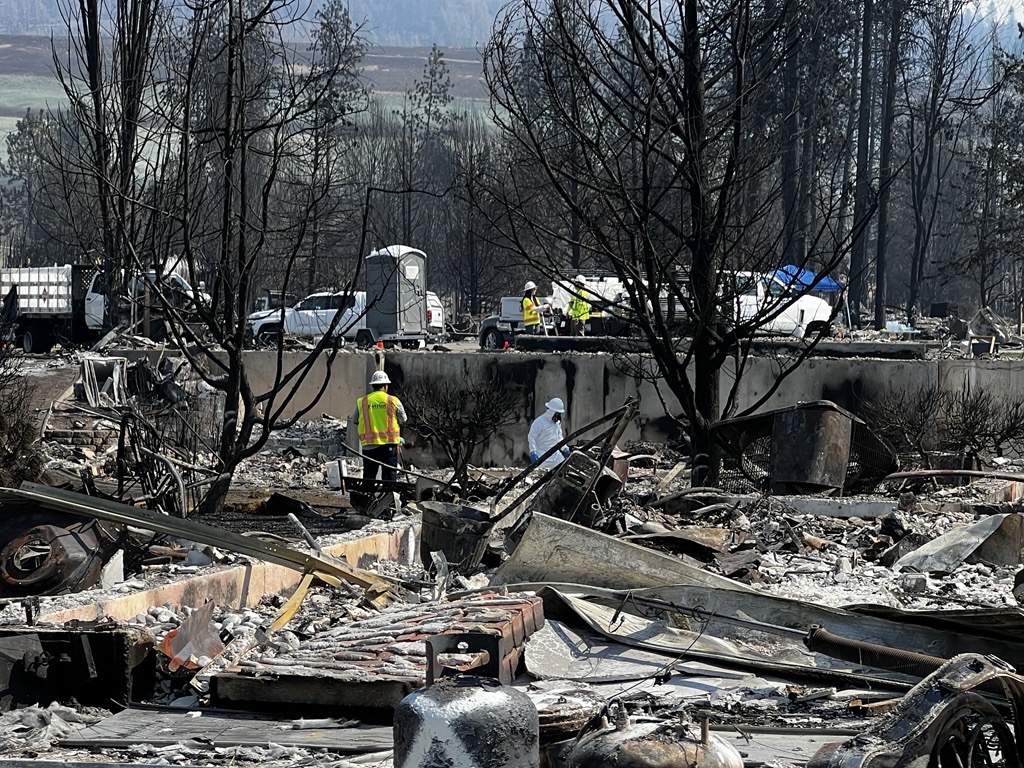
While multiple fires sparked across the state, the lion’s share of the devastation stems from the Spokane Complex Fire. The complex was forged by the convergence of the Old Trails, Fairview, and Autumn Lane fires, which collectively scorched nearly 10,000 acres and obliterated approximately 900 structures.
Property data analytics firm Cotality recently released a hazard analysis revealing the staggering footprint of the disaster:
- 5,256 properties sustained varying degrees of structural or smoke damage.
- 96% of the damaged structures were single-family residential homes.
- The combined reconstruction cost value for these damaged single-family homes sits at an eye-watering $1.9 billion.
In Spokane County, local assessors like Tom Konis have placed the price tag for rebuilding just three of the recent fires at well over $1 billion, straining local labor markets, supply chains, and municipal resources.
Chronology: From Legislative Warnings to Disaster Response
To understand how Washington state approached this historic crisis, one must trace the institutional shift that began before Kuderer even took office.
Pre-Office Prep: Learning from the Legislature
During her tenure in the Washington State Legislature, Kuderer watched year after year as lawmakers confronted intensifying fire seasons. Each successive summer brought rhetoric about "the worst fire season on record," instilling in her a profound realization: wildfires were no longer isolated anomalies, but an escalating systemic risk to the state’s housing stock and economy.
When Kuderer succeeded Mike Kreidler—who had served as the nation’s longest-serving insurance commissioner since 2001—she brought this legislative foresight directly into executive administration.
The Rollout of the CODR Program
Recognizing that preparedness must begin long before a spark ignites, Kuderer’s office established the Community Outreach and Disaster Response (CODR) Program last year. Designed to mitigate the risks of underinsurance before emergencies strike, the program embeds insurance experts directly into disaster recovery centers. These professionals help displaced residents decode complex policies, navigate claims procedures, and secure necessary coverage.
Simultaneously, the OIC launched the Community Connect Program, a series of public forums and town halls hosted by Kuderer herself. These sessions bring regulators face-to-face with local residents to discuss regional insurance rates, coverage gaps, and individual wildfire mitigation strategies.
Summer 2026: The Test Arrives
When the summer heat and high-wind events collided, sparking fires like the coordinated arson attempt timed for peak wind conditions (as noted by state investigators), the OIC’s pre-planning was immediately activated. Kuderer deployed rapid-response teams to the ground in Spokane and surrounding areas to cut through bureaucratic red tape and accelerate claims processing.
Supporting Data: Claims, Inventories, and Industry Standards
Following her deployment to the disaster zones, Kuderer met with local leaders, city officials, and displaced residents to assess the recovery bottlenecks. Surprisingly, the initial feedback concerning the claims-paying process has been largely positive.
"I only know what I’m hearing on the ground and there have been more compliments than not," Kuderer noted. However, persistent friction points remain, particularly regarding personal property and the exhaustive paperwork demanded by insurers.
The Burden of Full Inventories
Disaster survivors are frequently required by insurance carriers to compile meticulous, item-by-item inventories of every single possession lost in a fire—a grueling, emotional, and often impossible task for families mourning the loss of their homes.
Kuderer has openly advocated for insurers to streamline this process by waiving strict inventory requirements. While some carriers have resisted, others have demonstrated flexibility. Notably, one major carrier voluntarily paid out 65% of its policy limit without demanding a comprehensive inventory.
"And I appreciate that," Kuderer said. "I think the other companies should follow suit, and I’m thinking about maybe sending a letter to them asking them to do just that."
This pragmatic regulatory stance aims to inject liquidity into devastated households faster, allowing families to secure temporary housing and begin rebuilding their lives without drowning in administrative paperwork.
Official Responses and Regulatory Philosophies
As Washington looks toward long-term recovery, Kuderer is drawing hard lines on regulatory standards, putting her at odds with deregulation advocates who prioritize speed over structural safety.
The Danger of Watered-Down Building Codes
Following devastating wildfires in places like Lahaina (Hawaii) and the Palisades, political and industrial stakeholders frequently push to fast-track recovery by relaxing building regulations. For instance, California Governor Gavin Newsom faced criticism after issuing an executive order allowing homeowners recovering from the January 2025 Los Angeles wildfires to bypass stricter building standards in the name of speed.
Furthermore, long-delayed California wildfire defense regulations approved in late August fell short of the robust hardening measures recommended by fire scientists and the Institute for Business & Home Safety (IBHS).
Kuderer views these rollbacks as a perilous mistake. In her view, abandoning strict codes to build quickly only sets communities up for future catastrophe—and spells disaster for insurability.
The Ghost of Malden: Tragedy Can Strike Twice
To illustrate her point, Kuderer points to the town of Malden, Washington, which was decimated by the Wells Road fire in 2020. Though a subsequent fire this year thankfully caused limited damage—sparing the still-recovering community a repeat of total annihilation—it served as a terrifying reminder that no region is immune to recurrence.
"I totally understand the desire to want to build quickly, but I think we have to build back smartly, and for me, that means building back to the IBHS standards," Kuderer emphasized. "I know that in California, it’s a little bit of a fight about that right now. I don’t want to have that fight here, and I’m hoping that we can be smarter about it… Tragedy can strike twice and it did there, so I’d rather us reduce the potential for this to happen again and we have an opportunity here to do that with Spokane."
Implications: The Future of Property Insurance in Washington
The intersection of historic wildfire losses, stringent building code enforcement, and consumer protection creates a complex matrix for Washington’s insurance market moving forward.
- Insurability and Risk Mitigation: Insurers are increasingly wary of writing policies in wildfire-prone wildland-urban interfaces (WUIs). By insisting on IBHS-certified construction standards—such as ember-resistant vents, multi-layer roofing, and defensible space clearances—Kuderer is attempting to ensure that newly rebuilt homes remain attractive risks for private carriers, preventing a systemic flight of capital from the state’s insurance market.
- Regulatory Activism: Kuderer’s willingness to pressure insurance carriers via public appeals—such as her proposed letter urging companies to drop rigid inventory demands—signals an activist regulatory posture. It shows an OIC willing to use its pulpit to advocate directly for consumer welfare during catastrophic recovery windows.
- The Housing Crisis vs. Safety Dilemma: As Washington struggles with severe housing shortages and affordability challenges, the political pressure to cut red tape will only intensify. Kuderer’s resolve will be continuously tested by developers and municipal leaders eager to fast-track construction, making her defense of rigorous building codes a cornerstone of the state’s climate resilience strategy.
As Washington recovers from its most expensive fire season on record, the leadership of Commissioner Kuderer will continue to shape not only how quickly Spokane and other affected regions rebuild, but whether those communities can withstand the fires of tomorrow.
