

By Emma Roth
Published October 5, 2026
Introduction: A New Titan Rises in the Media Landscape
The entertainment industry is on the cusp of an unprecedented transformation. As Paramount prepares to officially finalize its monumental $110 billion acquisition of Warner Bros. Discovery (WBD), the newly minted media giant—operating under the unified corporate banner of Skydance—has formally outlined its executive leadership structure.
The megamerger, which has dominated financial and entertainment headlines for months, consolidates some of the most storied brands in global media, including Warner Bros., HBO, DC Studios, and major linear networks like CNN, alongside Paramount’s rich catalog, CBS, and its expansive streaming ecosystem. With the transaction slated to close on Tuesday, industry insiders, regulators, and consumers are watching closely to see how this newly formed titan will navigate the shifting sands of the modern streaming wars, traditional television, and broadcast journalism.
Main Facts: Leadership Structure and Key Appointments
The rollout of the executive team reveals a strategic blend of legacy leadership and fresh perspectives designed to stabilize the massive enterprise.
- The Chief Executives: Paramount CEO David Ellison will helm the combined conglomerate as Chief Executive Officer, steering the newly named Skydance alongside Ynon Kreiz, the former head of Mattel, who steps in as Co-CEO.
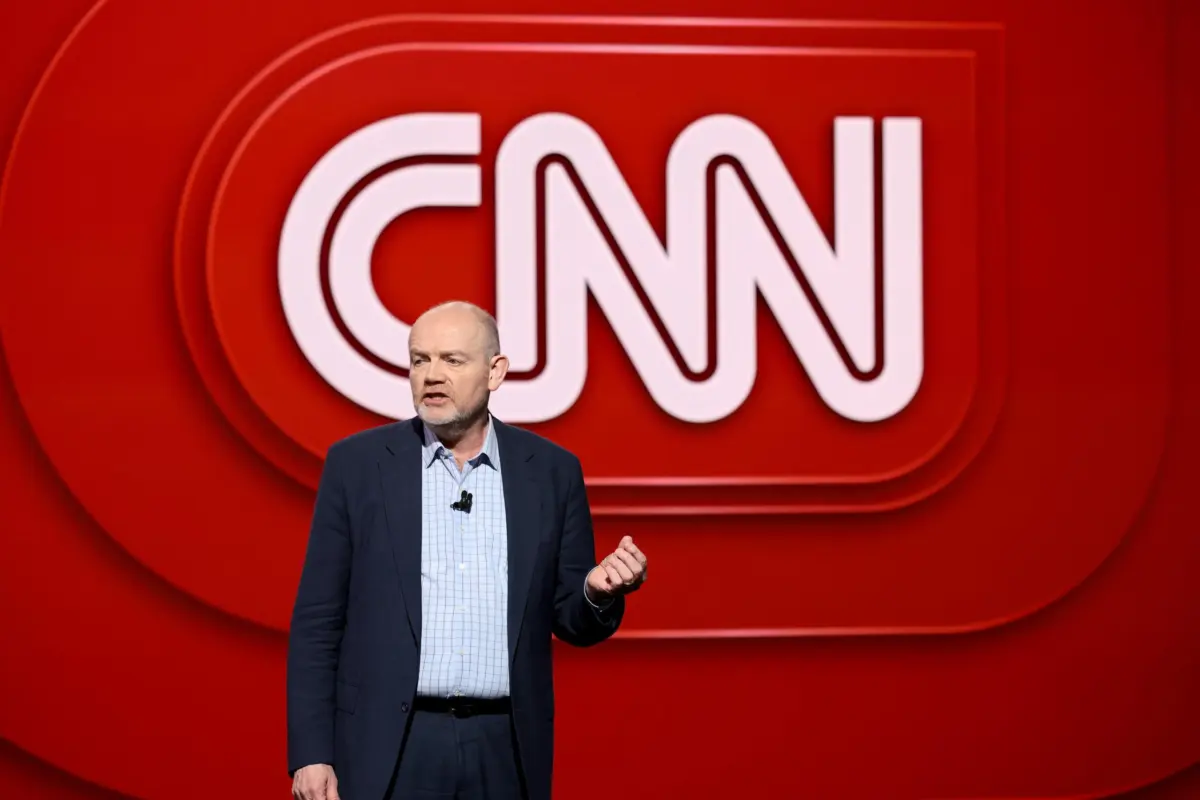
- The News Division: Amid swirling speculation regarding the fates of CNN and CBS News, it has been confirmed that CNN CEO Mark Thompson will remain firmly at the head of the global news network. Meanwhile, Bari Weiss—who was appointed editor-in-chief of CBS News last year—will retain her position despite recent ratings fluctuations and controversies.
- Content and Film Studios: HBO CEO Casey Bloys will take on the expansive role of Chief Content Officer for Skydance’s streaming division, securing his creative influence over prestige television. On the cinematic front, Josh Greenstein and Dana Goldberg will jointly lead Skydance’s film studios, while George Cheeks has been tapped to run the consolidated television business.
This leadership blueprint aims to reassure investors that despite the staggering scale of the $110 billion consolidation, trusted creative and operational hands will remain at the wheel of key properties.
Chronology: How the $110 Billion Megamerger Unfolded
To understand the magnitude of this week’s leadership announcements, it is essential to trace the rapid timeline of corporate maneuvering, negotiations, and regulatory hurdles that led to the creation of Skydance:
- Early M&A Rumors: Whispers of consolidation between legacy Hollywood studios intensified as profitability pressures mounted across the streaming sector. Industry analysts frequently pointed to Warner Bros. Discovery and Paramount as prime candidates for structural realignment.
- The Skydance Bid Emerges: Negotiations formalized as David Ellison and his financial backers pushed forward with an aggressive acquisition strategy, aiming to unify WBD’s expansive intellectual property library with Paramount’s legacy infrastructure.
- Regulatory Scrutiny and State Settlements: Recognizing the immense market power inherent in combining two of Hollywood’s "Big Five" studios—and merging powerhouses CNN and CBS News under a single corporate roof—antitrust concerns sparked immediate investigations. A pivotal breakthrough occurred when Skydance reached a settlement with 12 states, legally binding the company to specific remedies, including the establishment of an independent news editorial board.
- Naming and Branding: Executives announced that the unified entity would officially adopt the Skydance moniker, signaling a cultural pivot away from traditional Hollywood legacy naming toward a modern, tech-forward entertainment identity.
- Leadership Reveal (October 5, 2026): Just 24 hours before the anticipated Tuesday closing date, Ellison and Kreiz published the comprehensive executive roster, cementing the organizational chart for the world’s newest media leviathan.
Supporting Data and Market Dynamics
The union of Paramount and Warner Bros. Discovery represents a financial watershed moment. At $110 billion, the transaction dwarfs many historical media buyouts, coming at a time when traditional linear television revenues are declining and streaming profitability remains an elusive target for many legacy players.
Key Financial & Operational Metrics:
- Deal Valuation: $110 billion USD.
- Regulatory Compliance: Oversight by attorneys general from 12 states, resulting in legally mandated editorial independence safeguards for news operations.
- Audience Reach: Combined portfolios include two major broadcast/cable news networks (CNN and CBS News), premier prestige television entities (HBO), and top-tier theatrical motion picture studios.
- Streaming Ecosystem: Casey Bloys now oversees a consolidated digital streaming apparatus designed to compete directly with tech conglomerates like Amazon, Apple, Netflix, and Disney.
Official Responses and Internal Memos
The transition of power has naturally triggered internal communications aimed at calming jittery newsrooms and production teams.
In an internal memo to CNN employees obtained by The New York Times, Mark Thompson addressed concerns regarding editorial independence and corporate interference under the new Skydance umbrella. Thompson expressed strong confidence in the incoming leadership, writing that he believes the combined company will "fully support the principle and practice of the kind of independent news that CNN has always stood for."

This reassurance is vital for a network whose journalistic integrity is its primary asset. With CNN and CBS News now operating under the same corporate corporate parent, anxieties regarding resource sharing, budget cuts, and ideological slants have been persistent among staff and media watchdogs alike.
David Ellison and Ynon Kreiz released a joint statement alongside the leadership announcement, emphasizing a shared vision for the future:
"Our goal is to build a modern media company that respects the rich legacy of our constituent brands while aggressively innovating for the future of entertainment. This leadership team brings together the best operational minds and creative visionaries in the industry to unlock the full potential of Skydance."
Implications: What Skydance Means for the Future of Media
As the ink dries on this historic transaction, the long-term implications for consumers, creators, and media professionals are profound.
1. The Future of Broadcast and Cable News
Putting CNN and CBS News under common ownership is unprecedented. While Mark Thompson and Bari Weiss remain at their respective posts, the existence of the newly mandated news editorial board—a direct result of the 12-state antitrust settlement—will serve as a crucial constitutional check within the corporation. Observers will be monitoring whether editorial lines blur or if fierce institutional rivalries remain intact between the two newsrooms. Furthermore, Weiss’s retention as editor-in-chief of CBS News despite ongoing ratings friction indicates that Skydance leadership is willing to weather short-term volatility in pursuit of a long-term strategic vision.
2. Streaming Consolidation and Content Strategy
With Casey Bloys taking the reins as Chief Content Officer for streaming, the creative ethos that built HBO into a cultural juggernaut will heavily influence the broader Skydance digital ecosystem. As streaming services grapple with subscriber fatigue and the necessity of bundling, consumers can likely expect deeper integration between Warner Bros. discovery platforms and Paramount+. Whether this results in a singular, hyper-app or tightly coordinated bundle remains to be seen, but the consolidation of intellectual property—ranging from Game of Thrones and Harry Potter to Star Trek and the DC Universe—gives Skydance immense leverage.
3. Hollywood Labor and Studio Operations
The pairing of Greenstein and Goldberg at the film studios, alongside Cheeks in television, signals a move toward operational efficiency. In the wake of previous industry strikes and post-pandemic economic adjustments, mergers of this scale inevitably raise questions about workforce reductions, studio slate optimization, and greenlight processes. Creators will have to navigate a more centralized corporate hierarchy where greenlights must pass through a tighter filter of financial and streaming-metric scrutiny.
Conclusion
As Tuesday’s closing date approaches, the media world stands at a historic crossroads. The birth of Skydance redefines the boundaries of corporate consolidation in the digital age. Whether this $110 billion gamble succeeds in creating a sustainable, innovative powerhouse capable of outmanoeuvring Silicon Valley tech giants and rival studios will depend entirely on how effectively its newly appointed leadership navigates the delicate balance between commercial ambition, creative freedom, and journalistic integrity.
