

By Anthony Capkun
Published: September 1, 2026
Main Facts
The architectural and structural engineering sectors are experiencing a period of intense evolution, driven by shifting economic demands, emerging material sciences, and an urgent push toward operational sustainability. Released on September 1, 2026, the latest edition of Metal Construction News (MCN) captures this transformative era head-on. Authored and curated by industry experts, the September 2026 issue delivers an exhaustive look at the technologies, architectural marvels, and supply chain adjustments currently defining the metal construction landscape.
At the core of this month’s publication are several critical developments:
- Advanced Material Performance: The introduction of high-strength, low-alloy (HSLA) steels and self-healing protective coatings that dramatically extend the lifespan of commercial and industrial metal envelopes.
- Digital Transformation: The accelerated adoption of Building Information Modeling (BIM) integrated with artificial intelligence, streamlining fabrication tolerances to unprecedented levels of precision.
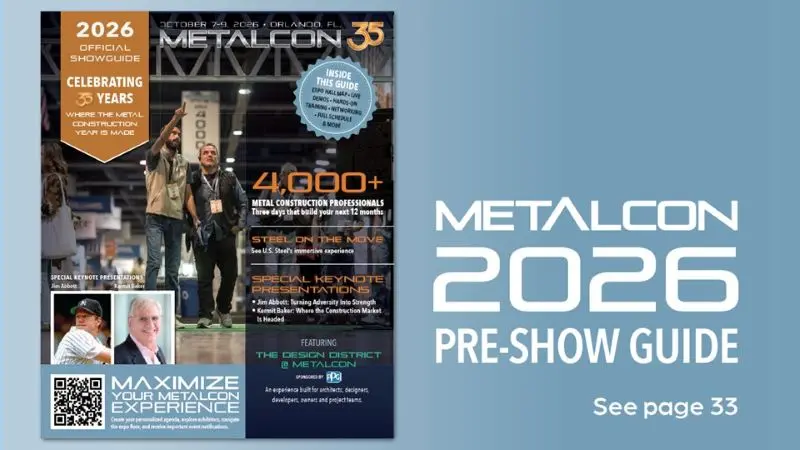
- The Upcoming METALCON Showcase: Comprehensive previews of the premier annual event for the metal construction and design industry, highlighting cutting-edge machinery, sustainable building panels, and safety innovations.
- Supply Chain Resilience: Strategic insights into how manufacturers and contractors are navigating raw material cost fluctuations through localized sourcing and advanced prefabrication techniques.
This edition serves as both a mirror reflecting the current state of the industry and a roadmap for structural engineers, general contractors, and metal fabricators striving to stay competitive in a rapidly changing global market.
Chronology: The Road to the September 2026 Release
To understand the significance of the insights published in the September 2026 issue, it is essential to trace the timeline of events, technological milestones, and editorial preparations that led to its publication.
Q1 2026: Identifying Industry Shifts
At the start of the year, editorial teams at Metal Construction News began noticing a sharp increase in inquiries regarding sustainable metal framing, zero-energy building mandates, and labor shortages. Contractors across North America reported an escalating need for prefabricated components to offset on-site installation timelines. These preliminary trends established the foundational themes for the fall publishing calendar.
Q2 2026: Field Research and Data Gathering
Between April and June, MCN’s editorial and research divisions conducted extensive surveys involving hundreds of general contractors, steel fabricators, and architectural firms. The objective was to quantify the rate at which advanced coatings and digital fabrication tools were being integrated into everyday workflows. Concurrently, preparations began for the upcoming METALCON trade show, positioning the September issue as the primary vehicle for pre-event announcements and product debuts.
July–August 2026: Synthesis and Compilation
Throughout the summer, technical articles, case studies, and editorial columns were compiled and rigorously peer-reviewed. Industry leaders contributed analyses on structural steel performance under extreme weather conditions, a topic of growing concern given recent meteorological shifts globally. The graphic design and digital publishing teams finalized the layouts, incorporating high-resolution imagery of landmark metal-clad architectural projects.
September 1, 2026: Official Publication
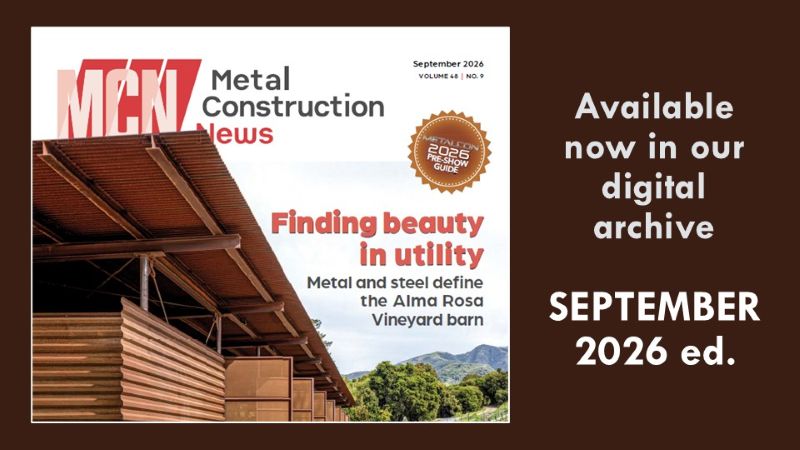
The September 2026 issue officially went live across print and digital platforms, accompanied by the opening of interactive digital archives. The release marks a critical juncture for professionals planning their fourth-quarter execution strategies and looking ahead to the innovations that will dominate the upcoming convention season.
Supporting Data and Technical Insights
The data underpinning the September 2026 issue highlights a sector characterized by robust growth, technological adaptation, and an unwavering commitment to efficiency. According to market data highlighted within the publication, the demand for structural and architectural metal products has maintained a steady upward trajectory despite macroeconomic headwinds.
Key Metrics from the Industry Landscape
- Prefabrication Adoption Rate: Over 68% of commercial contractors surveyed report utilizing modular or pre-assembled metal framing components on a regular basis, representing a 14% increase compared to figures from 2024.
- Sustainability Benchmarks: Approximately 75% of new industrial builds specify recycled-content steel or aluminum, driven largely by corporate environmental, social, and governance (ESG) commitments and stringent municipal building codes.
- Labor Efficiency Gains: Firms employing advanced digital design software alongside automated roll-forming equipment noted an average reduction of 22% in material waste and a 15% decrease in overall project delivery times.
Material Science Breakthroughs
This month’s technical deep dives focus heavily on corrosion resistance and thermal efficiency. With energy costs remaining a persistent variable for building owners, manufacturers have refined insulated metal panels (IMPs) to achieve higher R-values per inch. Furthermore, the integration of polyvinylidene fluoride (PVDF) architectural coatings has evolved, offering superior color retention and chalk resistance even in harsh coastal or industrial environments.
Official Responses and Industry Perspectives
The release of the September 2026 issue has drawn praise from key figures across the metal construction, manufacturing, and architectural communities. Stakeholders emphasize the publication’s role in fostering education, safety, and collaboration.
"The pace of innovation in our industry has never been faster," noted a prominent structural engineering consultant featured in the issue. "Whether we are looking at the evolution of roll-formed framing systems or the software that coordinates fabrication down to the millimeter, staying informed is no longer optional—it is a matter of operational survival. Publications like MCN provide the critical nexus where manufacturers, designers, and builders meet to share best practices."
Trade organizations and manufacturing partners have similarly expressed gratitude for the collaborative spirit highlighted within the pages of the September edition. By showcasing real-world case studies where complex architectural visions were brought to life through precise metal engineering, the issue validates the dedication of countless skilled tradespeople and design professionals.
Manufacturers preparing for upcoming exhibitions have also highlighted the importance of media partnerships in bringing awareness to next-generation tools. The detailed previews of forthcoming machinery and safety equipment provide fabricators with the foresight needed to make informed capital investments ahead of the new fiscal year.
Implications for the Future of Metal Construction
The findings, data, and editorial viewpoints consolidated in the September 2026 issue carry profound implications for the trajectory of the construction sector over the next decade. As the industry confronts twin pressures: the demand for accelerated project delivery and the imperative for sustainable, resilient infrastructure, the role of metal as a primary building medium is undergoing a paradigm shift.
1. Accelerated Automation and Digital Integration
The transition from traditional, manual estimation and cutting methods to fully automated, BIM-connected fabrication is rapidly becoming the industry standard. Firms that fail to adopt these digital workflows risk falling behind competitors capable of delivering projects with greater speed and lower error margins. The September issue underscores that technology adoption is no longer a luxury reserved for mega-corporations, but a practical necessity for regional fabricators as well.
2. Environmental Responsibility as a Core Competency
With carbon-neutral building targets drawing closer, the metal construction industry is uniquely positioned due to the infinitely recyclable nature of steel and aluminum. However, the focus has shifted beyond merely using recycled materials; the entire lifecycle of the building—from extraction and production to erection and eventual deconstruction—is under scrutiny. Innovations in thermal break technologies and energy-harvesting metal roofs featured in this issue point toward a future where buildings generate as much energy as they consume.
3. Workforce Development and Training
As machinery becomes more sophisticated, the skill set required of ironworkers, fabricators, and site supervisors must evolve concurrently. The insights provided in this month’s edition emphasize the ongoing necessity for targeted training programs, apprenticeships, and safety education. Bridging the skills gap remains one of the most significant challenges and opportunities for the industry.
Conclusion
The September 2026 issue of Metal Construction News stands as a comprehensive chronicle of an industry in motion. By meticulously detailing technological breakthroughs, providing actionable data, and amplifying the voices of leading innovators, the publication equips professionals with the knowledge needed to navigate tomorrow’s challenges today.
Readers are encouraged to explore the complete contents of this month’s publication, alongside an extensive catalog of historical back issues, by visiting the official MCN Digital Edition Archive.
Special thanks are extended to all the contributors, structural engineers, architects, and industrial partners whose expertise made the September 2026 edition possible.
