

By Industry News Desk
Published: October 2023
Main Facts
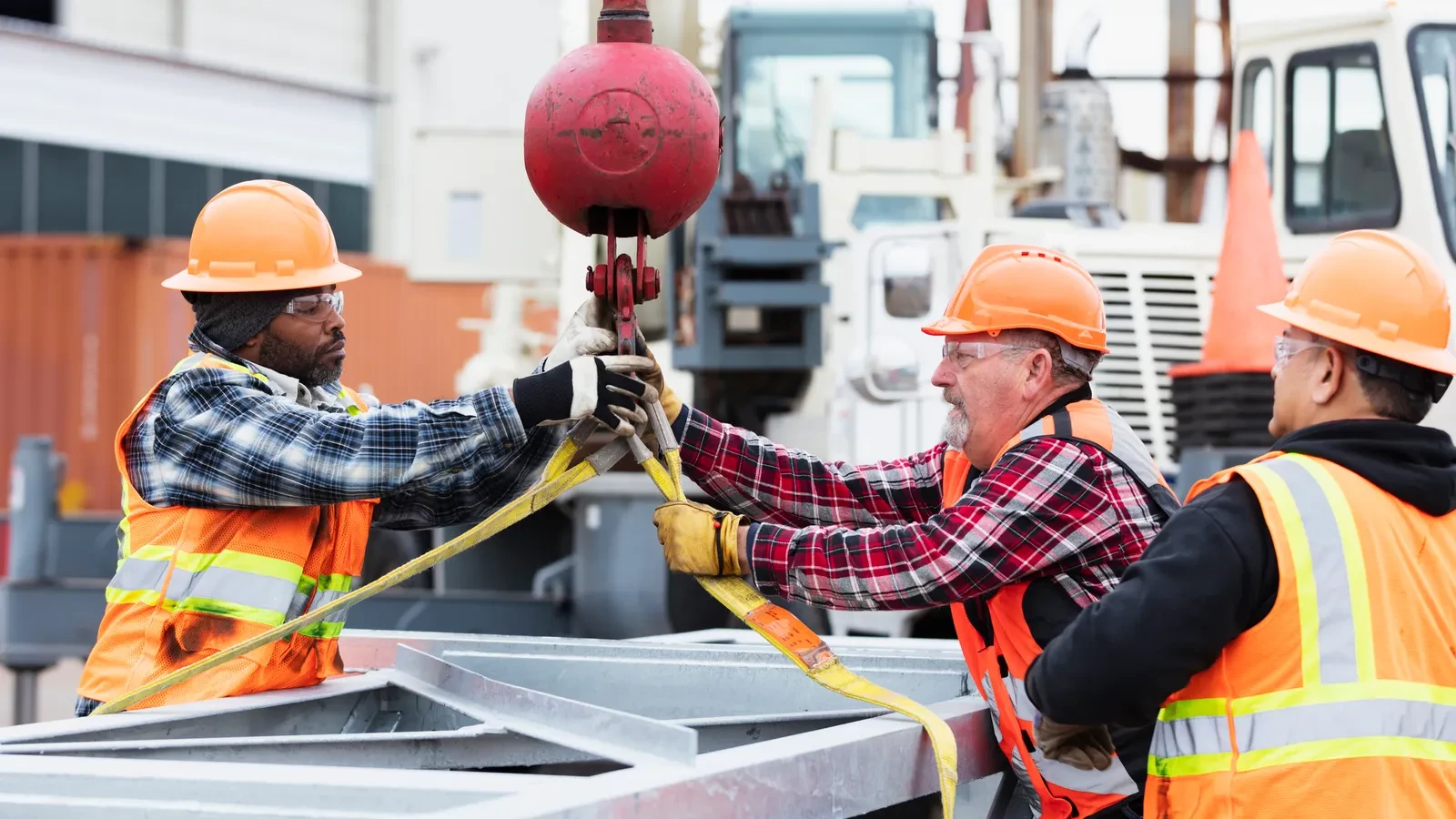
In an era defined by economic uncertainty, persistent inflation, high interest rates, and a severe labor shortage, the American construction industry is searching for transformative operational strategies. While multitasking has long been a buzzword across corporate America, a new paradigm is taking root on jobsites nationwide: multiskilling.
According to comprehensive new research, multiskilling involves cross-training qualified craft professionals so they can perform adjacent or complementary tasks on a jobsite. Rather than diluting trade expertise, the practice empowers credentialed and certified workers to transition seamlessly between related responsibilities when project sequences demand it.
Data from a landmark national study indicates that the typical multiskilled construction worker utilizes approximately three distinct skill sets on any given day, with some highly versatile professionals managing up to six. Far from abandoning safety, quality, or specialization, this approach optimizes workforce efficiency, reduces idle time, boosts worker earnings, and accelerates project delivery timelines for vital infrastructure such as schools, hospitals, highways, and energy grids.
Chronology of the Workforce Crisis and the Rise of Multiskilling
To understand why multiskilling has emerged as a critical operational pivot, it is necessary to examine the timeline of pressures facing the modern construction sector.
1. The Build-Up of Macroeconomic Headwinds (2020–2022)
Over the past several years, the American construction landscape has faced an unprecedented convergence of economic challenges. Following global supply chain disruptions, material costs spiked dramatically. Concurrently, the Federal Reserve’s aggressive interest rate hikes increased borrowing costs for commercial and residential developers alike.
2. The Escalating Labor Shortage (2023–Present)
Compounding these financial pressures is a deepening structural labor deficit. Industry estimates from organizations like Associated Builders and Contractors (ABC) reveal that the sector requires hundreds of thousands of new workers annually just to meet baseline demand. As experienced baby boomers retire and fewer younger workers enter traditional trade pipelines, contractors have been forced to rethink traditional labor allocation models. Jobsites could no longer rely on hyper-fragmented crews standing idle while waiting for single-trade specialists to finish minor, adjacent tasks.
3. The Landmark Empirical Research Initiative (2023)
Recognizing the need for hard data rather than anecdotal fixes, the Simplar Foundation—in collaboration with academic researchers from the University of Kansas, the University of North Carolina at Charlotte, and Arizona State University—embarked on an exhaustive empirical study. Representing the largest national dataset ever compiled on multiskilling labor strategies and performance outcomes, the resulting series of studies tracked real-world metrics across millions of work hours to evaluate the true impact of flexible craft deployment.
Supporting Data and Empirical Findings
The Simplar Foundation research series provides robust, quantitative proof that multiskilling yields measurable benefits across every tier of the construction ecosystem—from individual laborers to project owners and taxpayers.
Productivity and Efficiency Gains
The most striking operational metric revealed by the study is that multiskilling increased the share of crew time spent directly advancing construction work by 39%.
- Reduced Idle Time: In traditional operational models, workers frequently experience downtime waiting for another trade crew to clear a specific area or complete a minor precursor task. Multiskilling bridges these gaps.
- Streamlined Scheduling: By aligning project scopes, trade hand-offs, and sequencing with multiskilled labor capabilities, contractors can maintain continuous forward momentum.
- Decreased Congestion: Utilizing fewer, highly versatile workers and smaller crews in tight work areas reduces physical jobsite congestion, which in turn lowers coordination friction and logistical bottlenecks.
Safety Performance
A common concern regarding cross-training is that expanding a worker’s remit might compromise jobsite safety. However, the data strongly refutes this assumption. Participating contractors in the research study tracked approximately 33.2 million work hours and reported:
- Above-Average Safety Metrics: Total Recordable Incident Rates (TRIR) remained well below the national industry average.
- Zero Fatalities: The participating cohorts reported no fatal incidents across the extensive dataset.
Researchers attribute these strong safety outcomes to the fact that multiskilled workers undergo rigorous, formalized credentialing. Furthermore, reduced congestion on jobsites naturally minimizes collision risks, heavy equipment incidents, and slip-and-fall hazards.
Official Responses and Industry Perspectives
Industry leaders and academic partners have been vocal about the implications of the new data, framing multiskilling not as a temporary fix, but as a permanent evolution of the modern trade career.
The Leadership Perspective: Mike Bellaman
Mike Bellaman, president and CEO of Associated Builders and Contractors, has been a leading advocate for modernizing construction practices. Commenting on the research, Bellaman notes:
"We’ve all heard of multitasking. But new research suggests multiskilling may be the real path forward for construction. With a massive labor shortage and headwinds that include rising materials costs, economic uncertainty and high interest rates, it’s critical that the construction industry continues to modernize and adapt to keep building the construction projects America needs."
Bellaman emphasizes that multiskilling fundamentally preserves the integrity of trade expertise while unlocking human potential:
"Multiskilling does not mean that every worker performs every task. It does not mean eliminating specialization, disregarding craft expertise or assigning work without considering safety, competence, licensing or quality. It means that trained, credentialed and qualified workers can perform adjacent or complementary work when the project, task combination and work sequence support it."
Academic and Foundation Insights
Representatives from the Simplar Foundation and participating university faculties echo Bellaman’s sentiments. By compiling the most extensive dataset on labor performance in decades, the research team sought to demystify flexible labor strategies. Their findings underscore that multiskilling is structured, highly regulated, and centered around formal certifications rather than informal, ad-hoc job assignments.
Implications for Workers, Employers, and the Broader Economy
The transition toward multiskilling carries profound implications for the future of the construction industry. These impacts span multiple dimensions:
1. For the Individual Worker: Career Growth and Financial Uplift
Historically, construction careers could sometimes feel siloed within a single narrow trade. Multiskilling shatters these silos by offering:
- Expanded Skill Sets: Workers learn complementary trades (e.g., an electrician gaining proficiency in low-voltage data cabling or basic structural support integration).
- Higher Earning Potential: Versatility commands higher market value, translating directly into better wages.
- Enhanced Job Security and Fulfillment: Versatile workers enjoy longer project assignments, lower risk of seasonal layoffs, broader career paths, and accelerated access to leadership and supervisory roles.
2. For Contractors and Employers: Operational Flexibility
For general contractors and specialty subcontractors, adopting a multiskilled labor model provides a vital competitive edge. Companies can bid on complex projects with confidence, knowing their workforce can pivot as site conditions dictate. This flexibility helps mitigate the risks posed by material price volatility and labor scarcity, protecting profit margins and client delivery dates.
3. For Project Owners and Taxpayers: Faster, Cost-Effective Delivery
Ultimately, private developers and public sector taxpayers reap the rewards of a more efficient industry. With a 39% increase in active construction time and drastically reduced idle hours, projects are completed faster. Faster delivery means reduced financing costs, quicker generation of revenue for commercial owners, and more rapid deployment of critical public infrastructure—such as schools, hospitals, bridges, and energy grids—funded by taxpayer dollars.
Conclusion
The construction industry stands at a critical crossroads. While macroeconomic pressures and labor deficits present formidable challenges, they also serve as catalysts for much-needed modernization. The definitive research produced by the Simplar Foundation and its academic partners demonstrates that multiskilling is far more than a passing trend; it is a proven, safe, and highly effective strategy that benefits workers, employers, and the public alike. By embracing multiskilling, the American construction sector is building not just physical infrastructure, but a more resilient, dynamic, and rewarding future for its workforce.
