

By Tech Desk & Industry Analysis
Published: October 2026
Introduction and Main Facts
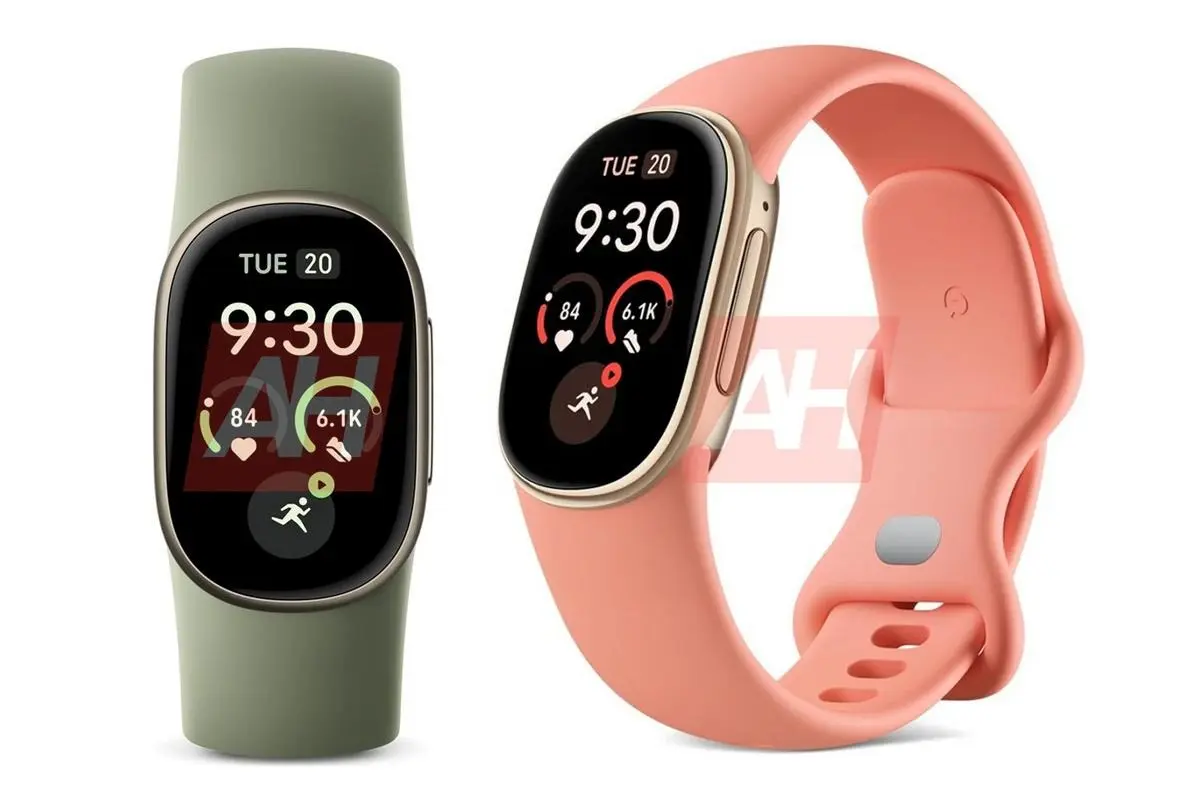
The landscape of wearable technology is once again shifting, and Google is positioning itself at the center of the transformation. Following a wave of early leaks—including high-resolution images that recently surfaced on Reddit and tech forums—comprehensive details regarding Google’s upcoming fitness tracker, the Fitbit Edge, have emerged.
According to a detailed report by French publication Dealabs, the Fitbit Edge is slated to retail for €179 in Europe and £159 in the UK. Factoring in regional pricing structures—such as the €99/£85 price point of the screen-free Fitbit Air—industry analysts at 9to5Google estimate that the device will launch in the United States at approximately $180.
The Fitbit Edge is not merely an incremental update to Google’s existing fitness band lineup. It represents a sophisticated hybrid between a traditional minimalist fitness tracker and a fully featured smartwatch. Built with a vibrant 1.34-inch always-on OLED touchscreen, the device runs on a dedicated version of Fitbit OS and offers users direct access to the Google Play Store. It bridges ecosystem boundaries by supporting both Android and iOS devices over Bluetooth.
Underneath its sleek exterior, the Edge is packed with advanced hardware. It features built-in GPS, an accelerometer, a barometer, an altimeter, and a gyroscope. For health and wellness tracking, it relies on multiple optical sensors to monitor heart rate and blood oxygen saturation (SpO2), alongside electrical sensors capable of capturing medical-grade electrocardiograms (ECGs).
Perhaps most notably, the device leans heavily into the artificial intelligence revolution by integrating Google Gemini. Gemini acts as an active, real-time fitness coach, delivering personalized workout programs and dynamic feedback tailored to an individual’s physiological data. With a user-replaceable lithium-ion battery promising up to seven days of life (or two days with the always-on display enabled), an IP68 water resistance rating, and a palette of four sophisticated colorways mirroring the Pixel Watch 5, the Fitbit Edge is shaping up to be one of the most anticipated wearables of the year.
Chronology of the Leak and Development
To understand how the Fitbit Edge reached its current state of public visibility, it is necessary to retrace the timeline of its development and subsequent leaks.
- Late 2025 – Early 2026: Conceptualization and Prototyping
Following Google’s full acquisition and integration of Fitbit into its hardware ecosystem, engineering teams began working on a new tier of devices designed to consolidate Google’s wearable strategy. The goal was to create a middle-ground device that sat comfortably between ultra-budget trackers (like the Fitbit Air) and premium smartwatches (like the Pixel Watch series). - Late September 2026: Initial Image Leaks
Whispers of the device began circulating online when mysterious hardware images appeared on Reddit boards dedicated to Pixel and Fitbit communities. Users initially questioned the legitimacy of the device, with threads titled "Um so what the hell is that?" drawing thousands of views and intense speculation from tech enthusiasts. - Early October 2026: Comprehensive Data Leaks
The rumor mill shifted from visual speculation to concrete data when Dealabs published a massive data dump detailing the European pricing, colorways, and technical specifications of the Fitbit Edge. Almost simultaneously, 9to5Google cross-referenced these specs with domestic US pricing models, projecting the $180 price point. - Mid-October 2026: Feature Breakdown and Ecosystem Confirmation
As the specs circulated, further details regarding the integration of Google Play, Fitbit OS, and the Gemini AI coaching engine were brought to light, cementing the Edge’s status as a serious contender in the consumer tech market.
Supporting Data and Technical Specifications
The leaked specification sheet for the Fitbit Edge reveals a remarkably robust device capable of competing with wearables twice its price. Below is a detailed breakdown of the hardware, software, and health-monitoring capabilities associated with the upcoming tracker:
Display and Core Hardware
- Screen: 1.34-inch always-on OLED touchscreen, optimized for outdoor legibility and vibrant color reproduction.
- Operating System: Fitbit OS with native Google Play Store access, allowing users to download select third-party apps.
- Connectivity: Bluetooth integration ensuring seamless cross-platform compatibility with both Android smartphones and Apple iOS devices.
- Navigation & Orientation: Built-in standalone GPS, accelerometer, gyroscope, barometer, and altimeter for precise altitude, route, and movement tracking.
Health and Medical-Grade Monitoring
- Cardiovascular Health: Dual optical heart rate sensors paired with electrical sensors for capturing medical-grade ECGs. The device is programmed to actively monitor for anomalies associated with atrial fibrillation (AFib) and other irregular heart rhythms, issuing immediate alerts to the user.
- General Vital Signs: Continuous tracking of blood oxygen saturation (SpO2), skin temperature fluctuations, and resting heart rate.
- Fitness Metrics: Comprehensive tracking of daily steps, total distance covered, active calories burned, and advanced load metrics like "cardiac load."
- Specialized Tracking: Dedicated modes for running, swimming, golf, and over 40 distinct exercises.
AI Integration: Google Gemini
- Real-Time Coaching: Gemini moves beyond static workout plans, analyzing live performance data to offer real-time adjustments and motivation.
- Personalized Programs: The AI engine processes sleep quality, recovery metrics, and past workout intensity to dynamically generate tailored fitness regimens.
Power, Durability, and Aesthetics
- Battery Life: Up to 7 days of standard use on a single charge. Enabling the always-on display reduces battery longevity to approximately 2 days. Crucially, the device features a user-replaceable lithium-ion battery, a rare and welcome nod to right-to-repair initiatives in the wearable space.
- Durability: IP68 dust and water resistance, making it fully suitable for lap swimming, heavy sweat, and harsh outdoor environments.
- Color Options: Designed to match the aesthetic language of the Pixel Watch 5, the Edge will launch in four distinct finishes:
- Obsidian and Matte Black
- Olive and Satin Pyrite
- Canyon and Champagne Gold
- Fog and Polished Silver
Official Responses and Industry Context
As is standard practice for major hardware manufacturers, Google and its Fitbit division have maintained a strict policy of official silence regarding the leaked specifications and pricing of the Fitbit Edge. Representatives from Google declined to comment when approached by tech journalists following the Dealabs and 9to5Google reports.

However, industry insiders note that the volume and precision of the leaks strongly indicate an imminent, official product announcement. Google has increasingly utilized its ecosystem approach—tying together Pixel hardware, Fitbit health analytics, and Gemini AI—to stake a dominant claim in the consumer health market.
Market analysts point out that the €179 / £159 / ~$180 price bracket is a fiercely contested battleground. Devices in this tier must offer enough functionality to discourage buyers from opting for a cheap fitness band, while maintaining enough value differentiation to avoid cannibalizing sales of flagship smartwatches like the Pixel Watch series. By packing medical-grade sensors, standalone GPS, Google Play access, and generative AI coaching into a sleek form factor, Google appears to have engineered the Fitbit Edge to thread this needle precisely.
Implications for the Wearable Market
The impending launch of the Fitbit Edge carries several significant implications for the consumer technology and health monitoring sectors:
1. Democratization of Advanced Health Metrics
Features such as ECG monitoring, SpO2 tracking, and AFib detection were once exclusive to high-end, premium-priced smartwatches costing $300 to $400 or more. By bringing these life-saving medical sensors down to a sub-$200 price point, Google is accelerating the democratization of proactive healthcare. Users who cannot justify the cost of a luxury smartwatch can now access clinical-grade heart monitoring on their wrists.
2. The Rise of Ambient AI in Fitness
The integration of Google Gemini into a dedicated fitness tracker marks a major milestone for wearable computing. Until now, AI assistants on watches were largely limited to voice commands or basic conversational queries. Using Gemini as an active, predictive fitness coach—interpreting sleep cycles, cardiac load, and recovery data to dynamically alter workout plans—transforms the wearable from a passive data logger into an active, intelligent health partner.
3. Sustainability and User-Serviceable Tech
Perhaps one of the most surprising and progressive details to emerge from the leaks is the inclusion of a user-replaceable lithium-ion battery. For years, the consumer electronics industry has treated wearables as disposable, sealed units where a degraded battery means throwing away the entire device. If Google successfully implements a consumer-replaceable battery mechanism in the Fitbit Edge, it could set a groundbreaking precedent for the entire wearable industry, aligning with mounting global regulatory pressure regarding electronic waste and consumer repair rights.
4. Direct Competition and Ecosystem Lock-In
With access to the Google Play Store and cross-platform support for both Android and iOS, the Fitbit Edge is uniquely positioned to capture market share from competitors like Garmin, Amazfit, and Samsung. At the same time, deep integration with Google’s software and AI suites creates a powerful ecosystem lock-in, encouraging users to further embed themselves into the Google hardware family.
Conclusion
While consumers await an official launch event and press release from Google to confirm availability dates, the picture painted by the Fitbit Edge leaks is exceptionally promising. By combining accessible pricing, premium health sensors, standalone GPS, and advanced AI coaching via Google Gemini into a stylish, water-resistant chassis with a user-replaceable battery, Google is preparing to redefine what users should expect from a mid-tier fitness tracker. As the holiday shopping season approaches, the Fitbit Edge may well emerge as the definitive wearable of choice for fitness enthusiasts and casual users alike.
