

WASHINGTON — The powerful El Niño phenomenon currently reshaping global climate patterns is intensifying at an alarming rate, carrying a staggering 75% probability of evolving into a "historic event" that could surpass all meteorological records dating back to 1950.
According to an updated advisory issued Thursday by the U.S. Climate Prediction Center—a division of the National Oceanic and Atmospheric Administration (NOAA)—the ongoing climate anomaly is projected to continually strengthen through the end of the year. As sea-surface temperatures in the equatorial Pacific climb to unprecedented heights, international markets, agricultural supply chains, and emergency management agencies are bracing for profound disruptions.
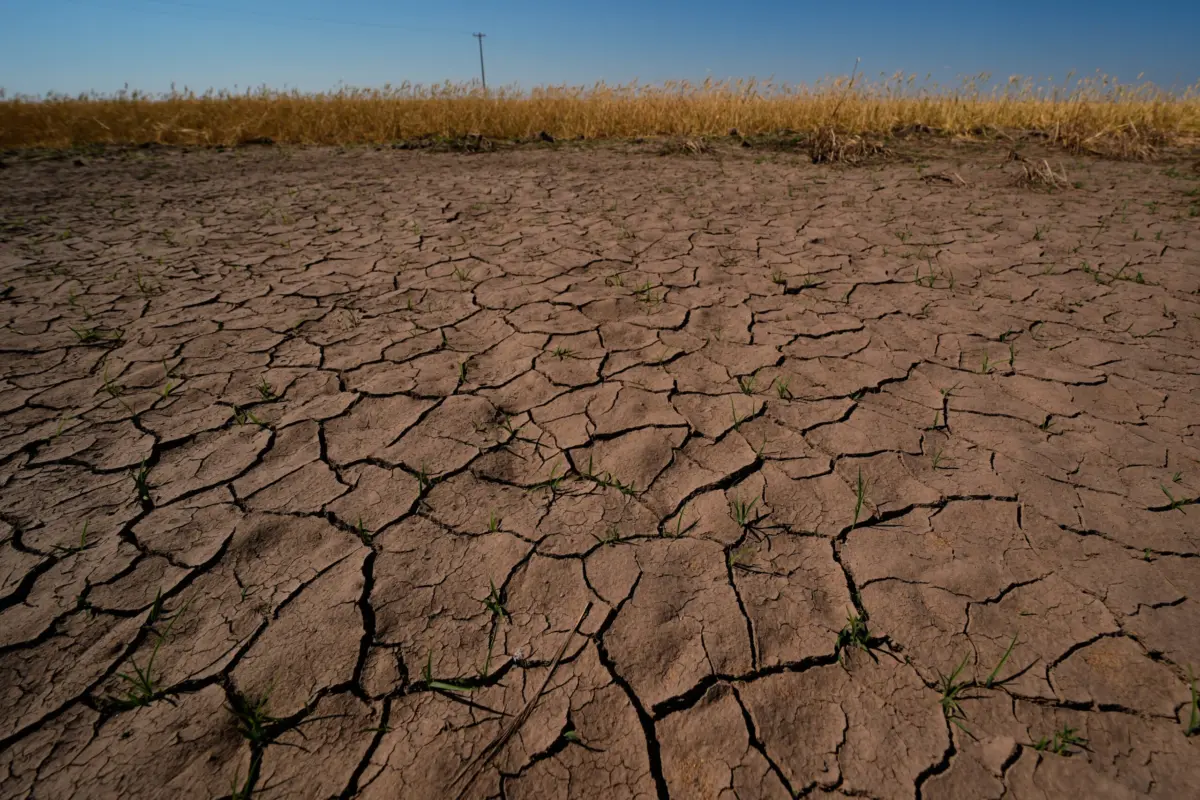
With temperatures in a critical baseline region of the Pacific already sitting 1.8°C (3.24°F) above normal, scientists warn that deviations could soon exceed 2.5°C. If realized, this surge would eclipse the previous modern record set during the infamous 1982–83 El Niño winter, threatening to unleash a volatile cocktail of severe droughts, catastrophic floods, and hyper-charged storms across the globe.
1. Main Facts: The Anatomy of an Emerging Super El Niño
At its core, El Niño is a naturally occurring climate phenomenon characterized by the warming of sea-surface temperatures across the central and eastern tropical Pacific Ocean. However, the current iteration is displaying anomalies that have alarmed atmospheric scientists and climatologists worldwide.
- Record-Breaking Potential: The U.S. Climate Prediction Center has calculated a 75% chance that this El Niño will rank as the strongest on record since reliable tracking began in 1950, surpassing the benchmark set four decades ago.
- Current Ocean Temperatures: Sea-surface temperatures in the equatorial Pacific key monitoring region are currently 1.8°C above average. Forecasters project these readings could peak above 2.5°C.
- The Benchmark: The previous high-water mark for temperature deviation was established in the winter of 1982–83, when temperatures reached 2.4°C above normal based on the Relative Oceanic Niño Index (RONI).
- Already Wreaking Havoc: Since emerging in June, the climate driver has already severely disrupted global logistics, agriculture, and regional weather systems, intensifying droughts in Central America and fueling destructive wildfires in Indonesia.
The mechanism driving these impacts is thermodynamic. As vast expanses of the Pacific Ocean warm up, they transfer immense amounts of heat and moisture into the atmosphere. This alters global wind currents, known as the Walker Circulation, which in turn shifts the jet streams responsible for guiding weather systems across the continents. The warmer the ocean becomes, the more profound and predictable—yet destructive—its alterations to global weather patterns tend to be.
2. Chronology: How the 2023–2026 El Niño Unfolded
Understanding the trajectory of this historic climate event requires examining the timeline of its emergence and rapid escalation:
- Early 2023 (The Transition): Following a protracted, rare "triple-dip" La Niña phase that lasted nearly three years, equatorial Pacific waters began to warm rapidly during the boreal spring, signaling an impending shift in the El Niño-Southern Oscillation (ENSO) cycle.
- June 2023 (Official Declaration): International meteorological agencies officially declared the onset of El Niño, noting that conditions were forming earlier and stronger than average, setting the stage for significant global impacts.
- Mid-2023 to Early 2024 (Initial Impacts): The phenomenon quickly began to suppress Atlantic hurricane activity while simultaneously starving Central America of vital rainfall. Panama Canal authorities began implementing draft restrictions due to falling water levels in Gatun Lake.
- August 2026 (Escalating Probabilities): As the event persisted and re-intensified over subsequent cycles, the U.S. Climate Prediction Center raised the probability of a historic-tier event to 69%, noting persistent marine heatwave conditions in the Pacific.
- September 2026 (The Historic Warning): Insurance and climate tracking reports confirmed that the Atlantic hurricane season had plummeted to some of the most tranquil levels recorded since 1941, directly linked to high wind shear induced by the expanding Pacific warmth.
- Late 2026 (Current Update): In its Thursday update, the Climate Prediction Center elevated the odds of a historic peak to 75%, warning that the winter months ahead would bring severe compounding hazards across multiple continents.
3. Supporting Data and Meteorological Metrics
Meteorologists rely on standardized indices to measure the intensity of ENSO phases. The primary yardstick is the Oceanic Niño Index (ONI), which tracks a three-month running mean of sea-surface temperature anomalies in the east-central equatorial Pacific, specifically a zone designated as Niño 3.4.
[Historical El Niño Peak Anomalies (RONI / ONI)]
1982–83 Event:  ██████████████████████  2.4°C Above Normal
1997–98 Event:  ███████████████████     2.3°C Above Normal
2015–16 Event:  ███████████████████     2.3°C Above Normal
2026 Projected: ███████████████████████ 2.5°C+ (Potential Record)
The data shows that super El Niños—those exceeding a 2.0°C anomaly—are rare, occurring only a handful of times per century. However, scientists note that background global warming, driven by anthropogenic climate change, is increasing the baseline temperatures of the world’s oceans, potentially supercharging these natural cycles and pushing them into uncharted territory.
Furthermore, the suppression of Atlantic tropical storms has been dramatic. While traditional El Niño phases typically increase wind shear across the Atlantic basin—tearing apart developing hurricanes before they can organize—the sheer magnitude of this event has driven Atlantic activity down to levels not witnessed in over 85 years, offering a rare paradox of extreme weather reduction in one basin contrasted with severe hyper-activity in another.
4. Official Responses and Preparations
Governments, international bodies, and risk management sectors are mobilizing in response to the NOAA update. Emergency management agencies across vulnerable regions are shifting from predictive modeling to active mitigation strategies.
Agricultural and Trade Responses
In Southeast Asia, agricultural ministries have stepped up monitoring of palm oil plantations in Indonesia and Malaysia. The prolonged drought conditions fueled by the early stages of El Niño have already depressed yields, driving up global vegetable oil prices. Exporters are implementing water-conservation techniques, though analysts warn that a protracted super El Niño could trigger severe food-security interventions.
In the Western Hemisphere, the Panama Canal Authority has maintained strict draft and daily transit limits for commercial shipping vessels. With water levels remaining critically low due to Central American dry spells, global supply chain operators are being forced to reroute cargo or lighten loads, adding friction to maritime commerce already strained by geopolitical conflicts, such as ongoing disruptions in the Middle East.
Disaster Management and Insurance Sector Adjustments
The insurance and reinsurance industries are closely tracking the forecast. Property and casualty firms are adjusting their loss models for the upcoming Northern Hemisphere winter.
- California Preparedness: State emergency services in California are reviewing flood-mitigation infrastructure, dredging riverbeds, and reinforcing coastal barriers in anticipation of heavy, atmospheric-river-driven rainfall projected for the winter months.
- Asia-Pacific Drought and Heat Readiness: India and southern Asian nations are preparing contingency plans for extreme heatwaves and erratic monsoon distributions that threaten hydroelectric power generation and staple crop harvests like wheat and rice.
- Australia: Federal and state agricultural departments in Australia are issuing early warnings to pastoralists and grain growers in eastern and southern regions, urging drought-contingency planning reminiscent of the severe dry spells experienced during past major El Niño cycles.
5. Economic, Environmental, and Societal Implications
The implications of a historic El Niño extend far beyond local weather anomalies, creating a ripple effect across the global economy and ecological systems.
Inflationary Pressures and Supply Chain Vulnerabilities
The intersection of climate extremes and existing macroeconomic instability presents a formidable challenge. As agricultural yields drop in key producing regions—such as wheat in the American plains and Kansas, rice in Asia, and palm oil in Indonesia—commodity prices inevitably spike. These increases filter down into consumer goods, exacerbating inflationary pressures that central banks have spent years trying to tame. Furthermore, bottlenecks at critical trade choke points like the Panama Canal demonstrate how climate anomalies can disrupt global supply chains just as effectively as geopolitical conflicts.
Ecological and Marine Disruption
Marine ecosystems face severe threats from extended periods of elevated sea-surface temperatures. Coral reef systems in the Pacific and Indian Oceans are at immediate risk of catastrophic coral bleaching events as heat stress builds. Fisheries off the coast of South America, particularly the lucrative Peruvian anchoveta industry, typically experience sharp declines during El Niño events as nutrient-rich cold upwellings are suppressed by warm surface water. This forces commercial fishing fleets further out to sea and impacts the global supply of fishmeal used in aquaculture.
Public Health and Human Displacement
Extreme heatwaves projected for South Asia and parts of Latin America heighten the risk of heat-related illnesses and place unprecedented strain on regional electrical grids through soaring air-conditioning demand. Conversely, excessive rainfall and flooding in regions like the western United States increase the vulnerability of communities to landslides, waterborne diseases, and infrastructure failure.
Looking Ahead
As the U.S. Climate Prediction Center continues its weekly monitoring, the coming months will prove decisive. If sea-surface temperatures cross the 2.5°C threshold, the 2026–2027 winter will likely be remembered as one of the most volatile meteorological periods in modern history.
For policymakers, supply chain managers, and communities worldwide, the message from forecasters is clear: preparation for a historic climate shock is no longer optional; it is an immediate necessity.
