

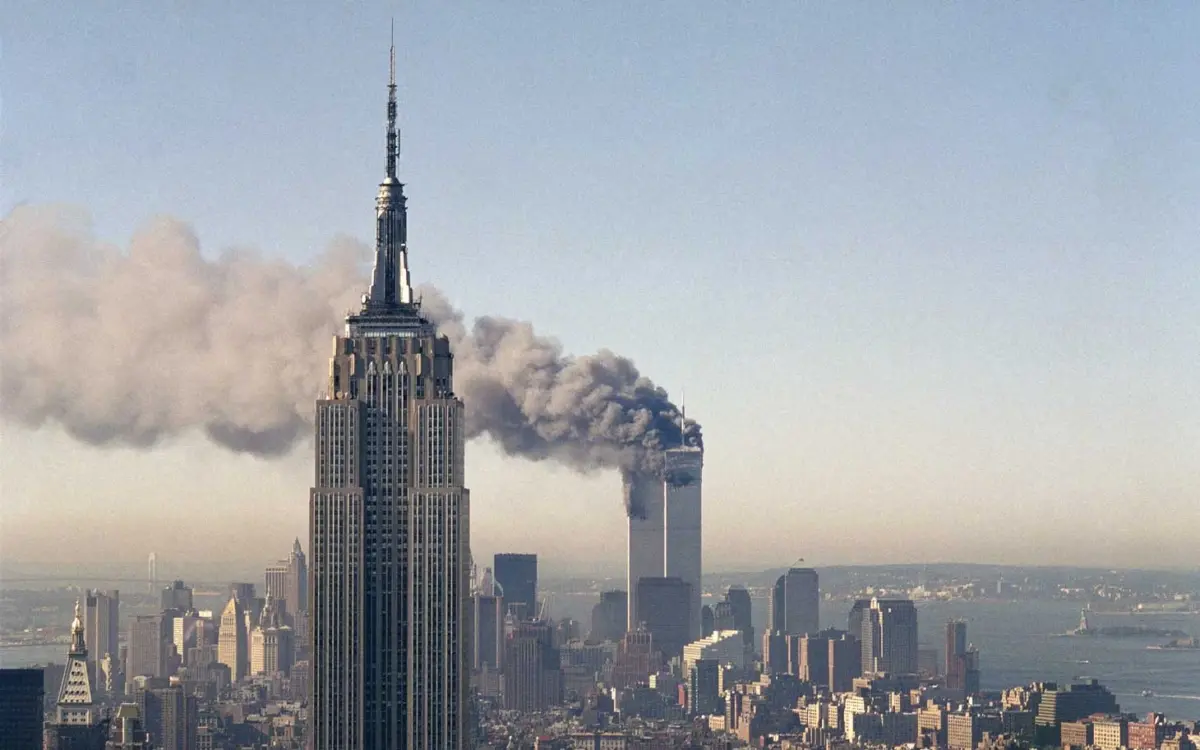
WASHINGTON — Before the morning of September 11, 2001, terrorism was treated by the commercial insurance sector as an almost invisible background variable. It was bundled quietly into standard multi-peril commercial policies, implicitly covered either through explicit language or the sheer absence of exclusionary clauses. Underwriters priced it alongside everyday commercial hazards, assuming risks that were fundamentally unquantifiable based on historical precedent.
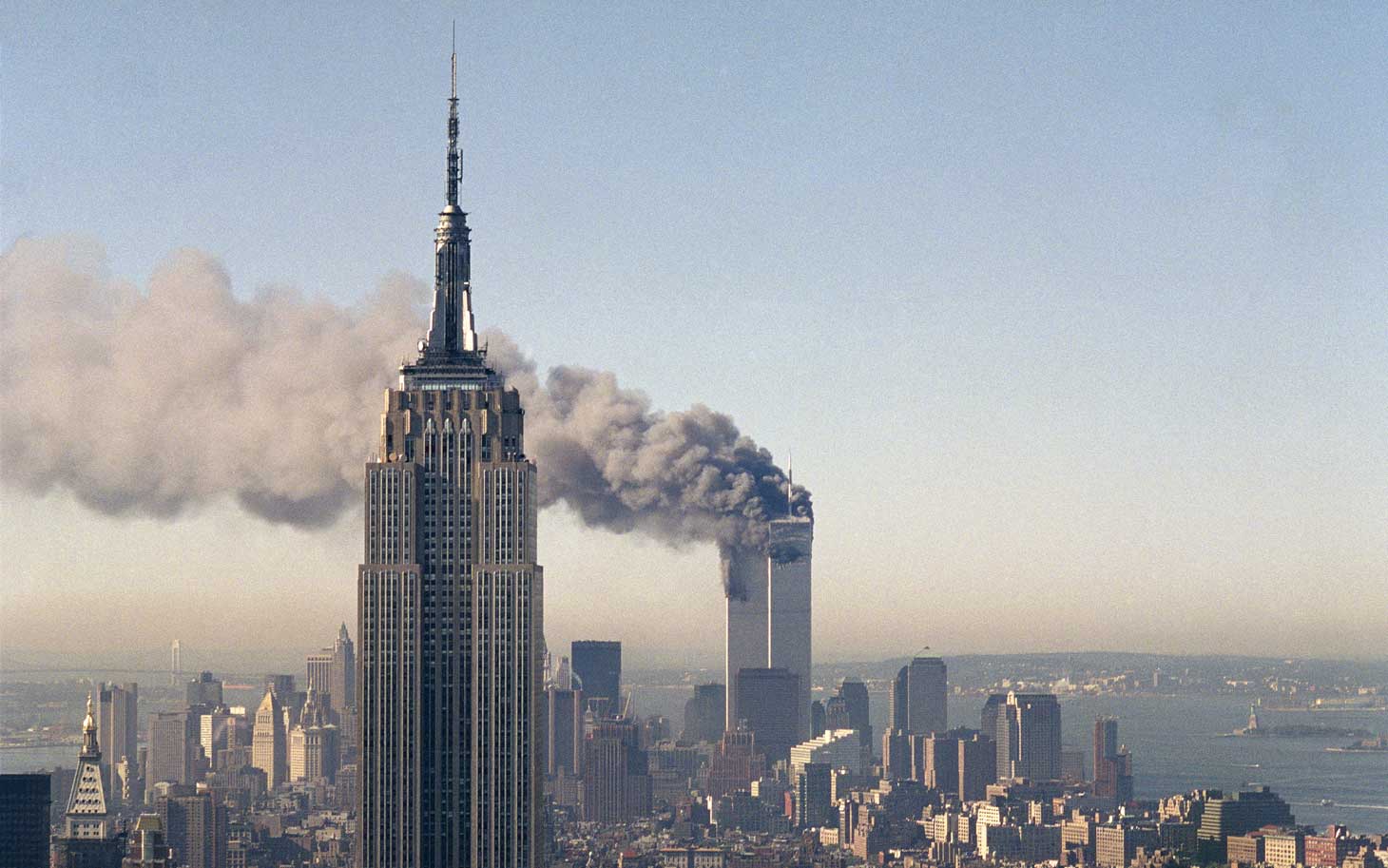
The cascading tragedy of that single day fundamentally shattered the architecture of global risk assessment. As emergency personnel combed through the smoldering wreckage in New York, Washington, D.C., and a field in Shanksville, Pennsylvania, the insurance industry confronted an abrupt, terrifying reality: intentional, coordinated human malice carried a potential for catastrophic loss of life, injury, and property destruction that defied traditional actuarial models.
Today, a full generation removed from those historic events, the landscape of commercial insurance looks unrecognizable. Yet, a core vulnerability remains. As the expiration date of the federal government’s foundational terrorism backstop draws near, the insurance industry is engaged in an aggressive, high-stakes legislative campaign to preserve the public-private partnership that has kept the nation’s commercial real estate, lending, and construction sectors stable for nearly twenty-five years.
Main Facts: The Anatomy of the Terrorism Risk Insurance Act
At the heart of the modern commercial insurance ecosystem is the Terrorism Risk Insurance Act (TRIA), a federal backstop enacted in the waning days of 2002. TRIA operates as a shared-responsibility model between the federal government and private insurance companies, designed to absorb the immense shock waves of catastrophic, man-made disasters.
When an act of terrorism occurs, the program is activated under specific statutory conditions:
- Certification: The event must be officially certified as an act of terrorism by the Secretary of the Treasury, in consultation with the Secretary of Homeland Security and the Attorney General.
- Loss Threshold: The event must cause aggregate industry insured losses meeting or exceeding $5 million.
- Shared Liability: Once triggered, participating insurers are subject to individual deductibles and statutory co-pays, beyond which the federal government covers a vast majority of the remaining losses up to established statutory limits.
Despite its long-term presence as a cornerstone of financial stability, TRIA occupies a unique space in federal policy: it is a multi-billion-dollar safety net that has never actually been triggered by a certified terrorism event. Yet, its psychological and structural value to the economy is immeasurable. Without it, commercial lenders, corporate developers, and municipal planners would face insurmountable roadblocks in securing financing for large-scale infrastructure and real estate projects.
Chronology: From the 2001 Void to the 2026 Legislative Push
The trajectory of terrorism insurance over the past quarter-century highlights a continuous race between emerging systemic threats and legislative adaptation.
- Pre-September 2001: Terrorism coverage is broadly integrated into standard commercial lines as a routine, unpriced or nominally priced component of property and casualty policies.
- Late 2001: Following the 9/11 attacks, private reinsurers rapidly withdraw capacity from the market. Reinsurance—the insurance that insurers buy to protect themselves against catastrophic losses—essentially vanishes for terrorism risks.
- Late 2001 to Early 2002: Faced with unprecedented exposure and a total lack of historical actuarial data, commercial insurers file sweeping requests to exclude terrorism coverage from policies. State insurance regulators across the country approve these exclusions, creating a massive void that threatens to paralyze the U.S. economy, stalling nationwide lending and construction.
- December 2002: Recognizing that the absence of terrorism insurance is actively choking economic recovery, Congress steps in, passing TRIA into law as an emergency temporary measure.
- 2005, 2007, 2015, and 2019: As the initial economic panic subsides, lawmakers recognize that the private market remains incapable of independently absorbing mega-terrorism risks. TRIA undergoes a series of bipartisan reauthorizations and programmatic adjustments, incrementally raising deductibles and co-share requirements while maintaining the federal backstop.
- June 2026: In a decisive early move to prevent market destabilization, the U.S. House of Representatives overwhelmingly passes legislation to extend the TRIA public-private partnership through December 31, 2034.
- July 2026: A broad coalition of the nation’s premier insurance trade associations dispatches an urgent joint letter to U.S. Senate leaders, pushing for swift congressional action ahead of the program’s official December 31, 2027 expiration date.
Supporting Data and Structural Vulnerabilities
The insurance industry’s push for an early extension is driven by market realities that extend far beyond simple political lobbying. Insurance is a forward-looking industry that prices risk years in advance. When policies are drafted for multi-year commercial construction projects, infrastructure development, or large-scale corporate ventures, the risk horizon frequently stretches past current regulatory milestones.
According to major insurance trade organizations—including the American Property Casualty Insurance Association (APCIA), the National Association of Mutual Insurance Companies (NAMIC), and the Independent Insurance Agents & Brokers of America (IIABA)—waiting until the eleventh hour to reauthorize TRIA introduces toxic uncertainty into financial markets.
When expiration dates loom without certainty of renewal, insurers and policyholders entering into long-term contracts begin inserting conditional exclusions into their agreements. These clauses automatically strip away terrorism coverage if the federal program lapses before a claim occurs. For a commercial developer securing a ten-year construction loan, the presence of a conditional exclusion can instantly trigger default clauses in loan covenants, halting projects before a single shovel hits the dirt.
Furthermore, terrorism underwriting remains uniquely difficult compared to natural catastrophes like hurricanes or earthquakes. While meteorologists and seismologists possess centuries of geological and meteorological data to model storm surges or fault lines, terrorism is inherently strategic, intentional, and non-random. Bad actors actively seek to bypass traditional defenses, creating clustering of risk and severity potential that far exceeds historical modeling capabilities. Without a federal backstop to absorb the extreme tail-risk of multi-billion-dollar attacks, private capital simply cannot sustain the market alone.
Official Responses and Industry Perspectives
The urgency surrounding the current legislative push has united a fragmented insurance sector into a cohesive lobbying front. Industry leaders emphasize that TRIA is not a bailout or a subsidy, but a vital economic framework that enables private enterprise to function securely in an uncertain geopolitical landscape.
"Twenty-five years after the terrorist attacks of September 11, the Terrorism Risk Insurance Act remains a cornerstone of our nation’s economic resilience," said Sam Whitfield, senior vice president of federal government relations for the APCIA. "TRIA helps ensure that businesses, communities, lenders, and employers can access terrorism risk coverage and make long-term investments with confidence."
Whitfield underscored that Congress has historically recognized the program’s success through repeated bipartisan votes, arguing that the Senate should follow the House’s lead and pass the 2034 extension well before the end of the year.
Jimi Grande, senior vice president of federal and political affairs for NAMIC, echoed these sentiments, highlighting the fundamental shock that 9/11 delivered to the industry’s consciousness.
"In addition to the tragic loss of life, the 9/11 attacks had a devastating impact on our economy as, for the first time, we were faced with a catastrophic loss caused by intentional human acts, and the risk of future attacks," Grande noted. "The Terrorism Risk Insurance Program has successfully kept insurance coverage for terrorism-related losses available and affordable."
Grande and other industry executives point out that the scarcity of historical data makes the private-public partnership irreplaceable. Because terrorism is driven by human agency rather than natural cycles, private insurers cannot accumulate sufficient capital reserves independently to cover a synchronized, high-casualty multi-city attack without charging prohibitive, economy-stifling premiums.
Implications for the Future of American Commerce
As the U.S. Senate weighs the House-passed extension to carry TRIA through 2034, the broader implications for the national economy cannot be overstated. Insurance is the invisible grease of the capitalist machine; without it, credit tightens, risk aversion spikes, and development slows to a crawl.
The debate over TRIA’s reauthorization reflects a broader modern challenge: how open, market-driven societies manage systemic, low-frequency, high-consequence threats. In an era marked by evolving geopolitical tensions, asymmetric warfare, and digital-physical convergence threats, the line between national security and economic infrastructure has dissolved.
For policyholders, business owners, and financial institutions, the stakes are clear. A seamless, early reauthorization of TRIA will ensure that the commercial property and casualty market remains stable, predictable, and capable of supporting multi-trillion-dollar investments. Conversely, legislative delays risk triggering market contractions, soaring premium costs, and widespread coverage gaps that could leave American enterprise vulnerable just as global security challenges enter a new and unpredictable chapter.
The Senate’s upcoming decision before the close of the year will determine whether the economic shield forged in the aftermath of 2001 remains intact to protect the next generation of American growth.
