

Main Facts
For a century, the heating, ventilation, air conditioning, and refrigeration (HVACR) industry has been propelled forward by a singular, persistent inquiry: How can we do it better? This core philosophy has systematically transformed indoor environmental comfort, optimized energy efficiency, elevated system performance, and redefined the standard of service that contractors deliver to their customer bases.
As trade publications like ACHR NEWS celebrate the individuals, companies, and technological breakthroughs that have shaped the modern HVAC landscape, industry veterans point to specific manufacturing partners who have driven substantive progress. Among them is Rotobrush, a company that has spent more than thirty years engineering solutions dedicated to indoor air quality (IAQ) and air duct cleaning.
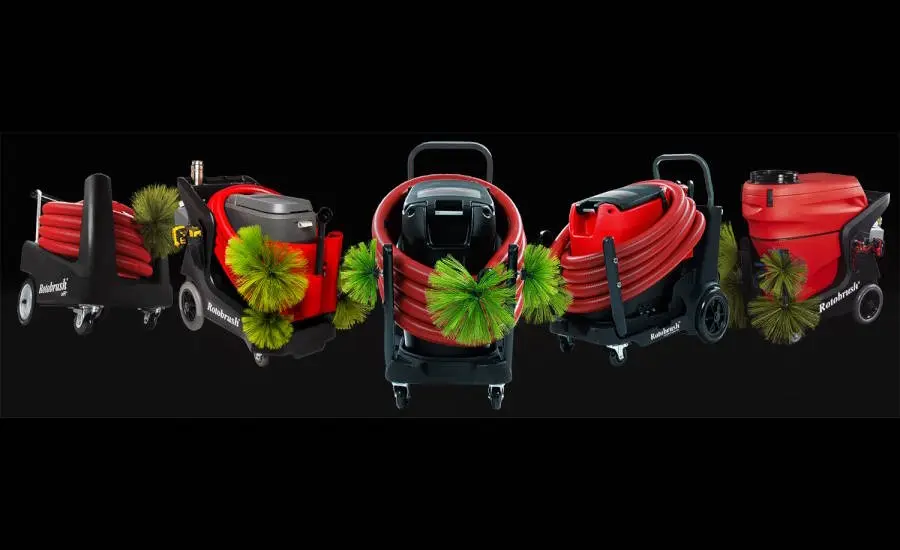
Since its entry into the market in 1994, Rotobrush has evolved its product offerings through seven distinct generations of brush-and-vacuum machinery and three generations of specialized negative-air equipment. The overarching engineering philosophy has remained constant: to design and manufacture portable, highly intuitive equipment that empowers residential and commercial contractors to seamlessly expand their service portfolios, capture previously outsourced revenue streams, and accelerate business growth.
In today’s market, the company’s flagship offerings—exemplified by the BrushBeast DR Black Edition and the BlowBeast II—address the dual demands of rigorous mechanical agitation and high-airflow negative pressure. By pairing these hardware innovations with comprehensive contractor support systems, including U.S.-based technical assistance, flexible financing, and specialized training programs, Rotobrush has positioned itself as an integral player in the modern HVAC contractor’s operational ecosystem.
Chronology: A History of Evolution in Air Duct Cleaning
To understand the current state of HVAC duct cleaning technology, one must examine the developmental timeline that brought the industry from rudimentary manual cleaning techniques to sophisticated, direct-drive automated systems.

The Pre-1994 Landscape
Prior to the mid-1990s, professional air duct cleaning was frequently viewed as a niche service requiring cumbersome, truck-mounted vacuum systems or rudimentary hand tools. Many HVAC contractors found it difficult to integrate duct cleaning into their daily service calls due to the sheer size of the equipment, long setup times, and the specialized labor required to operate it. Equipment lacked the portability needed to navigate tight residential spaces, such as cramped attics or low-clearance crawlspaces, limiting the widespread adoption of IAQ services within standard HVAC business models.
1994: The Inception of Rotobrush
Recognizing a critical gap in the market for portable, contractor-friendly machinery, Rotobrush introduced its foundational brush-and-vacuum technology in 1994. This inaugural generation of equipment combined mechanical brushing action with simultaneous vacuum suction in a single, manageable unit. For the first time, average HVAC service technicians could perform thorough duct cleanings without relying exclusively on massive, property-restricted truck mounts.
Iterative Generations: Refining Brush-and-Vacuum Mechanics
Over the subsequent decades, Rotobrush advanced through successive generations of equipment design. Engineers focused heavily on overcoming common field challenges, such as belt slippage, motor wear, and excessive weight.
- Early Generations: Focused on establishing reliable, combined brush-and-vacuum capture to remove dust, debris, and allergens.
- Mid Generations: Emphasized motor efficiency, housing durability, and enhanced filtration capabilities to meet evolving indoor air quality standards.
- Modern Generations: Culminated in advanced direct-drive systems that eliminate traditional pulley vulnerabilities, maximizing uptime and performance consistency on demanding jobsites.
The Evolution of Negative-Air Systems
Recognizing that different contractors prefer distinct methodologies—some favoring mechanical brushing and source removal, others prioritizing high-volume negative air—Rotobrush expanded its scope to develop dedicated negative-air machinery. Spanning three distinct generations, this equipment line evolved to deliver maximum cubic feet per minute (CFM) of airflow while maintaining the portability required for tight residential and commercial access points. The culmination of this trajectory is reflected in modern high-airflow platforms like the BlowBeast II.
Supporting Data and Technical Specifications
Modern HVAC contractors operate in a results-driven environment where equipment performance, reliability, and technical specifications directly impact profit margins. Rotobrush’s current flagship machinery is engineered to meet exacting field standards.
The BrushBeast DR Black Edition: Precision Mechanical Agitation
For contractors requiring rigorous agitation and source-removal capabilities—particularly in homes with stubborn particulate accumulation—the BrushBeast DR Black Edition serves as a primary mechanical solution.
- Direct-Drive Technology: Unlike older models utilizing traditional belts and pulleys, the BrushBeast DR features a patented direct-drive system. This mechanical configuration minimizes maintenance requirements, reduces the likelihood of mechanical failure in the field, and ensures consistent operational performance over extended use cycles.
- Suction Power: The unit is equipped with four high-performance vacuum motors designed to generate the robust suction necessary to capture dislodged debris instantly at the point of contact.
- Adjustable Brush Speeds: Technicians are provided with four distinct adjustable brush speeds. This variable control is crucial when transitioning between different duct materials, allowing gentle cleaning on delicate flexible ductwork (flex duct) without causing structural damage, while retaining aggressive power for rigid metal duct systems.
- Modular Portability: A defining engineering feature is Rotobrush’s signature removable pod, which physically separates from the main carrier unit. This allows technicians to detach the core operational components and carry them directly into attics, basements, crawlspaces, and other restricted areas, bypassing the limitations of long hose runs.
The BlowBeast II: High-Airflow Negative-Air Performance
For service providers who adhere to negative-air cleaning methodologies, the BlowBeast II provides the necessary volumetric air movement for complex residential and light-commercial duct networks.
- Motor and Airflow Metrics: Powered by a direct-drive, variable-speed motor, the BlowBeast II delivers up to 3,800 CFM of free airflow, and maintains up to 3,050 CFM even when operating under the static pressure constraints of high-efficiency particulate air (HEPA) filtration systems.
- Negative Pressure Management: The system allows contractors to establish strong, reliable negative pressure throughout the duct network, ensuring that dislodged contaminants are drawn toward the filtration unit rather than escaping into the living space.
- Jobsite Maneuverability: Like its brush-and-vacuum counterpart, the BlowBeast II incorporates a removable pod design. Technicians can position the core unit closer to the HVAC equipment, reducing friction losses associated with extended hose configurations and simplifying navigation through challenging architectural layouts.
Official Responses and Industry Insights
Industry analysts and manufacturing leadership emphasize that introducing a new service line requires more than simply dropping off a piece of hardware at a contractor’s facility.
According to executive statements from equipment manufacturers and industry observers, the integration of indoor air quality services represents one of the most reliable pathways for HVAC contractors to smooth out seasonal revenue fluctuations. When heating and cooling system installations slow down during shoulder seasons, duct cleaning and IAQ maintenance provide steady, high-margin service calls that keep technicians employed and customer relationships active.
However, industry stakeholders note that contractors frequently hesitate to adopt new service offerings due to concerns over technical complexity, crew training, and upfront capital expenditure. Addressing these operational hurdles requires a comprehensive support infrastructure. Rotobrush representatives emphasize that purchasing equipment is merely the first step in a broader partnership.

Comprehensive Contractor Support Infrastructure
To mitigate the risks associated with service expansion, modern equipment providers must offer robust auxiliary resources. Rotobrush’s operational framework includes:
- U.S.-Based Training: Hands-on and technical training programs designed to educate field technicians on proper duct cleaning protocols, equipment maintenance, and safety standards.
- Dedicated Technical Support: Ongoing assistance to troubleshoot field challenges and maximize equipment utility.
- Flexible Financing Options: Structured financial programs created to help small-to-midsize contracting businesses acquire professional-grade machinery without draining operational cash flow.
- Marketing and Business Guidance: Resources aimed at helping contractors package, price, and promote their new IAQ services to existing and prospective residential and commercial clients.
Implications for the HVACR Industry
As the HVACR industry crosses the threshold into its next century of technological progress, the integration of indoor air quality services carries profound implications for contractors, consumers, and the broader market.
Keeping Revenue In-House
For decades, many traditional HVAC contractors chose to pass on duct cleaning requests or refer them to specialized third-party cleaning companies. While this avoided the need for equipment investment, it meant forfeiting valuable revenue and missing an opportunity to control the customer’s complete indoor comfort environment. By utilizing portable, adaptable systems like the BrushBeast DR and BlowBeast II, contractors can keep these service opportunities in-house. This not only captures additional profit centers but also strengthens the contractor’s position as a comprehensive home-comfort advisor.
Elevating Indoor Air Quality Standards
Consumer awareness regarding indoor air pollutants, allergens, and pathogen mitigation has reached unprecedented levels. Modern homeowners and commercial property managers no longer view clean ductwork as an optional luxury; they recognize it as an essential component of a healthy building envelope. Equipment that allows technicians to service delicate flex duct safely, establish verified negative pressure, and visually demonstrate cleanliness directly contributes to higher public trust in the HVAC trade.
Technological Adaptability
The ongoing refinement of direct-drive motors, modular pod portability, and variable-speed controls signals a broader trend within HVAC manufacturing: equipment must be versatile enough to handle diverse architectural realities. Whether a technician is servicing a sprawling historic home with rigid metal trunks or a modern condominium with delicate flexible ducting, the equipment must adapt to the job rather than forcing the technician to compromise their cleaning methodology.

Conclusion and Moving Forward
As the industry looks toward the future, the foundational question remains unchanged: How can we do it better? For HVAC contractors seeking to answer that question by expanding their service offerings, improving operational efficiency, and capturing new revenue streams, professional air duct cleaning remains a proven, high-demand avenue.
Contractors ready to evaluate equipment options, review financing structures, or explore technical specifications can engage directly with manufacturers. For more information on adding professional air duct cleaning to an established HVAC business, professionals can visit www.rotobrush.com, contact the sales team via email at [email protected], or speak directly with support representatives at 800-535-3878.
