

The U.S. housing market in late 2026 presents a complex mosaic of economic signals. While retail buyers face persistent affordability challenges and a cooling summer sales pace, institutional heavyweights are moving in the opposite direction. Most notably, JPMorgan Chase has announced a staggering $750 billion capital deployment strategy targeted at housing and development through 2035.
To unpack these shifting tides, real estate experts Henry Washington, James Dainard, and Kathy Fettke recently gathered on the On the Market podcast to analyze macroeconomic indicators, localized inventory velocities, and what institutional bets mean for everyday investors.
Main Facts: The Current Real Estate Landscape
The macroeconomic environment is currently defined by a tug-of-war between elevated home prices, shifting buyer behavior, and heavy institutional participation.
- The JPMorgan Capital Injection: JPMorgan Chase is doubling down on American housing through its expanded American Dream Initiative. The firm plans to deploy $750 billion by 2035—representing a nearly 40% increase over its housing capital deployment rate of the past decade. This capital spans mortgage originations, multifamily development loans, and investments in affordable housing funds.
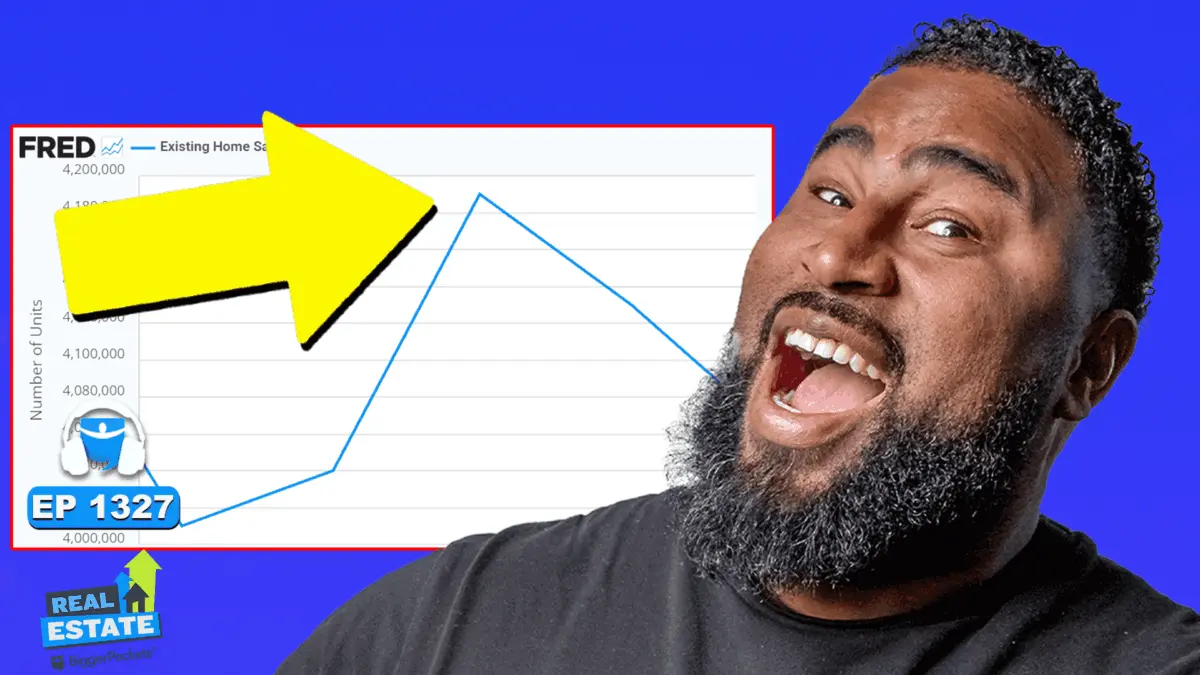
- Cooling Sales Velocity: National existing-home sales slipped 1.7% in July to a seasonally adjusted annual rate of 4.06 million.
- Relentless Price Appreciation: Despite slowing transaction velocity, the national median existing-home price rose 2% year-over-year to $434,000 in July. This marks the 37th consecutive month of annual price gains.
- Inflation Stabilization: The Consumer Price Index (CPI) report showed inflation rising just 0.1% for the month, pulling annual inflation down to 3.4%. Core CPI slowed to 2.5%, the softest pace since the post-pandemic economic surge.
Chronology of Market Shifts Through Summer 2026
The trajectory of the 2026 real estate cycle has defied conventional seasonal expectations, moving from early-year optimism into a nuanced mid-year cooling period.
Spring to Early Summer: Affordability Cracks
As interest rates fluctuated near cyclical peaks during the first half of the year, entry-level buyers began to hit a brick wall. Traditional first-time home purchase volumes contracted. However, high-net-worth buyers—bolstered by robust stock market gains—continued to fuel a resilient luxury housing segment.
July: Sales Slip and the Rise of "Grandma’s House"
By July, existing-home sales dropped to 4.06 million. Real estate investors on the ground noticed a strange phenomenon: hyper-renovated, pristine house flips began sitting on the market longer, while clean, outdated, unrenovated homes (often dubbed "Grandma’s houses") sold rapidly. Buyers increasingly preferred purchasing at a lower initial price point and taking on cosmetic updates themselves, rather than paying a premium for a turnkey flip.
August: The Inflation Check and Institutional Commitments
In mid-August, the release of the favorable CPI report injected a dose of consumer confidence into the market. Simultaneously, banking giants and institutional investors signaled long-term confidence in residential stability, culminating in major capital commitments led by JPMorgan Chase.
Supporting Data: Regional Variances and Inflation Metrics
Real estate remains hyper-local, and aggregate national statistics often mask stark differences between zip codes and asset classes.
The Micro-Market Velocity Breakdown
Panelists James Dainard and Henry Washington emphasized that macro-level doom and gloom do not reflect reality on the micro level.
- Price Tier Divergence: In markets like North Seattle, properties priced correctly for their specific neighborhood pocket (e.g., $1.5 million homes on a good street) sell within the first weekend. Push that same home to $1.7 million, and days-on-market stretch past 100 days.
- The Flip vs. As-Is Spread: In many regions, there is roughly a 15% to 20% value delta between a fully renovated property and an unrenovated, livable home. Investors are increasingly pivoting to a "Plan B" strategy: spending minimal capital ($3,000 to $5,000 for cleaning and minor landscaping) to list homes as-is at a lower price point rather than funding a full $60,000 renovation.
Inflation and the Consumer Stretch
While the headline CPI inflation rate cooled to 3.4%, underlying pressures remain. Kathy Fettke noted that energy and oil prices remain roughly 14% higher than they were a year ago. Because wage growth has not universally kept pace with cumulative inflation, the average consumer remains financially stretched.
According to the CME FedWatch tool, the favorable July inflation report shifted market sentiment regarding the Federal Reserve’s monetary policy, pricing in a roughly 62% probability that interest rates would remain steady rather than increase.
Official Responses and Institutional Strategy
Why are major financial institutions doubling down on real estate while individual retail buyers hesitate? The answer lies in long-term demographic demand and supply deficits.
JPMorgan Chase’s Three-Pronged Strategy
JPMorgan’s $750 billion commitment is divided into distinct operational buckets designed to mitigate risk while capturing housing demand:
- Developer Financing: Providing debt and capital to developers to build new apartment complexes and multifamily units, thereby increasing overall inventory.
- Mortgage Origination: Expanding mortgage access and loan availability for everyday buyers and first-time homeowners.
- Affordable Housing Funds: Directly investing equity into affordable housing initiatives to support lower-income communities.
The Echoes of 2012
Industry veterans draw parallels between the current market environment and the post-Great Recession recovery period of 2012. When institutional giants like Blackstone and prominent figures like Warren Buffett began acquiring single-family assets and residential lots at a discount, retail investors who sat on the sidelines missed a historic recovery.
Today, institutional capital is similarly betting that residential real estate is fundamentally under-supplied, pointing toward structural stability over the next decade.
Implications for Real Estate Investors
For active real estate operators, landlords, and flippers, the 2026 market demands a data-driven, adaptable approach rather than emotional decision-making.
1. Ditch the "Investor Identity"
Investors can no longer rely on a single playbook. Specialists who exclusively flip, buy short-term rentals, or stick to traditional wholesaling face headwinds if their specific asset class experiences localized stagnation. Successful operators are pivoting—some traditional flippers are exploring new construction wholesale deals, while others are refinancing short-term debt into Debt-Service Coverage Ratio (DSCR) loans to lower monthly carrying costs and "stop the bleed."
2. Focus on the Buy-Box and Debt Management
With market velocity slowing in certain brackets, holding costs can erode profit margins. Minimizing monthly debt obligations and securing properties significantly below historical replacement costs are paramount. For buy-and-hold investors, newer construction homes offer distinct advantages: lower capital expenditure (CapEx) over time, compliance with modern building codes (crucial for insurance rates in storm-prone areas like Florida), and strong renter demand.
3. Study the Customer
Affordability is the ultimate driver of the 2026 market. Investors must study hyper-local data to identify precisely who is transacting in their target zip codes, what price points are moving, and how buyers are financing their purchases. Those who align their product with what the market actually demands—rather than what they wish buyers wanted—will continue to generate steady profits.
As James Dainard and Henry Washington concluded, real estate is rarely a monolith. While macroeconomic headlines project uncertainty, disciplined operators who master their local market data will find that opportunities to acquire, renovate, and serve housing needs remain robust.
