

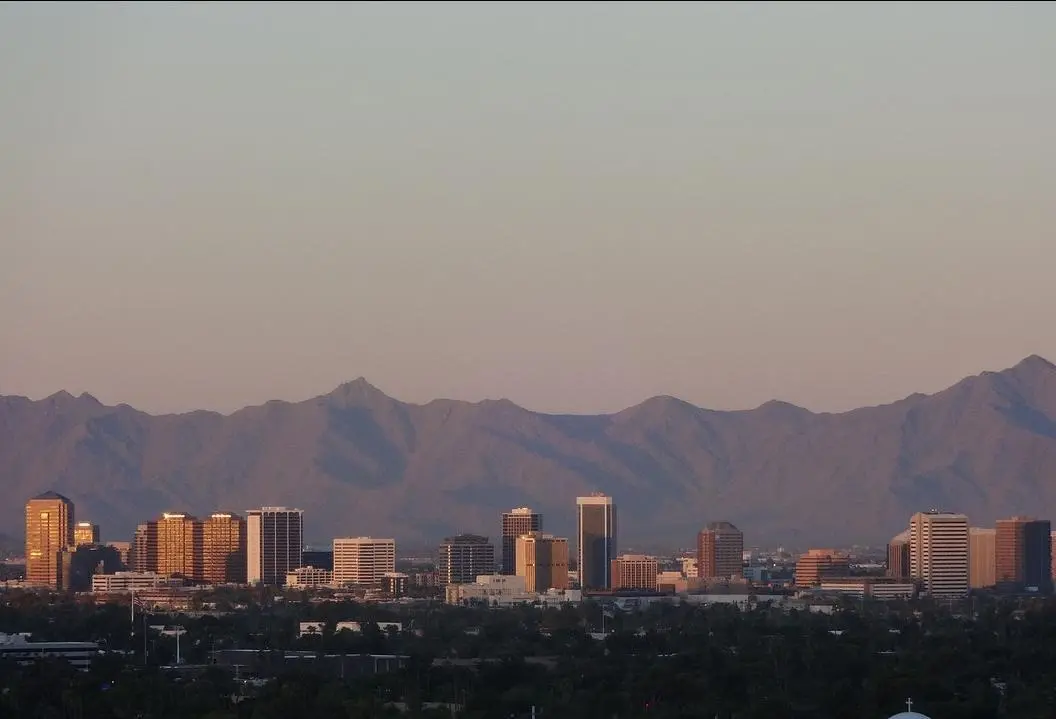
MESA, Ariz. — In a landmark decision that promises to permanently alter the economic and physical landscape of the East Valley, Mesa city leaders have officially approved a sweeping $3 billion development plan. Dubbed Legacy Park, the massive 197-acre mixed-use project is poised to become one of the most significant hospitality, retail, and corporate campus developments in the history of the Phoenix metropolitan area.
The unanimous greenlight from the Mesa City Council follows months of meticulous planning, zoning adjustments, and public sector collaboration. Spearheaded by Phoenix-based commercial real estate powerhouse Vestar, Legacy Park aims to bridge the gap between suburban convenience and urban density, creating a self-sustaining ecosystem designed to attract global corporations, regional tourists, and local residents alike.
As the Phoenix metro area continues to grapple with unprecedented population growth, surging tourism numbers, and a red-hot hospitality market, Legacy Park represents a bold, forward-looking investment in the region’s economic future.
Main Facts: What is Legacy Park?
Spanning a sprawling 197 acres, Legacy Park is not merely a shopping center or a residential enclave; it is a meticulously engineered, multi-phase urban district. Once fully built out, the master-planned development will encompass a staggering array of residential, commercial, and recreational assets designed to function as a premier destination within the Southwest.
Key components of the Legacy Park master plan include:
- Hospitality Infrastructure: A 600-room luxury resort paired with a separate 150-room boutique hotel, catering to both high-end leisure travelers and corporate executives attending events at the nearby Arizona Athletic Grounds.
- Corporate and Commercial Space: A massive 3.8 million square feet of Class-A office and corporate campus space, positioning Mesa to capture major corporate relocations and expansions.
- Residential Living: Thousands of multi-family apartment units, offering transit-oriented and walkable housing options for the Valley’s booming workforce.
- Public Green Space and Connectivity: A dedicated 20-acre urban park designed to host community events, alongside an innovative underground pedestrian tunnel connecting the development directly to the neighboring Arizona Athletic Grounds for seamless visitor transit.
- Parking and Infrastructure: A robust parking blueprint featuring 2,245 designated spaces to accommodate the heavy influx of daily workers, shoppers, and event-goers.
Vestar’s vision extends beyond the boundaries of Legacy Park itself. The developer has simultaneously proposed Gateway Crossing, an adjacent 37-acre hospitality and retail project located just across the street at the southwest corner of East Williams Field Road and State Route 24. Together, these two mega-developments form a synchronized economic engine for southeast Mesa.
Chronology: The Path to Approval
The journey toward the approval of Legacy Park moved swiftly through municipal channels, reflecting a high level of alignment between private developers and city officials eager to stimulate economic development.
- August: Recognizing the massive potential of the site, Mesa’s Planning and Zoning Board voted overwhelmingly to recommend that the City Council reclassify the property. The zoning shift officially transitioned the land from "light industrial" to a "planned community district," unlocking the legal framework required for a high-density, mixed-use mega-project.
- September 10: Vestar executives formally pitched the comprehensive $3 billion proposal alongside Mesa city staff during a high-profile City Council study session. The presentation laid out detailed renderings, economic impact projections, and infrastructure integration plans.
- This Week: Following robust public comment and council deliberation, Mesa city leaders officially voted to approve the development plan, clearing the final major regulatory hurdle for Vestar.
- January (Upcoming): Vestar is scheduled to break ground on the initial phase of construction, kicking off what will be a multi-year engineering and building campaign.
- October 2029 (Projected): Developers are eyeing the fall of 2029 for the grand opening of Legacy Park’s inaugural phase, marking the official debut of a project that has been years in the conceptualization phase.
Supporting Data: Economic Impact and Market Momentum
The financial scale of Legacy Park is matched only by the broader economic tailwinds propelling the Phoenix metropolitan real estate market. According to economic impact studies presented to the city, the combined execution of Legacy Park and the nearby Gateway Crossing project could pump nearly $60 billion into the Mesa economy over the next three decades.
Furthermore, the projects are projected to:
- Generate more than $1 billion in direct tax revenue for the municipality, funding essential public services, infrastructure upkeep, and community programs.
- Create more than 13,000 jobs ranging from construction and hospitality to corporate management and retail operations.
These metrics arrive at a time when the Phoenix regional hospitality sector is experiencing historic momentum. According to recent data from the Phoenix Business Journal, the Valley is currently leading the entire United States in new hotel openings. The metropolitan area is on track to welcome 26 new hotel projects before the end of 2026, outpacing every other major U.S. city. Vestar’s inclusion of a 600-room luxury resort and a 150-room boutique hotel within Legacy Park capitalizes directly on this unprecedented tourist and business travel demand.
Official Responses and Stakeholder Perspectives
The greenlighting of Legacy Park has drawn widespread praise from municipal leaders, real estate analysts, and business organizations who view the project as a watershed moment for Mesa’s economic identity.
City planners and council members emphasized that the project transforms underutilized light industrial acreage into a vibrant, high-yield community hub. By creating a direct pedestrian connection to the Arizona Athletic Grounds—a massive youth sports and entertainment complex that already draws millions of visitors annually—Legacy Park successfully bridges the gap between sports tourism and upscale lifestyle amenities.
Vestar executives have framed the project as a testament to the viability of master-planned, experiential developments in suburban-urban growth corridors. By integrating residential housing, executive office spaces, high-end retail, and hospitality under one cohesive umbrella, Vestar is betting heavily on the "live-work-play-stay" model that modern consumers and corporations increasingly demand.
Local business associations have similarly lauded the decision, noting that the influx of 3.8 million square feet of Class-A office space will finally provide the East Valley with the high-caliber corporate infrastructure needed to compete directly with premier submarkets in Phoenix, Scottsdale, and Tempe.
Implications: What Legacy Park Means for the Future of Mesa
The approval of a $3 billion mixed-use project of this magnitude carries profound implications for the future trajectory of Mesa and the wider Valley:
1. Shifting the Corporate Center of Gravity
Historically, high-end corporate campuses and Class-A office towers were heavily concentrated in downtown Phoenix, Scottsdale’s Airpark, or Tempe’s Hayden Road corridor. Legacy Park signals a decisive eastward shift. With millions of square feet of premier office space slated for construction, Mesa is aggressively positioning itself to land Fortune 500 regional headquarters, tech firms, and advanced manufacturing back-office operations.
2. Redefining Suburban Density
Legacy Park serves as a blueprint for modern suburban densification. Rather than relying on traditional, sprawling strip malls and isolated housing subdivisions, the project demonstrates how outer-ring suburbs can incorporate urban density, vertical living, pedestrian connectivity, and public green spaces. The inclusion of an underground pedestrian tunnel to the Arizona Athletic Grounds highlights an innovative approach to urban planning and traffic mitigation in the scorching Arizona climate.
3. Elevating Tourism and Hospitality
The addition of a 600-room luxury resort and a boutique hotel transforms Mesa from a regional drive-by destination into an overnight stay market. When paired with the Arizona Athletic Grounds, Legacy Park creates a self-contained tourism vortex capable of hosting national sporting tournaments, corporate conventions, and luxury leisure travelers simultaneously.
4. Long-Term Fiscal Resilience
For the City of Mesa, the projected $1 billion in tax revenue and 13,000 new jobs provide a resilient financial cushion for decades to come. As federal and state funding streams fluctuate, locally generated commercial and tourism tax revenues will enable the city to invest aggressively in public infrastructure, education, and community amenities.
As Vestar prepares to break ground this coming January, all eyes in the Southwest commercial real estate community will be fixed on Mesa. If Legacy Park successfully executes its ambitious vision by its targeted October 2029 opening, it will not only redefine the skyline of the East Valley—it will establish a new gold standard for mixed-use development across the United States.
