

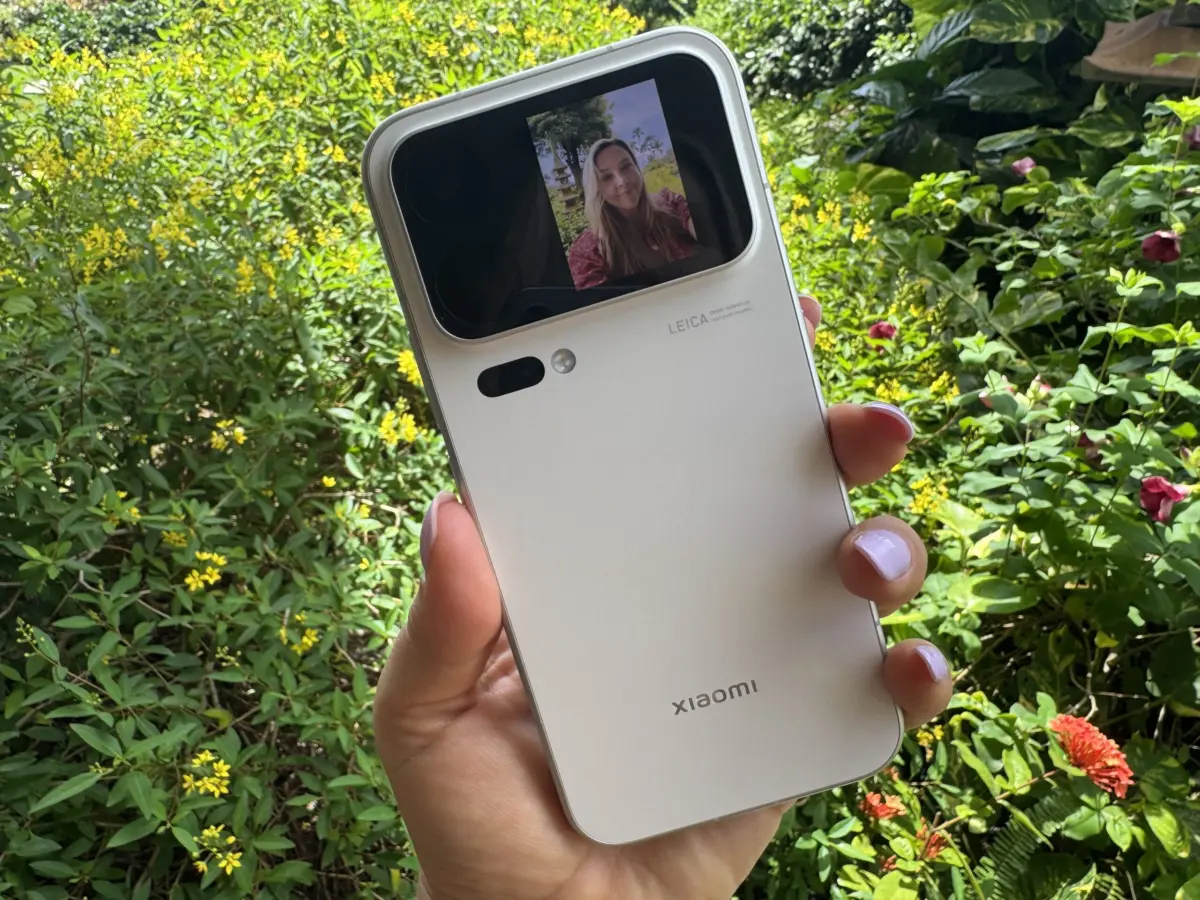
BEIJING — In a major development that underscores the rapid pace of mobile hardware innovation, Chinese tech titan Xiaomi has officially claimed the title of the first smartphone manufacturer to integrate Qualcomm’s newly unveiled, cutting-edge chipsets. Announced on Wednesday at a high-profile launch event in Beijing, the flagship Xiaomi 18 Pro and Xiaomi 18 Pro Max arrive as two of the most technically formidable mobile devices ever brought to market.
Powered by the freshly introduced Snapdragon 8 Elite Gen 6 and Snapdragon 8 Elite Extreme Gen 6 processors, respectively, the new flagship lineup represents a quantum leap in processing power, artificial intelligence integration, and energy efficiency. However, despite the intense global excitement surrounding these devices, their immediate availability remains restricted to the Chinese domestic market. A broader global rollout is slated to follow before the end of the year, though, true to tradition for the brand, US consumers will not see an official domestic release.
Main Facts: Unleashing Extreme Power and Design
The headline feature of the Xiaomi 18 Pro series is undoubtedly its hardware pedigree. By securing day-one access to Qualcomm’s premier silicon, Xiaomi has positioned its hardware at the bleeding edge of the mobile industry.
- The Silicon Engine: The standard Xiaomi 18 Pro runs on the Snapdragon 8 Elite Gen 6, while the larger, more robust 18 Pro Max steps up to the Snapdragon 8 Elite Extreme Gen 6. These processors promise unprecedented gains in machine learning capabilities, raw computational speed, and thermal efficiency.
- Aesthetic and Build: Hands-on impressions from the recent Snapdragon Summit in Hawaii—where Qualcomm debuted the underlying processors just 24 hours prior to the Beijing announcement—reveal a refined aesthetic. While the two models bear a striking resemblance to Apple’s newly released iPhone 18 Pro and Pro Max series, Xiaomi continues to carve out its own identity through distinct hardware choices.
- Massive Battery Capacities: To feed these power-hungry processors, the China-edition models feature staggering silicon-carbon battery capacities. The 18 Pro packs a massive 7,000-mAh battery, while the 18 Pro Max scales up to an unprecedented 8,500-mAh power cell.
- Geographic Availability: The devices are currently exclusive to China, with international markets across Europe and other regions set to receive localized versions within the coming months.
Chronology of the Launch: From Hawaii to Beijing
The rollout of the Xiaomi 18 Pro series was meticulously choreographed across two continents, highlighting the tightly synchronized partnership between Qualcomm and top-tier Android manufacturers.
Day One: The Silicon Reveal in Hawaii
The journey of the Xiaomi 18 Pro series effectively began at the annual Snapdragon Summit in Hawaii. Qualcomm executives took to the stage to pull back the curtain on their next-generation mobile platforms, detailing the architectural breakthroughs of the Snapdragon 8 Elite Gen 6 and Extreme Gen 6 chips. These processors were built from the ground up to support advanced on-device AI tasks, 8K video processing, and hyper-realistic mobile gaming.

Day Two: The Beijing Unveiling
Hardly 24 hours after Qualcomm’s keynote in the Pacific, Xiaomi’s leadership stepped onto the stage in Beijing to officially introduce the fruits of this technological collaboration. By announcing the Xiaomi 18 Pro and 18 Pro Max immediately following the chipmaker’s event, Xiaomi effectively neutralized competing announcements from rival brands, cementing its status as Qualcomm’s premier launch partner.
The Road Ahead: Global and Regional Rollouts
Following the domestic launch in China, supply chains are already gearing up for international distribution. While exact specifications for the European and global variants may undergo slight modifications to meet regional standards and carrier bands, the overarching hardware identity will remain intact. Industry analysts expect the global launch event to occur before the conclusion of the year, setting up a high-stakes holiday season showdown in international markets.
Supporting Data: Hardware Specifications and Camera Prowess
When evaluating the Xiaomi 18 Pro Max, the sheer scale of the hardware specifications places it firmly in the ultra-premium tier. Beyond its processor and battery, the device introduces several hardware innovations that demand close inspection.
The Secondary Rear OLED Display
One of the most polarizing and intriguing design choices carried over from the previous generation is the inclusion of a secondary OLED screen situated right beside the primary camera module on the rear panel.
- Functional Utility: Xiaomi promotes this secondary display as a mindful notification center. When the phone is placed face-down on a table, the small screen can surface essential alerts—a philosophy somewhat reminiscent of Nothing’s light-up glyph interface. The goal is to allow users to stay informed without falling into the trap of endless, compulsive scrolling.
- Content and Customization: Beyond functional notifications, the secondary screen supports interactive widgets and fluid animated wallpapers.
- The Vlogging Revolution: Perhaps the most practical application of the rear screen is its ability to radically upgrade selfie photography and mobile vlogging. Front-facing cameras, despite generational improvements, rarely match the fidelity, dynamic range, and sensor size of primary rear camera arrays. By leveraging the secondary screen as a viewfinder, users can capture high-resolution selfies and vlogs using the main rear lenses.
Leica-Engineered Optics
Xiaomi’s ongoing collaboration with iconic camera manufacturer Leica continues to yield exceptional results. The 18 Pro Max features a formidable camera array designed to rival dedicated standalone mirrorless setups:

- Main Camera: A massive 200-megapixel primary sensor capable of capturing astonishing levels of detail and low-light performance.
- Telephoto Lens: A matching 200-megapixel telephoto camera that not only delivers incredible zoom clarity but also supports advanced macro photography, focusing as close as 12 centimeters (4.72 inches).
- Ultrawide Shooter: A robust 50-megapixel ultrawide sensor to round out the versatile multi-lens system.
Early hands-on tests of the selfie and portrait capabilities using the rear camera module demonstrate vibrant color science, sharp detail rendering, and an overall photographic output that easily rivals the best imaging flagships currently on the market.
Official Responses and Privacy Innovations
As mobile devices become increasingly central to daily life, consumer concerns regarding physical privacy in public spaces have reached an all-time high. In response, Xiaomi has introduced a sophisticated software-and-hardware feature dubbed Privacy Display.
The Mechanics of Privacy Display
Operating similarly to Samsung’s proprietary privacy screen technology featured on devices like the Galaxy S26 Ultra, Xiaomi’s Privacy Display actively restricts the viewing angles of the primary OLED panel. When activated, the screen is engineered to be fully legible only when viewed directly from the front.
During practical testing, applying Privacy Display to a split-screen configuration—such as the top half housing the photo gallery—produced immediate results. While peripheral observers could still perceive the general shapes and outlines of objects on the screen, the fine details were thoroughly obscured and darkened. Anyone attempting glances from an adjacent seat on a train or in a café would find it impossible to discern the contents of the photos.
Granular Control
Unlike generic third-party plastic privacy filters that permanently darken screens or degrade overall display clarity, Xiaomi’s digital implementation offers granular control. Users can choose to apply the restriction across the entire user interface, limit it to specific sensitive applications (such as banking or messaging apps), or deploy it dynamically via split-screen modes to protect only designated zones.

Implications for the Mobile Industry
The launch of the Xiaomi 18 Pro and 18 Pro Max carries profound implications for the global smartphone ecosystem.
- Intensifying the Silicon Race: By securing first-dibs on Qualcomm’s Snapdragon 8 Elite Gen 6 and Extreme Gen 6 chips, Xiaomi has thrown down the gauntlet to competitors like Samsung, Google, and Apple. The pressure is now on rival manufacturers to demonstrate that their upcoming flagships can match or exceed the raw computational and AI prowess showcased in Beijing.
- The Evolution of Form Factors: The normalization of secondary rear displays points to a broader industry trend: finding innovative ways to deliver information and utility without forcing users to constantly unlock and stare at their primary displays. While debate continues over whether rear screens or light-up notification systems are more effective for digital wellbeing, Xiaomi’s execution proves that auxiliary displays can serve a genuinely practical purpose for content creators.
- Battery Technology Milestones: The deployment of massive 7,000-mAh and 8,500-mAh silicon-carbon batteries in the Chinese editions signals that the traditional smartphone battery barrier of 5,000 mAh has officially been shattered. As these high-density battery technologies transition to global models, consumer expectations regarding multi-day battery life on a single charge will fundamentally shift.
Ultimately, the Xiaomi 18 Pro series demonstrates that even in a mature smartphone market characterized by incremental updates, bold hardware engineering and strategic supplier partnerships can still deliver genuine excitement. As the industry awaits the global launch later this year, all eyes will be on how international markets respond to Xiaomi’s latest vision of the ultra-premium mobile experience.
