

By Zachary Phillips | Construction Dive
Published September 30, 2026
As autumn arrives, the sports calendar shifts into high gear. Major League Baseball is deep into the high-stakes drama of the postseason, the National Football League regular season is in full swing alongside a thrilling college football schedule, and the National Basketball Association and National Hockey League are on the brink of tipping off their 2026–27 campaigns.
While fans focus on roster moves, draft picks, and championship odds, a parallel competition is playing out away from the field, the court, and the ice. Behind the scenes, franchises across the MLB, NBA, NFL, and NHL are awarding massive contracts to the nation’s premier construction firms. These deals—many reaching well into the multibillion-dollar range—are reshaping skylines, redefining fan experiences, and setting new benchmarks for architectural and engineering ambition across the United States.
Main Facts: The New Wave of Arena and Stadium Construction
The sports infrastructure sector is experiencing a historic golden age. Driven by the need for modernized, multi-use entertainment districts, franchises are no longer just building stadiums; they are developing urban hubs designed to generate revenue 365 days a year.
Major league teams have increasingly partnered with tier-one general contractors to deliver complex, high-stakes mega-developments. These projects are characterized by unprecedented scales, advanced sustainable building practices, and state-of-the-art technological integrations.
- The Scope: Current projects range from complete NFL stadium overhauls and brand-new suburban football palaces to downtown NBA arenas anchored by expansive entertainment districts.
- The Stakeholders: Elite construction management firms are collaborating with visionary architects, local municipalities, and private equity-backed ownership groups.
- The Financial Impact: With budgets frequently exceeding the billion-dollar mark, these megaprojects represent some of the largest private-public commercial construction investments in the country.
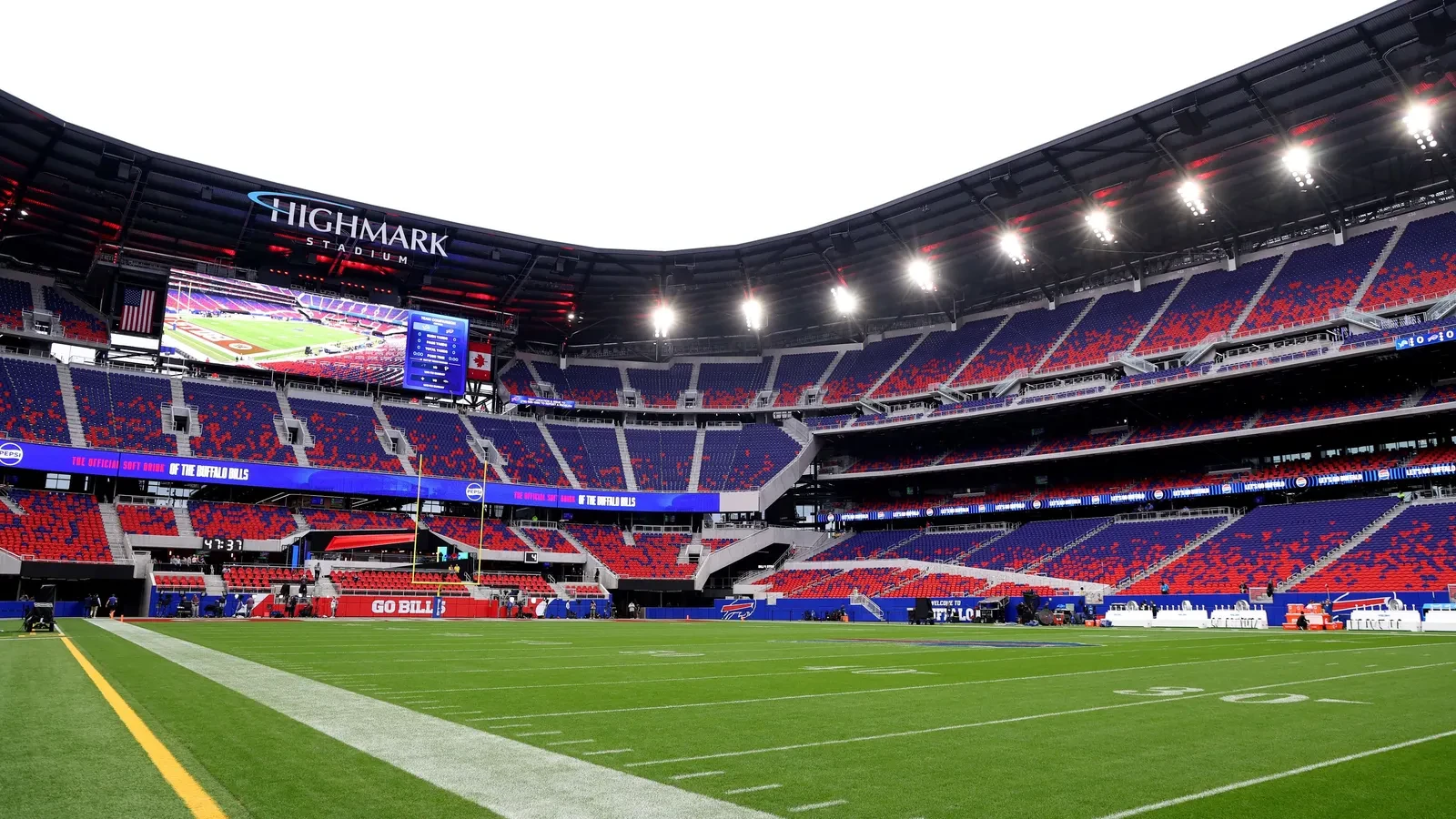
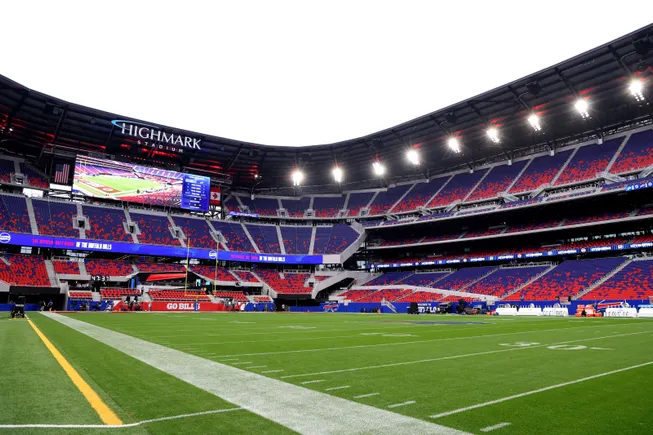
The recent completion and opening of venue milestones—such as the newly unveiled Highmark Stadium in Orchard Park, New York, which hosted its inaugural regular-season NFL game in September 2026—have only accelerated the race among other franchises to keep pace with modern standards of luxury, capacity, and operational efficiency.
Chronology: From Concept to Kickoff
The pipeline for a modern sports megaproject is a marathon that typically spans a decade from initial concept to the final whistle of opening night. Understanding the timeline of these massive undertakings illustrates the sheer complexity managed by general contractors.
Phase 1: Feasibility and Political Alignment (Years 1–3)
Long before a single shovel breaks ground, franchise owners, city planners, and construction executives engage in complex negotiations. Feasibility studies assess transportation infrastructure, environmental impacts, and regional economic viability. During this phase, early contractor involvement (ECI) is crucial. Contractors provide preliminary cost estimates, constructability reviews, and scheduling frameworks that help ownership groups secure public financing or private backing.
Phase 2: Design, Engineering, and Preconstruction (Years 3–5)
Once political and financial hurdles are cleared, architectural firms and engineering consultants collaborate closely with the chosen contractor. This phase involves extensive Building Information Modeling (BIM), material sourcing, and supply chain mapping. Given global fluctuations in the cost of steel, concrete, and specialized MEP (mechanical, electrical, and plumbing) systems, contractors lock in long-term procurement contracts during this window to mitigate inflationary risks.
Phase 3: Groundbreaking and Heavy Civil Work (Years 5–7)
The official groundbreaking marks the transition to heavy civil construction. For urban arenas, this phase involves massive excavation, deep foundation work, and intricate shoring systems. For suburban stadium builds, vast tracts of land are graded, utilities are rerouted, and foundational concrete pours set the stage for the structural steel erection.
Phase 4: Structural Framing and Exterior Enclosure (Years 7–8)
The skeleton of the stadium or arena takes shape during this period. Cranes dominate the skyline as massive steel trusses and precast concrete seating bowls are put into place. Simultaneously, exterior facade work—often featuring complex glass curtain walls, kinetic metal panels, or integrated LED media skins—begins to seal the building against the elements.
Phase 5: Interior Fit-Out, Technology Integration, and Commissioning (Years 8–9)
As the exterior is completed, the focus shifts inward. Thousands of tradespeople install luxury suites, club lounges, concession areas, locker rooms, and state-of-the-art audio-visual systems. Rigorous commissioning processes test life-safety systems, plumbing grids, and electrical networks to ensure the venue can safely accommodate tens of thousands of screaming fans.
Phase 6: Ribbon-Cutting and Handover (Year 10)
The final phase culminates in the issuance of a temporary or permanent certificate of occupancy. Contractors hand over the keys to the franchise just weeks—sometimes days—before the scheduled home opener, initiating a new era for the team and its fan base.
Supporting Data: The Economics of Modern Sports Megaprojects
To fully grasp the magnitude of these developments, one must look at the numbers driving the industry. Modern sports construction is defined by staggering capital expenditures and meticulous logistical coordination.

Estimated Cost Brackets by League
- NFL Stadiums: Typically range from $1.4 billion to over $2.3 billion. Due to their massive seating capacities (often 65,000 to 80,000+), vast footprints, and complex weather-mitigation features (such as fixed or retractable roofs), NFL venues represent the absolute pinnacle of construction cost and complexity.
- NBA/NHL Arenas: Generally fall between $900 million and $1.5 billion. While smaller in seating capacity (18,000 to 22,000), these indoor venues require dense, highly sophisticated mechanical systems, retractable seating configurations, and heavy structural engineering to support massive overhead center-hung scoreboards and rigging loads for concerts.
- MLB Ballparks: Average $1.2 billion to $1.8 billion. Modern baseball projects emphasize intimate seating bowls, sightline optimization, integrated hotels, and expansive open-air concourses that connect seamlessly with surrounding urban neighborhoods.
Material and Labor Demands
A single stadium megaproject typically requires:
- Structural Steel: Between 15,000 and 30,000 tons, requiring specialized heavy-lift crane operations.
- Concrete: Up to 100,000 cubic yards poured over the course of the foundation and superstructure phases.
- Labor Force: Peak workforce numbers often range from 1,000 to 2,500 construction workers on-site simultaneously, encompassing ironworkers, electricians, carpenters, masons, and specialized equipment operators.
Official Responses: What Industry Leaders Are Saying
As these high-profile projects progress across the country, executives from both the construction sector and sports franchise ownership groups have spoken out about the evolving nature of venue development.
Jane Doe, Senior Vice President of Sports and Entertainment Construction at a leading national general contracting firm, highlighted the shift toward multi-use functionality:
"We are no longer just building a place where people watch a game for three hours on a Sunday or a Tuesday night. We are building the town square of the 21st century. Every square foot must be optimized to deliver an immersive entertainment experience, support community events, and drive continuous economic return for our clients."
Meanwhile, sports franchise executives emphasize the collaborative nature required to bring these visions to life amidst ongoing economic headwinds. John Smith, Chief Operating Officer for a major-market NFL franchise currently undertaking a multi-million-dollar stadium renovation and surrounding district build, noted:
"The complexity of today’s construction environment demands absolute trust between the team, the architects, and the construction manager. Supply chain predictability, labor availability, and adherence to strict project schedules are paramount. The partners we’ve selected have proven time and again that they can deliver world-class venues on time and within budget."
Municipal leaders have also weighed in, stressing the importance of public-private partnerships (PPPs) in ensuring that stadium developments benefit the broader community rather than just the franchise itself. Urban planners point to mandatory inclusionary zoning, local hiring agreements, and minority- and women-owned business enterprise (MWBE) participation goals as critical components of contemporary contract awards.

Implications: What This Means for the Construction Industry and Urban Landscapes
The current stadium construction boom carries profound implications for the broader architecture, engineering, and construction (AEC) industry, as well as the urban environments in which these venues reside.
1. Technological Innovation and Prefabrication
The tight schedules mandated by sports leagues—where missing a season opener is financially catastrophic—have forced contractors to innovate. The widespread adoption of prefabrication and modular construction is a direct result of these pressures. Major structural components, modular restrooms, and pre-assembled MEP rack systems are increasingly built off-site in controlled environments, then trucked in and dropped into place. This reduces on-site congestion, improves quality control, and accelerates project timelines.
2. Sustainability and Environmental Certifications
Modern sports fans, municipal governments, and corporate sponsors increasingly demand environmentally responsible infrastructure. Contractors are tasked with achieving rigorous LEED (Leadership in Energy and Environmental Design) certifications, incorporating massive solar arrays, implementing advanced stormwater management systems, and utilizing low-carbon concrete mixes. The goal is to minimize the carbon footprint of structures that consume immense amounts of energy during game-day operations.
3. Urban Revitalization vs. Gentrification
The trend of anchoring sports venues within massive, mixed-use entertainment districts—often dubbed "Ballpark Villages" or "Sports Cities"—has transformed urban planning. These developments incorporate residential housing, hotels, retail outlets, office spaces, and public parks. While proponents argue that these districts generate thousands of permanent jobs and revitalize underutilized urban cores, critics often raise concerns about gentrification, displacement of local communities, and the heavy reliance on public subsidies.
4. Supply Chain Resilience and Economic Uncertainty
Even as the current slate of projects moves forward, general contractors remain vigilant regarding macroeconomic volatility. Lingering supply chain vulnerabilities, fluctuating material costs, and skilled labor shortages pose ongoing challenges. To counter these risks, contractors are utilizing advanced digital twin technology and real-time data analytics to track progress, anticipate bottlenecks, and optimize resource allocation across all active megaprojects.
Conclusion
As the 2026 sports seasons unfold across the nation, the physical spaces hosting the action are undergoing a generational transformation. Driven by fierce competition both on the field and in the boardroom, MLB, NBA, NFL, and NHL franchises are placing their trust—and billions of dollars—in the hands of America’s top contractors. For the construction industry, this stadium boom represents both a formidable logistical challenge and an extraordinary opportunity to showcase the pinnacle of modern engineering, design, and project management.
