

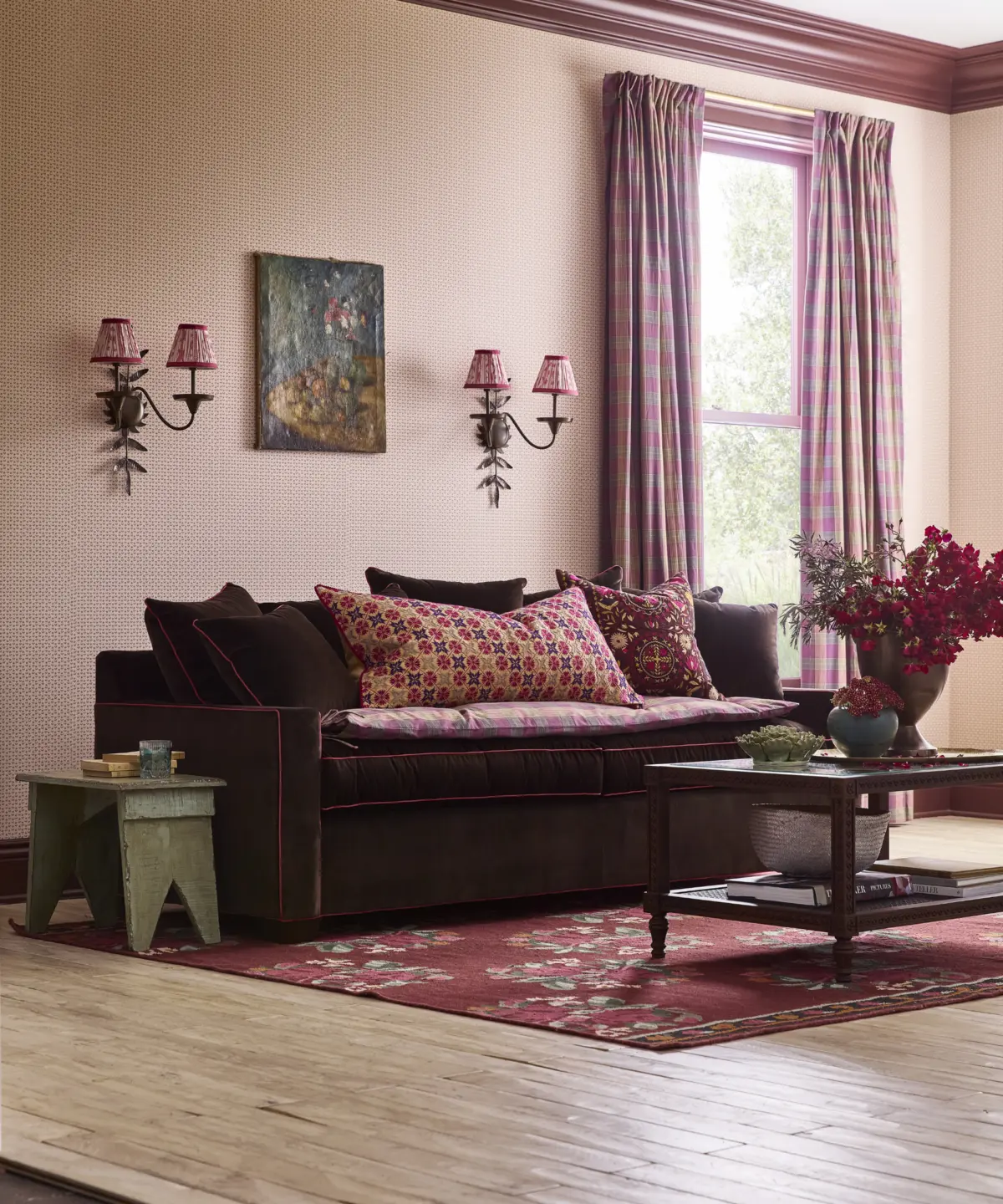
When it comes to interior styling, the most sophisticated living spaces rarely rely on a single, uniform budget. Much like a expertly tailored wardrobe—where a $40 pair of trousers can look entirely elevated beneath a $400 designer blazer—a truly curated room is built on a foundation of high-low styling. Knowing where to invest your capital and where to pull back is the ultimate secret weapon of professional interior designers.
To demystify this design equation, we consulted top interior designers across the country. Below is their definitive guide on the three living room elements worth balling out on, and the three budget-friendly areas where no one will ever know you saved.
Part I: The Main Facts — The Anatomy of High-Low Interior Architecture
At its core, interior styling is an exercise in resource allocation. Throwing an indiscriminate amount of money at a room does not guarantee good design; rather, it often results in a sterile, showroom-like environment devoid of personality.
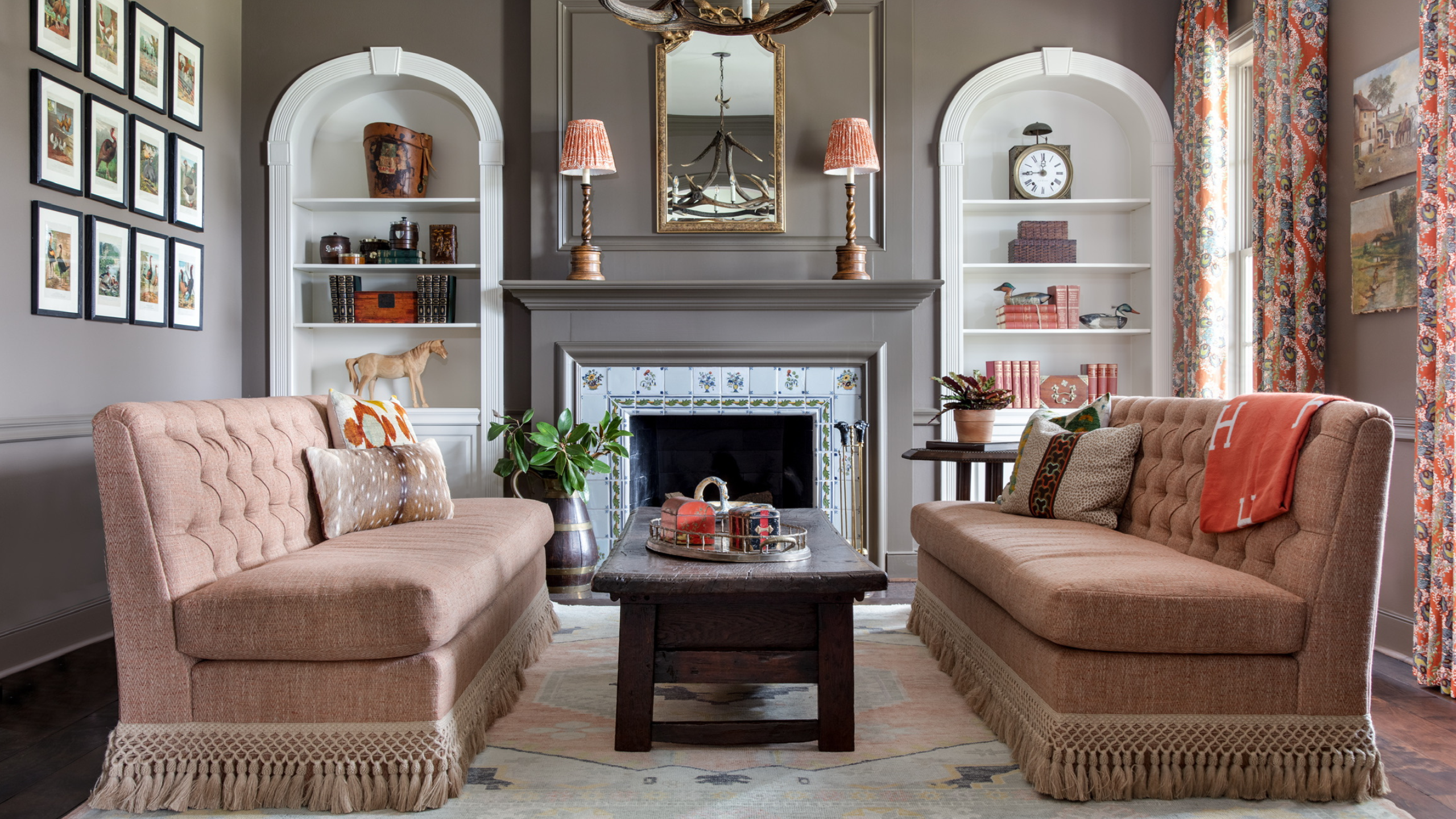
Top designers agree that the secret to a high-end aesthetic lies in focal points and high-touch utility. The items that bear physical weight, face daily wear-and-tear, or anchor the spatial geometry of a room demand top-tier craftsmanship. Conversely, items that serve primarily as decorative accents or ephemeral trend-followers offer prime real estate for cost-cutting. By establishing this balance, homeowners can achieve a layered, soulful interior without exhausting their bank accounts.
Part II: Chronology of a Room — How Designers Prioritize Capital
When interior designers approach a blank-canvas living room, they do not shop chronologically from wall paint to accessories. Instead, their purchasing timeline is dictated by durability and spatial dominance.
- The Anchoring Phase (The Splurge): First, designers secure the heavy-use, foundational pieces—namely the sofa and the primary media or entry console. These pieces dictate the traffic flow and set the qualitative tone of the space.
- The Character Phase (The Investment): Next comes character development through unique vintage or antique seating, which introduces history, narrative, and soul to the room.
- The Styling & Fleeting Phase (The Save): Finally, designers layer in mid-range or budget-friendly coffee tables, side tables, and hyper-trendy accent pieces. This phased approach ensures that the budget is spent where structural integrity matters most, leaving financial breathing room for playful experimentation.
Part III: Supporting Data & Professional Insights
To better understand how design professionals execute this strategy, we examined their specific recommendations for the living room layout.
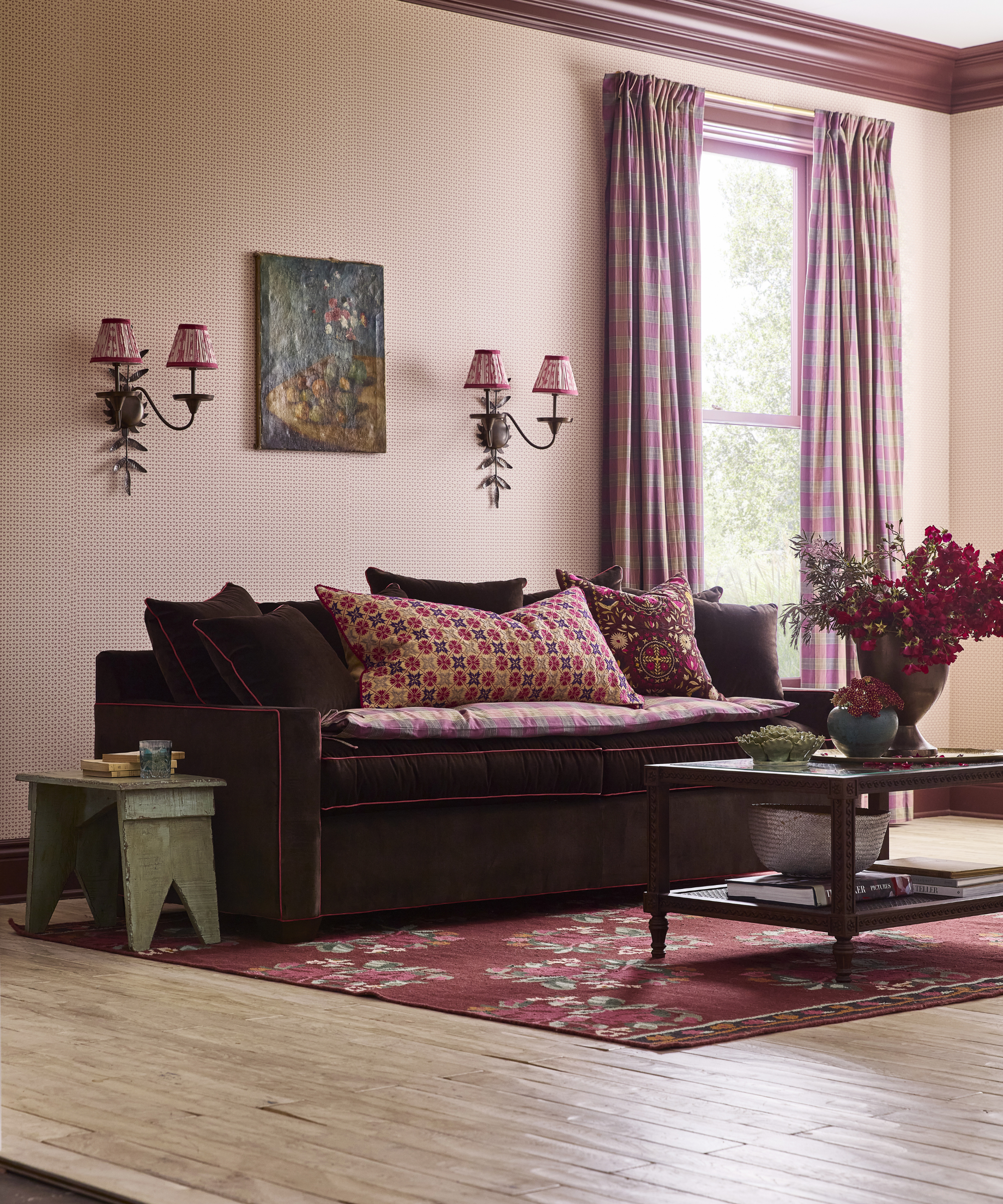
Where to Splurge
1. Sofas
“Man, I wish I didn’t buy that super-comfy leather sofa! I never use it!” said no one ever. While a four-figure price tag can cause momentary hesitation at checkout, a high-quality couch pays dividends over its lifespan.
- The Daily Impact: It is the visual anchor upon entering the room and the primary spot for relaxation after a long day.
- The Expert Take: "A great sofa is worth the money," insists Los Angeles-based designer Ryan Saghian. "I always tell clients to spend on the things they’re actually going to live with and touch every day."
Furthermore, because a sofa bears the weight of multiple bodies simultaneously, cheap internal framing fails quickly. Anna Vasiltsova, founder of Anna Design LA, notes that the sofa acts as the room’s primary star, allowing you to save elsewhere. Alex Perez-Rulfo of Hacienda Design Studios echoes this warning, noting he has processed enough furniture claims to know that cheap upholstery and frames fail first.
2. Consoles and Media Units
Rivaling the sofa in physical scale, a console commands significant visual real estate. Whether utilized as a media unit beneath a television or floating behind a sofa to define an open-plan layout, it is heavily utilized.
- The Functional Need: Units with drawers or cabinets house everyday clutter, meaning hardware and drawer tracks face constant friction.
- The Expert Take: "I’d put money into a console that gets heavy daily use, since real wood and true joinery hold up," says Michelle Squire of Studio SQUIRE. A poorly built frame warps and splinters quickly under daily stress, whereas solid construction ensures longevity.
3. Vintage and Antique Accent Chairs
Even the most expensive brand-new accent chair can lack originality if it is mass-produced. To inject nuance and history into a space, designers recommend investing in one-of-a-kind vintage pieces.
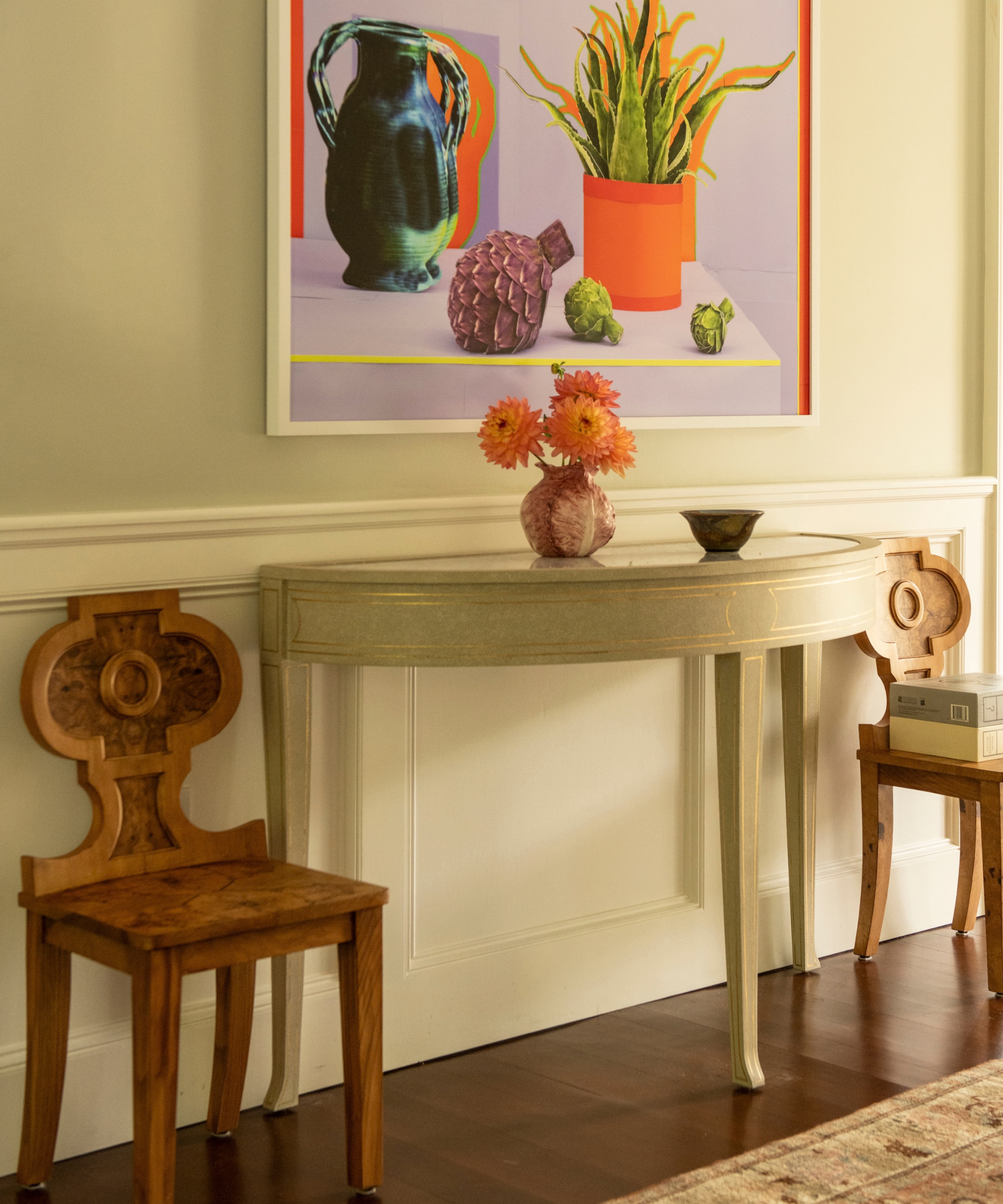
- The Narrative Value: "I’ll always make room in a budget for art or one incredible vintage piece because those are the things that give a room a soul," muses Ryan Saghian. Tabitha Organ, founder of London-based Tabitha Isobel, agrees, frequently incorporating design classics like a William Plunkett armchair into her projects.
- Sourcing: Designers recommend vetting pieces in person at local flea markets, or utilizing reputable online digital marketplaces such as 1stDibs, Chairish, and Etsy.
Where to Save
1. Side Tables
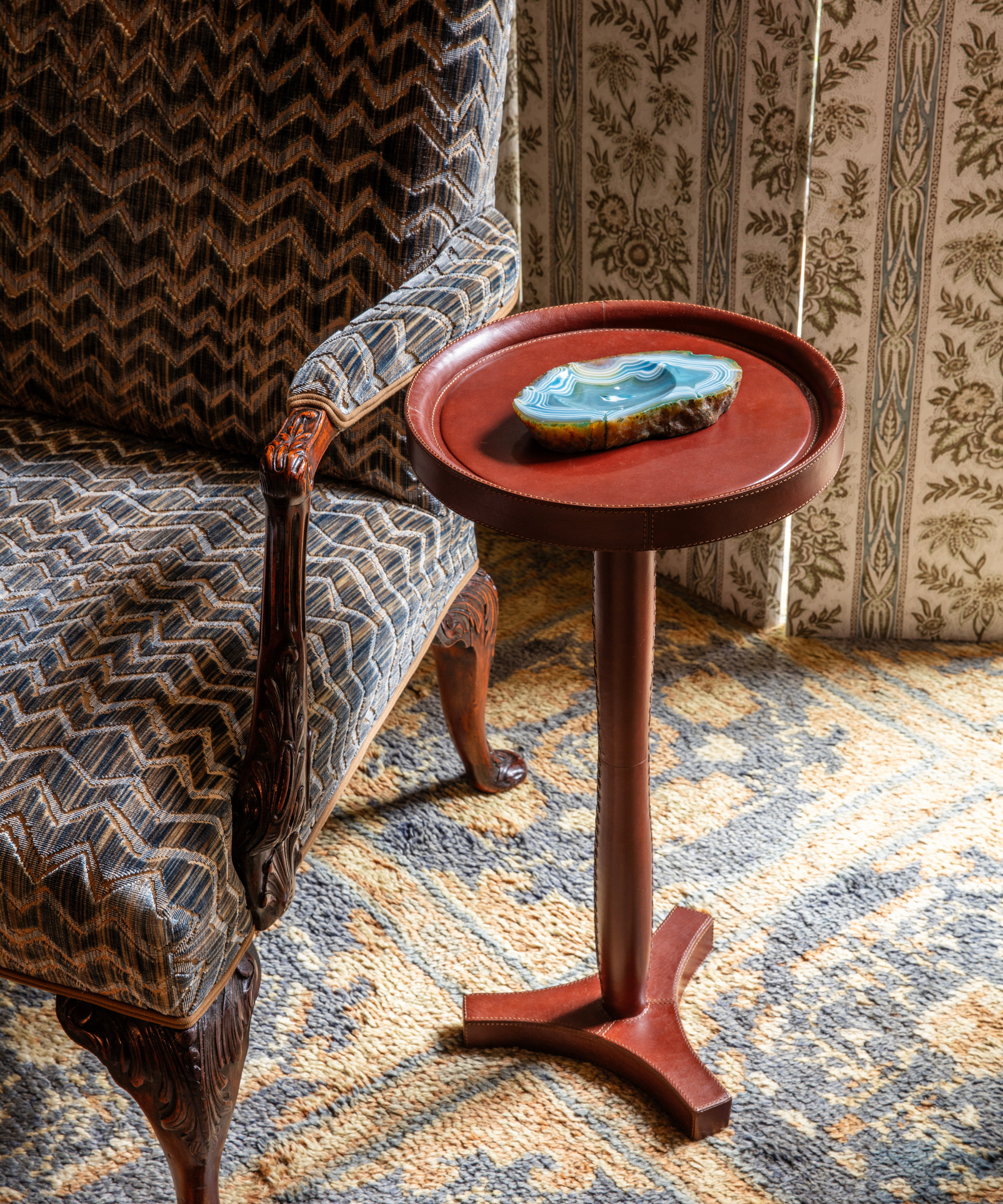
Do not be swayed by a $1,000-plus accent table. Unlike a nightstand, a living room side table rarely features heavy storage; given the current "tiny table" trend, many can barely support more than a single cocktail.
- The Styling Flexibility: "Where we save is on accent tables, which are easy and inexpensive to refresh as the room evolves," notes Michelle Squire. Treat the side table like costume jewelry for an outfit—have fun, experiment with color and texture, and don’t make a long-term financial commitment. Charleston-based designer Jacqueline Wens notes that this approach eliminates the pressure of permanence.
2. Coffee Tables
While the coffee table sits squarely in the center of the room, it does not bear the weight of a human body. Stacking a few art books and a candle puts minimal structural stress on the piece, shifting the purchasing criteria from heavy-duty engineering to pure aesthetics.
- The Mid-Range Market: Eric Winnick, founder of E Lawrence Design, points out that the mid-range market offers an abundance of gorgeous options—such as those from Crate & Barrel, Arhaus, and Anthropologie Home. Second-hand solid wood or marble-topped coffee tables from local charity shops also provide high-end looks on a budget.
3. Trendy Accents and Fast-Moving Decor
Quirky ottomans, sculptural chrome stands, and hyper-specific viral trends are fun to incorporate, but they rarely stand the test of time.
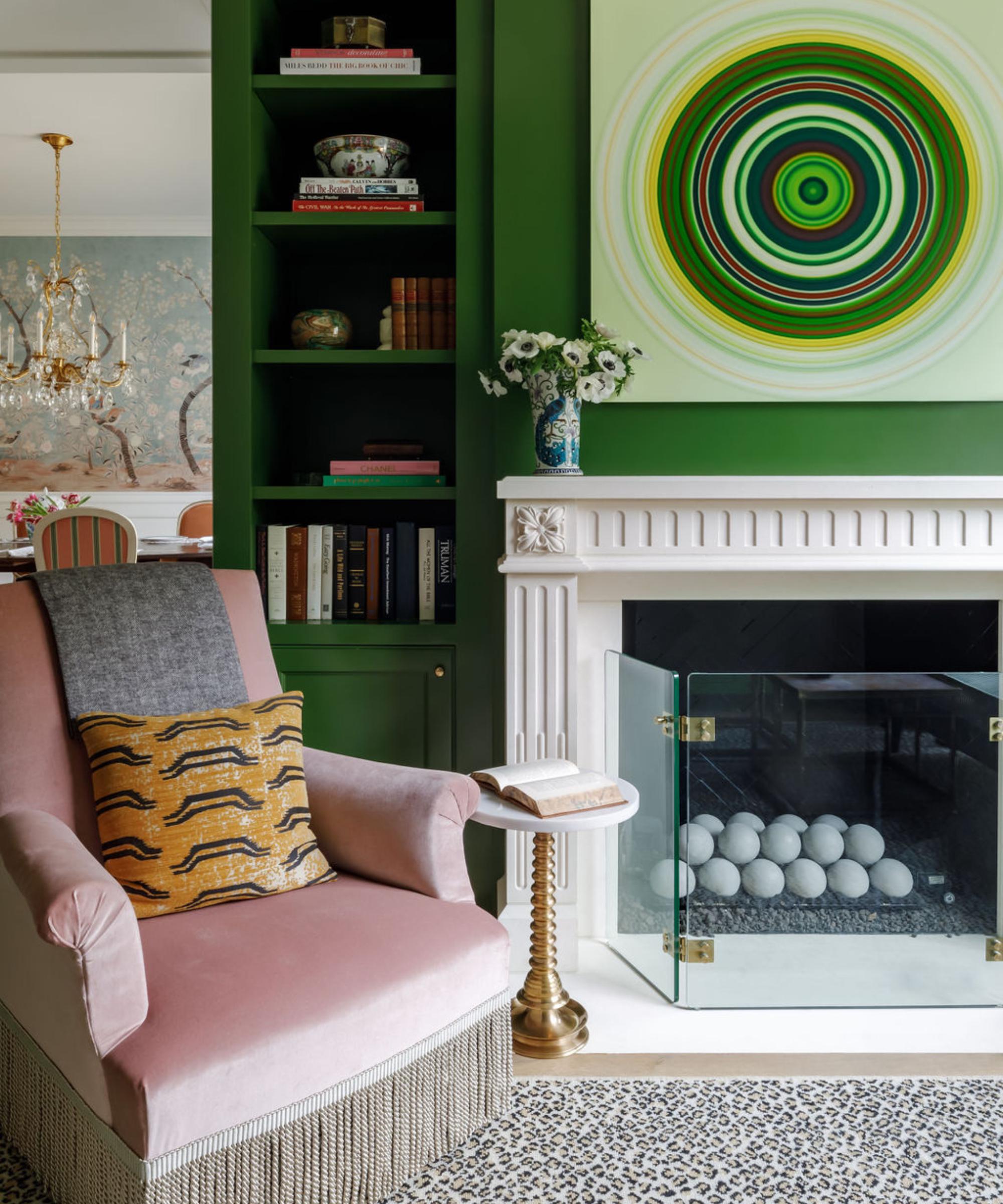
- The Low-Stakes Approach: Rudy Arevalo of Mackenzie Collier Interiors advises that of-the-moment accents are the ideal place to bypass high-end craftsmanship. Since homeowners frequently tire of micro-trends within a year, discount retailers like HomeGoods or trend-focused brands like Urban Outfitters allow you to embrace the look without buyer’s remorse.
Part IV: Official Designer Perspectives
The overarching consensus among industry leaders is clear: design snobbery is out; layered, intelligent budgeting is in.
"People are always surprised by how much I love getting a deal. I’ve never believed that good design means everything has to be expensive. I’ll spend where quality, comfort, or craftsmanship actually matters, and then I have fun everywhere else," notes Ryan Saghian.
Jacqueline Wens reinforces this philosophy, highlighting that high-end antiques and accessible big-box finds can comfortably coexist. When styled thoughtfully, budget-friendly accent pieces can actually make high-end investment furniture pop by providing a playful visual contrast.
Part V: Implications for Homeowners and the Future of Decor
The high-low design philosophy carries significant implications for modern interior consumers. By shifting away from rigid, single-source catalog shopping, homeowners can cultivate spaces that feel deeply personal, adaptable, and financially sustainable.
- Sustainability Through Longevity: Spending heavily on foundational pieces like solid-wood consoles and durable, well-upholstered sofas minimizes waste. These items remain functional and stylish across decades, reducing the cycle of fast-furniture landfill waste.
- Design Agility: Saving on coffee tables, side tables, and trendy decor allows homeowners to pivot their interior aesthetic as lifestyle needs or seasonal trends shift.
- Democratization of Style: As mid-market and vintage digital platforms expand, achieving a high-end designer look is increasingly accessible. Ultimately, the future of home decor is not about how much money you spend, but where you choose to invest it.
