

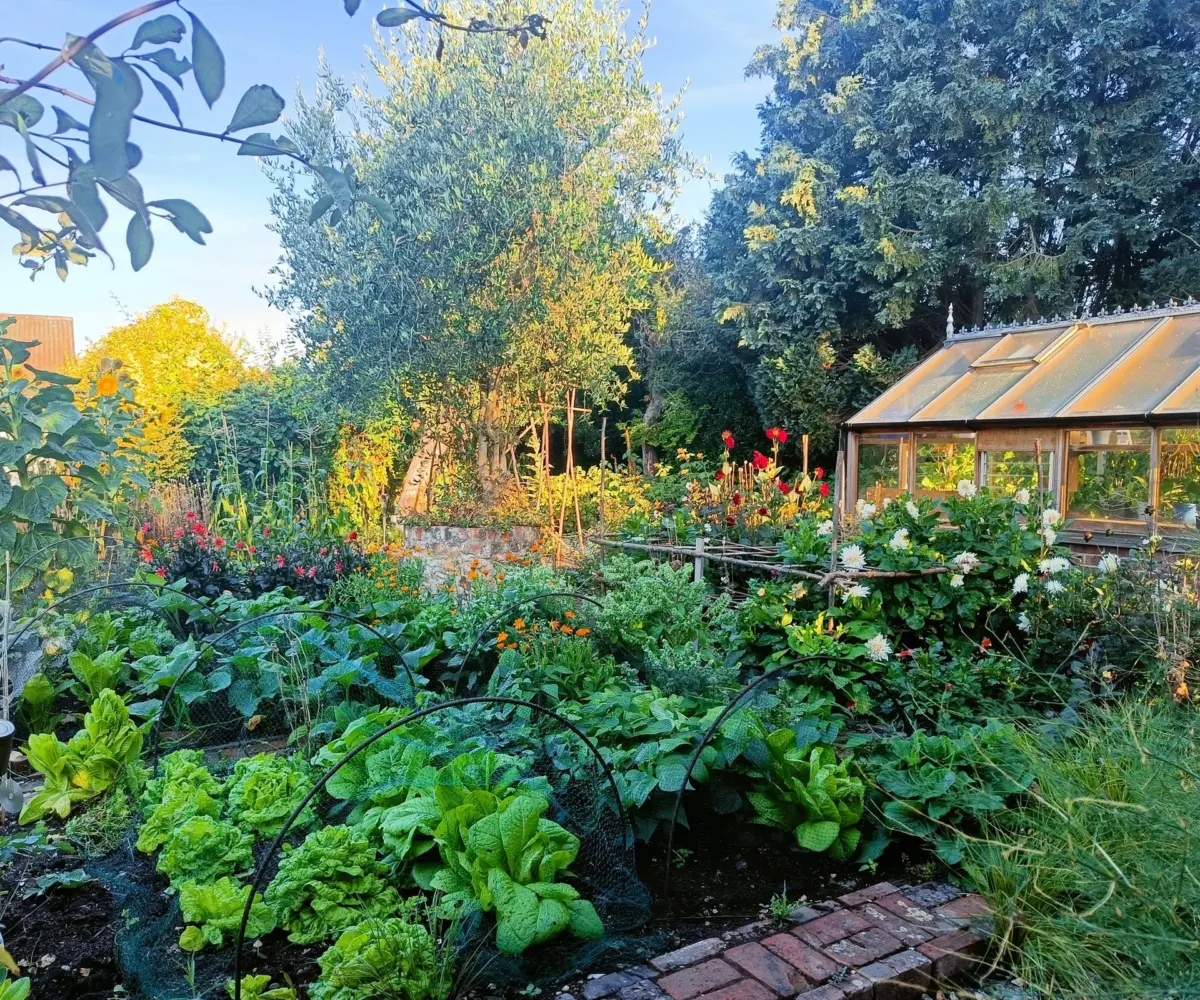
As the crisp air of autumn settles in and the vibrant foliage of September gives way to the starker landscapes of late fall, many gardeners are tempted to hang up their trowels, put the garden to bed, and wait out the winter months. However, experienced horticulturists know that October is not a time to abandon the soil; rather, it marks a crucial seasonal transition. With the right selection of cold-hardy crops and a strategic approach to microclimates, gardeners can successfully sow a variety of vegetables to secure a rapid autumn harvest or overwinter crops for a bountiful spring yield.
Drawing from nearly two decades of professional horticultural experience managing commercial and private kitchen gardens, year-round cultivation is entirely achievable. While traditional gardening wisdom often limits cool-weather planting strictly to late winter or early spring, modern techniques—such as utilizing greenhouses, low tunnels, hoop houses, and protective row covers—allow growers to push the boundaries of seasonal planting, making October an exceptionally rewarding month for the dedicated gardener.
Main Facts: The October Planting Window
The central premise of October gardening hinges on duality: selecting either ultra-fast-maturing crops that can cross the finish line before heavy freezes arrive, or exceptionally hardy varieties designed to lie dormant and overwinter safely until the warmth of spring awakens them.
Success during this transitional month depends heavily on two primary environmental factors:
- USDA Hardiness Zones: The geographic hardiness zone dictates baseline winter lows, establishing whether plants can survive unprotected in the open ground.
- Garden Topography: Localized geography—such as low-lying "frost pockets" where cold air naturally pools—can create microclimates significantly colder than regional averages.
To mitigate these challenges, protective infrastructure plays an indispensable role. Utilizing frames, floating row covers, and unheated greenhouses provides a vital buffer against freezing winds and sudden overnight temperature drops. By choosing the right varieties and offering modest protection, gardeners can cultivate a thriving plot well into the colder months.
Chronology of Fall Gardening: From Soil Preparation to Spring Harvest
Transitioning the garden from summer abundance to winter resilience requires a disciplined, step-by-step timeline.
Phase 1: Early-to-Mid October (Site Preparation and Gear Up)
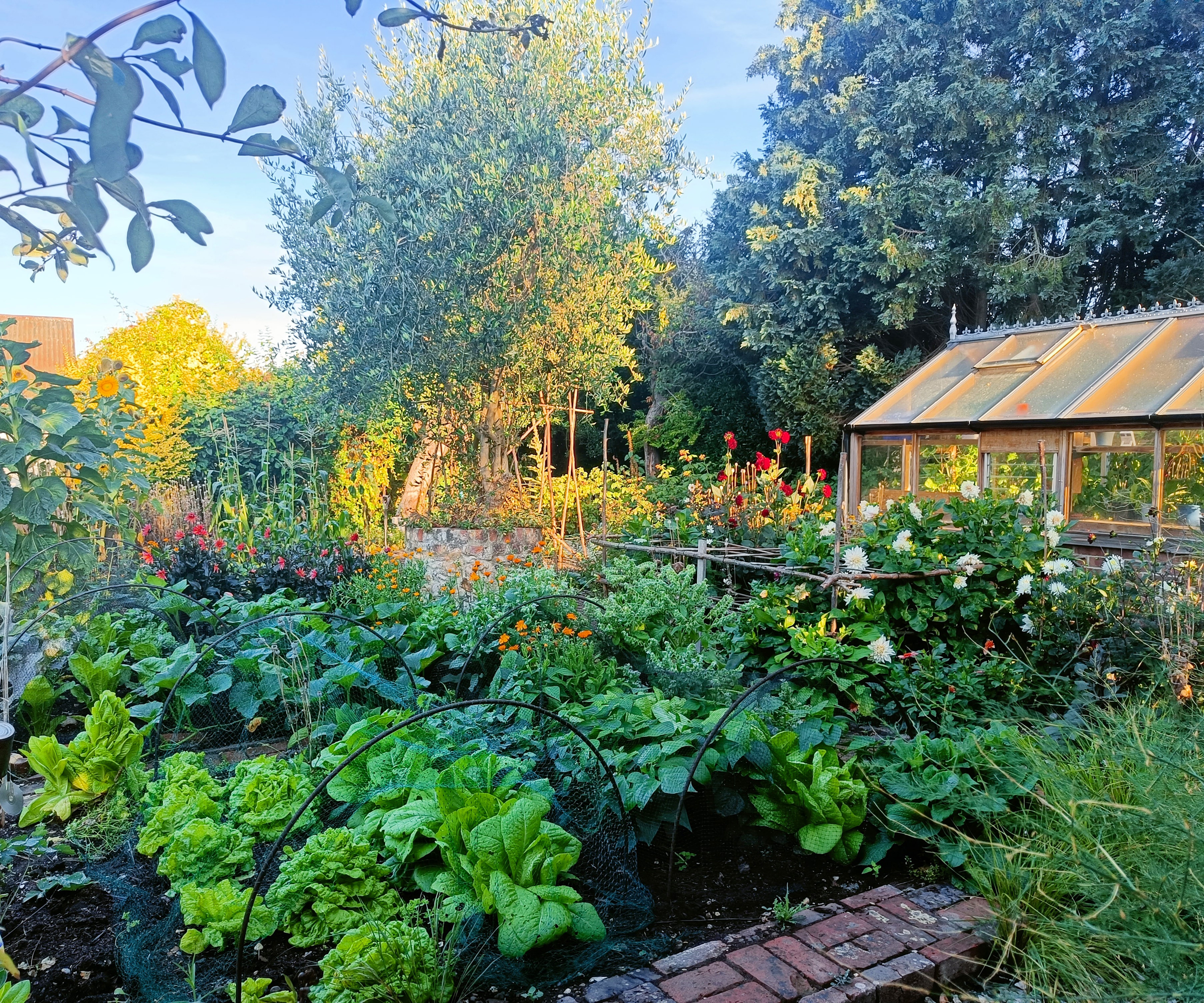
Before dropping a single seed into the soil, preparation is paramount. Fall gardening operates at a delightfully slower, more reflective pace than the frantic rush of spring, allowing gardeners to appreciate the soft autumnal light and rich seasonal colors. This is the ideal time to invest in durable gear—such as water-resistant leather work gloves—and clear out spent summer crops. Soil must be cleared of debris, amended with organic matter, and tested to ensure optimal drainage, as waterlogged winter soil is the primary enemy of fall-sown seeds.
Phase 2: Mid-October (Sowing Hardy Crops)
This is the optimal window for planting structural and root crops that require a head start. Shallots, overwintering onions, and specific round-seeded pea varieties should be put into the ground now. Sowing them in mid-October allows the root systems to establish thoroughly while the soil still retains some residual summer warmth, ensuring the plants are robust enough to withstand freezing temperatures.
Phase 3: Late October (Leafy Greens and Quick-Crop Planting)
Fast-maturing greens like arugula (rocket), spinach, and bunching onions are planted during the final weeks of October. Because these crops germinate rapidly in cooler air, they provide either a fresh harvest before the hard freeze or form tight rosettes that successfully overwinter under protective fleece and low tunnels.
Phase 4: November and Beyond (Winter Maintenance and Overwintering)
As frost sets in, vigilance shifts to protection. Applying organic mulches, deploying horticultural fleece against opportunistic birds and severe cold snaps, and monitoring moisture levels inside cold frames ensure that the dormant crops survive the depths of winter, ready to burst into vigorous growth by early spring.
Supporting Data & Crop Breakdown: What to Plant in October
Selecting the right vegetable varieties is essential for successful October sowing. Horticultural data and regional planting trials highlight five standout crops that excel when planted during this window:
1. Shallots (Allium cepa Aggregatum Group)
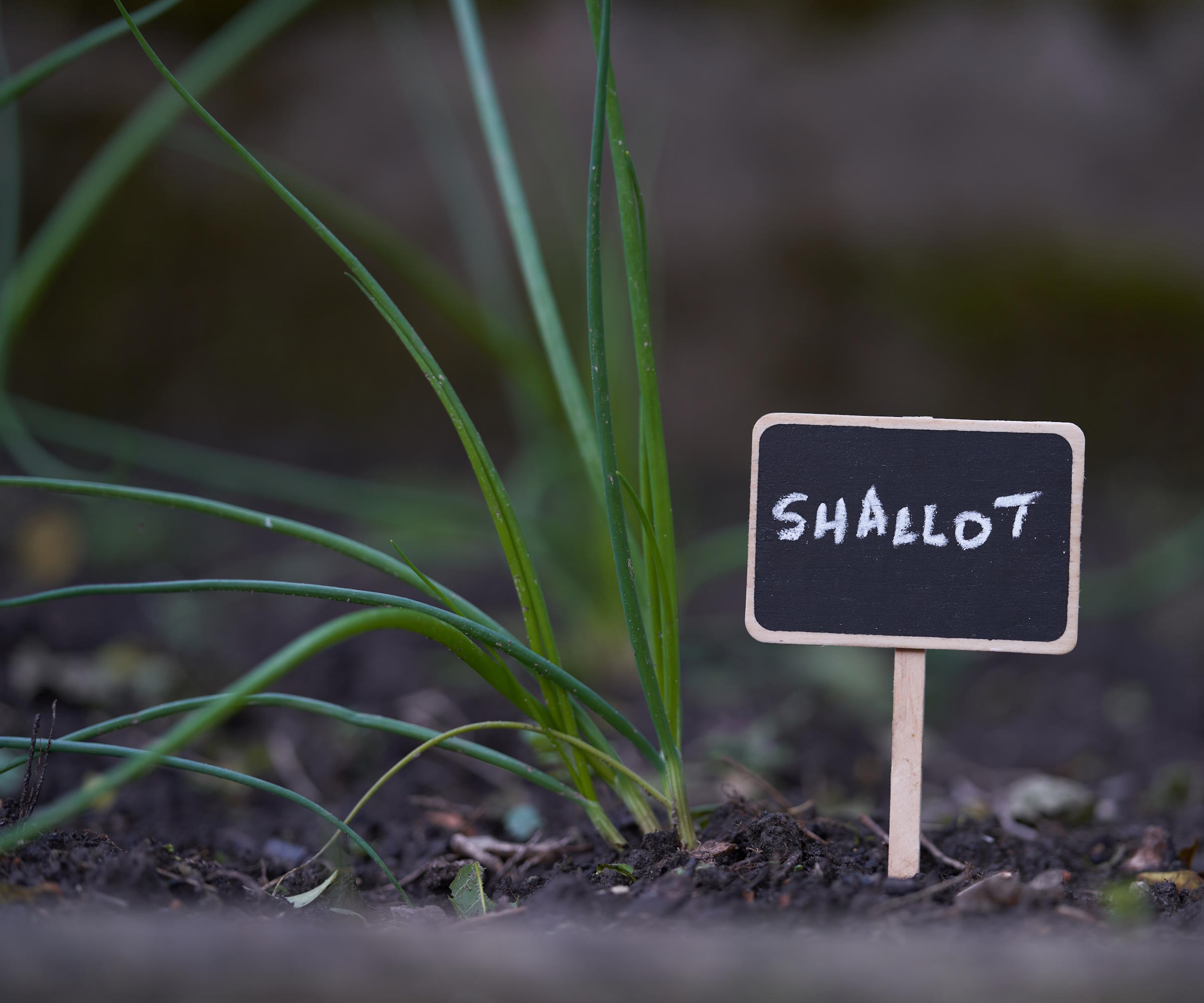
Renowned for their milder, sweeter flavor profile compared to standard onions, shallots grow in tight, manageable clusters. While often planted in spring, establishing shallot sets directly in the ground during October offers a significant advantage, leading to an early summer harvest the following year.
- Climate Considerations: In USDA zones 7 and above, fall-planted shallots easily overwinter outdoors. In zone 6 and below, a protective layer of straw mulch or horticultural fleece is mandatory to prevent freeze-thaw heaving.
- Cultivation Tips: Shallots demand full sun and exceptionally fertile, free-draining soil. Gardeners must protect newly planted sets from birds, which frequently pull up young shoots, using secure netting or fleece.
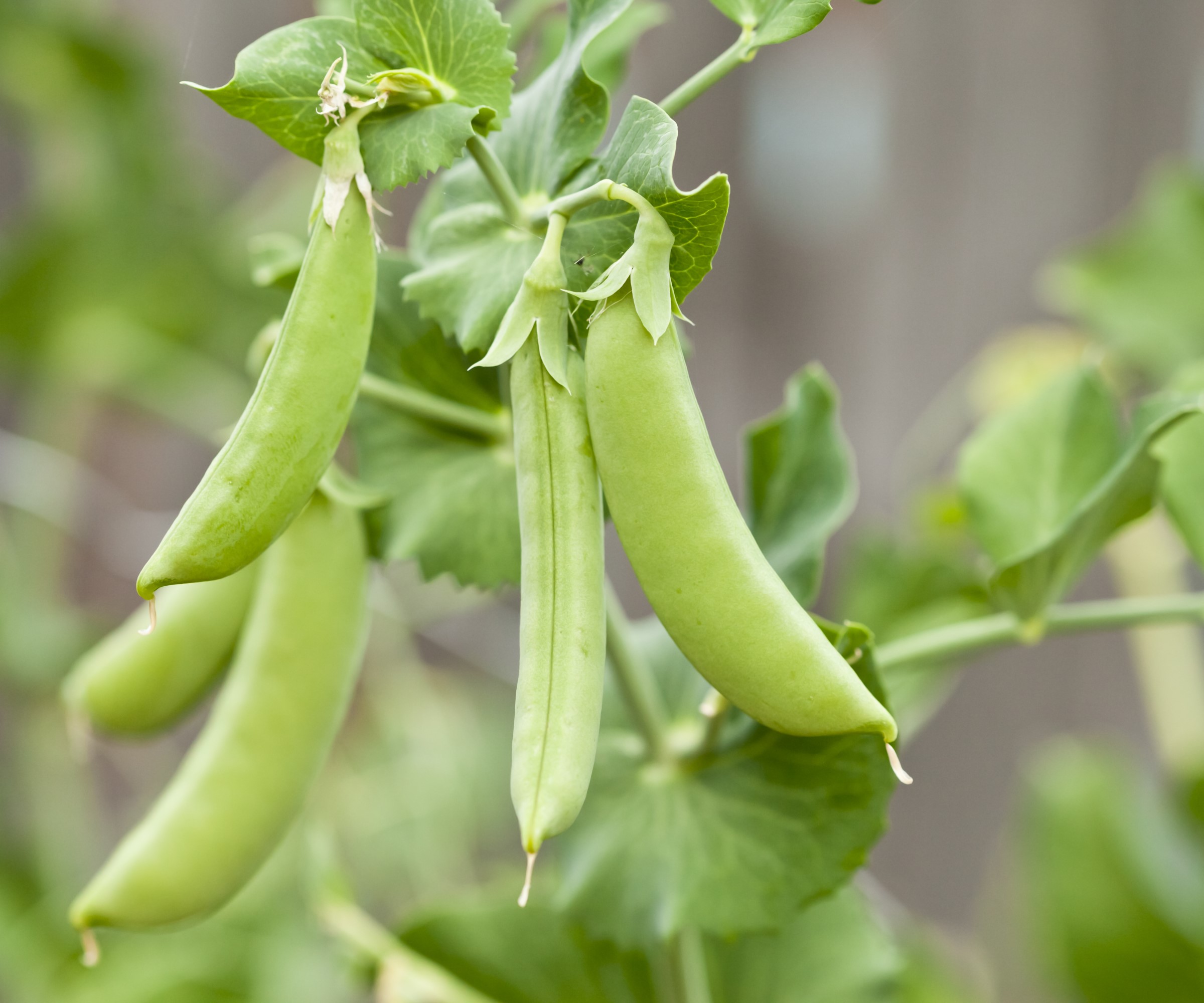
2. Peas (Pisum sativum)
Though widely recognized as a spring staple, peas naturally thrive in cooler weather. Planting hardier varieties in October secures a remarkably early harvest the following spring.
- Climate Considerations: For outdoor overwintering in USDA zones 8b and above, round-seeded varieties like ‘Douce Provence’, ‘Meteor’, or ‘Oregon Sugar Pod II’ are strongly recommended because they are less prone to absorbing excess moisture and rotting. Colder regions require cold frames or heavy row covers.
- Cultivation Tips: Well-draining soil is non-negotiable. Sitting in cold, waterlogged winter soil will quickly destroy pea seeds before germination can occur.
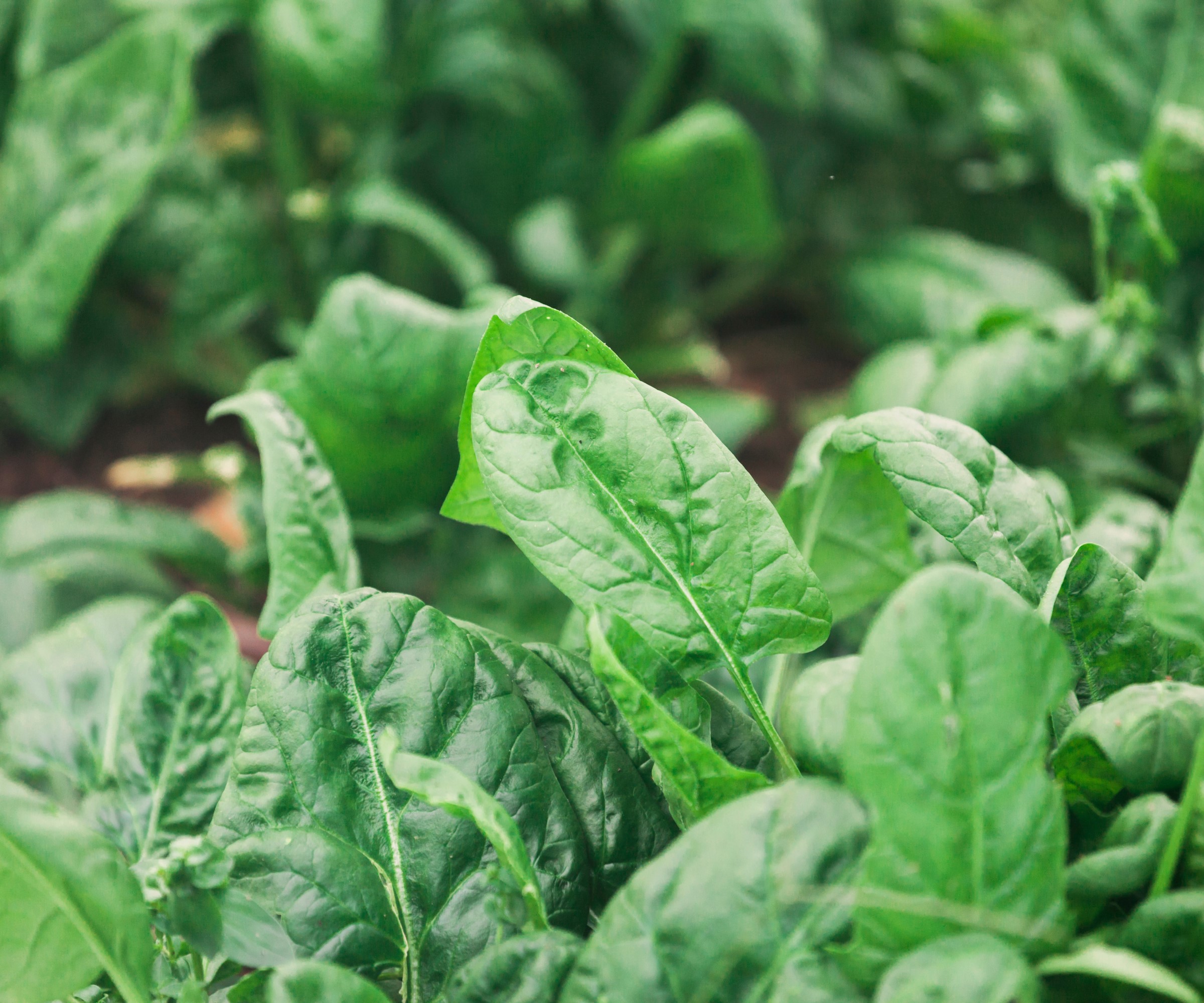
3. Spinach (Spinacia oleracea)
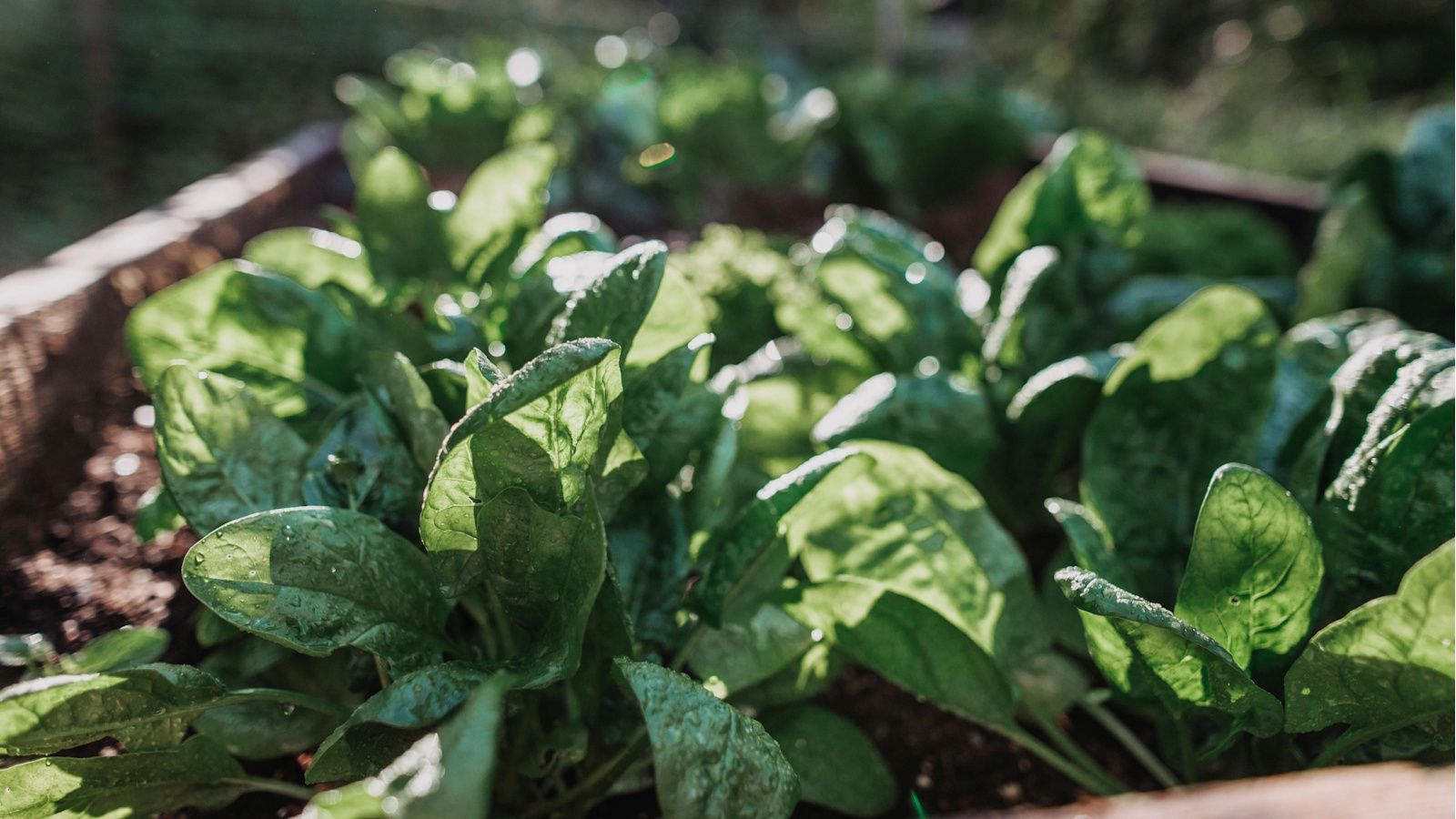
Packed with vital iron, vitamins, and minerals, spinach is an exceptional leafy green for cool-season cultivation. It performs admirably in traditional garden beds, raised beds, and outdoor containers.
- Climate Considerations: Cold-hardy cultivars such as ‘Winter Giant’ tolerate aggressive drops in temperature. In zones 8b and above, spinach overwinters with minimal intervention; zones 8a and cooler require low tunnels, double-glazed cold frames, or heavy fleece.
- Cultivation Tips: Sow seeds roughly 3 inches apart and half an inch deep about six weeks before the anticipated first hard frost. Once germination occurs, thin the seedlings to maintain a 6-to-8-inch spacing.
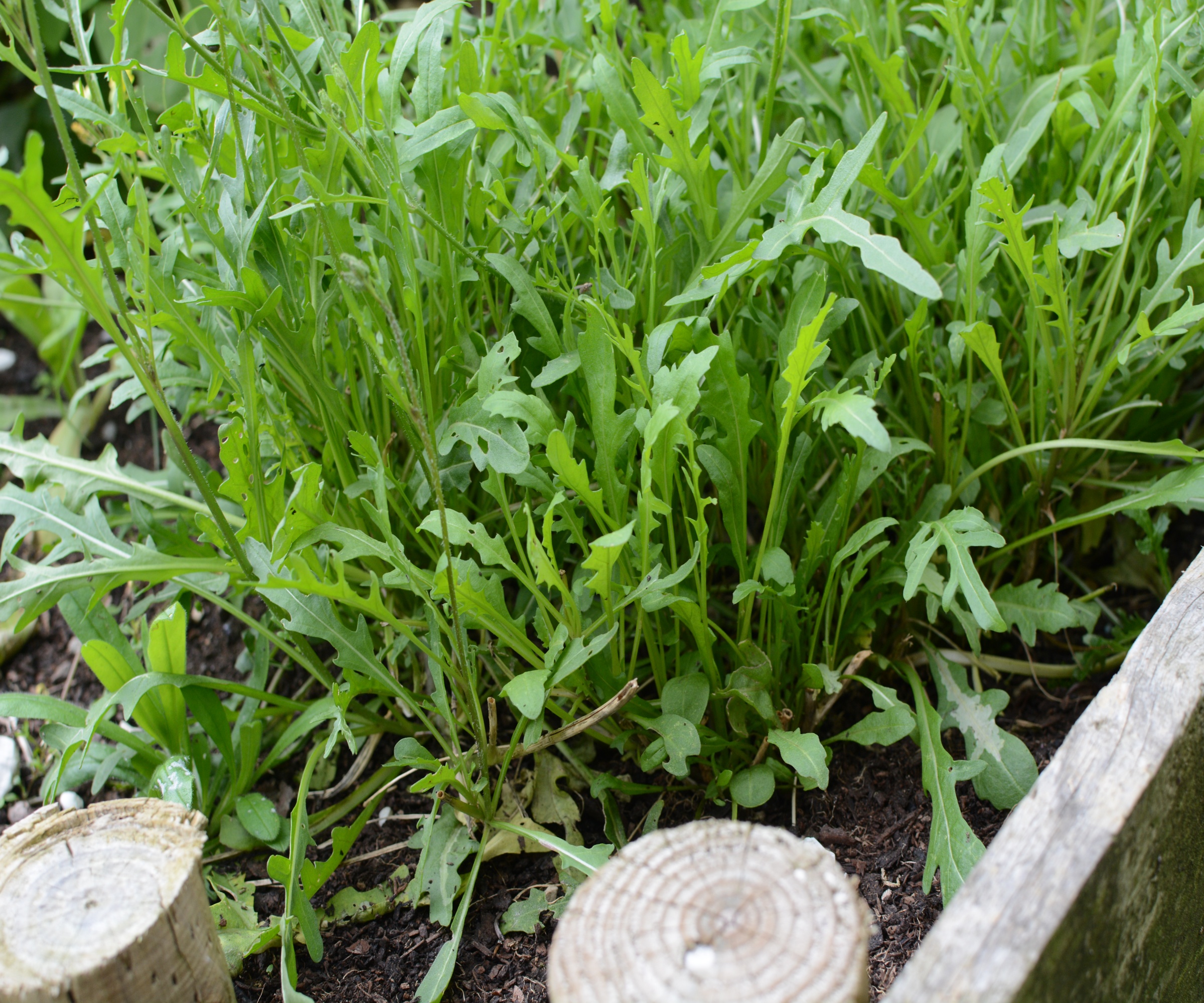
4. Arugula / Rocket (Eruca vesicaria subsp. sativa)
For instant gratification in the garden, arugula stands out as one of the fastest and easiest crops to cultivate. Known for its distinct, peppery bite, it can be harvested as tender young baby leaves within four weeks of sowing.
- Climate Considerations: Arugula actively detests the sweltering heat of midsummer, which causes plants to prematurely bolt and turn bitter. It thrives in the crisp air of autumn. In hardiness zones 8b and warmer, it overwinters reliably. In colder areas, protection via floating row covers is necessary.
- Cultivation Tips: Seeds typically germinate within five to seven days under optimal fall conditions, providing a rapid addition to seasonal salads.
5. Bunching Onions (Allium fistulosum)
Also known as scallions or green onions, these clump-forming perennials produce slender, flavorful white stalks devoid of traditional bulbs. They serve as a versatile addition to soups, stir-fries, and autumn salads.
- Climate Considerations: While typically grown as annuals, fall-planted bunching onions can survive year-round in milder climates. Selecting cold-hardy strains like ‘Evergreen Long White’ ensures maximum resilience against plunging temperatures.
- Cultivation Tips: Plant seeds one-quarter to one-half inch deep in full sun with high-drainage soil, either directly in open beds or started indoors in cell trays for later transplantation.
Expert Horticultural Insights & Official Recommendations
Professional horticulturists and agricultural extension services widely endorse fall sowing not only for vegetables, but also for ornamental cut flowers. October serves as the premier month to plant sweet peas (Lathyrus odoratus). Sowing sweet peas in the autumn gives the plants an invaluable head start, encouraging deep root systems to establish before winter dormancy sets in. This early root development translates directly into significantly stronger plants, earlier flowering, and far more abundant, heavily scented blooms when spring returns.
Furthermore, industry experts emphasize the economic and ecological benefits of extending the growing season. By utilizing simple, accessible tools—such as floating row covers from home improvement centers and specialized winter-giant seeds—home gardeners can drastically reduce their reliance on store-bought produce while maintaining an active, hands-on connection to their land throughout the entire calendar year.
Implications for the Home Gardener
Embracing October as an active planting month fundamentally shifts the traditional perspective of seasonal gardening. Rather than viewing the garden as a seasonal hobby with a hard stop in September, gardeners who plant in autumn unlock a continuous, year-round cycle of production and reflection.
The broader implications of fall sowing include:
- Maximized Land Efficiency: Keeping beds occupied with cover crops and cool-season greens prevents winter weed infestation and preserves soil structure against heavy autumn rains.
- Early Spring Advantage: Harvesting fresh greens, spring onions, and early peas weeks ahead of neighbors who wait for a traditional spring start provides a deeply satisfying reward for minimal autumn effort.
- Therapeutic Engagement: Tending the soil during the quieter autumn months offers significant mental health and wellness benefits, grounding the gardener in natural seasonal rhythms while preparing the landscape for the vibrant rebirth of spring.
