

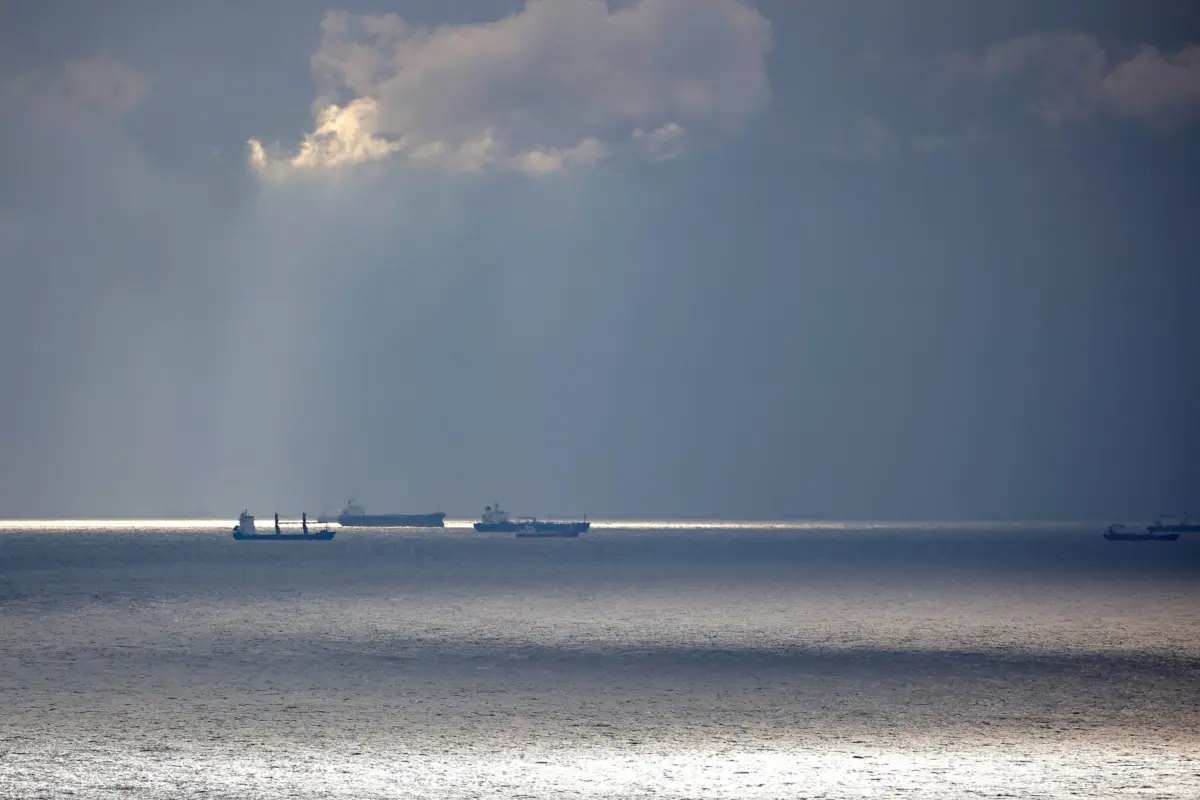
BLACK SEA — A sharp and alarming escalation of military strikes targeting commercial shipping off the western coast of the Black Sea has plunged regional maritime trade into a profound crisis. The recent surge in air and naval drone attacks is severely disrupting already-choked trade routes, threatening international food security, and driving up insurance and freight costs to unprecedented levels.
The intensification of hostilities in what was once a relatively stable maritime corridor for agricultural exports has drawn sharp rebukes from international leaders, alarmed NATO members, and sent shockwaves through global commodity markets. With civilian vessels and innocent crews caught directly in the crossfire, the geopolitical fallout of the conflict is increasingly bleeding into open international waters, raising the specter of a broader economic and humanitarian crisis.
Main Facts
The latest wave of violence underscores the precarious nature of maritime logistics in the Black Sea, a critical artery for the global export of wheat, corn, and other vital agricultural commodities.
- Direct Targeting of Civilian Vessels: Commercial ships are increasingly bearing the brunt of drone warfare. Multiple vessels have been struck by air and naval drones in recent days, resulting in fatalities, injuries, and lost ships.
- Geographic Expansion of Risk: While strikes were previously concentrated near immediate combat zones or Ukrainian ports, recent incidents in the exclusive economic zones (EEZs) of NATO member states Bulgaria and Romania demonstrate that the high-risk zone is rapidly expanding westward.
- Human and Material Toll: Lives have been lost at sea. Cargo ships carrying crucial foodstuffs such as wheat, corn, and rapeseed oil have been severely damaged, caught fire, or sunk entirely.
- Global Market Implications: The attacks threaten to choke off trade flows from Russia and Ukraine—two of the world’s largest agricultural exporters. This disruption risks driving up global grain prices and exacerbating transportation inflation, which is already under severe pressure from concurrent conflicts, including ongoing tensions in the Middle East.
Chronology of Recent Escalations
The past 48 hours have marked one of the most volatile periods for western Black Sea navigation since the onset of the broader regional conflict.
Monday: The Sinking of a Turkish-Owned Corn Carrier
The crisis metastasized dramatically at the start of the week when a Turkish-owned cargo vessel, operating within Romania’s exclusive economic zone, was struck by two drones. The ship, which was transporting a cargo of corn, caught fire and ultimately sank.
According to Ukrainian President Volodymyr Zelenskyy, the vessel was targeted by Russian drones. The attack resulted in the tragic deaths of at least two crew members. Fortunately, swift action by a passing Bulgarian ferry averted a larger loss of life, successfully rescuing 18 surviving crew members from the stricken Palau-flagged vessel, which Prime Minister Rumen Radev noted was carrying wheat.
Tuesday: Overnight Strikes in Bulgarian and Ukrainian Waters
The violence continued unabated overnight, culminating in multiple strikes across the western Black Sea:
- Bulgarian EEZ Incidents: Two general cargo ships were struck by air and naval drones within Bulgaria’s exclusive economic zone. One of these vessels sank, triggering an ongoing search-and-rescue operation for its missing crew, with no immediate information available regarding their status or exact cargo. Meanwhile, Bulgarian authorities reported monitoring a separate, unmanned ship that had been struck and severely damaged back in August, which continues to drift off the coast.
- Odesa Region Strike: Further north, a commercial vessel heavily laden with rapeseed oil was struck by a Russian drone in the Odesa region. According to Oleh Kiper, the regional governor, the strike resulted in the death of one crew member and significant material damage.
Official Responses and Diplomatic Fallout
The expansion of hostilities into the exclusive economic zones of European Union and NATO member states has triggered an immediate and forceful diplomatic response.
European Commission President Ursula von der Leyen took to social media to condemn the attacks in unequivocal terms. "Commercial ships — and innocent crews — are being targeted, with lives already lost at sea," von der Leyen wrote in a post on X, emphasizing the unacceptability of targeting non-combatant maritime traffic.
In Sofia, Bulgarian Prime Minister Rumen Radev addressed reporters, labeling the overnight attacks as "absolutely unacceptable" and a direct violation of international law and established maritime practice. Radev noted that the strikes severely hamper shipping, drive insurance premiums to prohibitive levels, and render maritime operations in the region exceptionally perilous.
Initially, Radev noted that the exact origin of the drones involved in the Bulgarian EEZ strikes was still under official investigation, describing them as "either Ukrainian or Russian," and confirmed that he had formally briefed European leaders and NATO allies regarding the security breach.
Adding to the regional headache, Bulgarian authorities are maintaining a watchful eye on a derelict, crewless ship drifting in their waters, prepared to take direct action should it pose an imminent hazard to navigation or coastal infrastructure.
Supporting Data and Market Impact
The physical destruction of vessels is only part of the crisis; the ripple effects across global supply chains and maritime economics are profound.
The Shrinking Safety Margin
For months following the initial outbreak of hostilities, ports along the Romanian and Bulgarian coasts—most notably Constanta, Varna, and Burgas—served as crucial alternative hubs. Traders and shipping companies relied on these western Black Sea ports to bypass heavily blockaded or mined routes further east and north.
However, recent events have shattered this sense of relative security. Madeleine Overgaard, senior manager for agriculture data at supply chain analytics firm Kpler, highlighted the changing risk calculus for the shipping industry.
"Both vessels hit in the overnight attack were sailing to or from Ukrainian ports. While there’s no clear evidence of a direct, intentional threat to ships using the major Bulgarian and Romanian ports exclusively, the attacks widen the high-risk area," Overgaard explained. "Ships may now face greater risks as soon as they enter the Black Sea, rather than only when approaching Ukrainian ports."
Soaring Insurance and Freight Costs
The immediate economic consequence of an expanded conflict zone is the rapid escalation of operational overheads for shipping companies. Marine war risk insurance premiums—already elevated due to geopolitical tensions—are projected to spike further.
When combined with existing maritime bottlenecks and threats to global logistics corridors stemming from the Iran war and other regional flashpoints, these rising insurance rates threaten to price smaller operators out of the market entirely. Consequently, the cost of moving commodities from farm to fork will inevitably rise, casting a long shadow over global food price stability.
Implications for Global Trade and Food Security
The weaponization of the western Black Sea carries grave implications that extend far beyond the immediate coastline, threatening the delicate architecture of global food security.
- Vulnerability of Developing Nations: Russia and Ukraine supply a massive share of the world’s staple grains. Any sustained impediment to their export capacity directly threatens food supplies in import-dependent nations across the Middle East, North Africa, and parts of Asia, raising the specter of food inflation and social unrest.
- The Future of Maritime Law: The targeting of neutral-flagged vessels—such as the Palau- and Togolese-registered ships caught in recent blasts—poses a fundamental challenge to the freedom of navigation enshrined in international maritime law. If commercial corridors cannot be protected, international shipping norms risk severe erosion.
- NATO’s Deterrence Dilemma: With drones striking within the exclusive economic zones of NATO member states like Bulgaria and Romania, the Western military alliance faces a complex strategic dilemma. Balancing the imperative to secure vital European maritime trade lanes against the risk of direct escalation with Moscow requires a delicate, high-stakes diplomatic and military calculus.
As search-and-rescue operations continue for missing crews and regional authorities scramble to secure drifting hazards, the Black Sea stands at a dangerous crossroads. Without a concerted international effort to guarantee the safety of civilian mariners and commercial cargo, the western corridor risks becoming impassable, with devastating consequences for the global economy.
