

PROVIDENCE, R.I. — In an aggressive move to curb one of the most persistent and expensive household hazards, Amica Insurance has announced a strategic partnership with smart-home technology firm Flume. The collaboration introduces a comprehensive water leak detection program designed to put proactive defense tools directly into the hands of policyholders. By combining Amica’s insurance reach with Flume’s innovative sensor technology, the initiative aims to slash the frequency and severity of non-weather-related water damage claims through early detection and real-time monitoring.
Main Facts
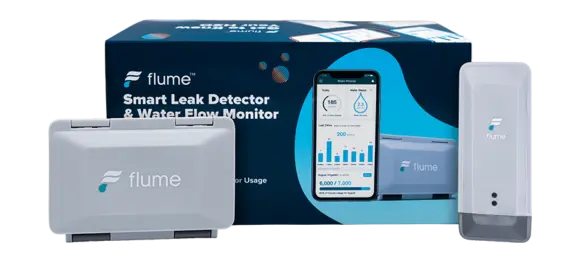
The core of the initiative centers on a joint offering between Amica Mutual Insurance Company and Flume. Under the terms of the program, eligible home insurance policyholders will receive a complimentary Flume Smart Home Water Monitor.
- The Hardware: The Flume device is a non-invasive smart sensor designed to strap directly onto a home’s existing water meter in a matter of minutes. It requires zero plumbing modifications, specialized tools, or professional installation, making it instantly accessible to average homeowners.
- The Service Package: Alongside the free hardware, Amica is funding three full years of continuous leak monitoring service from Flume for enrolled customers.
- Geographic Rollout: The program is launching as a targeted regional rollout. Policyholders residing in California, Connecticut, and Rhode Island are immediately eligible to receive the device and service free of charge. For customers living outside these three initial launch states, Amica has arranged a discounted purchasing option, allowing them to acquire a Flume device at a reduced rate.
- The Underlying Problem: Non-weather water damage—stemming from issues like frozen and burst pipes, dripping faucets, aging supply lines, and overflowing bathtubs or sinks—represents one of the single largest financial drains on the property and casualty insurance sector.
- The Financial Stakes: Amica reports that approximately 1 in every 60 policyholders experiences a non-weather water loss annually. The financial impact is severe, with the average insurance claim for this type of damage exceeding $21,000.
Chronology of the Partnership and Program Launch
While smart-home technology has steadily infiltrated the residential security and energy markets over the past decade, property insurers are increasingly shifting their focus toward loss prevention rather than post-loss indemnification. The partnership between Amica and Flume represents the culmination of this industry-wide pivot.
Phase 1: The Rise of Preventative InsurTech
For years, homeowners insurance carriers treated water damage as an inevitable cost of doing business. However, as supply chain disruptions, rising construction costs, and labor shortages drove up the expense of home repairs, average claim payouts ballooned. Insurers began looking closely at the Internet of Things (IoT) to stem the tide. Flume positioned itself as a key player in this movement by developing a strap-on sensor that bypassed the need for a licensed plumber to cut into household pipes—a major barrier to adoption for traditional smart water monitors.
Phase 2: Pilot Discussions and Strategic Alignment
Months prior to the public announcement, Amica and Flume executives began evaluating how continuous water monitoring could integrate with Amica’s customer-centric business model. Recognizing that traditional risk mitigation strategies—such as advising homeowners to shut off their main valves while traveling—were insufficient for day-to-day leaks, the companies designed a program that lowered the barrier to entry to absolute zero for targeted markets.
Phase 3: The Multi-State Rollout
Amica selected California, Connecticut, and Rhode Island as the inaugural launchpad for the zero-cost program. These states represent a mix of environmental climates (from the drought-prone, infrastructure-stressed systems of California to the freezing-pipe risks of New England winters).
Phase 4: National Expansion via Discounts
Recognizing the high demand for loss-prevention tools across its entire footprint, Amica structured the rollout to include an alternative option for policyholders nationwide. While the fully subsidized three-year package is restricted to the three launch states, customers in all other jurisdictions can now access Flume hardware at an exclusive insurer-discounted rate.
Supporting Data and Loss Reduction Metrics
The business case for smart water monitoring is built on robust empirical evidence. Water damage is unique among property risks because a minor, slow-moving leak can easily transition into a catastrophic structural failure if left unaddressed for days or weeks behind walls or under floors.
The Power of Early Detection
According to data compiled by Flume from studies of major insurance carriers utilizing its technology, the implementation of real-time water monitoring yields staggering risk-reduction metrics:
- 60% Reduction in Claim Frequency: Homes equipped with Flume monitors experience a dramatic drop in the number of water damage claims filed compared to unmonitored households. By catching minor drips, running toilets, and silent supply-line leaks early, homeowners can intervene before property damage occurs.
- 24% Reduction in Claim Severity: Even when water damage does occur—such as from a sudden pipe burst—monitored homes see a substantial decrease in the overall cost of the claim. Because the Flume app alerts homeowners instantly to abnormal flows, the water supply can be shut off remotely or manually within minutes, vastly limiting the spread of moisture, mold, and structural decay.
Industry-Wide Implications of the Data
These figures explain why property insurers are increasingly willing to subsidize hardware and monitoring subscriptions. Spending a few hundred dollars upfront on a device and service subscription is mathematically sound when contrasted with the average $21,000 payout for a standard non-weather water damage claim. The economics heavily favor proactive intervention over reactive claims handling.
Official Responses and Leadership Perspectives
Executives from both Amica and Flume emphasized the mutual benefits of the program for policyholders, the environment, and the insurance ecosystem at large.
Ted Shallcross, President and CEO of Amica Insurance, highlighted the company’s focus on customer peace of mind and proactive risk management:
"By offering this service to our policyholders, we’re providing a simple, proactive way to identify potential water problems early," Shallcross stated. "Water damage is stressful, disruptive, and often costly. Equipping our customers with tools like the Flume Smart Home Water Monitor allows them to protect their homes, preserve their peace of mind, and prevent minor plumbing issues from escalating into major disasters."
Flume’s leadership echoed these sentiments, pointing to the company’s broader mission of resource conservation and loss mitigation. Flume has built its business model on strategic partnerships, aligning with major homeowners insurance carriers, municipal water utilities, and Fortune 500 companies. By removing the friction of invasive plumbing modifications, Flume has unlocked mass-market adoption for a technology that benefits both individual homeowners and institutional risk-bearers.
Implications for Policyholders and the Insurance Industry
The launch of the Amica-Flume partnership signals a broader transformation in how property and casualty insurance operates in the 21st century.
1. The Shift from Indemnity to Prevention
For generations, the insurance contract was fundamentally transactional: the policyholder paid a premium, and the insurer paid out claims when things went wrong. Today, forward-thinking insurers like Amica are transforming into risk-mitigation partners. By providing smart devices that actively prevent losses, insurers align their financial interests directly with those of their customers. Nobody wins when a home floods—the homeowner suffers emotional distress and displacement, while the insurer absorbs a massive claims payout. Preventative technology eliminates this lose-lose scenario.
2. Empowering the Consumer
The technological sophistication of the Flume monitor places unprecedented control in the hands of the homeowner. Through the companion mobile app, users receive:
- Continuous Usage Tracking: Real-time visibility into indoor and outdoor water consumption down to the drop.
- Immediate Leak Alerts: Instant push notifications when water runs continuously for an abnormal length of time, indicating a running toilet, a stuck sprinkler valve, or a burst pipe.
- Remote Monitoring: The ability to check on household water activity even when miles away on vacation or at work.
3. Sustainability and Conservation Benefits
While the primary driver for insurance companies is loss reduction, the secondary benefits of smart water monitoring align strongly with environmental sustainability. Water scarcity and infrastructure aging are critical municipal challenges. By identifying silent leaks—such as a toilet flapper leaking a few gallons an hour—Flume helps households conserve thousands of gallons of potable water annually, reducing strain on local water utilities and lowering utility bills for consumers.
4. Future Outlook for Home Insurance
As smart-home integrations become more pervasive, industry analysts expect programs like Amica’s to transition from innovative perks to standard industry expectations. Insurers that successfully deploy IoT sensor technology will likely enjoy lower loss ratios, enabling them to maintain competitive pricing and stable underwriting results in an increasingly volatile climate and economic landscape. For Amica policyholders in California, Connecticut, Rhode Island, and beyond, the future of home protection has arrived—not in the form of a check after a disaster, but as a silent, watchful sensor guarding the home 24 hours a day.
