

Published: October 9, 2026
Author: Joe Bousquin
Source: Construction Dive / Enriched Reporting
Main Facts
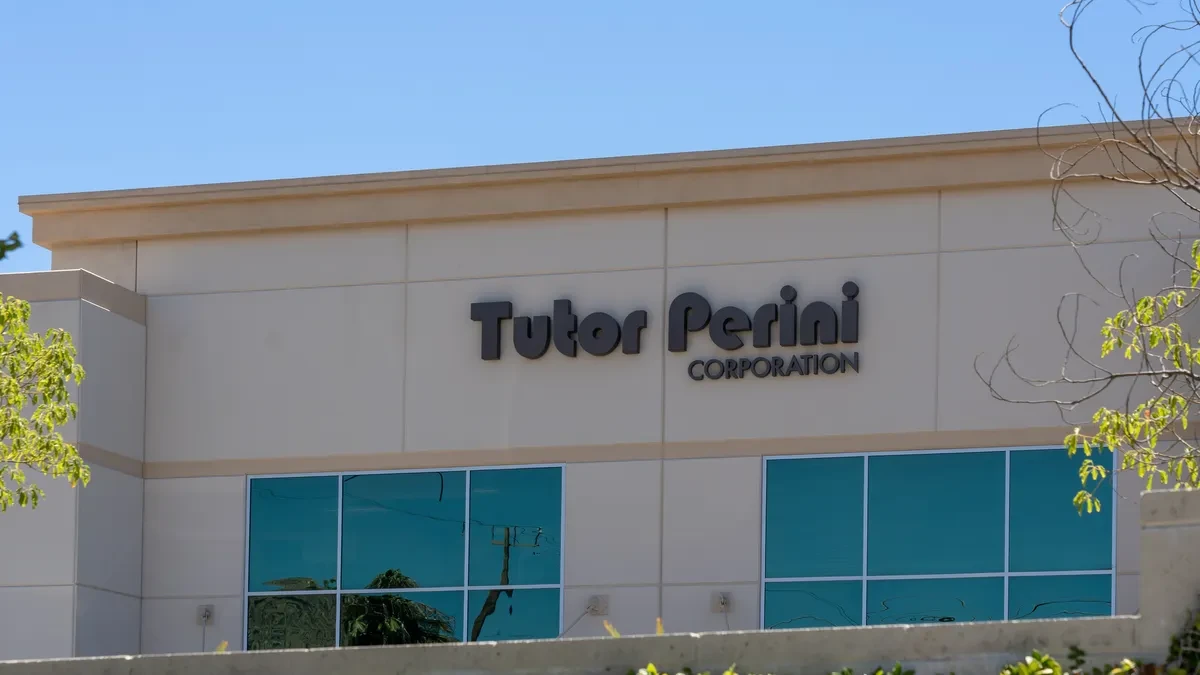
In a decisive move that underscores a broader strategic pivot within the heavy construction sector, Tutor Perini Corporation has announced a major contract win for one of its key subsidiaries. Fisk, a prominent electrical construction firm operating under the Tutor Perini umbrella, has secured a lucrative contract to deliver comprehensive electrical construction services for a massive new data center in Houston, Texas.
This contract win is far more than a routine commercial agreement; it serves as concrete validation of Tutor Perini’s stated corporate strategy. Throughout its earnings calls over the course of 2026, the Los Angeles-based megacontractor has repeatedly emphasized its intention to aggressively pivot toward the booming data center construction market. Historically renowned for taking on complex, high-risk, heavy civil infrastructure projects—such as multibillion-dollar mass transit systems and massive subterranean tunneling operations—Tutor Perini is now successfully capturing a slice of the private-sector digital infrastructure boom.
According to project disclosures, preliminary electrical construction work by Fisk on the Houston facility is scheduled to commence before the end of the year. The project has an aggressive timeline, with project leaders anticipating substantial completion by the first quarter of 2027. This rapid turnaround highlights the high-pressure, time-sensitive nature of modern data center development, which is currently being driven by an unprecedented surge in demand for artificial intelligence (AI) computing capacity, cloud storage, and enterprise digital infrastructure.
Chronology of Events and Strategic Shifts
To understand the weight of this recent contract win, it is necessary to examine the timeline of Tutor Perini’s strategic evolution over the past several years, culminating in the milestone announcements of 2026.
- Pre-2025: Heavy Civil Dominance: For decades, Tutor Perini built its reputation as a heavyweight champion of public-sector megaprojects. The company’s portfolio was dominated by complex transit systems, highways, bridges, airports, and massive civil undertakings like the Gateway tunnel project connecting New York and New Jersey, as well as segments of California’s high-speed rail project linking Los Angeles and San Francisco. While these projects offered massive revenue totals, they were frequently plagued by schedule delays, scope disputes, and fixed-price contract risks.
- Early 2026 (Q1 Earnings Calls): Recognizing shifting market dynamics and the exponential growth of private-sector tech infrastructure, Tutor Perini executives utilized their first-quarter earnings calls to signal a strategic course correction. Leadership openly communicated to investors and analysts that the company was actively exploring and bidding on opportunities within the data center construction space, viewing it as a critical growth engine.
- Mid-2026 (Q2 Earnings and Performance): By the second quarter of 2026, Tutor Perini’s reports showcased record revenues and higher profits. Analysts noted that the company’s deliberate diversification away from purely public-sector heavy civil work was beginning to pay dividends, padding its backlog with higher-margin, private-sector commercial opportunities.
- October 9, 2026: The official announcement of the Fisk Houston data center contract is published. This development serves as tangible proof that the company’s Q1 and Q2 strategic pivots are successfully translating into signed, active projects on the ground.
- Late 2026 – Q1 2027 (Projected): Fisk’s electrical construction work on the Houston data center is slated to begin immediately following the announcement, culminating in a targeted substantial completion date in Q1 2027—a blistering timeline that reflects the urgent demands of the data center client.
Supporting Data and Industry Trends: The Great Infrastructure Pivot
Tutor Perini is far from alone in its race to capture market share in the digital infrastructure sector. Across the North American construction landscape, major general contractors and heavy civil firms are recalibrating their business models to align with the unprecedented demands of the tech industry.
The Rise of the Data Center Boom
Driven by the exponential expansion of generative AI, widespread cloud migration, and the relentless digitalization of the global economy, the data center sector has transformed into one of the most lucrative segments of the construction industry. Hyperscale tech companies—such as Amazon, Microsoft, Google, and Meta—are pouring hundreds of billions of dollars into capital expenditures to build out massive server farms capable of processing staggering volumes of data.
For construction firms, this sector represents a vital diversification hedge. While traditional infrastructure projects rely heavily on government funding cycles, municipal bond approvals, and public-sector budgets, data center construction is fueled by private corporate capital, which often moves at a much faster pace and can offer superior margins.
Industry-Wide Participation: The Case of Granite Construction
The trend extends well beyond Tutor Perini. Watsonville, California-based Granite Construction, another titan historically known for its heavy civil infrastructure, highway paving, and materials supply, has likewise reported a growing exposure to data center projects.
While Fisk is handling the specialized electrical construction for Tutor Perini’s Houston project, firms like Granite are capturing substantial revenue through site preparation, civil earthmoving, and the construction of complex access roads, perimeter security, and parking facilities necessary to service these sprawling digital campuses. Industry analysts point out that traditional civil contractors possess the heavy equipment fleets, logistical expertise, and workforce scale required to handle the massive site development phases that precede the installation of sensitive technological equipment.

Official Responses and Executive Commentary
While specific financial valuations of the Houston contract have been kept confidential under proprietary client agreements, executive commentary from recent earnings calls provides clear insight into the mindset driving Tutor Perini’s leadership.
During consecutive quarterly briefings in 2026, corporate leadership emphasized that risk management and portfolio diversification are paramount. Company executives pointed out that while public megaprojects will remain a core pillar of Tutor Perini’s identity, balancing these long-term, sometimes volatile contracts with fast-moving, high-demand private sector work—such as electrical and mechanical-heavy data centers—creates a more resilient financial foundation.
Furthermore, leveraging specialized subsidiaries like Fisk allows Tutor Perini to tap into specialized sub-markets without diluting its core civil engineering expertise. Fisk’s deep experience in complex electrical installations makes it uniquely qualified to handle the immense power distribution, backup generation, and cooling infrastructure demands that define modern, high-density data centers.
Implications for the Construction Industry and Future Outlook
The awarding of the Houston data center contract to Tutor Perini’s Fisk subsidiary carries significant implications for the broader construction industry, signaling several emerging realities:
1. Blurring Lines Between Civil and Commercial Contractors
Historically, construction contractors were neatly categorized into distinct verticals: commercial builders, heavy civil contractors, and industrial specialists. Today, the sheer scale of modern data centers—which often span hundreds of acres, consume as much electricity as a small city, and require sophisticated civil site work alongside high-tech MEP (mechanical, electrical, plumbing) installations—has broken down these traditional silos. Heavy civil contractors are increasingly competing in spaces once dominated by commercial interior and electrical specialists.

2. Supply Chain and Labor Challenges in Electrical Construction
As Fisk prepares to break ground on the Houston facility ahead of its Q1 2027 completion target, the project will undoubtedly test supply chains and skilled labor availability. Data center construction requires elite electrical talent capable of installing intricate high-voltage switchgear, uninterrupted power supply (UPS) systems, and redundant cooling grids. Contractors that can successfully recruit, train, and retain specialized electrical tradespeople will hold a distinct competitive advantage in capturing future tech infrastructure work.
3. A Resilient Backlog for Tutor Perini
For investors and project stakeholders, the integration of data center projects into Tutor Perini’s portfolio provides a welcome buffer against public-sector delays. As the company continues to execute on massive public works like the Gateway tunnel and California high-speed rail, the addition of rapid-turnaround, high-tech private sector projects ensures a balanced, diversified revenue stream for the foreseeable future.
Conclusion
Tutor Perini’s latest contract win in Houston marks a defining moment in the company’s 2026 trajectory. By successfully pivoting its heavy civil expertise and leveraging specialized subsidiaries like Fisk to capture a foothold in the booming data center market, Tutor Perini has proven its ability to adapt to the changing economic tides of the modern construction landscape. As tech giants continue their relentless expansion into 2027 and beyond, expect contractors with the scale, technical proficiency, and strategic agility of Tutor Perini to remain at the absolute forefront of the digital infrastructure revolution.
