

By Joe Bousquin
Published October 9, 2026
Main Facts
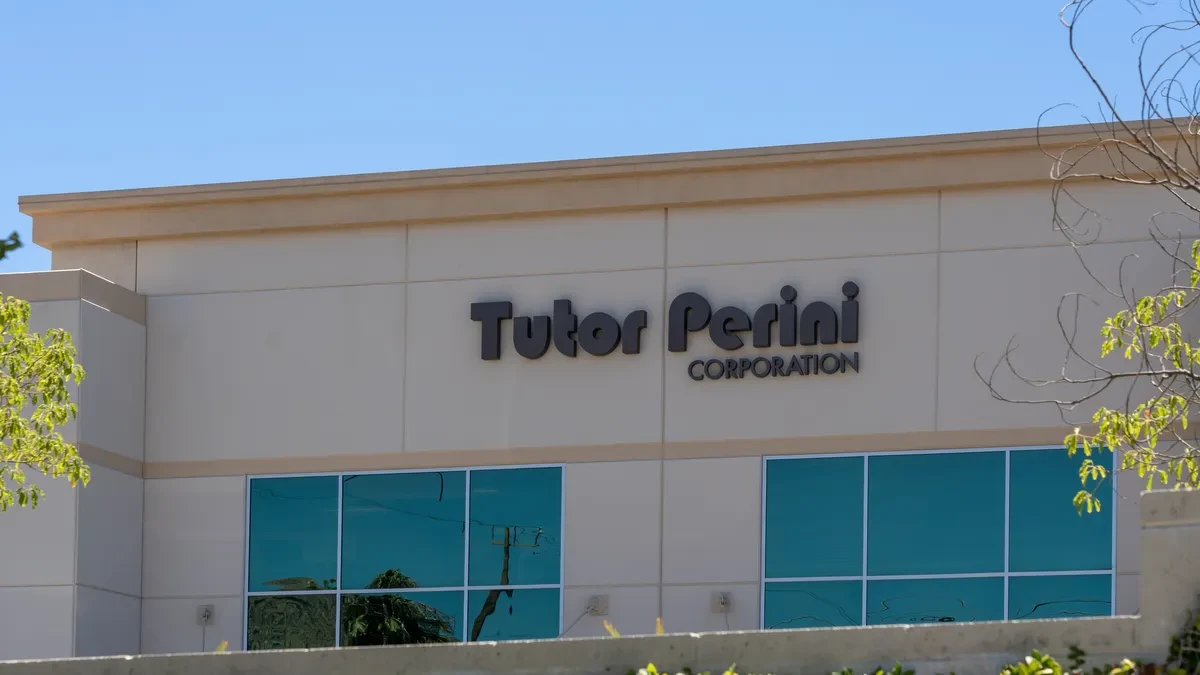
In a decisive move that underscores a broader industry-wide pivot, Tutor Perini Corporation—a heavy civil contractor historically recognized for monumental public works—has captured a significant new project through its subsidiary, Fisk. The contract involves comprehensive electrical construction for a massive new data center located in Houston, Texas.
This project win is not an isolated development; rather, it serves as tangible evidence of a deliberate corporate strategy. Throughout its earnings calls over the course of 2026, Los Angeles-based Tutor Perini has repeatedly signaled a shift in its operational priorities, aiming to capture a lucrative share of the booming digital infrastructure and data center construction market.
While the exact financial valuation of the Houston data center contract has not been publicly disclosed, the operational timeline is moving swiftly. Electrical construction work is slated to commence before the end of the year, with project teams targeting substantial completion by the first quarter of 2027. This rapid turnaround highlights the high-urgency nature of data center developments, which are currently being commissioned at an unprecedented pace to meet the insatiable demands of artificial intelligence, cloud computing, and enterprise data management.
Chronology of a Strategic Pivot
To understand the weight of this new Houston contract, one must examine Tutor Perini’s historical portfolio and the timeline of its strategic evolution over the past year.
Traditionally, Tutor Perini has built its reputation—and its multi-billion-dollar backlog—on complex, high-risk, heavy civil engineering and infrastructure megaprojects. Among its most prominent historical and ongoing endeavors are the multi-billion-dollar Gateway tunnel project connecting New York and New Jersey, and California’s ambitious high-speed rail initiative designed to link Los Angeles and San Francisco. These public sector jobs, while massive in scale, are frequently subject to bureaucratic delays, complex funding approvals, and protracted dispute resolution processes.
The pivot toward the private-sector-dominated data center market began taking formal shape in early 2026:
- First Quarter 2026: During its Q1 earnings call, Tutor Perini executives first explicitly addressed the company’s exploration of opportunities within the data center construction space. Leadership pointed to the exponential growth of the sector as a primary catalyst for diversifying the firm’s backlog.
- Second Quarter 2026: In subsequent earnings reports midway through the year, the contractor reported record revenue and higher profits, while reinforcing its commitment to pursuing private industrial and technology-driven megaprojects that offer favorable risk-reward profiles compared to traditional public infrastructure.
- October 2026: The formal announcement of the Fisk subsidiary’s Houston data center contract materializes this strategic vision, proving that the contractor’s executive leadership is successfully executing the portfolio diversification outlined earlier in the year.
According to project disclosures, preliminary coordination and mobilization for the Houston facility are underway, with full-scale electrical construction scheduled to begin immediately and wrap up by Q1 2027.
Supporting Data and Industry Trends
Tutor Perini’s strategic realignment is reflective of a seismic shift occurring across the entire North American construction landscape. Traditional heavy civil and infrastructure contractors, historically bound to highways, bridges, tunnels, and transit systems, are increasingly pivoting toward private-sector digital infrastructure.
The Data Center Boom
The explosion of generative artificial intelligence (AI), machine learning, massive cloud storage requirements, and enterprise digital transformation has created an unprecedented demand for data center capacity. Tech giants and specialized real estate investment trusts (REITs) are pouring hundreds of billions of dollars into capital expenditures to build out new server farms. Consequently, data centers have rapidly expanded to represent a vastly larger share of major contractors’ backlogs nationwide.

A Broader Industry Movement
Tutor Perini is far from alone in making this tactical pivot. Other heavy civil contractors are aggressively pursuing the digital infrastructure market:
- Granite Construction: Based in Watsonville, California, Granite—another major player historically rooted in heavy civil infrastructure, transportation, and materials—has similarly noted a rapidly growing exposure to data center projects. Granite’s involvement typically spans essential early-phase work, including complex site preparation, grading, mass excavation, and the construction of dedicated access roads and expansive parking lots required to service these massive facilities.
- Fisk’s Specialized Role: While firms like Granite manage the horizontal site work, Tutor Perini’s subsidiary, Fisk, brings deep electrical expertise to the table. Modern hyperscale data centers require intricate, high-capacity electrical distribution systems, redundant power supplies, backup generation arrays, and advanced cooling infrastructure—making specialized electrical contractors invaluable partners in these builds.
Official Responses and Executive Commentary
While specific statements from individual executives regarding the Houston contract remain closely guarded proprietary details, the overarching narrative has been a central theme of Tutor Perini’s investor relations communications throughout 2026.
During successive quarterly earnings calls, company leadership has emphasized that while heavy civil projects remain a core competency, diversifying into fast-growing, high-margin private sectors is vital for long-term shareholder value. Executives have noted that the technological sophistication required for modern data centers aligns well with the complex engineering capabilities of subsidiaries like Fisk.
Industry analysts tracking Tutor Perini have largely reacted favorably to the news. Wall Street observers have long urged traditional contractors to balance their exposure to public sector project risks—such as inflation, supply chain bottlenecks, and government budget shifts—with the robust private capital fueling the technology sector. The Houston contract serves as tangible proof-of-concept that the company’s legacy brands can successfully pivot and capture market share in high-tech industrial construction.
Implications for the Construction Sector
The securing of the Houston data center contract by Tutor Perini’s Fisk subsidiary carries significant long-term implications for the company, its competitors, and the broader construction ecosystem.

1. Diversification and Risk Mitigation
By expanding its footprint into data centers, Tutor Perini effectively insulates its overall business model against the cyclical nature of public infrastructure funding. Private technology clients often move with greater financial agility and urgency, prioritizing speed-to-market over bureaucratic red tape. This allows contractors to secure steady revenue streams that complement their long-term public works projects.
2. Specialized Talent and Supply Chain Pressures
The rush toward data center construction is not without its challenges. The specialized electrical, mechanical, and HVAC engineering required for modern hyperscale facilities demands a highly skilled labor force. With firms like Tutor Perini, Granite, and numerous specialized mechanical-electrical-plumbing (MEP) contractors all chasing the same booming market, competition for top-tier trade talent, transformers, switchgear, and backup generators will likely intensify through 2027.
3. A Template for Future Megacontractors
The successful execution of the Houston project by early 2027 could serve as a blueprint for other heavy civil contractors looking to reinvent their business models for the digital age. As physical infrastructure increasingly intersects with digital infrastructure, the firms that thrive will be those capable of bridging the gap between heavy civil engineering and high-tech industrial installation.
Ultimately, Tutor Perini’s latest win signals that the boundaries defining heavy civil contractors are blurring. As the digital economy continues its relentless expansion, the builders of our nation’s tunnels and rails are proving equally adept at constructing the digital foundations of the future.
