

By Joe Bousquin
Published October 9, 2026
Main Facts
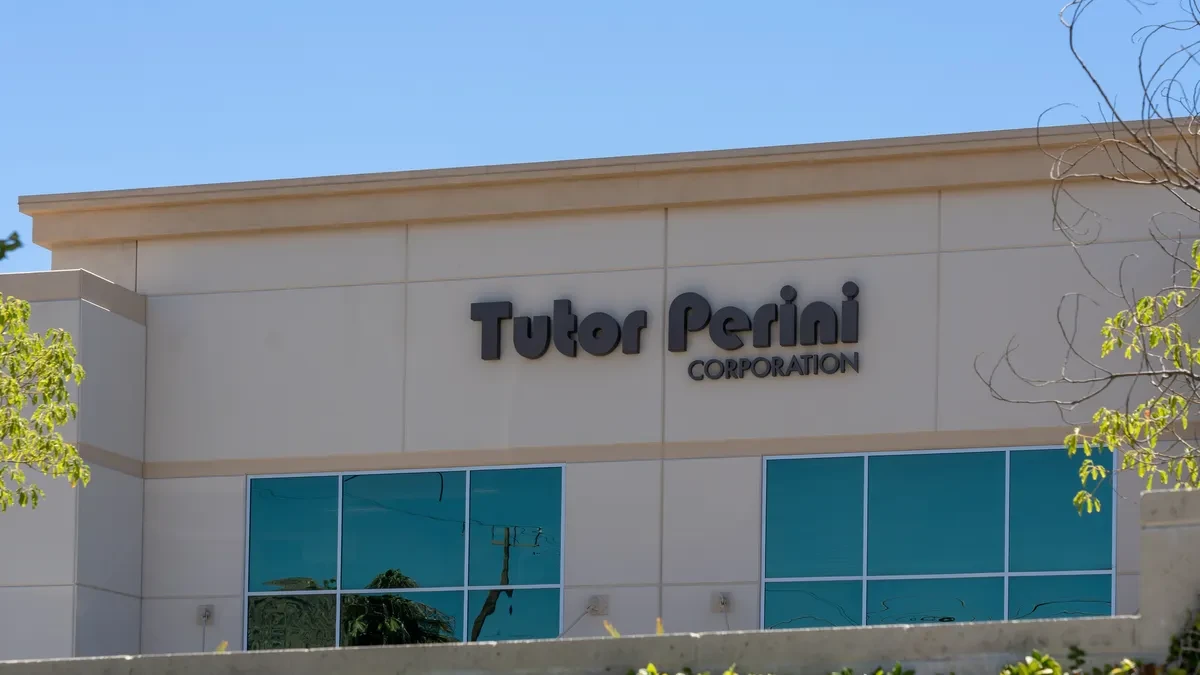
In a move that underscores a broader industry-wide pivot, Tutor Perini Corporation—a Los Angeles-based heavyweight traditionally recognized for massive public works and heavy civil infrastructure—has announced that a key subsidiary has secured a major electrical construction contract for a multi-million-dollar data center in Houston, Texas.
The project, spearheaded by Tutor Perini’s specialized electrical construction subsidiary, Fisk, represents more than just another commercial win on the books. It serves as tangible evidence of a deliberate corporate strategy shift. For much of its history, Tutor Perini has anchored its reputation and financial health to monumental, public-sector megaprojects, such as the Gateway tunnel project connecting New York and New Jersey, and California’s ambitious high-speed rail initiative linking Los Angeles and San Francisco.
However, market forces, surging demand for digital infrastructure, and explosive advancements in artificial intelligence have fundamentally reshaped the construction landscape. During recent quarterly earnings calls, Tutor Perini executives repeatedly emphasized their intention to aggressively target the booming data center sector. The Houston contract validates those forward-looking statements, proving that the legacy civil contractor can successfully pivot its capabilities to capture lucrative private-sector tech builds.
According to project timelines released by the company, Fisk’s specialized electrical construction work on the Houston data center is slated to commence immediately, with substantial completion anticipated by the first quarter of 2027.
Chronology
To understand the weight of Tutor Perini’s latest contract win, it is necessary to examine the trajectory of the company’s strategic realignment over recent quarters.
- Early 2026 (Q1 Earnings Calls): Tutor Perini leadership signaled an official pivot during its first-quarter earnings reports. Executives openly discussed exploring high-growth opportunities within the data center construction space, noting that the sector was rapidly expanding and beginning to command a significantly larger share of backlog portfolios for large-scale general contractors nationwide.
- Mid-2026 (Q2 Financials and Record Performance): As the year progressed, Tutor Perini’s financial performance reflected robust health, buoyed by the execution of massive megaprojects. However, the conversation among stakeholders increasingly centered on diversification. The company noted that entering the digital infrastructure market would help balance its heavy reliance on government-funded civil projects, which are frequently susceptible to bureaucratic delays and budget adjustments.
- October 9, 2026: The official announcement of the Houston data center electrical contract drop. This milestone marked the transition of Tutor Perini’s stated ambitions into active project execution through its Fisk subsidiary.
- Late 2026 (Upcoming Milestones): Fisk’s specialized electrical teams mobilize on-site in Houston to begin complex power distribution, wiring, and integration work required to support high-density computing workloads.
- Q1 2027 (Projected Horizon): The targeted window for substantial completion of the Houston data center, positioning Tutor Perini to potentially capture follow-on contracts or similar expansions from major tech and colocation developers.
Supporting Data and Industry Trends
Tutor Perini’s strategic pivot is far from an isolated corporate maneuver; it reflects a massive structural shift across the North American construction industry. Heavy civil contractors that once built their fortunes exclusively on highways, bridges, tunnels, and rails are increasingly diversifying into private tech-real-estate assets.
The Data Center Boom
The exponential growth of cloud computing, enterprise digitization, and generative artificial intelligence has triggered an unprecedented data center construction boom. These facilities require vast amounts of uninterrupted power, advanced cooling systems, and extremely sophisticated electrical architecture. Because electrical components, backup generators, and high-voltage distribution systems form the core operational spine of any data center, specialty electrical contractors like Tutor Perini’s Fisk subsidiary are uniquely positioned to command high margins and secure substantial scopes of work.
Industry-Wide Diversification
Tutor Perini is not the only traditional infrastructure giant pivoting toward digital real estate. Granite Construction—a Watsonville, California-based civil contractor known historically for heavy infrastructure and site development—has similarly reported a growing exposure to data center projects. While Granite’s work has frequently leaned toward site preparation, earthmoving, and the construction of access roads and parking lots required for sprawling data campuses, the trend remains clear: the line between civil infrastructure and technology infrastructure is blurring.
Backlog Impact
For major contractors, data center projects offer shorter delivery timelines and faster cash conversion cycles compared to decade-long public megaprojects. By integrating data centers into their backlogs, firms like Tutor Perini can smooth out revenue volatility and leverage their existing workforce expertise in complex project management for high-yield private developments.

Official Responses and Executive Perspective
While full transcripts of the contract announcement focused heavily on operational timelines, the broader context of this win has been meticulously detailed by Tutor Perini’s executive team throughout the 2026 fiscal year.
In previous earnings calls, company leadership highlighted that capturing market share in the digital infrastructure sector is a core pillar of their long-term growth plan. Executives noted that while public infrastructure will always remain a foundational component of Tutor Perini’s identity, the staggering capital expenditures being deployed by hyperscalers and enterprise technology companies presented an unignorable opportunity.
"Our entry and expansion into the data center market is a deliberate alignment with where capital is moving," executive stakeholders noted during earlier investor briefings. By leaning on the technical prowess of subsidiaries like Fisk—which boasts decades of experience executing complex electrical installations—Tutor Perini has demonstrated that its corporate assets can be successfully redeployed to meet the demands of the 21st-century digital economy.
Although specific financial values for the Houston contract have been kept private, industry analysts point out that electrical and mechanical scopes for modern data centers routinely account for a massive percentage of total project costs, translating to substantial revenue generation for specialized subs.
Implications
The securing of the Houston data center contract by Tutor Perini’s Fisk subsidiary carries significant implications for the company, its competitors, and the broader construction and technology sectors.

1. Diversification of Revenue Streams
For Tutor Perini, successfully executing this project validates its corporate strategy of diversifying away from pure-play public civil works. While megaprojects like the Gateway tunnel and California high-speed rail offer massive contract sums, they also expose contractors to political risks, funding disputes, and long-tail litigation. Private data center developments, backed by deep-pocketed tech giants and enterprise funds, offer a complementary revenue stream with different risk-reward profiles.
2. Heightened Competition in Tech Construction
As traditional civil contractors like Tutor Perini and Granite Construction aggressively enter the data center space, established commercial and electrical builders face new competition. Companies with deep engineering capabilities and experience managing complex, high-stakes infrastructure are well-equipped to handle the immense logistical and power-distribution challenges inherent in modern AI-ready facilities. This could elevate execution standards across the sector.
3. Meeting the Power Crisis
Data center construction is no longer just about square footage; it is fundamentally about power and electrical engineering. With Fisk slated to complete its electrical construction work by early 2027, the project highlights the critical bottleneck in modern tech real estate: the availability of specialized electrical contractors capable of turning raw land into energized, high-capacity computing hubs. By securing this contract, Tutor Perini solidifies its role not just as a builder of physical concrete infrastructure, but as an indispensable partner in the digital infrastructure revolution.
