

By Joe Bousquin
Published October 9, 2026
Main Facts
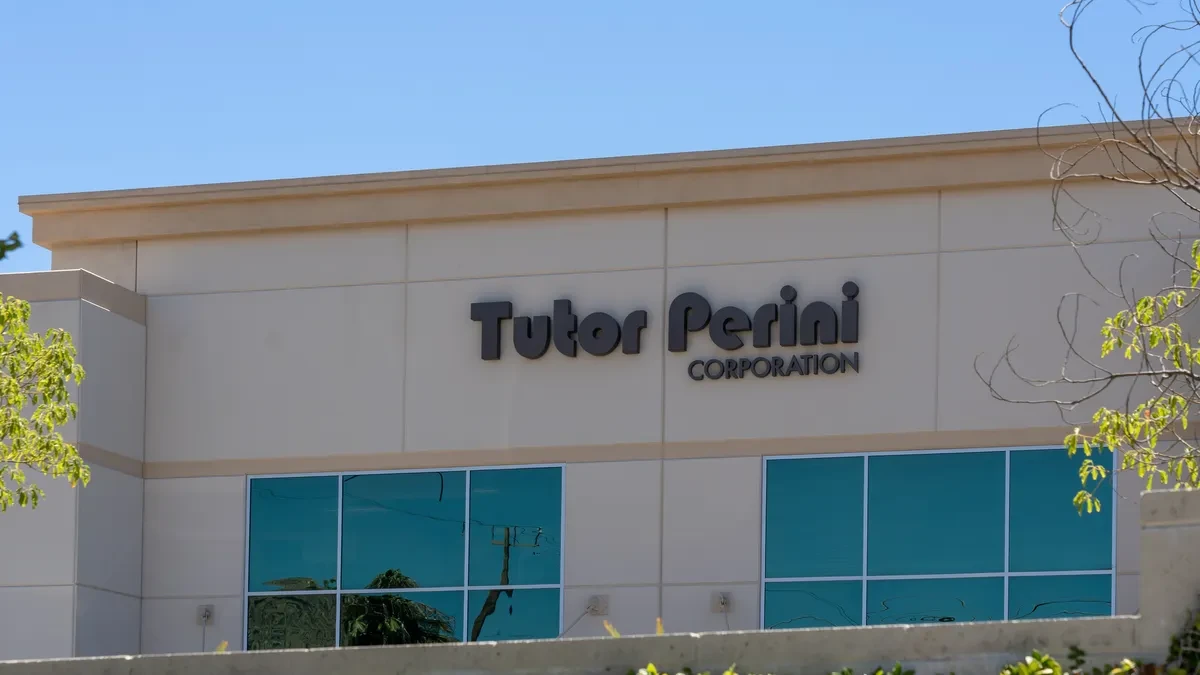
In a decisive move that underscores a broader strategic pivot within the heavy construction industry, Tutor Perini Corporation has announced that one of its primary subsidiaries has secured a high-profile electrical construction contract for a major new data center in Houston, Texas. The project, being executed by Tutor Perini’s specialized electrical construction arm, Fisk, represents a pivotal milestone for the Los Angeles-based megacontractor. Historically recognized for dominating massive, complex civil infrastructure and heavy engineering projects—such as transit systems, bridges, and tunnels—Tutor Perini is aggressively expanding its footprint into the exploding digital infrastructure market.
The Houston data center contract is not merely a routine win for the subsidiary; it is tangible evidence of a deliberate corporate strategy emphasized repeatedly by executive leadership during quarterly earnings calls throughout 2026. As artificial intelligence, cloud computing, and enterprise data storage drive an unprecedented surge in demand for digital facilities, traditional heavy civil contractors are increasingly vying for a slice of the lucrative data center pie.
Work on the Houston project is slated to commence before the end of the year, with Fisk targeting substantial completion by the first quarter of 2027. This aggressive timeline highlights the rapid-deployment nature of modern data center construction, where speed-to-market is often the primary metric of success for tech giants and colocation developers alike.
Chronology
To understand the weight of Tutor Perini’s latest contract win, it is essential to trace the timeline of the company’s strategic evolution and market pressures leading up to October 2026:

- Early 2026 (Q1 Earnings Call): Tutor Perini’s executive leadership publicly signals a directional shift, noting that the firm is actively exploring and bidding on opportunities within the data center construction space. Leadership points to the explosive growth of the sector and its rising prominence in major contractors’ backlogs as a primary catalyst for diversification.
- Mid-2026 (Q2 Financial Reports): During second-quarter earnings disclosures, Tutor Perini reports robust financial health, buoyed by massive megaprojects. However, executives double down on the necessity of capturing commercial and industrial technology work to balance their traditional civil portfolio. Competitors like Granite Construction similarly report a growing exposure to data center site development.
- October 9, 2026: Tutor Perini officially announces the subsidiary contract win in Houston, Texas. The announcement details that Fisk will spearhead specialized electrical construction, cementing the corporation’s transition from blueprint discussions to active execution in the tech-infrastructure sector.
- Late 2026 (Project Kickoff): Fisk’s electrical construction operations are scheduled to break ground on-site in Houston, initiating a fast-tracked schedule designed to meet strict client deployment deadlines.
- Q1 2027 (Projected Milestone): Substantial completion of the electrical infrastructure work is targeted, marking a critical test case for Tutor Perini’s ability to deliver high-tech facilities on time and within budget.
Supporting Data & Market Analysis
The pivot by Tutor Perini and its peers reflects a fundamental shift in the American construction landscape. For decades, the company’s revenue engine was fueled almost entirely by monumental public-sector megaprojects. These historic undertakings include the highly complex Gateway tunnel project connecting New York and New Jersey, and California’s monumental high-speed rail initiative designed to link Los Angeles and San Francisco. While these multi-billion-dollar civil works provide long-term revenue streams, they are frequently subject to bureaucratic delays, political friction, and complex funding approvals.
In contrast, the private-sector data center market offers rapid project lifecycles, aggressive private capital backing, and high profit margins for contractors with the specialized technical expertise to execute them. Data centers require intricate mechanical, electrical, and plumbing (MEP) systems, making the capabilities of subsidiaries like Fisk exceptionally valuable.
Tutor Perini is far from alone in making this calculation. Other heavy civil stalwarts are aggressively chasing the same greenfield opportunities. For instance, Watsonville, California-based Granite Construction has publicly reported a significantly growing exposure to data center development. While Granite’s scope often leans toward early-stage heavy civil requirements—such as extensive earthmoving, site preparation, and the construction of access roads and parking lots for massive campuses—other firms are capturing the structural and MEP phases.
According to recent construction industry analytics, private data center construction spending in the United States has more than doubled over a three-year period, driven overwhelmingly by the generative AI boom, hyperscale cloud providers, and enterprise migrations to cloud architecture. Consequently, backlogs for top-tier contractors are increasingly dominated by tech facilities, transforming companies that once built roads and rails into critical partners for the digital economy.
Official Responses & Industry Perspectives
While formal public commentary surrounding the Houston contract has focused primarily on operational execution and scheduling, executive statements from recent earnings disclosures provide a clear window into the corporate mindset driving these bids.

Tutor Perini’s leadership has consistently maintained that diversification is the key to maintaining resilient margins in an inflationary construction market. During recent investor calls, executives emphasized that the company’s vast engineering experience and bonding capacity provide a distinct competitive advantage when negotiating with major developers who demand absolute reliability on complex electrical and structural scopes.
Industry analysts have responded favorably to the pivot. Financial observers note that while civil infrastructure remains Tutor Perini’s bread and butter, expanding into private-sector technology builds insulates the contractor from public funding fluctuations and municipal budget constraints.
Furthermore, the integration of Fisk—a recognized leader in electrical contracting—into high-capacity data center projects creates immediate synergies. Electrical systems often account for up to 50% or more of a modern data center’s total construction budget, encompassing heavy-duty substations, redundant backup generators, complex cooling infrastructure distribution, and advanced switchgear. By leveraging an in-house electrical subsidiary, Tutor Perini captures a greater share of the project value chain while mitigating sub-contractor coordination risks.
Implications
The awarding of the Houston data center contract to Tutor Perini’s subsidiary carries profound implications for the broader construction ecosystem, the company’s financial trajectory, and the regional economy of Texas.
1. Strategic Re-positioning for Heavy Contractors
For Tutor Perini, successfully delivering the Houston facility will validate its strategy of bridging heavy civil engineering with high-tech industrial construction. If Fisk executes the electrical scope on schedule by the first quarter of 2027, it will likely position the parent company for follow-on contracts with the same tech developer or other hyperscalers. This success could serve as a powerful marketing template to secure additional multibillion-dollar data center campuses across the United States.

2. Evolving Workforce and Technical Demands
The shift toward data center construction places new demands on traditional construction workforces. While civil projects rely heavily on heavy equipment operators, structural ironworkers, and concrete masons, data centers demand an elite corps of specialized electricians, instrumentation technicians, and MEP coordinators. Contractors like Tutor Perini must increasingly focus on workforce development and talent acquisition in the electrical trades to meet the specialized technical standards required by modern server environments.
3. Regional Economic Impact in Texas
Houston has rapidly emerged as a secondary tech and digital infrastructure hub, supplementing traditional Texas powerhouses like Austin and Dallas-Fort Worth. The influx of large-scale data center construction brings substantial economic benefits to the region, including high-paying specialty trade jobs, increased demand for local building materials, and long-term tax revenues for local municipalities. However, it also places strain on local power grids and municipal water supplies, prompting closer collaboration between contractors, utilities, and city planners.
4. Macroeconomic Resilience
Ultimately, Tutor Perini’s embrace of the data center sector signals a maturing market reality: even the most entrenched heavy civil contractors must adapt to the digital age. By balancing long-term, public-sector megaprojects with fast-paced, private-sector digital infrastructure, megacontractors are building robust portfolios capable of withstanding macroeconomic volatility, supply chain disruptions, and changing government priorities for years to come.
