

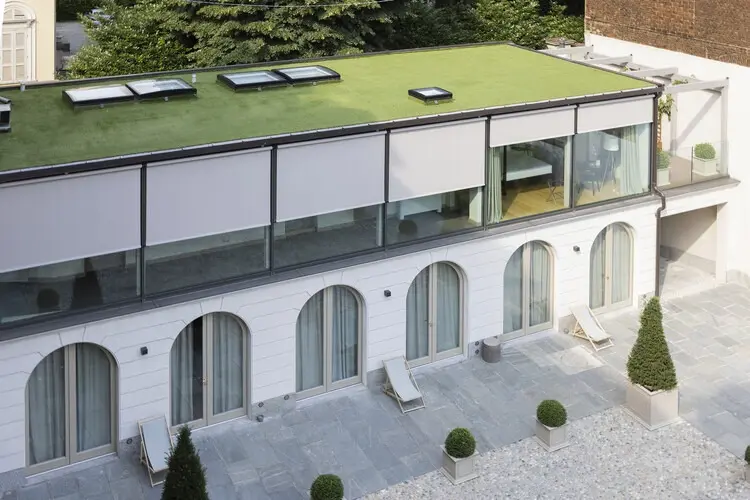
Published: October 12, 2026
Author: Agustina Iñiguez (Adapted & Expanded)
Source: ArchDaily / Bandalux Case Studies
Main Facts
As unprecedented heat waves grow increasingly frequent across the globe, the architectural paradigm of building envelope design is undergoing a fundamental shift. Historically, thermal performance in structural engineering and architectural design focused primarily on winter mitigation—optimizing insulation and window assemblies to retain interior heat during cold months. Today, however, architects face the inverse challenge: controlling the massive influx of solar radiation during intensely hot periods without sacrificing daylight, visual connectivity, or aesthetic integrity.
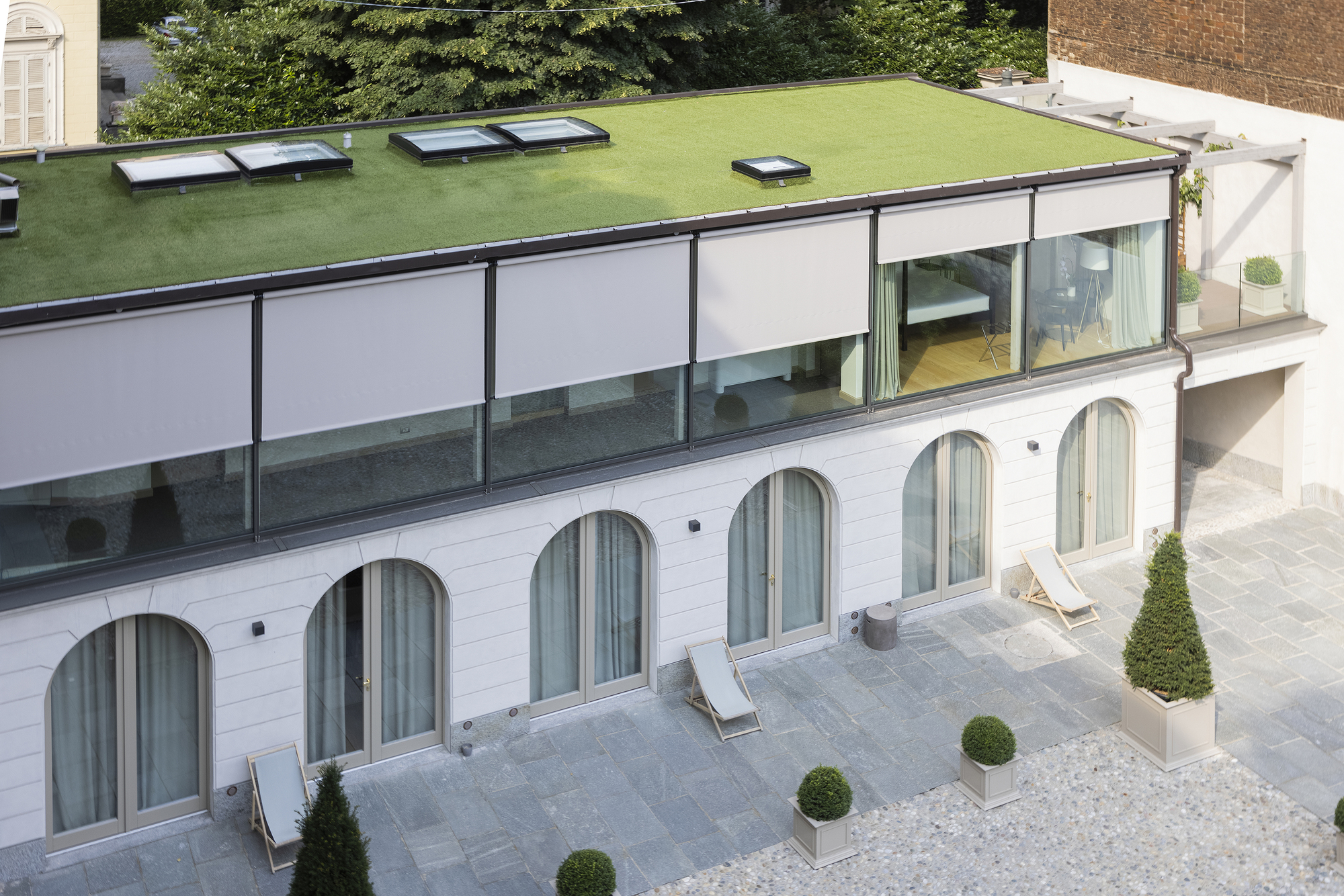
The core thesis emerging from contemporary architectural discourse is that solar shading must no longer be treated as a decorative afterthought or an interior-conditioning retrofit. Instead, it must be conceptualized as an intrinsic component of the building envelope from the earliest stages of schematic design.
By strategically coordinating building orientation, window-to-wall ratios, glass performance types, technical fabric specifications, and automated mechanical systems, designers can dramatically curb cooling demand. According to recent energy simulations conducted using ESBO software by shading specialists Bandalux, integrating an exterior solar protection system on a south-facing room can achieve up to a 70% reduction in HVAC-related energy consumption.
Chronology of Architectural Shifts
To understand why solar protection has moved to the forefront of building envelope design, it is helpful to trace the evolution of how buildings manage climate:
- The Mid-to-Late 20th Century (The Era of HVAC Dominance): With the widespread adoption of cheap fossil fuels and mechanical heating, ventilation, and air conditioning (HVAC) systems, building envelopes became heavily glazed curtains of glass. Architects relied on mechanical systems to correct thermal discomfort rather than addressing solar loads passively through architecture.
- The Late 1990s to 2010s (The Energy-Efficiency Awakening): The green building movement introduced strict energy codes, heavily penalizing thermal loss in winter. Double- and triple-glazed Low-E (low-emissivity) glass became standard, successfully trapping heat inside—which inadvertently created severe urban heat-island and interior overheating problems during summer months.
- The 2020s (The Climate Extremes Turning Point): Surging global temperatures and persistent heat waves forced a reckoning. Building scientists realized that trapping heat inside high-performance winter envelopes was causing indoor temperatures to skyrocket during summer, driving peak electricity grids to near-collapse due to relentless air-conditioning demands.
- 2026 and Beyond (The Envelope Integration Era): The modern approach redefines the facade as a dynamic, responsive interface. Solar shading is designed concurrently with structural frames, shifting the design philosophy from "How do we remove heat after it enters?" to "How do we block thermal radiation before it ever touches the glass?"
Supporting Data and Technical Performance
The effectiveness of solar protection systems depends on a complex interplay of physics, material science, and mechanical engineering. Modern architectural case studies and computational simulations highlight several key metrics governing this performance:
1. Exterior vs. Interior Positioning
The physical location of the shading system relative to the glazing is the single most critical factor in heat rejection:
- Exterior Shading Systems: Placed on the outside of the window, these systems intercept solar radiation before it hits the glass. By blocking the energy outside, they prevent the thermal mass of the window from heating up and radiating warmth indoors. Systems utilizing ZIP guides (such as Bandalux’s Z-Box, Z-Box Secret, and Z-Box Solar) achieve up to a 70% reduction in cooling energy requirements.
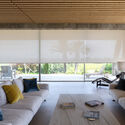
- Interior Shading Systems: While interior blinds and shades come into play after solar radiation has already penetrated the glass, they still offer measurable advantages. Analyses show that high-performance white interior fabrics can reduce air-conditioning energy consumption by up to 30%, while multi-layered cellular shades improve overall thermal insulation during both summer and winter.
2. Fabric Characteristics: Openness, Color, and Reflectance
The choice of technical fabric dictates how light and heat behave as they interact with the facade:
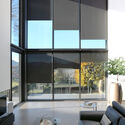
- Openness Factor: Fabrics with lower openness factors block more direct radiation and glare, optimizing privacy and thermal comfort. Conversely, higher openness factors allow deeper daylight penetration and preserve clear visual links to the surrounding landscape.
- Color and Placement Dynamics: In exterior applications, dark-colored fabrics absorb a larger share of solar radiation before it reaches the glass, preventing harsh reflections onto neighboring properties. Conversely, light-colored fabrics used indoors excel at reflecting incoming radiation back outward, mitigating internal heat buildup within the shade assembly itself.
3. Automation and Dynamic Response
Static shading solutions can only do so much in a volatile climate. Modern facades integrate smart automation systems—such as Bandalux’s Lynx application—which interface directly with Building Management Systems (BMS).
- Solar Sensors: Automatically deploy blinds during peak radiation hours (e.g., a west-facing office facade between 3:00 PM and 7:00 PM).
- Temperature Sensors: React to localized overheating conditions.
- Wind Sensors: Automatically retract exterior ZIP-guided systems during high-wind thresholds to prevent structural damage.
- Time-Based Schedules: Programmed around seasonal paths of the sun, occupancy patterns, and daily building usage.
Official Responses and Expert Insights
Industry leaders and architectural theorists emphasize that the traditional boundary between structural engineering and interior fit-outs must be dissolved.
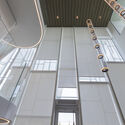
"We can no longer afford to design the architectural skin first and treat solar protection as an accessory ordered at the tail end of construction," notes building physics consultants working with envelope manufacturers. "When a west-facing office facade receives direct, low-angle sunlight late in the day, the thermal shock on the HVAC system is immense. Designing the shading as a primary structural and environmental interface changes the energy profile of the entire building."
Furthermore, urban planners point out that widespread adoption of exterior shading significantly reduces the urban heat-island effect. By preventing buildings from absorbing and subsequently radiating solar heat back into dense city streets, smart envelope strategies contribute to neighborhood-scale microclimate stabilization.
Implications for Future Architecture
The transition toward integrated solar protection as an envelope strategy carries profound implications for the future of the built environment:
- Redefining Net-Zero and Passive House Standards: As energy codes tighten globally, meeting net-zero carbon targets will be nearly impossible through mechanical upgrades alone. Passive solar management via integrated shading will become a mandatory baseline in municipal building codes.
- Health, Productivity, and Visual Comfort: While lowering energy consumption is vital, occupant well-being remains paramount. Automated solar management ensures that glare is minimized without plunging interiors into darkness, preserving circadian rhythms, enhancing productivity in offices, and maintaining visual connections to the outdoors in healthcare and educational facilities.
- The Rise of Responsive Architecture: Buildings are transitioning from static boxes into dynamic organisms. By linking motorized shading, lighting, and HVAC systems into a unified neural network (BMS), architecture can autonomously breathe and adapt to erratic weather events in real time.
Ultimately, integrating solar protection into the building envelope reframes how architects think about climate. Rather than fighting against nature with brute-force mechanical cooling, the profession is returning to an ancient wisdom—filtering and mediating the elements—empowered by modern materials, rigorous data simulation, and intelligent automation.
