

Published: October 12, 2026
Author: Agustina Iñiguez (Adapted by Architectural Press)
Primary Source: ArchDaily / Bandalux
Main Facts
As global climate patterns shift and extreme heat waves become an annual reality rather than an anomaly, the architectural community is undergoing a profound paradigm shift. For decades, building envelope design was dominated by a singular mandate: retaining interior heat during harsh winter months. Today, however, architects and engineers are prioritizing a more pressing threat—controlling and mitigating excessive solar radiation during peak cooling seasons.
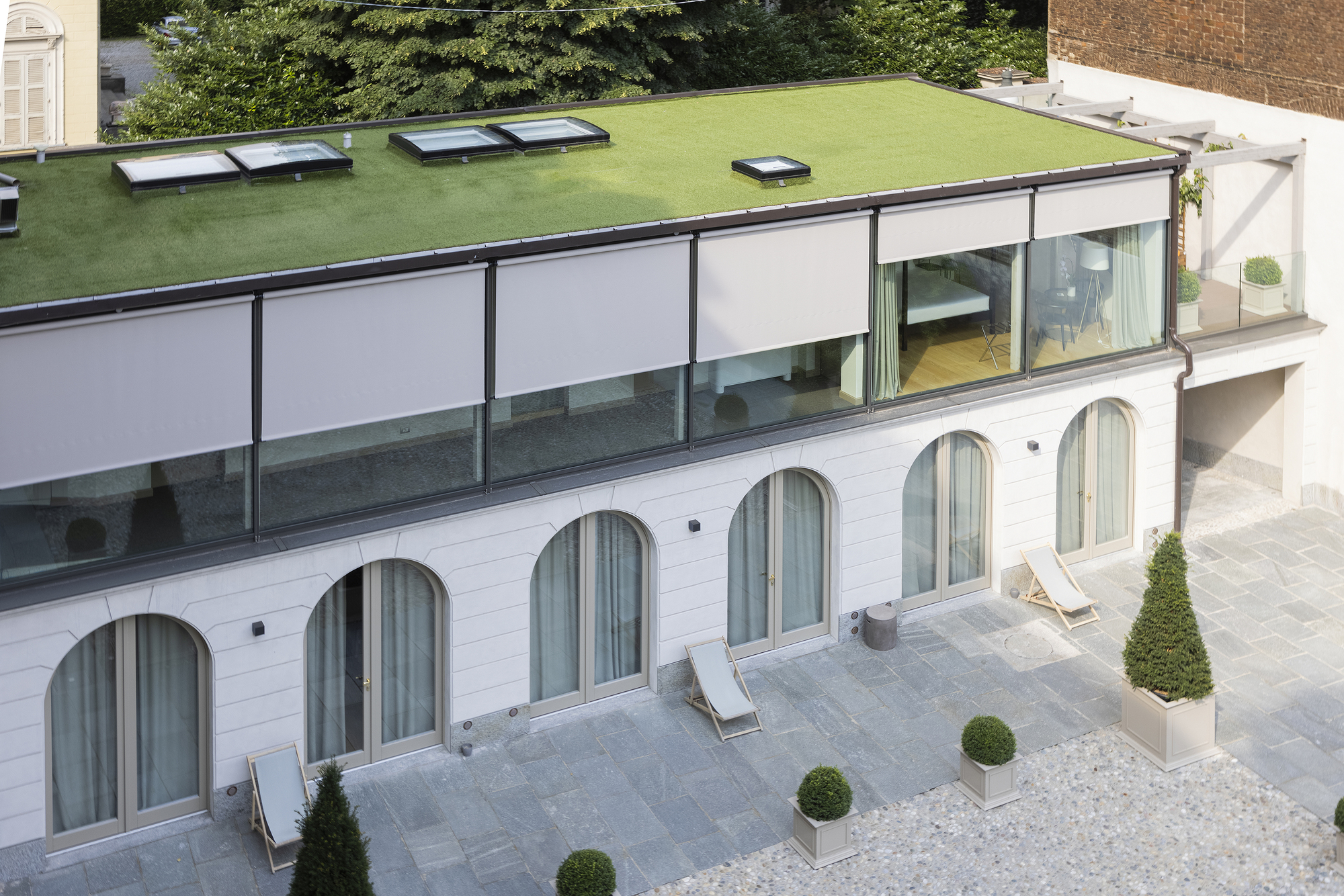
Rather than treating solar shading as a purely decorative afterthought or a secondary interior fit-out element, contemporary sustainable design demands that solar protection be integrated directly into the initial phase of building envelope conception. By intercepting solar energy before it penetrates glass facades, modern exterior and interior shading systems are proving to be powerful passive energy-efficiency tools.
Key performance data highlights the magnitude of this strategy:
- Energy simulations conducted by Bandalux using advanced ESBO software demonstrate that incorporating exterior shading systems on a south-facing facade can reduce HVAC-related energy consumption by up to 70%.
- Strategic interior interventions, such as high-reflectance white fabrics, can independently lower air-conditioning energy loads by up to 30%.
- Advanced automation platforms, like Bandalux’s Lynx application, remove human error by synchronizing motorized shading with real-time environmental sensors and building management systems (BMS).
Chronology of an Architectural Evolution
To understand how modern solar protection evolved from a basic window dressing into a core component of the building envelope, it is necessary to examine the timeline of thermal design in architecture:
- The Mid-to-Late 20th Century (The Energy-Loss Era): Following global energy crises, building codes heavily favored insulation and airtightness. Facades were designed to prevent heat leakage during cold winters, relying heavily on fossil-fuel-powered HVAC systems to offset summer overheating.
- The Turn of the 21st Century (The Glass Skyscraper Boom): The architectural landscape saw an explosion of large-format, fully glazed curtain-wall buildings. While aesthetically striking, these structures often behaved like greenhouses, trapping vast amounts of solar radiation and causing skyrocketing indoor cooling loads. Shading was typically left to manual interior blinds, which only addressed glare and heat after it had already penetrated the interior space.
- The 2010s (The Rise of Passive House & Energy Modeling): The industry began embracing strict energy standards (such as Passive House and LEED). Designers started calculating thermal bridges and solar heat gain coefficients (SHGC) more rigorously, recognizing that internal loads required active architectural mitigation.
- The Present Day (The Climate Crisis & Dynamic Envelopes – 2026): With unprecedented summer temperatures gripping urban centers worldwide, architects can no longer afford to treat solar control as a retrofit. The envelope is now conceptualized as a dynamic, breathing interface. Shading is engineered alongside window-to-wall ratios, glass performance specifications, and automated sensor technology from day one of the schematic design phase.
Supporting Data & Technical Performance Metrics
The effectiveness of a solar protection strategy depends heavily on a precise matrix of variables: material science, geographic orientation, placement relative to the glazing, and mechanical stability.
1. Exterior vs. Interior Positioning
The fundamental rule of thermal physics in building design is simple: Stop the heat before it enters.
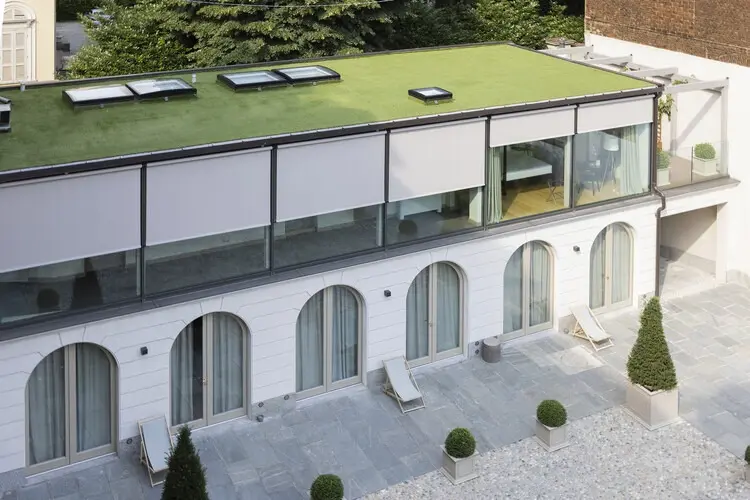
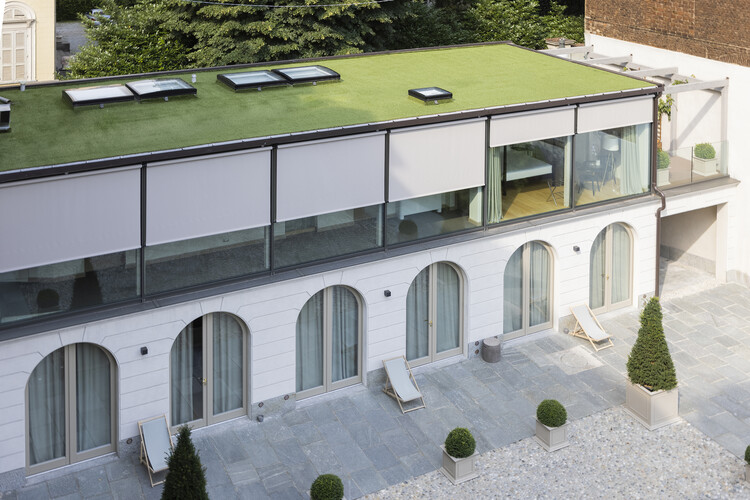
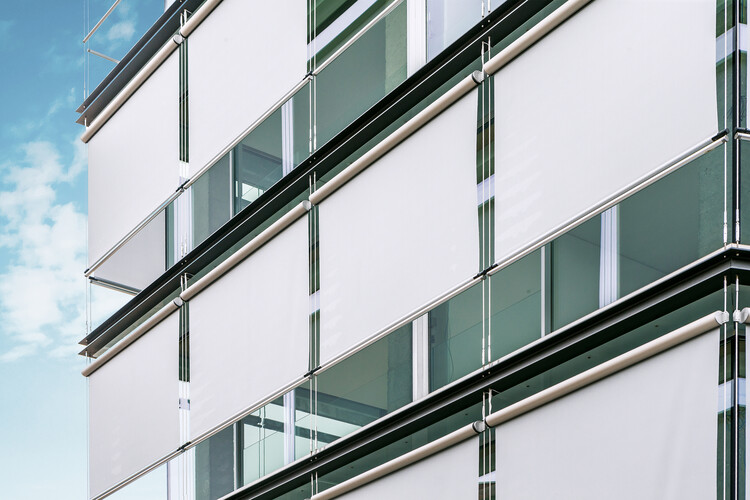
- Exterior Systems: Positioned on the outside of the glass (such as ZIP-guided roller systems like Bandalux’s Z-Box, Z-Box Secret, and Z-Box Solar), these systems act as the ultimate first line of defense. They intercept and reflect solar radiation before it ever hits the windowpane, drastically cutting down the solar heat gain coefficient (SHGC) and yielding up to 70% savings in cooling energy.
- Interior Systems: While interior options cannot block thermal radiation as aggressively as exterior systems (since the heat has already passed through the glass), they remain vital for managing glare, maintaining visual comfort, and providing localized insulation. For example, cellular shades feature unique air-cell structures that trap air, improving thermal resistance in both summer and winter.
2. Fabric Selection: Openness, Color, and Reflectance
The choice of technical fabric dictates how light and heat interact with the building:
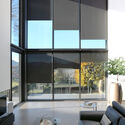
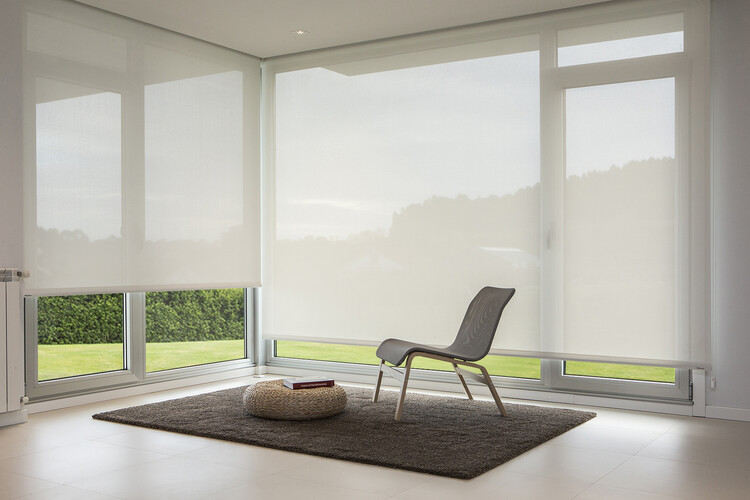
- Openness Factor: Lower openness factors restrict sunlight and eliminate glare while maximizing privacy and thermal retention. Higher openness factors permit higher levels of natural daylight, preserving uninterrupted visual connections to the outdoor landscape.
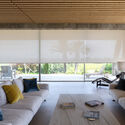
- Color and Solar Absorption: In exterior applications, dark-colored technical fabrics absorb a greater share of incoming solar radiation before it reaches the glass, preventing it from entering the room. Conversely, light-colored fabrics installed on the interior excel at reflecting radiation outward, minimizing the heat buildup absorbed by the shade itself.
3. Engineering Wind Resistance and Scale
Large architectural surfaces require advanced mechanical engineering to withstand high wind loads without failing. Systems utilizing ZIP guide technology maintain constant fabric tension, eliminating lateral light gaps and stabilizing the shade against severe weather. This allows architects to design expansive glass spans without sacrificing environmental control.
Official Responses and Industry Insights
Industry leaders and technical analysts emphasize that the integration of solar protection fundamentally changes the relationship between a building and its local climate.
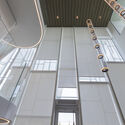
"Designing a solar-shading strategy means finding a delicate balance," notes technical design documentation from Bandalux. "Beyond exterior solutions, interior systems also provide measurable benefits. A white interior fabric can reduce air-conditioning energy consumption by up to 30%, while cellular air-cell structures actively improve thermal insulation across shifting seasons."
Furthermore, architectural theorists point out that the traditional linear workflow—where architects design the massing and facade first, and mechanical engineers figure out the cooling load later—is obsolete.
By framing solar radiation as a primary design parameter rather than an environmental nuisance, the design community is moving toward a unified methodology. Urban planners note that buildings equipped with dynamic solar protection drastically reduce the urban heat island effect by reflecting surplus energy away from street canyons and pedestrian pathways.
Implications for Future Architecture
The systemic integration of solar protection as a core envelope strategy carries profound implications for the future of the built environment across multiple sectors—commercial, residential, educational, and healthcare:
1. Architectural Aesthetics and Performance Unity
Modern architects no longer have to choose between transparent, light-filled facades and energy efficiency. By utilizing technical fabrics with customized openness factors and sleek, integrated housing systems (such as flush-mounted box blinds), performance and beauty merge seamlessly. The facade ceases to be a static barrier and becomes a responsive, kinetic membrane.
2. The Era of Intelligent, Automated Buildings
Manual adjustments by building occupants are notoriously unreliable; people often forget to lower blinds until a space is already overheated, or fail to retract them when natural light is required. The rise of automation changes this entirely.
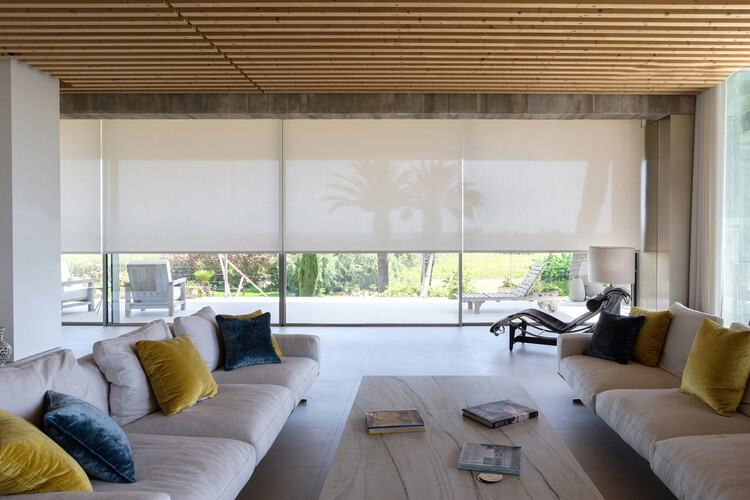
Platforms like Lynx leverage real-time environmental feedback loops:
- Solar Sensors: Automatically deploy exterior shades when radiation crosses a pre-set threshold to prevent glare and thermal spikes.
- Temperature Sensors: Trigger cooling protocols before indoor ambient temperatures rise.
- Wind Sensors: Automatically retract exterior ZIP systems during high-wind events to protect the hardware from structural damage.
- Schedule-Based Logic: Tailor shading deployment based on seasonal trajectories, building orientation, and occupancy timetables.
3. Decarbonization and Grid Resilience
As global electricity grids face unprecedented strain during peak summer heat waves, lowering cooling demand is critical. Reducing a building’s HVAC load by up to 70% through passive solar protection directly translates to lower carbon emissions, reduced peak-hour grid strain, and lower operational costs for building owners.
Conclusion
Ultimately, integrating solar protection into the building envelope addresses a fundamental architectural question: When should a building’s thermal performance begin to be designed?
The answer is clear: at the very inception of the project. By coordinating orientation, window-to-wall ratios, material reflectivity, and intelligent automation, the architectural profession can reclaim its active role in environmental regulation—transforming buildings from energy-guzzling glass boxes into resilient, adaptive shelters perfectly tuned to their surrounding climates.
