

Published: October 12, 2026
Author: Valentina Díaz
Source: ArchDaily
Main Facts
Colors are never merely aesthetic choices applied to surfaces; they possess deep, evolving biographies. In the context of Latin American architecture and interior design, color serves as a living archive of geography, climate, material availability, and socio-cultural shifts. A single hue can originate from a localized artisanal practice, migrate into modern architectural vernaculars, transform from an ordinary building material into a powerful political or cultural symbol, and eventually take on new meanings as it is inhabited across generations.
The Latin American interior acts as a crucial convergence point for these historical trajectories. Within a room, a color carries the silent traces of a specific territory, traditional building techniques, regional sunlight intensities, and localized modes of living. Often, this potent cultural presence requires no explicit intention to represent heritage; rather, it emerges organically through the continuity of materials, environmental adaptations, and collective memory.
Chronology of Color in Latin American Design
To understand the contemporary palette of Latin American interiors, one must trace how color has evolved across different historical epochs, transitioning from pre-Hispanic resourcefulness to modern abstraction and contemporary globalized hybridization.
Pre-Hispanic Origins and Natural Extraction (Pre-16th Century)
Long before the arrival of synthetic pigments, indigenous populations across Mesoamerica and the Andean region mastered the extraction of vibrant colors from their immediate natural environments.
- The Cochineal Scale: Sourced from cacti in Oaxaca, Mexico, the brilliant crimson derived from cochineal became one of the most coveted luxury commodities globally, shaping textiles and decorative arts.
- Maya Blue: A revolutionary hybrid pigment combining organic indigo dye and an inorganic clay mineral (palygorskite), Maya Blue demonstrated an astonishing resistance to aging, biological degradation, and harsh tropical climates, remaining vividly intact on ancient murals and interior ritual spaces for centuries.
Colonial Syncretism and the Introduction of European Palettes (16th–19th Centuries)
The colonial encounter brought European aesthetic preferences—specifically the earthy ochres, whites, and deep reds popular in the Iberian Peninsula—into direct dialogue with indigenous craftsmanship.
- Lime washes were introduced to coat adobe walls, creating a bright white surface that reflected harsh tropical sunlight while simultaneously serving a hygienic purpose.
- Local pigments were adapted to decorate baroque churches, courtyard haciendas, and domestic interiors, resulting in a syncretic visual language where European spatial layouts met localized material constraints and color sensibilities.
Modernist Appropriation and Regional Identity (20th Century)
As Latin America entered the 20th century, the rise of modern architecture sought to define a distinct regional identity that balanced international rationalism with local character.
- Luis Barragán and Mexican Modernism: Architects like Luis Barragán famously utilized saturated pinks, ochres, deep blues, and intense yellows to sculpt light and shadow within domestic interiors. For Barragán, color was deeply emotional and spiritual, drawing inspiration from Mexican vernacular architecture, colonial convents, and popular culture.
- Tropical Modernism: In Brazil, Venezuela, and Colombia, architects integrated vibrant tropical tones and natural materials—such as native timber, local stone, and unrefined clay tiles—allowing interiors to bleed seamlessly into lush natural landscapes.
Contemporary Hybridization (21st Century)
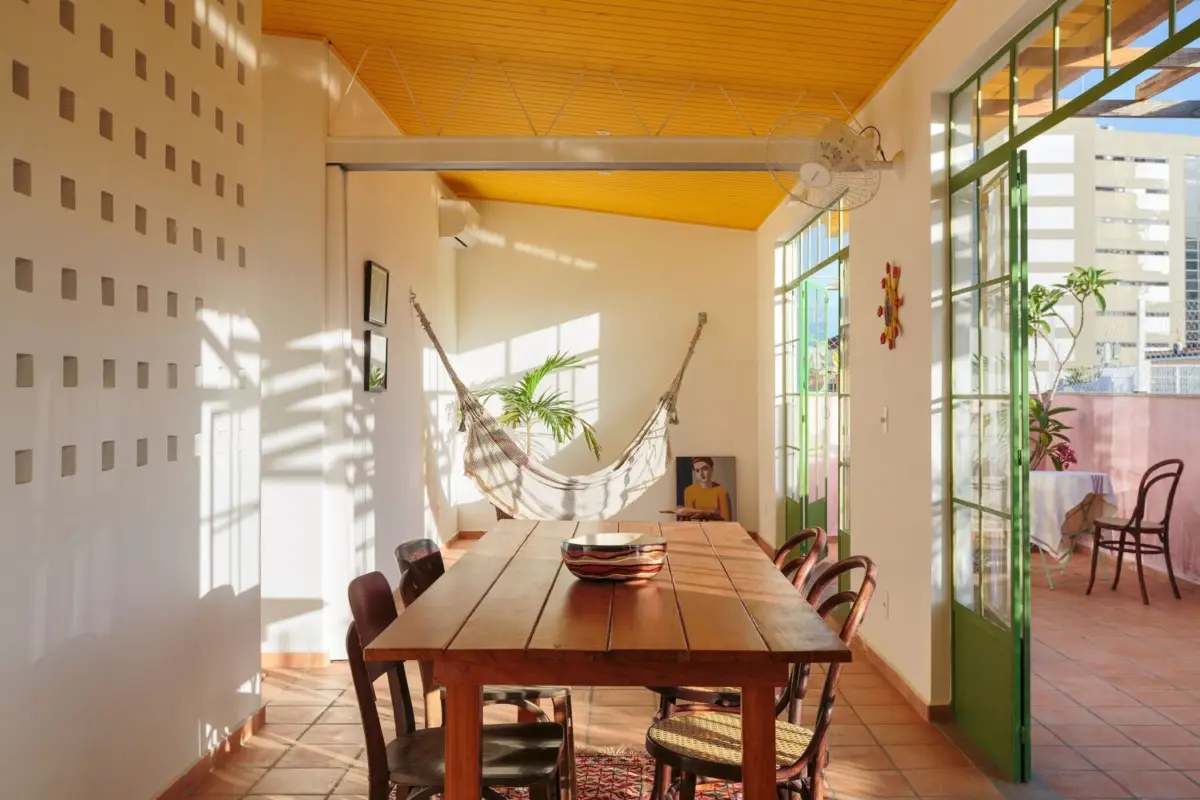
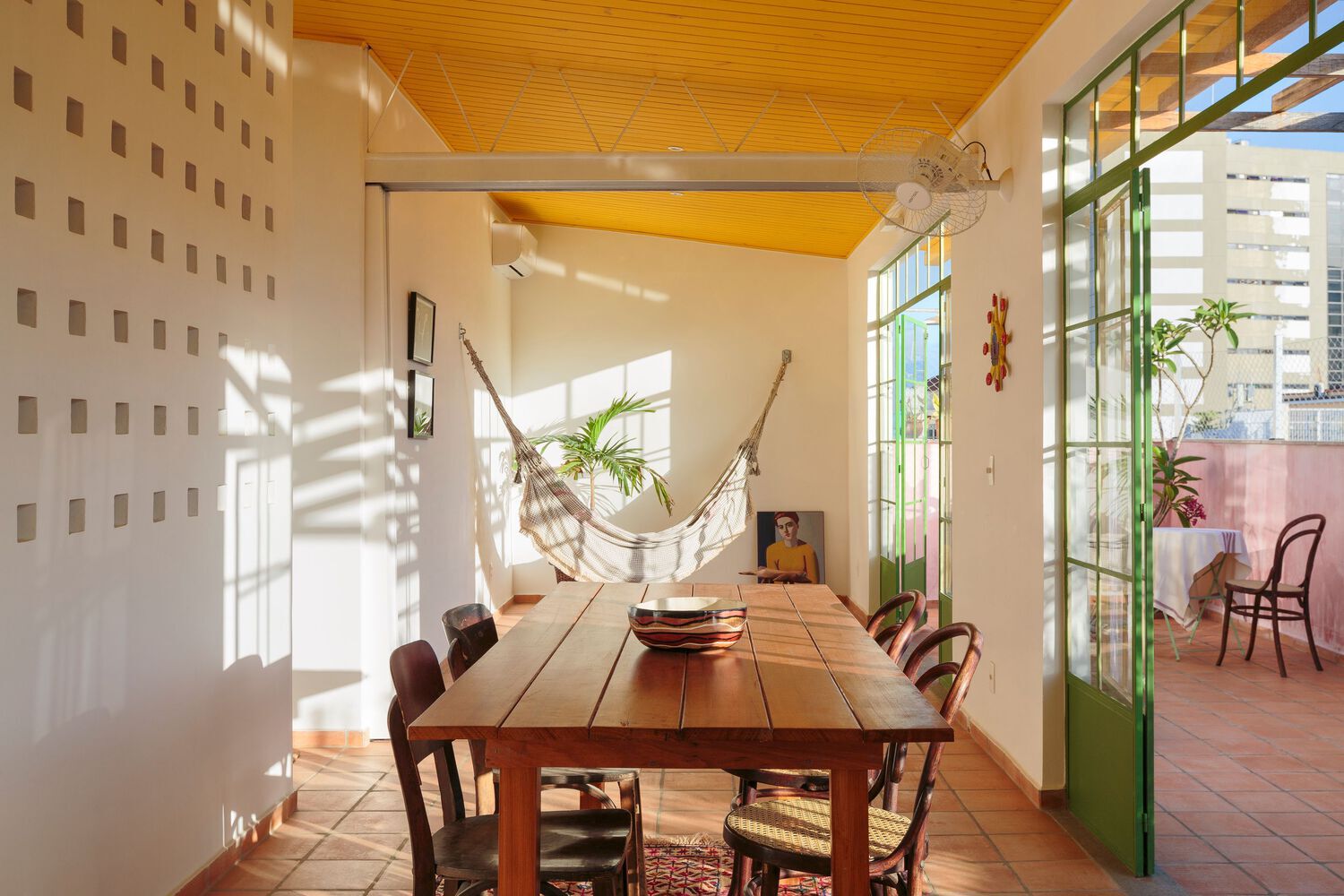
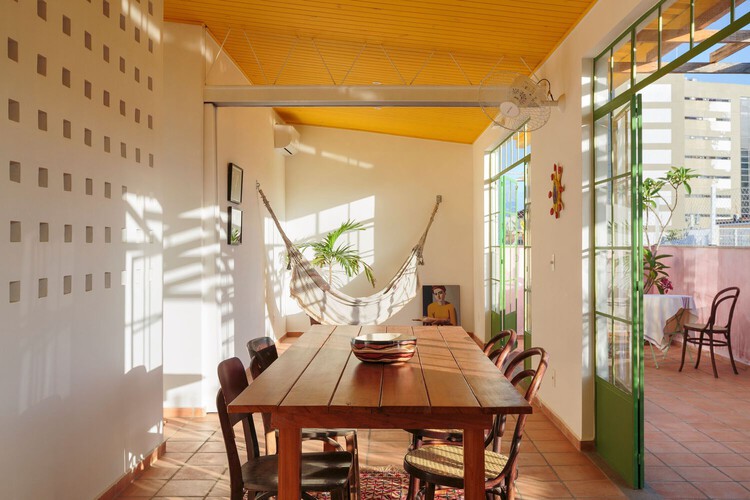
Today, contemporary Latin American interior design—as seen in projects like MZNO’s CL Apartment—moves away from monolithic stereotypes of "tropical vibrance" or rustic minimalism. Instead, designers engage with a nuanced, globalized palette where historical pigments, industrial materials, and digital-era sensibilities coexist. Colors are deployed not as rigid stylistic markers, but as dynamic mediums that respond to shifting urban densities, changing light conditions, and contemporary domestic lifestyles.
Supporting Data and Materiality
The enduring power of color in Latin American interiors is fundamentally tied to material science and regional geography. Unlike standardized paint chips selected from global catalogs, traditional Latin American colors are rooted in physical substance:

- Thermal Regulation: In regions with intense solar radiation, high-albedo lime washes (traditionally white or pale pastel) are utilized to lower interior temperatures passively by reflecting solar heat. Conversely, dark earth tones are frequently deployed in Andean highlands to absorb and retain daytime heat within adobe and stone masonry structures.
- Local Pigment Geographies:
- Ochres and Terra Cottas: Abundant iron-oxide-rich soils across the Andean mountain ranges and central Mexican plateaus naturally dictate the widespread use of warm, earthy reds and browns in vernacular flooring and wall finishes.
- Indigo and Plant-Based Dyes: Coastal and lowland regions historically relied on botanical extractions for textile and surface pigmentation, favoring deep blues and greens that echo surrounding foliage and maritime environments.
- Durability and Aging: Natural mineral and organic pigments interact dynamically with interior microclimates. Humidity, smoke from indoor cooking fires, and relentless UV exposure cause these colors to patina gracefully, recording the passage of time directly onto the architectural envelope.
Official Perspectives and Architectural Discourse
Architects, theorists, and preservationists across Latin America increasingly view color not as a superficial finishing layer, but as an essential structural and cultural component of architectural design.
"Color is not a garment that we put on a building; it is an intrinsic dimension of space, light, and material. When we choose a color in a Latin American interior, we are engaging with a long lineage of environmental adaptation and cultural memory, whether we consciously intend to or not." — Contemporary Architectural Theory Symposium, Mexico City
Designers working in the region emphasize that contemporary interiors must avoid flattening Latin American color into a generalized, exoticized aesthetic for foreign consumption. Instead, studios like MZNO and their contemporaries argue for a localized approach—one that respects how inhabitants interact with light, shadow, and tactile surfaces within modern urban dwellings.

Preservation authorities also highlight the importance of safeguarding traditional pigment extraction methods and lime-wash applications, noting that the erasure of historical material practices often leads to the sanitization and homogenization of architectural heritage.
Implications for the Future of Interior Architecture
The exploration of color’s cultural life in Latin American interiors carries profound implications for global architectural practice:
- Sustainable Materiality: As the architecture industry seeks sustainable alternatives to synthetic chemical paints and high-emission finishes, revisiting traditional earth pigments, lime washes, and natural dyes offers a viable pathway toward low-impact, biodegradable interior design.
- Resisting Global Homogenization: In an era dominated by minimalist, neutral-toned global aesthetics propagated by social media and multinational real estate developments, the rich, context-driven color palettes of Latin American interiors serve as a vital counter-narrative. They demonstrate how space can remain deeply rooted in local identity while accommodating modern functions.
- The Interior as an Emotional Landscape: By recognizing that colors possess biographies, interior architects are encouraged to design spaces that invite emotional resonance. The shifting interplay of sunlight across a brightly pigmented Mexican courtyard or an earthy Andean apartment reminds us that interiors are dynamic environments shaped by the continuous dialogue between human habitation, material culture, and time.
