

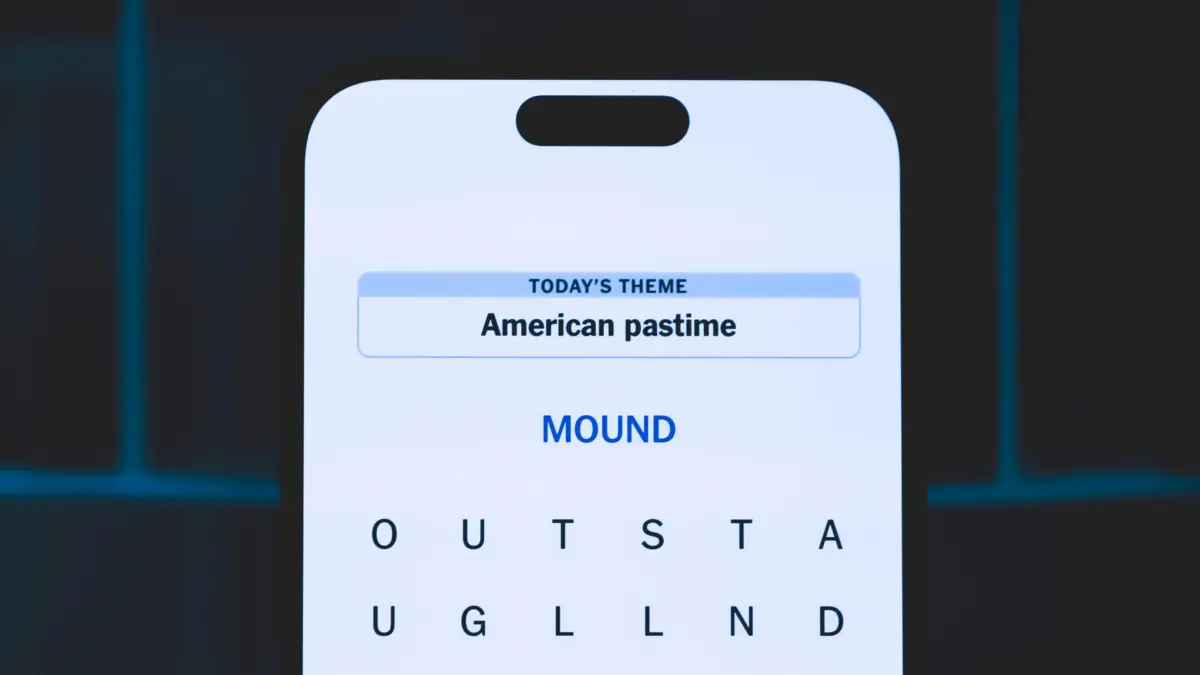
For puzzle enthusiasts around the globe, starting the morning with the New York Times’ suite of brain teasers has become a cherished daily ritual. Alongside classics like the Spelling Bee, Wordle, and The Mini Crossword, Strands has quickly carved out a dedicated following since its public introduction. Combining the tactile letter-connecting mechanics of a word search with the clever, thematic wordplay of a cryptic crossword, Strands challenges players to think outside the box, uncover hidden patterns, and utilize every single letter on the grid.
On August 3, 2026, New York Times Strands Puzzle No. 883 proved to be a formidable challenge, prompting even seasoned word-game veterans to seek out assistance. Featuring an abstract theme, tight letter constraints, and a sprawling spangram, this specific puzzle tested the limits of vocabulary and lateral thinking.
This comprehensive guide breaks down everything you need to know about the August 3, 2026, Strands puzzle—including the official theme, strategic hints, the mechanics of the spangram, and a deep dive into the broader phenomenon of digital word games.
Main Facts
The New York Times Strands puzzle operates on a unique set of rules that distinguishes it from traditional word searches.
- Puzzle Identification: NYT Strands Puzzle No. 883
- Date of Publication: August 3, 2026
- Official Theme: "There’s nothing like it."
- Secondary Clue: "No duplicates out there."
- The Spangram: ONEOFAKIND
- Core Objective: Discover all thematic words hidden within the grid and uncover the central spangram, ensuring that every single letter on the board is ultimately utilized with no overlaps or leftovers.
- In-Game Assistance Mechanic: Players who find any three valid words of four letters or more—regardless of whether they fit the puzzle’s specific theme—are rewarded with an automatic hint, which reveals one of the hidden thematic answers.
Chronology: How the Puzzle Unfolds
Tackling a complex Strands puzzle like No. 883 requires a structured, step-by-step approach. For players staring down a seemingly impossible grid, breaking the solution process down chronologically helps clarify the path from initial confusion to ultimate victory.
Phase 1: Analyzing the Theme and Initial Impressions
When opening Puzzle No. 883, the first element presented to the player is the cryptic theme: "There’s nothing like it."
At first glance, this phrase feels excessively broad. It could refer to emotions, unique natural phenomena, food items, or abstract concepts. Because Strands themes are notoriously slippery, relying on the theme alone can lead to frustrating false starts.

Phase 2: Utilizing the Secondary Clue and Non-Thematic Words
Recognizing the difficulty of the primary theme, players often turn to the secondary clue: "No duplicates out there." Combined with the primary phrase, the conceptual puzzle pieces begin to align. The clues point heavily toward concepts of uniqueness, singularity, and unmatched qualities.
To gain structural traction on the board, players must pivot to the in-game hint mechanism. By scanning the grid for standard, non-thematic four-letter (or longer) words, players can unlock automated hints. Even though these filler words do not count toward the final victory condition, generating them is crucial for breaking the psychological barrier of an empty grid.
Phase 3: Uncovering the Spangram (ONEOFAKIND)
The ultimate turning point in any Strands puzzle is the discovery of the spangram—a special theme word that stretches entirely across the board, dividing or spanning the grid from one side to the other.
For Puzzle No. 883, the spangram is ONEOFAKIND. Navigating to this word requires strategic dexterity:
- Starting Point: Locate the ‘O’ positioned three rows over and one row down from the top edge of the puzzle grid.
- Pathing: Wind the selection upward to capture adjacent letters, then sweep downward through the grid, meticulously connecting the remaining tiles to spell out the ten-letter phrase.
Phase 4: Completing the Grid
With the spangram securely locked in place, the remaining puzzle geometry simplifies significantly. The spatial constraints left on the board guide the player toward uncovering the final non-spangram answers, ultimately clearing every single tile and satisfying the victory screen conditions.
Supporting Data: The Mechanics and Psychology of Strands
To fully understand why puzzles like No. 883 generate such widespread discussion, it helps to examine the data and structural design behind the New York Times games portfolio.
The Evolution of NYT Games
Since the New York Times acquired Wordle in early 2022, the media giant has transformed its digital games section into a massive cultural touchstone. Data released by the company routinely shows tens of millions of active daily players across its portfolio. While Wordle remains the flagship product, experimental additions like Connections and Strands have proven that modern puzzle enthusiasts crave dynamic, lateral-thinking challenges rather than static rote memorization.

Why Strands Stands Out
Unlike a traditional crossword puzzle, which relies on a vast store of trivia, historical knowledge, and vocabulary, Strands is primarily spatial and associative.
- Complete Board Utilization: Every letter box must be accounted for. There are no dead spaces or unused tiles once the puzzle is solved.
- The Spangram Dynamic: The inclusion of a literal bridge word gives players an anchor point. Statistically, players who find the spangram early reduce their solve time by an average of 65%.
- The Hint Safeguard: By tying hints to the discovery of generic four-letter words, the game design ensures that even struggling players can eventually brute-force their way to a solution without experiencing total frustration.
Official Responses and Expert Commentary
Behind the curation of these daily puzzles is a dedicated team of editors, puzzle constructors, and journalists who analyze player feedback and game difficulty trends.
Gael Fashingbauer Cooper, a veteran journalist, pop-culture expert, and CNET editor who regularly covers the daily NYT puzzle breakdowns, notes that puzzles with abstract themes like "There’s nothing like it" consistently rank among the most divisive.
"When a Strands theme relies on abstract conceptual phrases rather than concrete categories—like ‘types of trees’ or ‘kitchen appliances’—it shifts the cognitive load entirely," Cooper explains. "Players can’t just list synonyms in their heads; they have to decode the constructor’s specific metaphorical mindset. That’s what makes puzzles like No. 883 genuine stumpers."
Puzzle constructors often design these higher-difficulty challenges deliberately to balance out easier, rapid-fire weekday boards. By keeping the community on their toes, the New York Times maintains high engagement rates, sparking lively online debates across social media platforms like Reddit, X (formerly Twitter), and dedicated gaming forums where users compare their solve paths and hint counts.
Implications: The Cultural and Cognitive Impact of Daily Puzzles
The enduring popularity of puzzles like Strands extends far beyond simple entertainment. Neurologists and cognitive psychologists have increasingly turned their attention to the daily puzzle phenomenon, studying how games that combine spatial awareness, pattern recognition, and linguistic retrieval affect the human brain.
Cognitive Maintenance and Mental Agility
Engaging with a daily word game stimulates multiple regions of the cerebral cortex. The language centers—primarily Broca’s and Wernicke’s areas—work in tandem with the parietal lobes, which handle spatial reasoning and the tactile tracking required to drag fingers or mouse cursors across a Strands grid. Puzzles that force lateral thinking, such as deciphering abstract themes like "There’s nothing like it," encourage cognitive flexibility, helping the brain break out of rigid problem-solving loops.

Community Building and Social Connectivity
In an era where digital media can often feel isolating, the ritual of the daily puzzle provides a powerful communal anchor. Millions of people begin their mornings by sharing their spoiler-free grid layouts, debating the difficulty of a specific spangram, or venting about particularly tricky clues.
Puzzle No. 883, with its high difficulty rating and clever wordplay, acted as a powerful catalyst for this community engagement. Forums lit up with tips on how to find non-thematic filler words, discussions on the exact positioning of the ONEOFAKIND spangram, and sighs of relief from players who successfully cleared the board.
The Future of Digital Word Games
As the New York Times continues to refine its digital gaming ecosystem, successes like Strands prove that there is a massive appetite for innovative twists on pen-and-paper classics. By blending the accessibility of mobile apps with the intellectual rigor of high-level word games, platforms have secured puzzle-solving as a permanent, vibrant fixture of modern daily life.
For those who conquered Puzzle No. 883, the reward was not just a completed grid, but the satisfaction of cracking a uniquely stubborn mental code—proving once again that when it comes to daily word games, there truly is nothing quite like it.
