By Tech & Cybersecurity Desk Published: August 2026
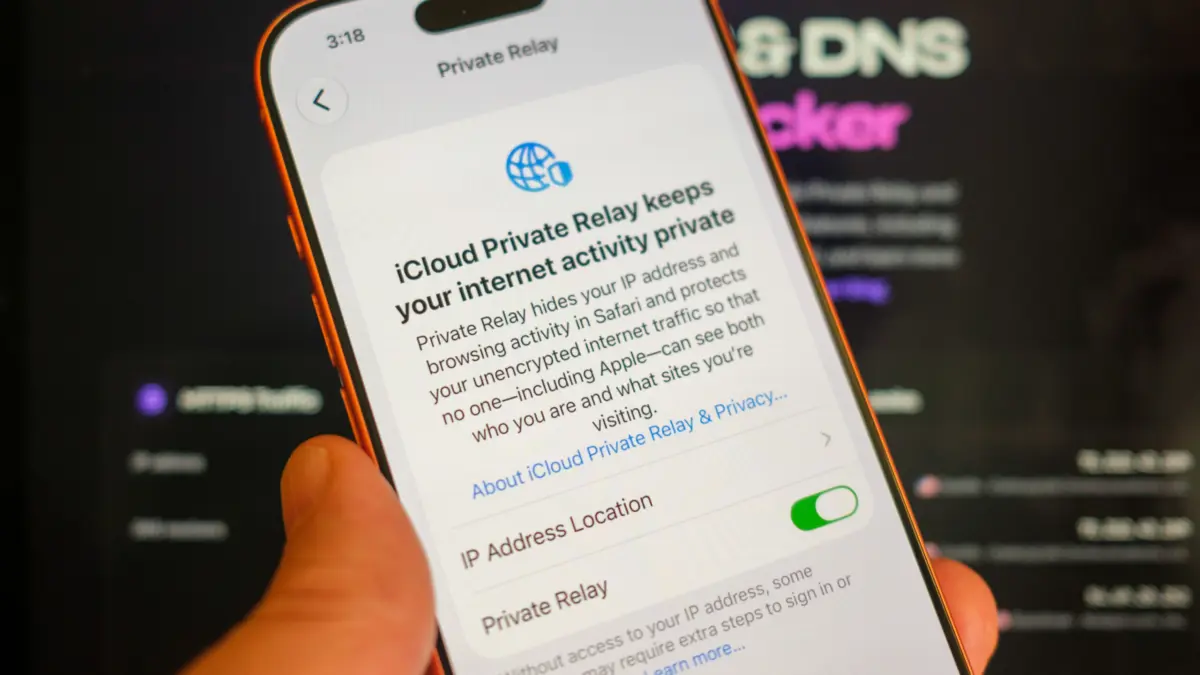
Apple’s iCloud Private Relay has long been marketed as a cornerstone of digital privacy for users of the company’s paid iCloud Plus subscription. Designed to obscure web traffic from advertisers, malicious actors, and intrusive network administrators, the tool has served millions as a built-in shield against digital tracking.
However, recent findings from independent security researchers have revealed significant cracks in this digital armor. According to a comprehensive technical discovery by software engineers and security analysts Talal Haj Bakry and Tommy Mysk—first highlighted by 404 Media—iCloud Private Relay can leak a user’s actual IP address under specific conditions. This flaw effectively undermines the core privacy guarantees that many users rely upon to protect their physical location and personal identity.
Main Facts
The core issue centers around how Apple’s WebKit framework—the underlying engine powering the Safari browser and various other web-integrated applications—handles specific networking requests. While iCloud Private Relay successfully routes standard web traffic through a dual-proxy architecture designed to hide both the user’s IP address and the websites they visit, it fails to capture and mask traffic originating from specific system processes and modern web APIs.
The security vulnerability manifests through three primary vectors:
Passkey Authentications: When users sign into websites using modern passkeys, the operating system’s credential service handles the fetch request rather than Safari. This bypasses the Private Relay proxy entirely, sending the data directly to the destination server along with the device’s real IP address.
DNS Prefetching: Websites can request data ahead of time to accelerate page-load speeds. This DNS lookup occurs independently of the relay mechanism, transmitting raw network data directly between the user’s home router and the target site if the HTML code explicitly triggers it.
WebTransport Connections: This low-latency communication protocol allows WebKit to open direct, peer-style connections that bypass the private relay network entirely, directly exposing the user’s true network address.
To help users verify whether their systems are vulnerable, the researchers launched a dedicated diagnostic website (leaks.psylo.app). Tests conducted across modern hardware—including an iPhone running iOS and a MacBook Pro with iCloud Private Relay active—successfully identified home internet router IP addresses, proving that the leaks are actively reproducible.
Chronology of the Discovery and Public Disclosure
The timeline surrounding the exposure of these vulnerabilities highlights a growing friction between independent security researchers and major tech conglomerates regarding responsible disclosure timelines.
Early 2026: Talal Haj Bakry and Tommy Mysk begin investigating WebKit networking behaviors while developing privacy-focused software, including tools for their own browser, Psylo, and iOS Tor-based applications. They notice systemic leaks in how iOS and macOS handle specific protocol requests.
Mid-2026: Rigorous testing confirms that iCloud Private Relay fails to mask IP addresses during passkey exchanges, DNS prefetching routines, and WebTransport sessions.
August 2026: Rather than going through standard private vulnerability disclosure channels, the researchers make a calculated decision to bypass direct reporting to Apple. They launch a public advisory via their blog (Mysk Blog) and social media platform X (formerly Twitter).
August 4, 2026: The researchers publish their findings, supported by an interactive testing tool. Tech publications, including 404 Media and CNET, pick up the story, driving widespread public awareness across the cybersecurity community.
Present: The tech industry awaits formal technical remediation or architectural updates from Apple to address the WebKit routing blind spots.
Supporting Data and Technical Context
To understand the severity of these leaks, it is necessary to examine how iCloud Private Relay is structured and how it differs from traditional Virtual Private Networks (VPNs).
Private Relay vs. Traditional VPNs
Apple has consistently emphasized that iCloud Private Relay is not a traditional VPN. While a VPN routes all device-wide internet traffic through a single encrypted tunnel operated by a third-party provider, Private Relay is integrated directly into WebKit and network settings. It uses a clever, multi-hop architecture:
The First Proxy: Operated by Apple, this server knows the user’s real IP address but cannot see the destination website address.
The Second Proxy: Operated by an independent third-party provider (such as Cloudflare or Akamai), this server knows the website being visited but does not know the user’s identity or real IP address.
By splitting this data, neither Apple nor the website operator possesses the complete picture. However, the newly uncovered vulnerabilities exploit pathways that operate outside of this dual-proxy design.
The Mysk Findings Breakdown
The table below summarizes the three leakage vectors identified by the researchers:
Leak Vector
Mechanism
Result
Passkeys
System credential manager initiates a direct fetch request outside of Safari’s proxied path.
Destination server captures the raw, unmasked device IP address.
DNS Prefetching
Webpages request early data links independently of the relay mechanism.
Home network IP address is transmitted directly during site pre-loading.
WebTransport
Low-latency protocol opens a direct, unproxied data pipe.
Real-time connection exposes the user’s authentic location parameters.
Official Responses and Industry Context
As of the initial public disclosure, Apple has not issued an immediate, formal statement regarding the specific WebKit routing bypasses identified by Mysk. Requests for comment sent to Apple representatives remained unanswered at the time of publication.
The researchers justified their decision to forego private disclosure by citing previous frustrations with Apple’s vulnerability management processes. In their public statements on X and their blog, they wrote:
"Unfortunately, our past experience with Apple tells us that reporting this issue would involve months of delays, inconsistent communication, and in some cases, denying the issue’s impact entirely. We weren’t willing to wait months, or upwards of a year, sitting on bugs that undermine the core privacy guarantees…"
This public handling adds fuel to an already burning fire regarding Apple’s recent privacy track record. The discovery arrives on the heels of another high-profile controversy involving Apple’s paid iCloud Plus ecosystem: a security bug within the Hide My Email feature that allegedly exposed users’ genuine personal email addresses. That specific flaw has already transitioned from a technical grievance into active litigation, with lawsuits accusing the Cupertino-based tech giant of false advertising, fraud, and breach of contract.
Implications for Consumers and the Future of Mobile Privacy
The revelation that iCloud Private Relay leaks real IP addresses carries profound implications for everyday consumers, high-risk individuals, and the broader cybersecurity landscape.
1. Erosion of Consumer Trust
For millions of subscribers who pay for iCloud Plus specifically to secure peace of mind regarding digital tracking, discovering that core system features leak identifying network data is a jarring blow. Consumers often assume that toggling a switch labeled "Private Relay" provides a blanket shield. These findings demonstrate that modern operating systems are vastly complex, and compartmentalized services can easily leave unintended blind spots.
2. Risks to Vulnerable Populations
While casual internet users may view an exposed IP address as a minor nuisance primarily leveraged by advertisers for targeted marketing, the stakes are much higher for dissidents, journalists, activists, and individuals living under oppressive regimes. In scenarios where state-sponsored actors or malicious entities actively monitor network traffic, an exposed home IP address can map digital activity directly to a physical doorstep, compromising personal safety.
3. Regulatory and Legal Pressures
With Apple already facing legal scrutiny over the Hide My Email flaws, the emergence of the Private Relay IP leakage could invite further regulatory scrutiny from privacy watchdogs, particularly in the European Union under stringent frameworks like the General Data Protection Regulation (GDPR). If paid privacy features fail to deliver on their fundamental marketing promises, Apple could face increased demands for consumer restitution and regulatory fines.
What Users Can Do
Until Apple patches these WebKit loopholes through a comprehensive iOS and macOS software update, privacy-conscious users should consider the following steps:
Understand the Limits: Recognize that iCloud Private Relay is not a full-device VPN and does not cover every background system network call.
Test Connections: Utilize diagnostic tools, such as the one provided by the Mysk researchers, to audit how your specific device configurations handle network requests.
Deploy Alternative Tools: For users requiring absolute anonymity against network-level leaks, combining trusted, audited third-party VPN protocols or Tor-based browsing environments may offer more reliable end-to-end protection until official fixes are rolled out.